Why Local Partnerships Matter

Great food doesn’t begin in the kitchen. It begins with the ingredients behind it.

Long before it reaches a chef’s chopping board, someone has grown it, harvested it, packed it and delivered it. Behind every meal are producers, growers, suppliers and communities whose work shapes the quality of the food we serve.

As customer expectations continue to evolve, those relationships matter more than ever.

For Angel Hill Food Co., local partnerships aren’t simply about shortening supply chains. They help strengthen communities, support regional businesses, develop future talent and give customers greater confidence in what’s on their plate.

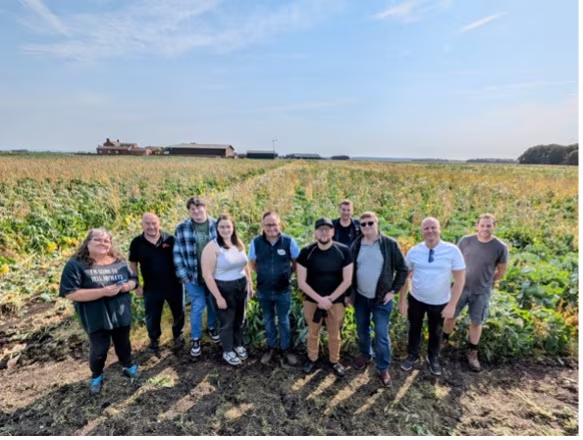
As part of our #ForTheLoveOfLocal campaign, we spoke to Tony Winterbottom, Sales Director for Catering, about why local matters and how it will continue to shape the future of workplace catering.

What Does ‘Local’ Mean to You?

“When people think about local, they often think about where food comes from. That’s important, but it’s only part of the story. For me, local is about creating opportunity.

It’s about investing in growers, producers and businesses within the communities we serve. It’s about helping those organisations develop, creating employment, supporting apprenticeships and giving local businesses the confidence to grow.

At the same time, we’re bringing fresher produce into our kitchens, reducing food miles where possible and delivering better food to our customers.

Ultimately, local benefits producers, businesses, communities and the people who enjoy the food.”

Tony believes that’s exactly where the real value lies.

It is more than fresh food or local produce. It’s about benefiting the local economy, generating jobs, creating opportunities and helping businesses develop. As a major catering organisation, that’s something we absolutely want to promote.

For Angel Hill Food Co., every supplier relationship has the potential to create a wider impact.

Working with regional producers strengthens local economies. As businesses grow, they create employment, develop skills and invest back into their communities.

The result reaches far beyond the kitchen.

Why Has Local Become More Important to Customers?

“Customers understand food differently today,” Tony explains.

“They’re more interested in where ingredients come from, how they’re produced and the story behind them.

There’s now an expectation that food should come from local sources wherever possible.

People recognise that local produce is often fresher, tastes better and supports the communities they live and work in. That shift has accelerated across every sector we operate in, whether that’s workplaces, education or healthcare.”

For customers, quality and provenance increasingly go hand in hand.

What Changes When You Know the People Behind the Ingredients?

This is where Tony believes workplace catering can tell a much richer story.

“When you genuinely know the people behind your ingredients, you know their heritage. You know where the food was grown, who produced it and the journey it’s taken before arriving in the kitchen.

That creates opportunities to tell customers something meaningful about what’s on their plate.

Imagine being able to say today’s vegetables came from a farm just a few miles away. That connection changes how people experience food.”

Understanding provenance doesn’t just strengthen customer confidence.

It gives chefs a deeper appreciation of every ingredient they work with.

How Do You See Local Partnerships Evolving?

Tony believes the next stage will be collaboration.

Rather than expecting every independent producer to develop complex logistics networks, he sees opportunities for regional producers to work together through local supply hubs.

“Smaller growers may not have the infrastructure to supply national caterers on their own.

But by working together through regional networks, they can create opportunities that simply wouldn’t exist individually.

That gives businesses the chance to grow while allowing organisations like ours to bring even more local produce into our kitchens.”

He believes that approach has the potential to strengthen regional economies while creating more resilient supply chains for customers.

What Does Local Mean to You Personally?

After more than three decades in catering, Tony’s answer comes back to one thing.

Quality.

“After more than 30 years in catering, local partnerships represent what quality means to me.

Better ingredients. Better produce. Better food on the plate.

Knowing where our food comes from gives confidence to our chefs, reassurance to our customers and recognition to the people who’ve produced it.

That’s why local matters. Not because it’s fashionable, but because it helps us serve better food while supporting the communities behind it.”

Local partnerships don’t happen by accident.

They are built over time, strengthened through trust and sustained through shared success.

Every producer, supplier, college and community partner plays a role in shaping the food we serve.

Because great workplace catering starts long before the kitchen. It starts with the people behind every ingredient.

The People Behind Every Plate

Long before ingredients reach the kitchen, there are growers harvesting seasonal produce, suppliers refining their craft, educators developing future chefs and colleagues building relationships that strengthen the communities where they work. 

These partnerships shape every stage of the food journey. They influence the ingredients our chefs cook with, the skills they continue to develop and the experiences delivered to customers every day. 

The quality of our food is shaped by the people behind it. Every local supplier, education partner and producer brings knowledge, expertise and pride that strengthens the service we deliver. Investing in those relationships helps us build more resilient supply chains, develop future talent and create lasting value in the communities where we operateThat’s how stronger partnerships become better food experiences.

Henry Watts, Managing Director

Building a Stronger Local Supply Network

Every ingredient has a journey. 

Understanding where food comes from gives chefs a greater appreciation of the work behind every plate, while strong supplier relationships create consistency, resilience and the flexibility to respond to changing customer needs. 

Across Angel Hill Food Co., local partnerships are embedded throughout our supply network. NCB sources fresh produce and meat through suppliers closest to the sites they serve, while Kale & Damson, based near Cambridge, supports our kitchens with regional produce. West Country Milk works with local and regional dairy suppliers, Samworth Brothers supplies sandwiches to our Ipswich Head Office from its Bury St Edmunds depot, and Bidfood operates depots within 29 miles of every catering site, helping maintain responsive, efficient deliveries across our business.

These partnerships give our chefs confidence in the ingredients they use while strengthening the regional businesses and communities that support them. 

Relationships like these allow our culinary teams to learn directly from producers, understand provenance and build menus with confidence in the ingredients they use. 

As customer expectations continue to evolve, knowing where food comes from has become an increasingly important part of creating workplace dining experiences that are authentic, seasonal and high in quality. 

Local partnerships create value at every stage of the journey. They strengthen our supply chain, support regional businesses, give our chefs a better understanding of the ingredients they use and help us deliver better food experiences for our customers.

Tony Winterbottom, Sales Director

Developing Tomorrow’s Chefs

The future of hospitality depends on the people entering the industry today. 

Angel Hill Food Co. works closely with education partners to help students bridge the gap between college kitchens and professional catering environments. 

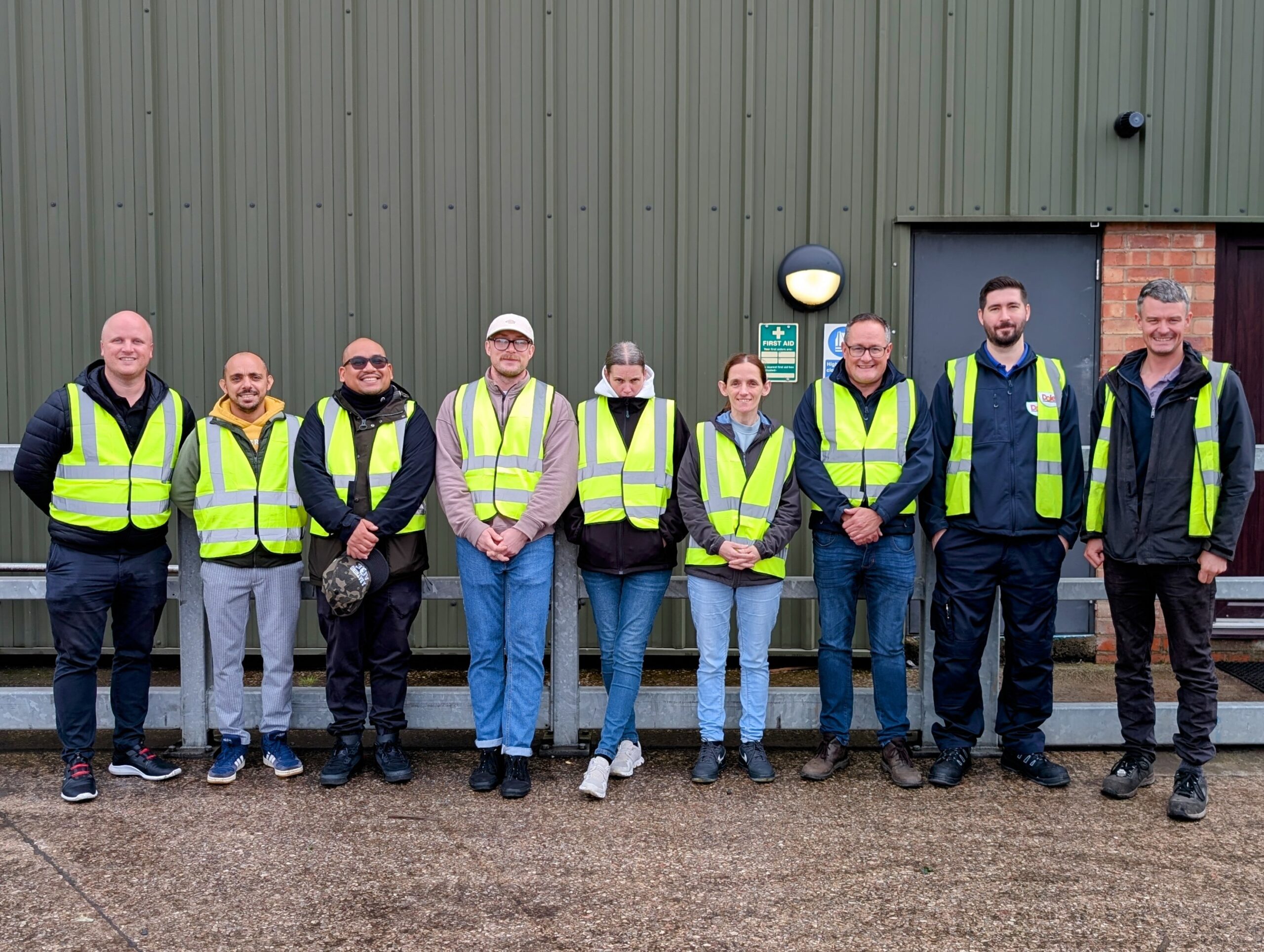
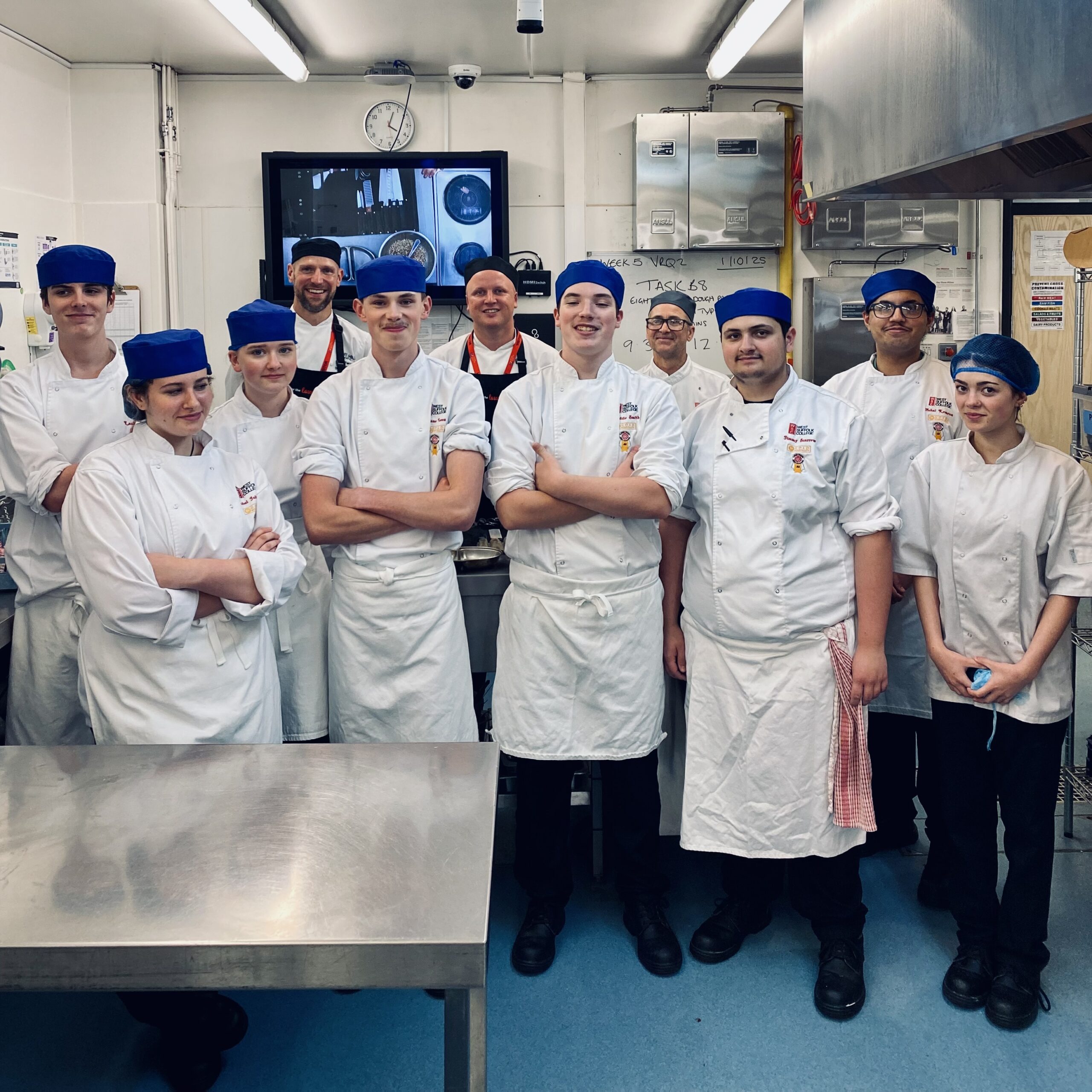
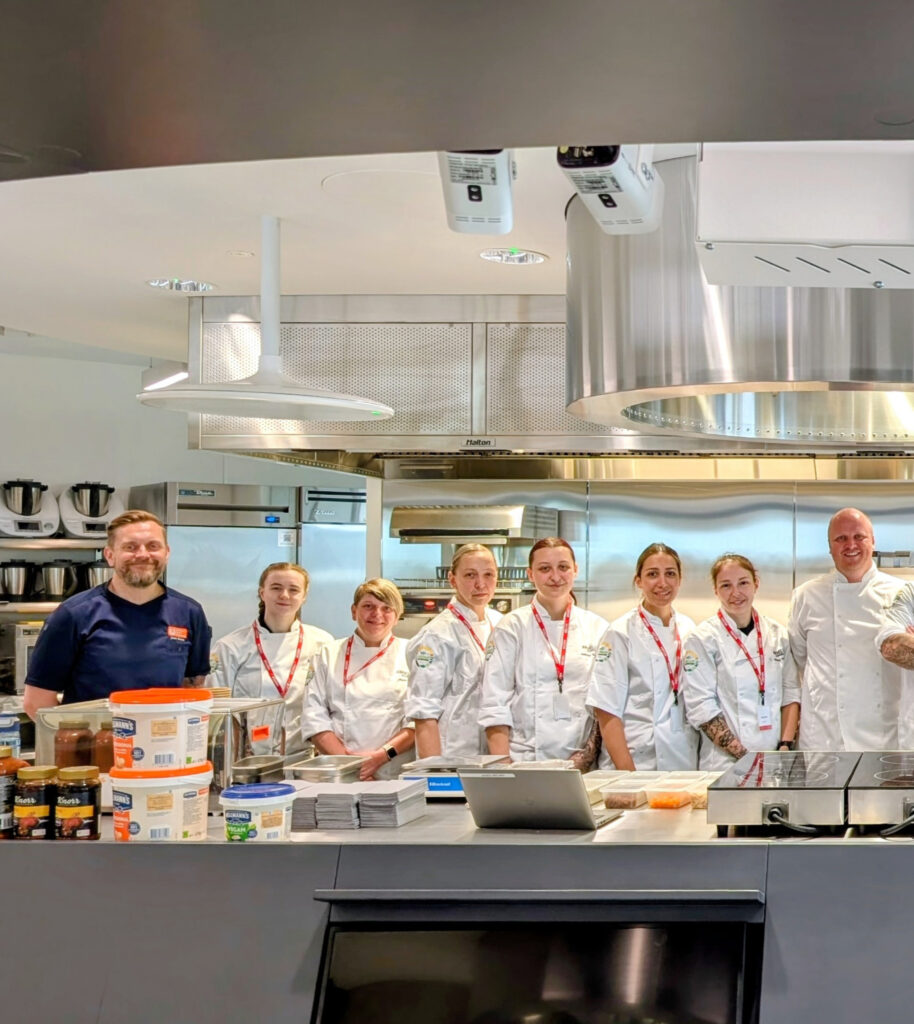
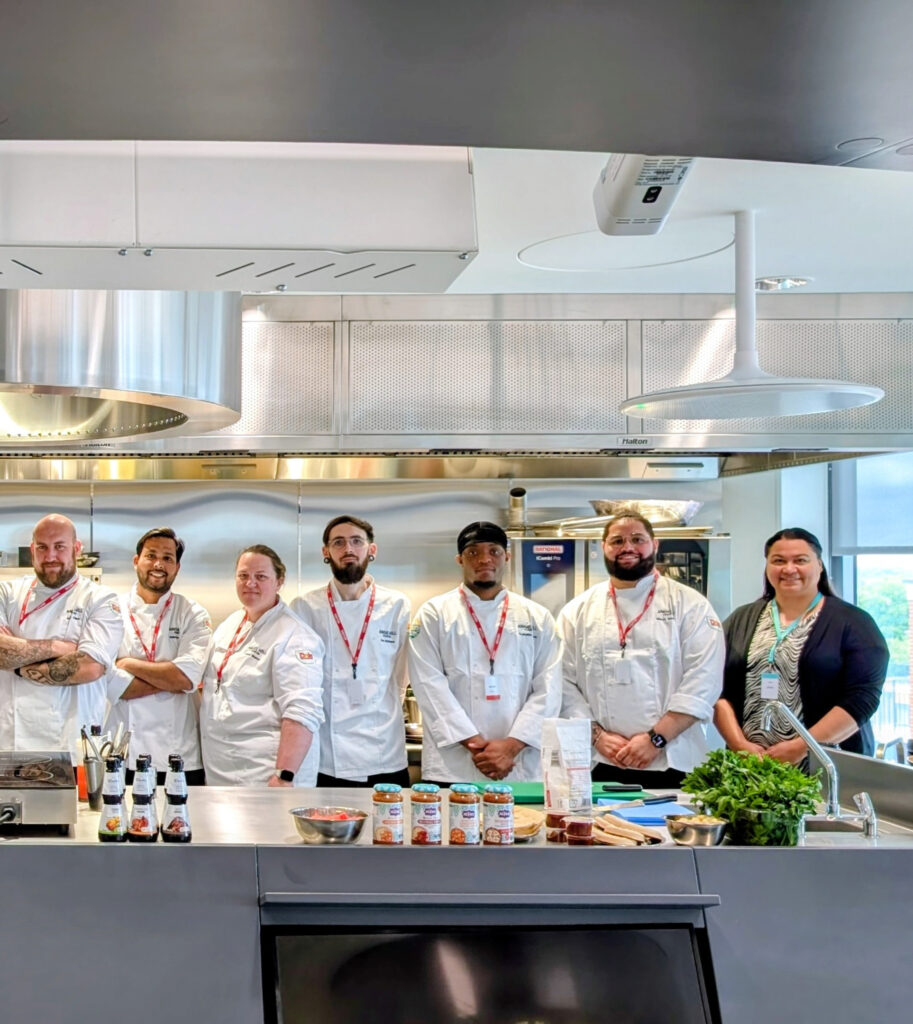
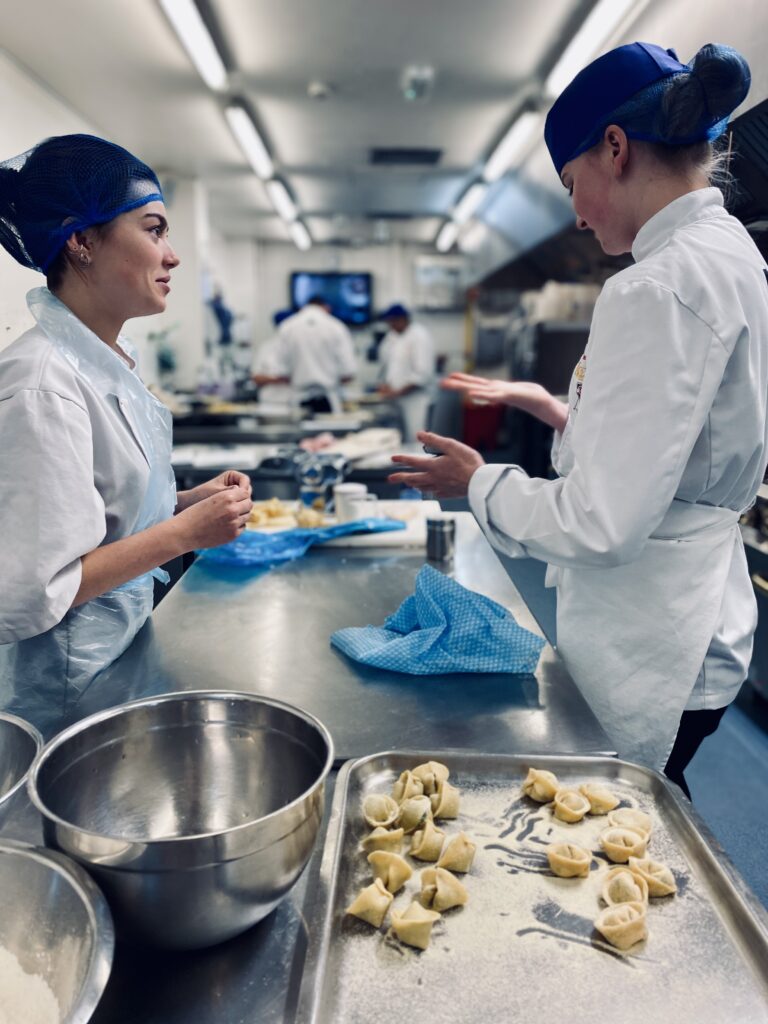
Earlier this year, nine catering students from West Suffolk College joined our Chef Development team for a filled pasta workshop, learning fresh dough techniques, preparing fillings and developing sauces alongside experienced chefs. 

The workshop was designed to build practical skills while giving students an insight into the standards, pace and teamwork required in a professional kitchen. 

The partnership continues later this year with a butchery workshop, giving students further opportunities to develop techniques that support their transition into industry. 

Supporting future chefs strengthens the wider hospitality sector while helping ensure valuable skills continue to develop within local communities. 

Every opportunity to work alongside experienced chefs helps build confidence as well as capability. By working with education partners, we’re giving students practical experience, exposing them to professional kitchens and helping them develop the skills they’ll need as they begin their careers. Investing in future talent is one of the most important ways we can support the long-term success of our industry.

Dawn Whitworth, People Development Manager 

Learning Beyond the Kitchen

Professional development doesn’t stop once a chef joins the business.

Each year, Angel Hill Food Co.’s Culinary Classroom programme gives a group of chefs the opportunity to step away from day-to-day operations and explore the wider food journey.

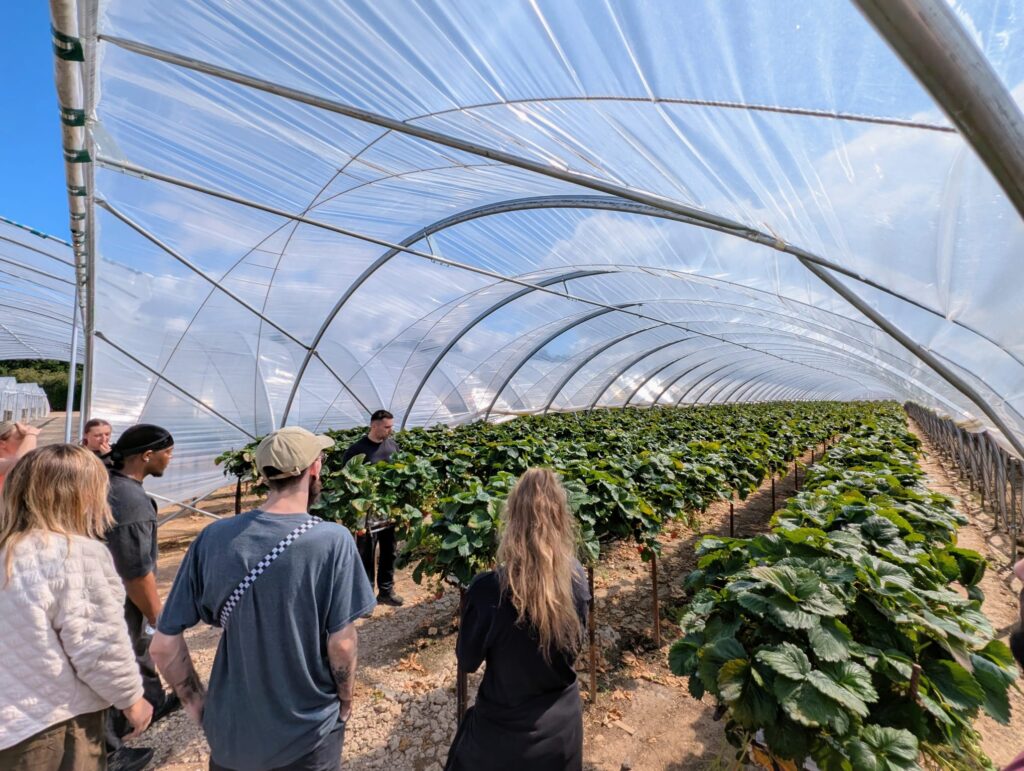
This year, 12 chefs are taking part in the programme, visiting producers, manufacturers and industry partners to better understand ingredients, supply chains, sustainability and culinary innovation.

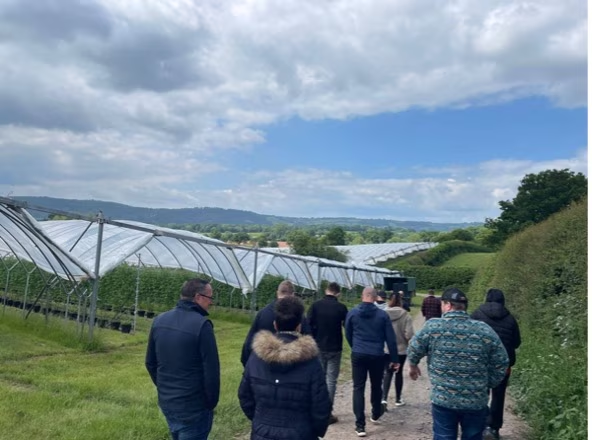
Recent visits have included Unilever, where chefs explored stocks, sauces and flavour development, alongside Oaklands Fruit Farm in the Vale of Evesham. There, chefs learned how seasonal strawberries are grown, harvested and handled before reaching commercial kitchens, gaining first-hand insight into the expertise behind every crop.

Experiences like these deepen chefs’ understanding of provenance while strengthening the connection between field and fork.

Great chefs never stop learning. Culinary Classroom gives our chefs the opportunity to step outside their own kitchens and understand the journey behind the ingredients they work with every day. Visiting farms, producers and manufacturers builds knowledge that can’t be learnt from a recipe. It develops curiosity, strengthens technical understanding and gives our chefs fresh ideas they can bring back into kitchens across the business.

Chris Ince, Chef Director

Stronger Partnerships, Stronger Communities

The partnerships behind Angel Hill Food Co. extend beyond ingredients.

They connect producers with chefs, education with employment and local expertise with national capability.

Every workshop delivered, every supplier relationship developed and every learning opportunity created contributes to something much bigger than a single meal. Together, they help strengthen local businesses, develop future talent and create opportunities that remain within the communities where we operate.

That collective approach continues to shape how Angel Hill Food Co. develops its services, supports customers and invests in the future of hospitality.

Every experienced chef started by learning from someone else or finding inspiration from something or someone. Creating opportunities for students to work alongside our culinary teams helps bridge the gap between education and industry, giving them practical experience, confidence, and a clearer understanding of what a career in hospitality can offer. Investing time in future talent is one of the most important investments we can make, not just for Angel Hill Food Co., but for the future of our industry.

Martyn Stockwin, Business Director 

Supporting British Food from Farm to Fork 

Great Food Starts Long Before It Reaches the Plate

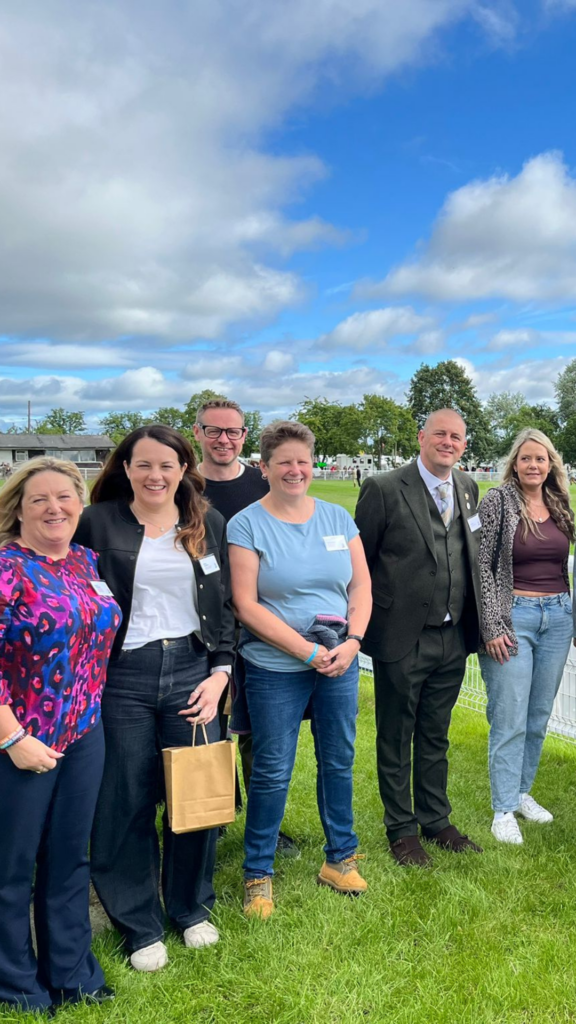
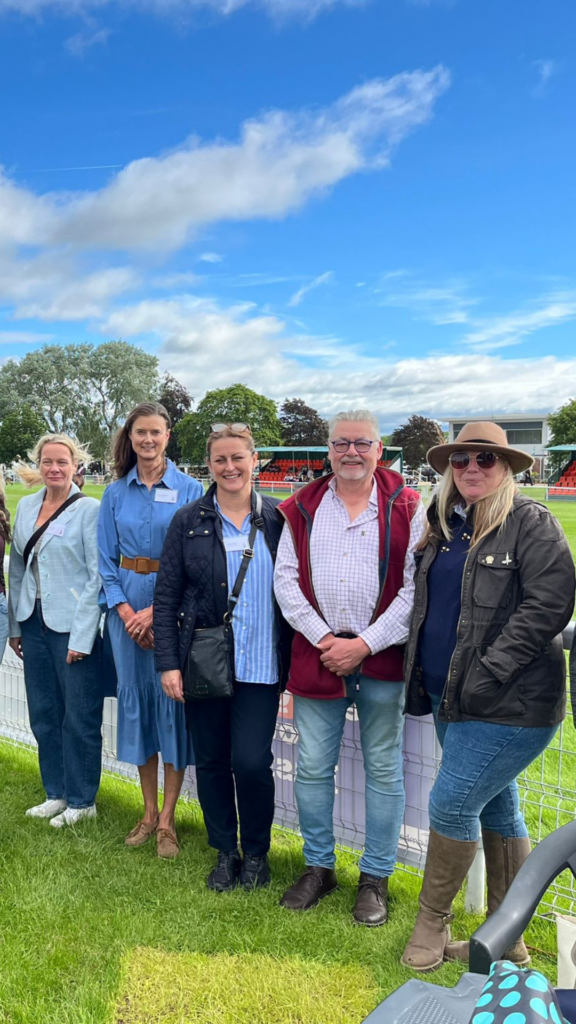
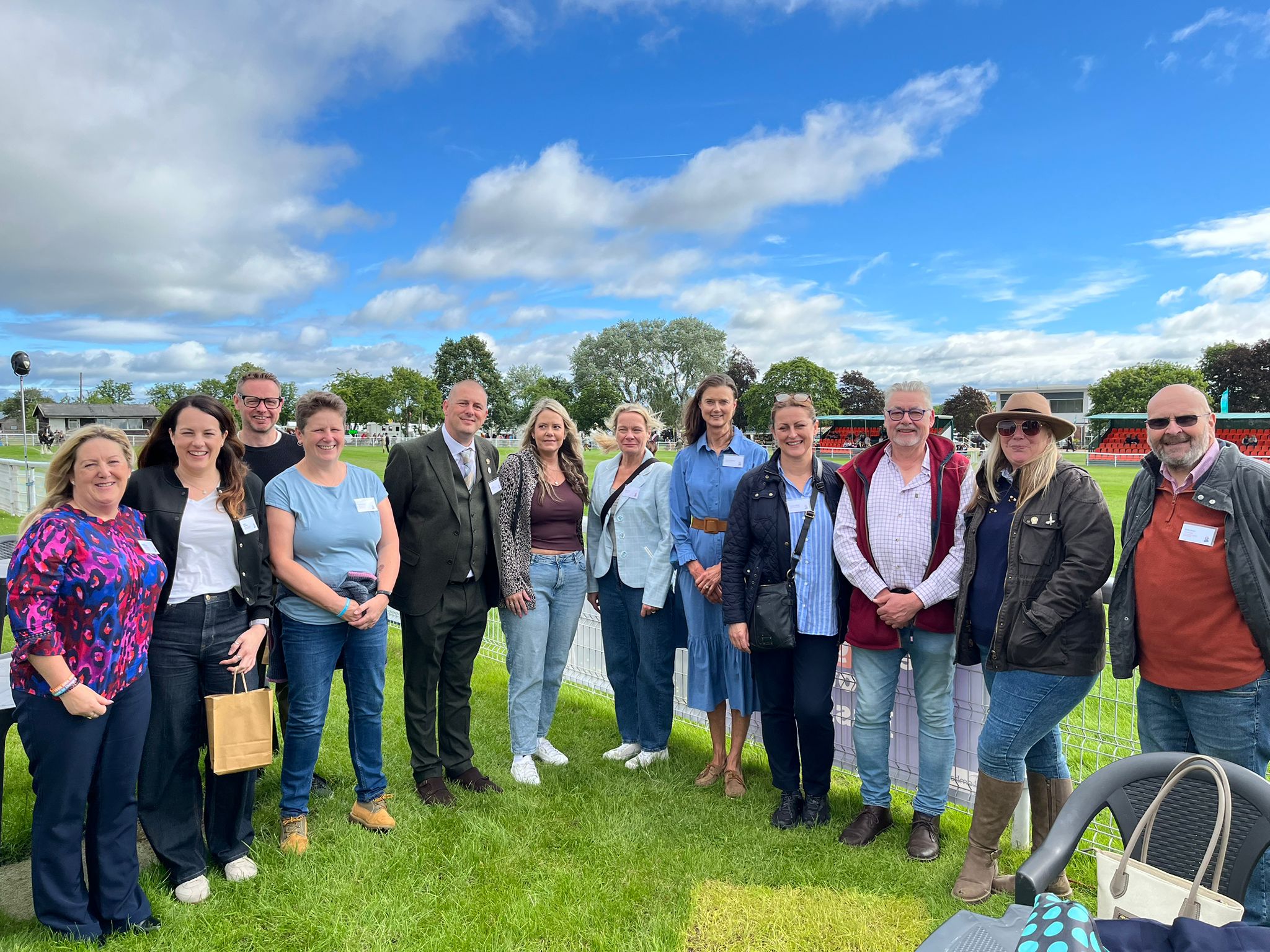
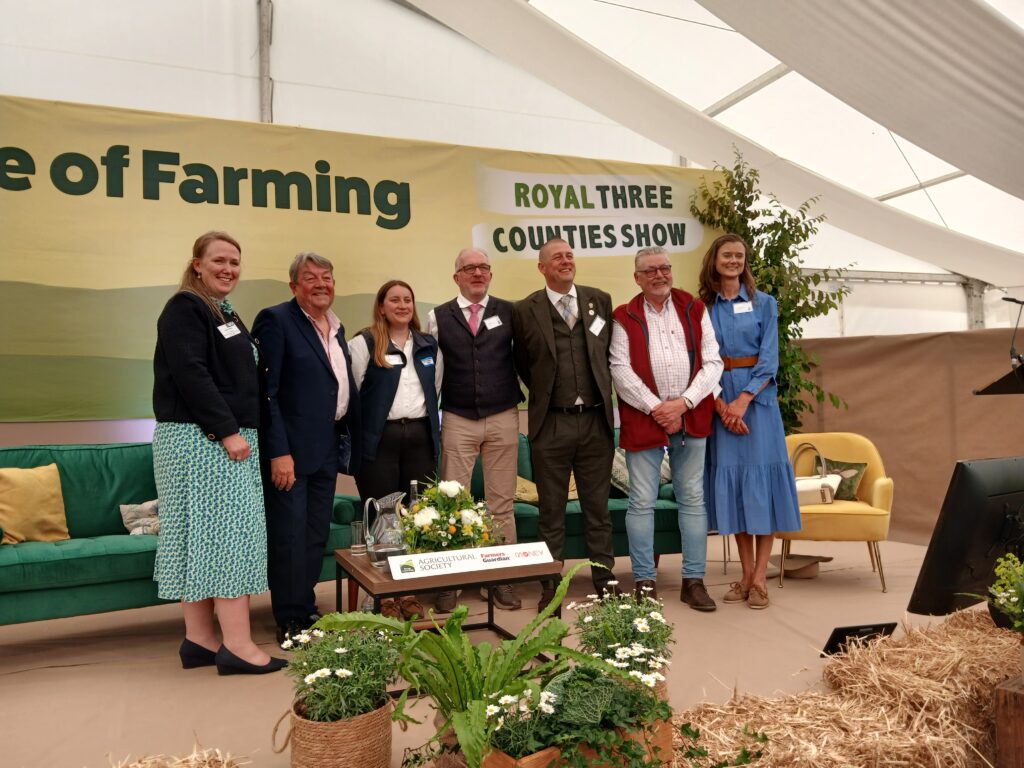
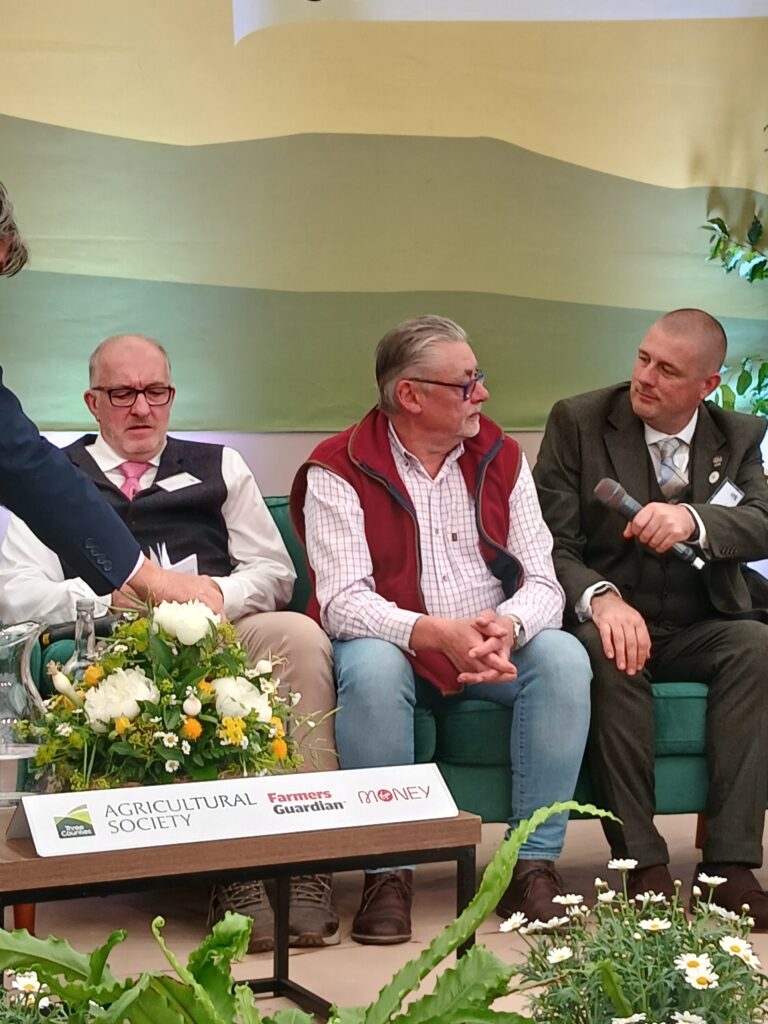
It begins with the farmers, growers and producers who work tirelessly to supply quality ingredients, and with the relationships that connect them to caterers, chefs and customers. Strengthening those connections was the focus of a recent industry discussion at the Royal Three Counties Show, where Angel Hill Food Co.’s Operations Manager, Rob Cass, joined farming, foodservice and public sector leaders to explore the future of British food.

Hosted by Alexia Robinson, Founder and Chief Executive of Love British Food, the panel brought together representatives from across the supply chain to discuss how greater collaboration can support British agriculture, strengthen food security and create more sustainable food systems.

Bringing the Supply Chain Together

Rob was joined at the event by Jennifer Brown, Culinary Development Manager at Angel Hill Food Co. While Rob represented public sector catering as a panellist, Jennifer attended to support the event and engage directly with farmers, producers and industry leaders. The experience provided valuable insight that will help inform future menu development, supplier engagement and sourcing conversations across the business.

For Angel Hill Food Co., the discussion reflected many of the principles that sit at the heart of its For the Love of Food philosophy.

As OCS’s specialist contract catering brand, Angel Hill Food Co. delivers food services across education, healthcare and workplace environments, serving thousands of meals every day. Creating great food experiences relies on strong supplier relationships, responsible sourcing and a clear understanding of the challenges and opportunities facing the wider food supply chain.

Supporting British Food Production

Representing public sector catering, Rob shared insights into the realities of delivering nutritious, high-quality meals while balancing increasing financial pressures:

One of the strongest messages from the day was the importance of communication. Farmers, producers, suppliers, and caterers all want to achieve the same thing, but we don’t always understand the challenges each part of the supply chain faces. Bringing those groups together creates opportunities to find solutions that work for everyone.

Discussions explored how organisations such as Love British Food, The School Food People, producers and caterers can work more closely together to support British food production while ensuring public sector catering remains affordable and accessible. The panel also considered how stronger engagement with government could help address funding challenges and support both British farming and school food provision.

Learning from British Agriculture

The event provided an opportunity to hear directly from farming representatives, including discussions around livestock production, sustainability and the role British agriculture plays in feeding communities across the country.

Attendees also took part in a livestock tour led by Countryfile presenter Adam Henson, offering valuable insight into British farming practices and the care, expertise and investment behind food production.

Building Relationships from Farm to Fork

For Rob, the event reinforced the importance of maintaining close relationships throughout the supply chain.

“We have a responsibility not only to the customers we serve, but also to the wider food system that supports them,” he said. “The more we engage with farmers and producers, the better equipped we are to make informed decisions that support quality, sustainability and value.”

These conversations are particularly important as Angel Hill Food Co. continues to develop menus that balance nutrition, affordability and environmental responsibility. Through seasonal menu planning, plant-forward innovation, responsible sourcing and supplier collaboration, the business remains focused on delivering food that tastes good, does good and supports the communities it serves.

The Royal Three Counties Show discussion formed part of Love British Food’s 25th anniversary celebrations and wider efforts to strengthen links between British producers and the public sector.

For Angel Hill Food Co., it was a valuable reminder that delivering great food starts with understanding and supporting every stage of the journey from farm to fork.

Seeing Impact in Action: Angel Hill Food Co. Visits Malawi with One Water

Seeing the Reality Behind Water Access

For Angel Hill Food Co., selling One Water | B Corp™ has always been connected to something bigger than the product itself. It forms part of a wider commitment to supporting access to clean water, sanitation, and long-term community resilience.

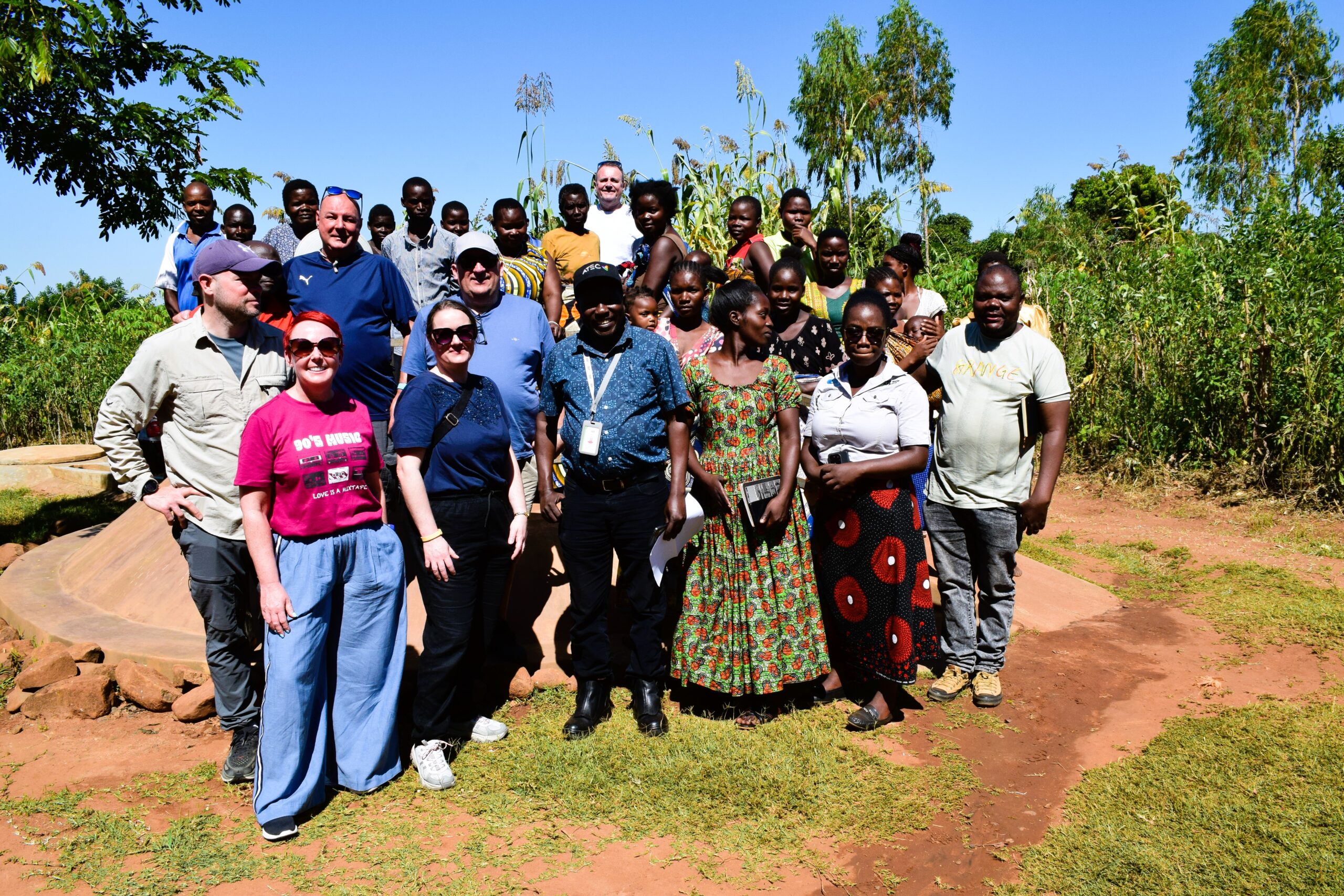
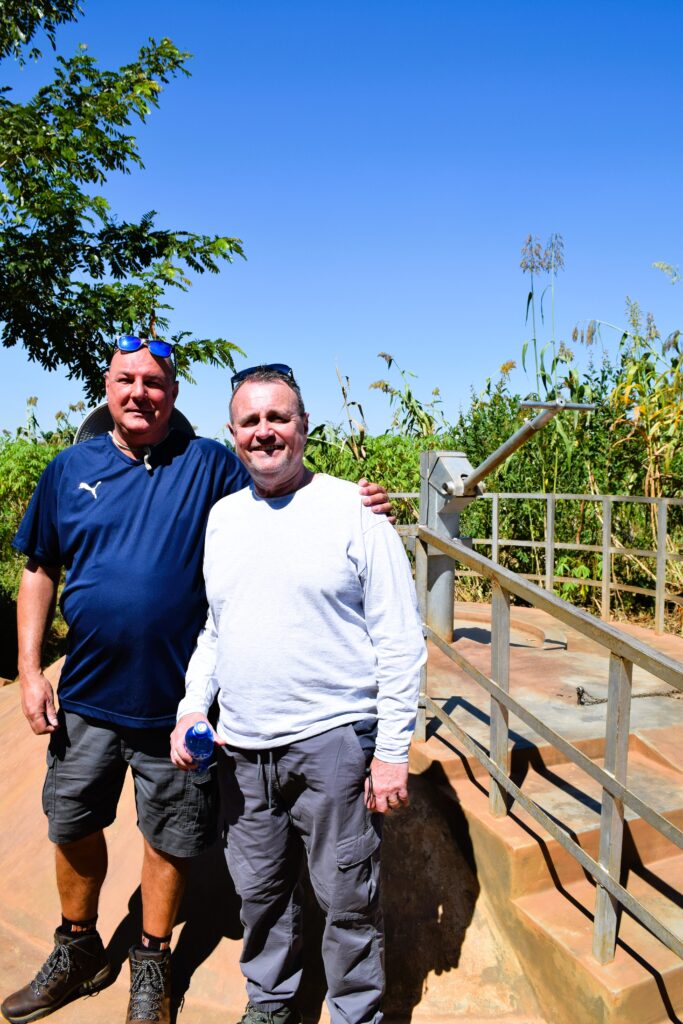
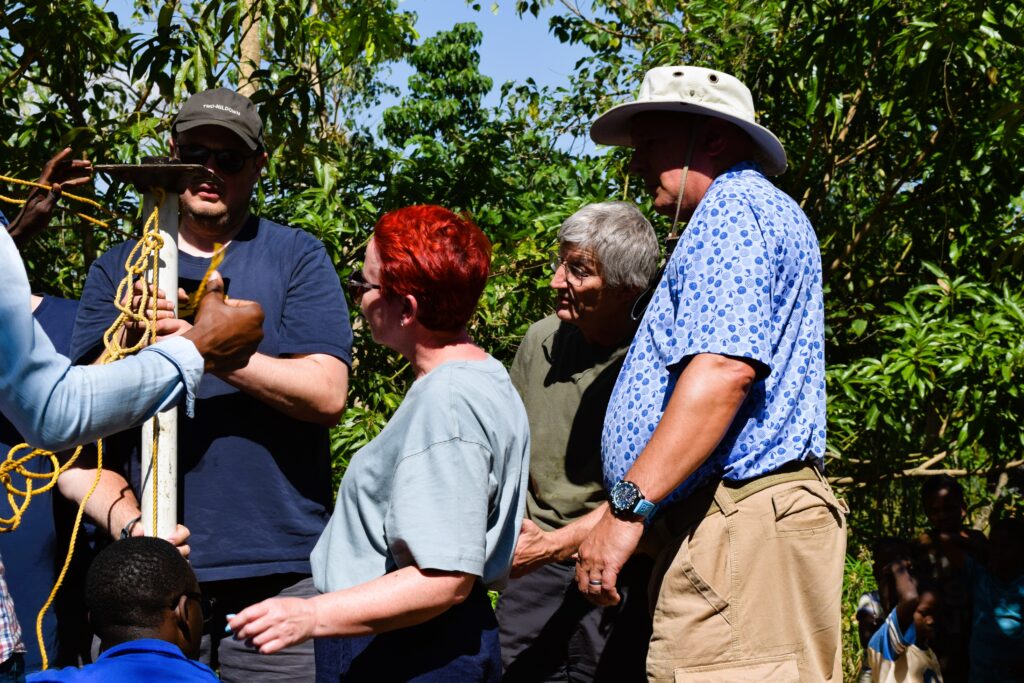
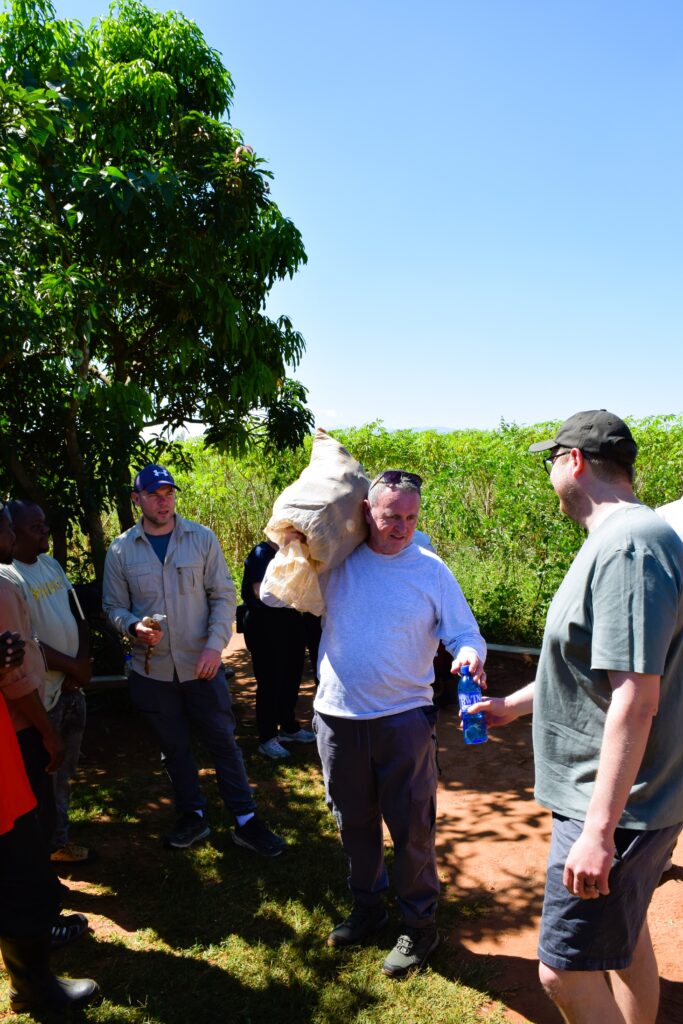
Last week, Angel Hill Food Co. Business Director Martyn Stockwin and Operations Director Robert Jessey travelled to Malawi with The One Foundation to see first-hand how water and sanitation programmes are helping strengthen communities across Thyolo and Chikwawa, towns in the southern region of Malawi. The visit formed part of Angel Hill Food Co.’s ambition to sell one million One Water bottles during 2026, helping fund sustainable clean water projects across Africa.

The week began in Blantyre, Malawi’s economic centre, before the team travelled into rural communities where access to safe water remains a daily challenge for many families. According to the World Health Organisation and UNICEF, nearly one in 10 people globally do not have clean water close to their home, affecting around 703 million people worldwide.

Supporting Resilient Water Infrastructure

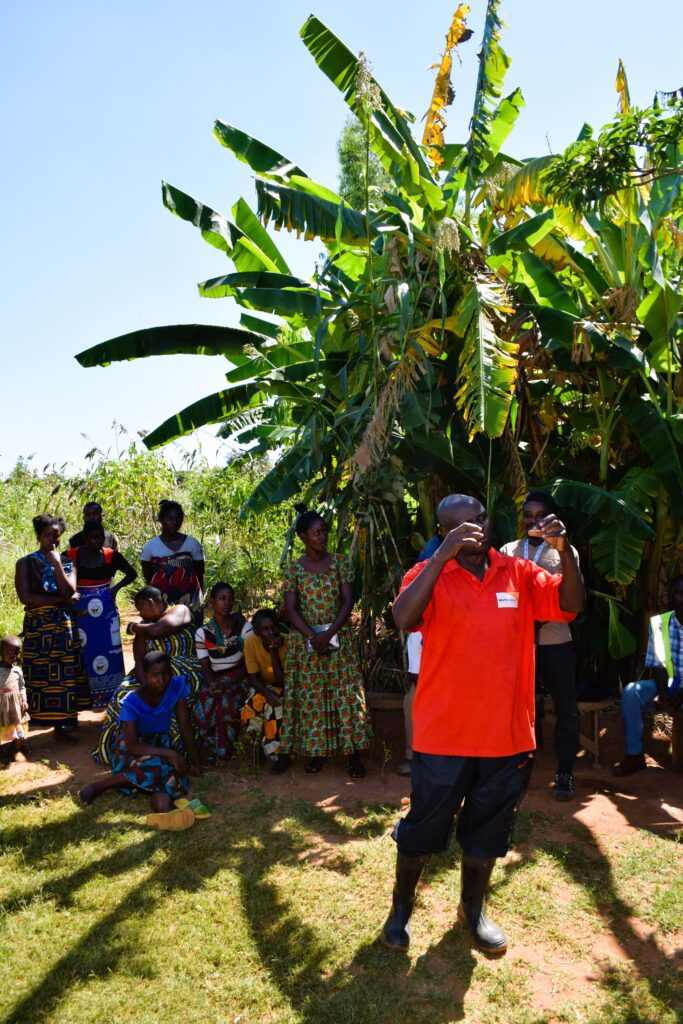
Throughout the visit, Martyn and Robert met local communities, water committees, trained pump mechanics, and programme teams working to strengthen long-term access to safe water.

While boreholes can transform access to clean water, maintaining reliable access remains a major challenge across rural Malawi. Flooding, climate pressures, overuse, and limited access to repairs can leave community water points out of action for extended periods, forcing families to return to unsafe water sources or travel long distances again to collect water.

In Thyolo District, the visit highlighted the growing impact climate change is having on water infrastructure across southern Malawi. Communities described how flooding and extreme weather continue to damage water sources and increase pressure on already limited resources.

The team visited rehabilitated boreholes designed to withstand flooding, observed pump maintenance and repair work, and learned how local spare parts networks and trained mechanics are helping communities reduce downtime when pumps fail. They also saw how water catchment protection and reforestation projects are helping protect vulnerable water systems from climate-related damage.

Recent studies have shown that only around half of community water points in Malawi are fully functional at any one time, highlighting the importance of long-term maintenance and locally-led support rather than short-term infrastructure alone.

Funds raised through One Water help support projects focused on sustainable water resilience, including borehole rehabilitation, sanitation programmes, local maintenance training, climate resilience initiatives, and environmental protection.

The scale of the challenge remains significant. More than 1,300 children under the age of five die every day because of diseases linked to unsafe drinking water, poor sanitation, and poor hygiene, according to the United Nations.

Walking Six Kilometres for Water

The team also joined the Walk for Water initiative, walking six kilometres alongside local communities to reflect the average daily reality many women and girls face when collecting water for their households. Containers carried during these journeys can weigh up to 20 kilograms when full.

For many families, these journeys are completed multiple times each day, often limiting time available for education, childcare, work, and household responsibilities.

Walking the route first-hand provided a deeper understanding of the physical and emotional impact unreliable water access can have on communities when local pumps fail or safe water sources are too far from home.

UNICEF reports that household taps and toilets can save women between two and three hours each day previously spent collecting water and washing clothes at rivers. That time can then support education, childcare, work, and household stability.

Local Knowledge and Long-Term Partnerships

During the visit to the Madzi Alipo pump repair programme in Chikwawa, Martyn and Robert spent time with local mechanics and programme teams learning how community-led maintenance networks are helping keep water systems operational long-term. The programme has repaired more than 3,000 community pumps to date, helping reduce breakdown times and improve reliable access to safe water across rural communities.

The visit also explored the close connection between water access, conservation, and reforestation. Tree planting, riverbank protection, and climate-smart agriculture are helping strengthen environmental resilience while protecting the water systems communities depend on every day.

Seeing the impact of these projects first-hand completely changes your understanding of what access to clean water really means. Communities showed us how reliable water sources, better farming methods, and practical local solutions are improving health, education, and daily life across Malawi. What stayed with me most was the resilience and positivity of the people we met, despite the challenges they face every day.

-Martyn Stockwin, Business Director

The visit to Malawi was incredibly powerful and gave me a much deeper understanding of the challenges many communities face every day accessing clean water and sanitation. It’s changed the way I think about simple things we often take for granted, and reinforced how important it is that we use our role and scale as a business to help drive meaningful, lasting impact.

-Robert Jessey, Operations Director

Turning Scale into Measurable Impact

The visit reinforced the importance of programmes designed for long-term sustainability, combining infrastructure investment with local training, knowledge, maintenance, and environmental protection.

Since 2006, The One Foundation and its partners have helped change the lives of more than five million people through water, sanitation, and hygiene programmes across Africa.

With Angel Hill Food Co. targeting the sale of one million One Water bottles during 2026, the partnership continues to focus on creating measurable, lasting impact for communities most affected by water insecurity.

Supporting Local Culinary Talent from Classroom to Kitchen

Angel Hill Food Co. has always had a strong connection to Suffolk. Just a stone’s throw from Angel Hill, where the business was founded, West Suffolk College continues to play an important role in developing the next generation of culinary talent.

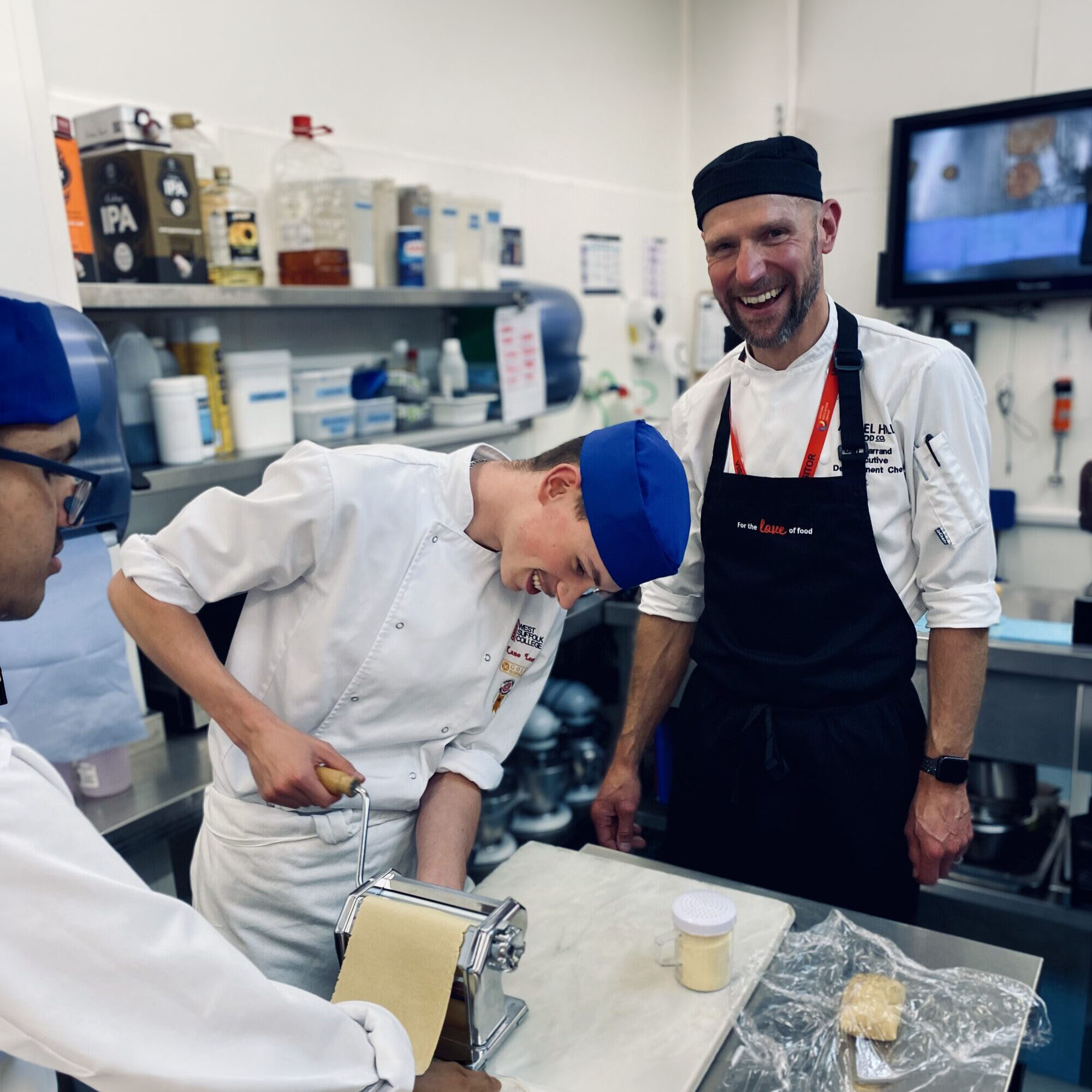
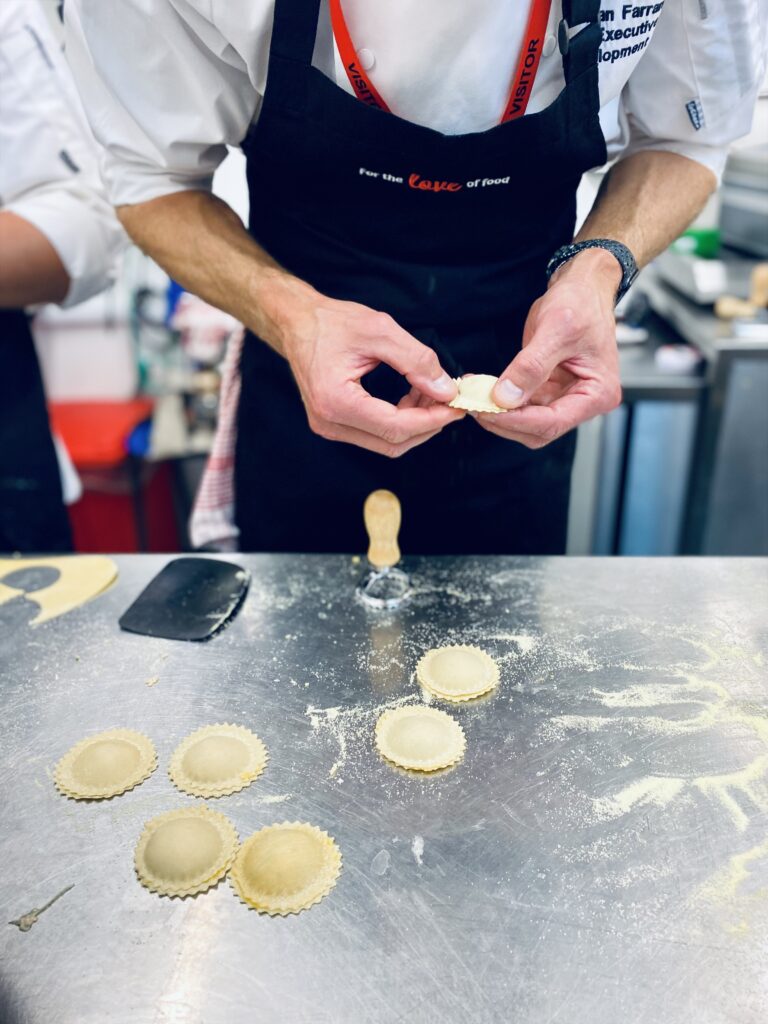
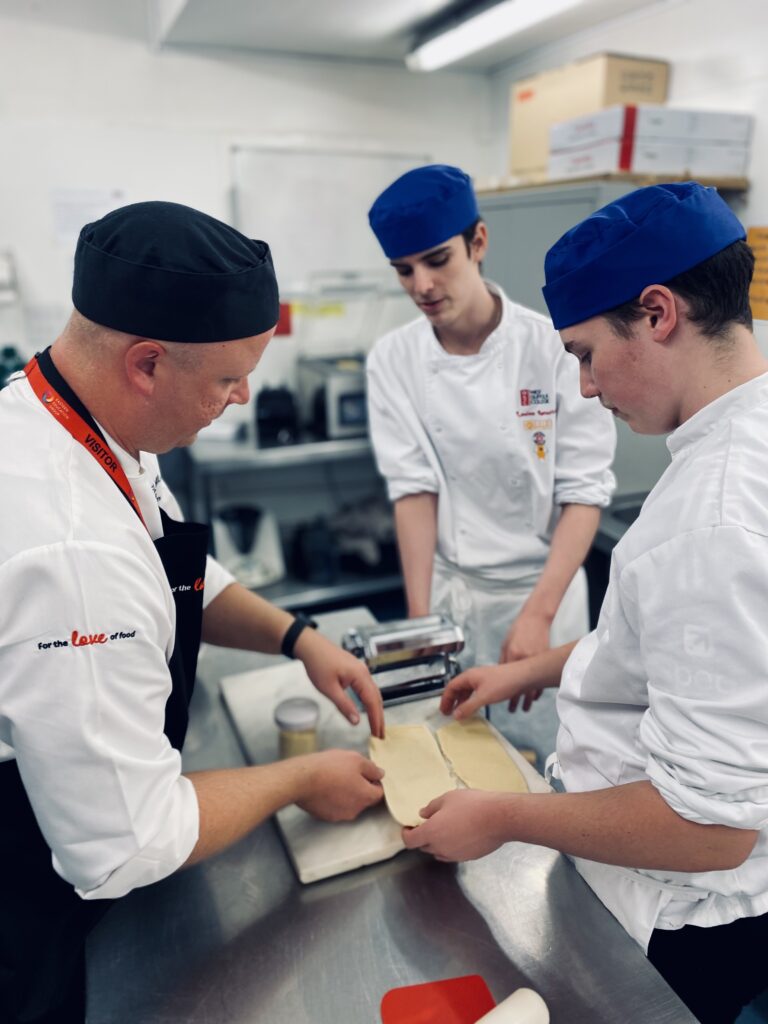
That connection came to life recently as two of Angel Hill Food Co.’s Executive Development Chefs, Matthew Vernon and Dan Farrand, visited the college to deliver a hands-on pasta workshop for culinary students preparing to take their next step from education into industry.

Both Matthew and Dan started their own careers at college, giving them a first-hand understanding of what that transition can feel like. Through the workshop, they were able to share not only technical skills, but also practical insight, encouragement and tangible experience from their own journeys into professional kitchens.

The session gave students experience in the techniques, pace and precision of working kitchens, while helping them build confidence as they begin to think about future careers in food.

Bringing Industry Experience into The Classroom

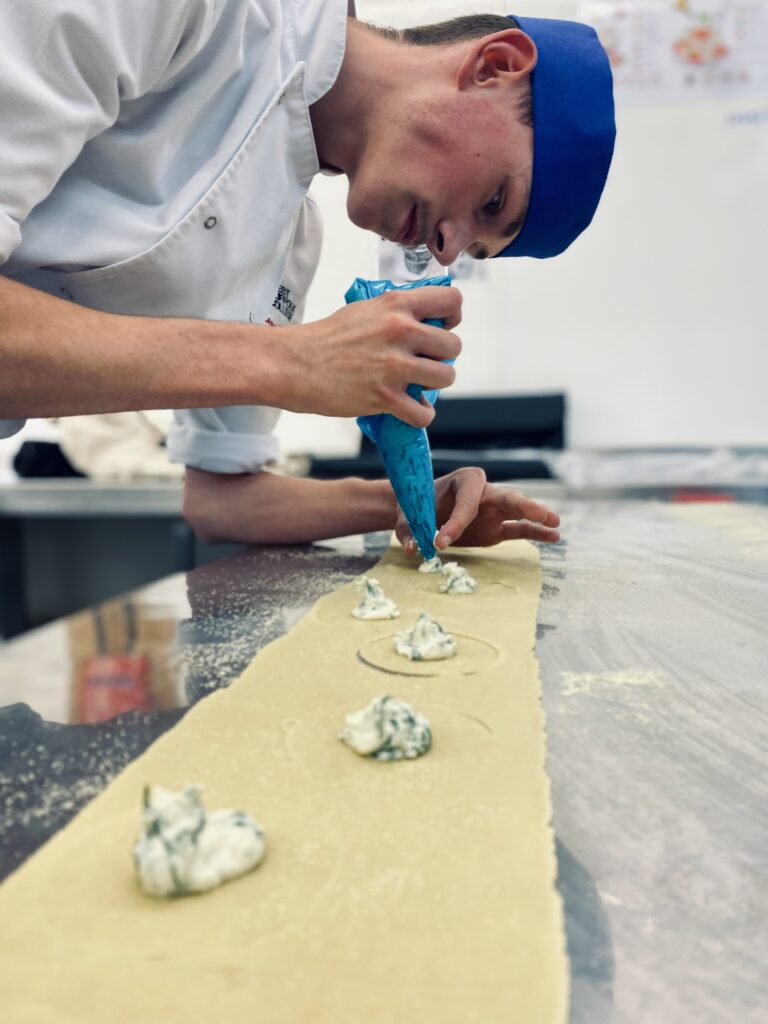
During the workshop, students were guided through the process of making fresh egg pasta from scratch, developing fillings, preparing sauces and bringing finished dishes together with care and creativity.

The recipes included:

  • Mushroom tortellini with carbonara sauce
  • Salmon and tarragon ravioli with white wine sauce
  • Butternut squash and ricotta ravioli with sage beurre noisette
  • Fresh pasta dough, pesto, pangretata and supporting preparation techniques

Each dish gave students the opportunity to develop core culinary skills, from dough making and rolling to filling, shaping, cooking and finishing fresh pasta.

The workshop offered more than a technical cookery session. It created a direct link between the classroom and the working kitchen, helping them understand how the skills they are learning can translate into real careers across the food industry.

From College Foundations to Culinary Careers

Engaging with West Suffolk College reflects a wider commitment to supporting local communities and developing talent at the start of the career journey.

Because Matthew and Dan both began their careers through college, they understand the questions many students face at this stage: what professional kitchens are really like, how to build confidence, how to keep learning, and how to turn classroom skills into career opportunities.

Matthew Vernon, Executive Development Chef at Angel Hill Food Co., said:

Starting out at college gave me the foundation for my career, so being able to return to that environment and support students at the same stage is really meaningful. You remember what it feels like to be learning the basics, asking questions and trying to picture where it could all lead. Workshops like this help students build confidence and see how their skills can develop in a working kitchen. For us, being active in our local community means helping create those moments of connection for the next generation.

Dan Farrand, Executive Development Chef at Angel Hill Food Co., added:

There is real talent coming through local colleges, and sometimes what students need most is a clearer view of what the industry can offer. When chefs share practical knowledge and honest experience, it helps make that next step feel more achievable. Supporting local talent is good for young people, good for communities and important for the future of food.

A Local Connection with Lasting Impact

West Suffolk College sits at the heart of a local area known for food, culture and innovation. For Angel Hill Food Co., returning to that community to support emerging chefs brings the company’s heritage and future together.

That connection between past and future is central to how Angel Hill Food Co. continues to grow. As Henry Watts reflects in his article on reconnecting with our heritage and future, understanding where we have come from helps shape the food experiences, partnerships and opportunities we create next.

The workshop showed how food businesses can play an active role beyond their own kitchens – sharing knowledge, creating opportunity and helping young people see a future for themselves in the industry.

By supporting students at the beginning of their culinary journey, Angel Hill Food Co. is helping develop the confidence, skills and ambition needed to strengthen the next generation of chefs.

Because the future of food is shaped by the people we support today.

Extending Our Partnership with Love British Food for 2025

Angel Hill Food Co. is delighted to announce the renewal of our official partnership with Love British Food for 2025. This ongoing collaboration highlights our dedication to promoting British-grown produce. We are supporting local farming communities, and serving fresh, seasonal menus that celebrate the very best of UK agriculture.

Championing Local Farmers and Sustainable Communities

At Angel Hill Food Co., we believe exceptional meals begin with premium British ingredients sourced from trusted farmers and suppliers nationwide. Supporting British produce not only boosts local employment but also reduces environmental impact and strengthens resilient food systems across the UK.

Our commitment means backing the hardworking farmers who cultivate the fresh, seasonal ingredients featured in our dishes, reflecting the true taste of British soil and community.

Seasonal Ingredients from Farm to Fork

Working hand-in-hand with Love British Food, we showcase the changing seasons through our menus from tender spring asparagus to hearty autumn root vegetables. Our meals focus on flavour, nutrition, and sustainability by cutting food miles and prioritising responsible sourcing.

By embracing local, seasonal produce, Angel Hill Food Co. is proud to reduce our carbon footprint and encourage eco-friendly farming practices in every kitchen we serve.

Celebrating British Food Fortnight 2025

We’re thrilled to confirm our participation in British Food Fortnight 2025, the UK’s premier celebration of British food and farming. This event unites communities nationwide to celebrate local produce and highlight the benefits of eating British.

Building on our successful 2024 activities including educational menus and events in schools — we look forward to expanding our efforts with new creative initiatives and seasonal dishes that spotlight British culinary heritage.

Strengthening Our Shared Vision

Partnering with Love British Food reinforces Angel Hill Food Co.’s passion for delivering fresh, responsibly sourced British food. This collaboration fuels our commitment to quality, sustainability, and supporting local farmers and producers throughout 2025 and beyond.

Great Coffee, Greater Impact: How Angel Hill Food Co. Turns Everyday Choices into Positive Change

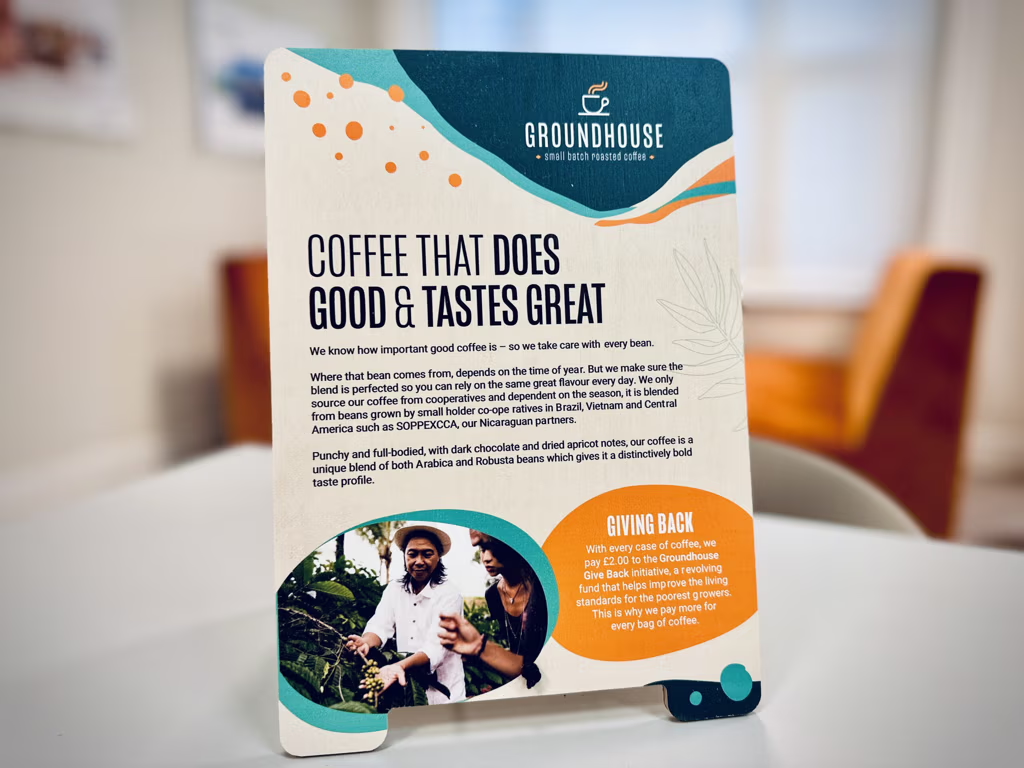
Great food and drink have always been about more than taste alone. They’re about people, purpose and the impact small, everyday choices can have when they’re made with care. That belief is perfectly reflected in the success of Groundhouse Coffee – a coffee brand that proves doing good can start with something as simple as the morning cup.

Over the past year, Groundhouse Coffee has helped raise more than £10,000 for charitable causes, demonstrating how Angel Hill Food Co. continues to weave social value into the fabric of its food and beverage offer. It’s a powerful reminder that when food is thoughtfully sourced and purposefully served, it can create meaningful change far beyond the counter.

Coffee with a conscience

Groundhouse Coffee was developed as part of Angel Hill Food Co.’s commitment to offering products that align with modern expectations — quality, sustainability and responsibility working hand in hand. From ethically sourced beans to a supply chain designed with transparency in mind, Groundhouse represents a conscious approach to coffee that doesn’t compromise on flavour or experience.

Every cup served across Angel Hill Food Co. sites contributes to wider charitable efforts, turning daily rituals into opportunities for positive impact. Rather than relying on one-off fundraising initiatives, the Groundhouse model embeds giving directly into everyday consumption – ensuring that impact is continuous, not occasional.

As Henry Watts, Managing Director at Angel Hill Food Co., explains:

Groundhouse Coffee shows how everyday choices can make a real difference. By building purpose into a product people enjoy daily, we’re able to create meaningful social impact without asking customers to change their behaviour — just enjoy great coffee.

That philosophy sits at the heart of the Groundhouse approach: doing good shouldn’t feel complicated, forced or separate from the food experience.

Small moments, collective impact

The £10,000 raised through Groundhouse Coffee didn’t come from a single campaign or event. It came from thousands of individual decisions – people choosing a coffee during a break, between meetings or at the start of their day. Collectively, those moments added up to something far more powerful.

For Angel Hill Food Co., that collective impact is central to the brand’s philosophy. Food and drink are touchpoints that connect people throughout the day, and when those touchpoints are designed with purpose, they become vehicles for change.

By embedding charitable giving into a core product, Angel Hill Food Co. ensures that doing good is effortless for customers. There’s no additional action required – just a great cup of coffee that happens to give back.

Supporting communities through food

Social value is not an add-on for Angel Hill Food Co.; it’s an integral part of how the business operates. Groundhouse Coffee sits alongside wider initiatives focused on sustainability, nutrition and community support, reinforcing a holistic approach to responsible catering.

The funds raised through Groundhouse have supported causes aligned with Angel Hill Food Co.’s values, helping communities and individuals in meaningful ways. While the coffee itself is the visible product, the real impact is felt in the lives supported behind the scenes.

This aligns closely with the wider mission of Angel Hill Food Co. – to deliver food that not only tastes good, but does good too. Whether through reducing environmental impact, supporting local suppliers or embedding charitable contributions into everyday menus, the focus remains on long-term, meaningful outcomes.

Purpose built into the plate – and the cup

What makes Groundhouse Coffee particularly powerful is its simplicity. There’s no grand gesture or complicated mechanism. Instead, it reflects a belief that purpose works best when it’s seamlessly integrated into everyday life.

For Angel Hill Food Co., this is the future of workplace catering – where quality, convenience and conscience coexist naturally. Customers don’t have to choose between enjoying great food and supporting positive change; they can do both, effortlessly.

As Groundhouse Coffee continues to grow across Angel Hill Food Co. locations, its impact will grow with it – one cup at a time. And while £10,000 is a significant milestone, it’s also just the beginning.

Because at Angel Hill Food Co., every choice matters – and even the smallest moments can help create a better, more sustainable future.