How Technology is Changing Education Catering

Education catering has always had to work within tight timeframes. In a single lunch period, a team may need to serve hundreds, or even thousands, of students, while balancing food quality, nutrition, cost, demand and the individual needs of each site.

Technology is changing how those challenges are managed. From facial recognition tills, cashless payments to data that shows what students are choosing; giving catering teams a clearer view of their operations and more ways to respond to the people they serve.

For Rob Cass, operations manager, the opportunity is not technology for its own sake. It is about using the right tools to make catering more efficient, more responsive and more focused on the student, enabling our teams to enhance their experience.

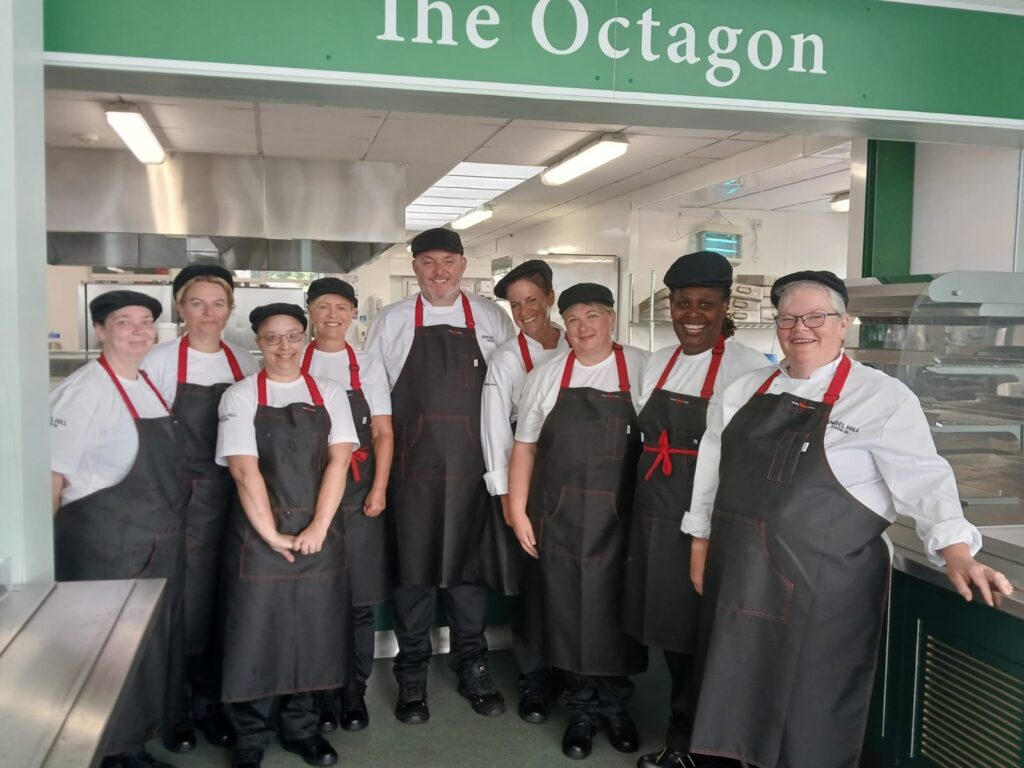
Fairfax Multi Academy Trust shows what that looks like in practice. Fairfax is a large secondary school with approximately 1,600 students, and the catering team serves over 1,000 meals daily in a high-volume, fast-paced environment. Within a wider redesign of the service, the team lifted main meal uptake by 32% and Free School Meal uptake by 18%. Technology was part of how they made that happen.

Faster Service Points Give Students More of Their Lunch Break

At Fairfax, the Cunninghams facial recognition till system streamlines the payment process. Students move through the service point quickly. There is no need to carry cash or cards, remember PINs or account details. Queues shorten, which gives students more time to enjoy their lunch and their break with friends.

The catering team gains too. Faster transactions ease pressure during the busiest part of the day, and real-time information gives the team a live view of how the service is performing.

Making Cashless Catering More Inclusive

As education environments become increasingly cashless, technology removes some of the barriers associated with traditional payment methods. A student completes a transaction in seconds, without cash or account details to manage. For younger students, and for those who find handling money or account information difficult, that makes the whole experience more accessible.

It also matters for inclusion. Free school meal transactions look identical to every other transaction at the till, so there is no visible difference between a student paying and a student on free school meals. That removes a source of stigma. It is a small change with a real effect, and at Fairfax free school meal uptake rose by 18% as part of a service built around exactly this kind of inclusion.

For schools and catering teams, transactions are linked to student accounts and wider cashless payment systems, supporting accurate processing while reducing some of the administration associated with traditional payment methods.

Purchasing Data Helps Teams Build Menus Students Actually Want

The value of technology extends beyond the till. Information from cashless catering gives teams a clearer picture of what students are choosing. Understanding popular menu items, purchasing patterns and changes in demand can inform decisions around menu planning, stock levels and food production.

This turns guesswork into evidence. Rather than relying on assumptions about what students want, teams use real purchasing information to understand what is working and where changes may be needed.

Better demand information carries a further benefit. When teams forecast more accurately, they order and produce closer to real need, which reduces overproduction and food waste. Digital payment and reporting also cut reliance on paper-based administration, so the team spends less time on manual processes. Resources go where they matter most.

Ultimately, technology should enable catering teams to spend less time on administration and manual processes, and more time focusing on what matters most: delivering great food, excellent service and a positive experience for every student.

Robert Cass,  Operations Manager

Choice, Nutrition and Cost can be Balanced at the Same Time

Education catering has to achieve several things at once. Students need food they want to eat. Schools need menus that meet nutritional requirements. Catering teams need to operate within budgets and manage resources responsibly.

Technology helps bring those considerations together. By combining purchasing behaviour with nutritional objectives, teams can understand how menu changes affect uptake and identify opportunities to encourage healthier choices without narrowing what is on offer.

The important point is that every education site is different. A primary school will have different needs from a secondary school or college. Student demographics, service styles, preferences and operational priorities all influence what works.

Every Site is Different, so the Technology has to Flex

No two education sites are the same. A primary school has different needs from a secondary school or a college. Student demographics, service styles, preferences and operational priorities all shape what works, so a single fixed model rarely fits.

The Cunninghams system lets schools use different features, payment methods and reporting tools according to their own requirements. That flexibility gives teams technology that supports the way a site actually runs, alongside the information they need to make informed decisions.

Technology Should Give Teams More Time to Focus on People

The next stage of education catering will continue to bring together technology, data and the expertise of catering teams. But the purpose should remain clear; technology should take unnecessary administration out of the operation and give catering teams more time to focus on food, service and the students they support.

For Rob, that is the real measure of successful technology in education catering.

That is what smarter catering should deliver: not simply faster transactions, but a more responsive service that can adapt to the needs of every education community.

#ForTheLoveOfLearning is about recognising that education catering is constantly evolving. Technology is one part of that change, helping our teams make better decisions, respond to individual sites and create experiences that work for the students they serve.
For The Love Of Learning: Delivering More Value To Every Plate

A school meal has to do more than fill a student up.

It needs to provide the right nutrition, work within a defined budget, offer food students actually want to eat and fit the way each education site operates. Behind every plate is a complex balance of nutritional standards, cost, choice, service, dietary requirements and student wellbeing.

For Angel Hill Food Co., delivering value in Education Catering means understanding that balance and adapting the service around it.

That starts with listening to each school and understanding what its students need.


Understanding What Every Education Site Needs

There is no single model for education catering.

A primary school has different nutritional and behavioural needs from a secondary school. A sixth form or college brings another set of expectations. Special educational needs can also require further consideration around menus, presentation, service and individual dietary requirements.

Our teams work with education sites to understand those differences and build catering around them.

Menu planning considers nutritional requirements alongside what students will actually choose. Cost remains a fundamental part of the equation, while variety, seasonality and the wider dining experience all have a role to play.

The aim is straightforward: provide food that supports students’ health and wellbeing while making every part of the catering operation work for the school.

Putting Nutrition into Everyday Choices

Meeting nutritional standards is essential, but good nutrition also needs to be accessible and appealing.

Our nutrition and culinary teams work together to develop menus that provide a balance of nutrients while introducing students to different ingredients and flavours. That can mean increasing fibre, developing smarter protein options and finding practical ways to bring more nutritious ingredients into familiar dishes.

The approach also changes depending on age.

Younger students may need simpler flavours, familiar dishes and opportunities to try new foods in an engaging way. Older students have different expectations and greater independence in their choices, so menus need to reflect that while continuing to support nutritional goals.

Nutrition education forms part of that wider approach. Through the Goodness concept, our nutritionists Amy Teichman and Hannah Parish ANutr work with schools to help students understand how food can support areas such as brain health, gut health, hormone health and overall wellbeing.

The objective is not simply to tell students what they should eat. It is to help them understand why food matters and give them the knowledge to make informed choices.

Making the Budget Work Harder

Value also has to make sense financially.

Education catering operates within clear cost parameters, meaning our teams have to understand where ingredients can deliver strong nutritional and customer value while remaining affordable.

Pasta Boss is one example of how a concept can be developed with that balance in mind. Pasta provides a practical base that can help keep the average cost per meal down, while each portion can still be developed to meet nutritional targets. Using different sauces, vegetables, proteins and toppings also creates variety without requiring an entirely new menu for every service.

It is a simple example of a wider principle: good value does not mean reducing choice or compromising on quality. It means making considered decisions about ingredients, recipes and portioning so that the available budget delivers as much as possible.

Our teams also use purchasing and operational data to understand demand, helping them make better decisions about production and reduce unnecessary waste.

Variety Keeps Students Coming Back

A nutritious menu only delivers value if students want to eat it.

That is why variety and engagement sit alongside nutrition and cost.

Menu rotation gives students different choices across the term, while theme days create opportunities to introduce new dishes and make the dining experience more engaging. At Kings Norton Girls’ School, for example, a 12-month food plan introduced themed events including Build Your Own Burrito Day and the Academy Cookery Show. The approach helped increase student engagement and contributed to a 15% uplift in daily sales.

These ideas also give catering teams a way to listen to students and respond to what they enjoy.

That feedback matters. When students ask for something different, the best teams are able to adapt, test ideas and understand what works in their particular environment.

The People Behind the Plate Make the Difference

Nothing works without the colleagues delivering it.

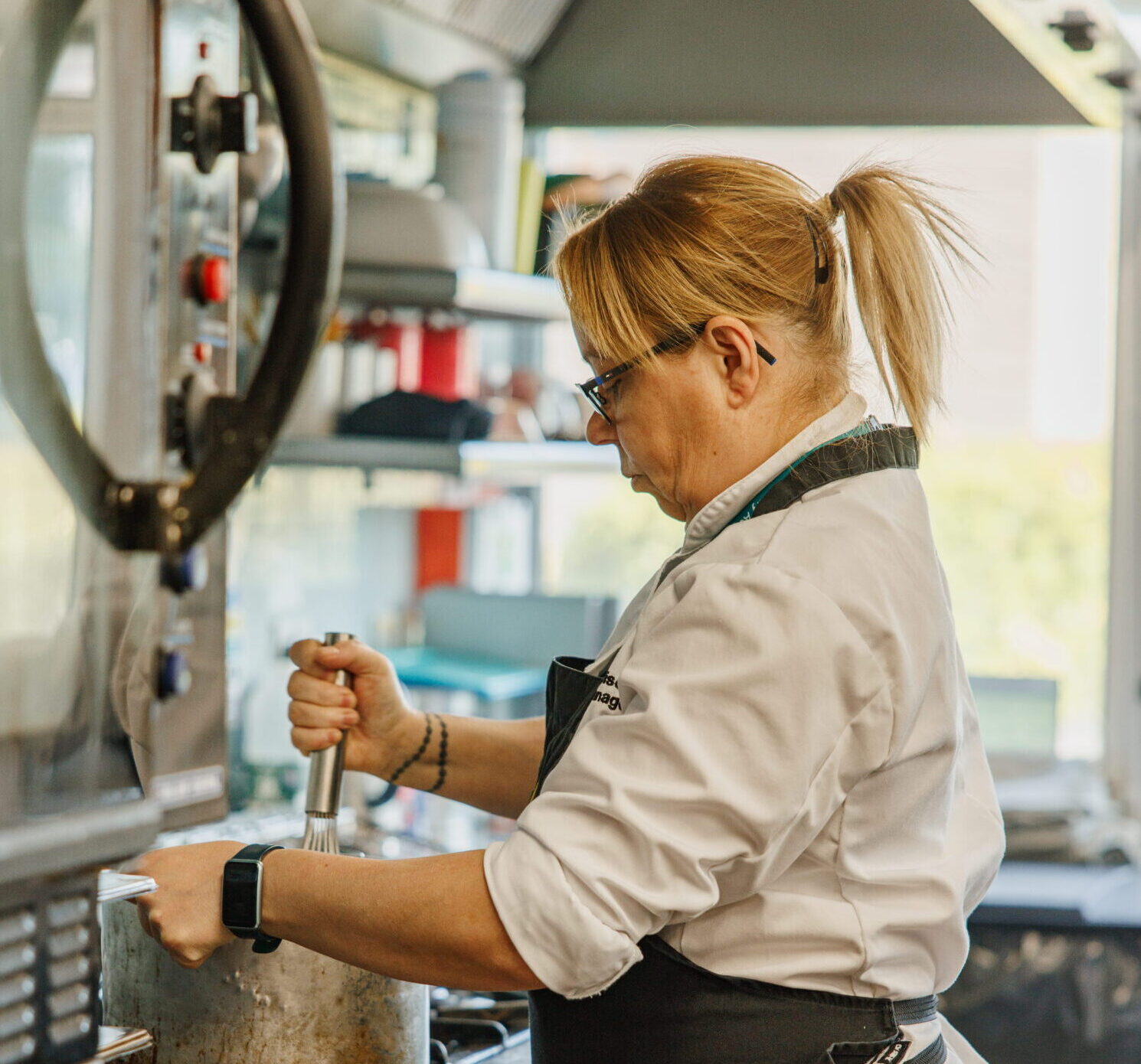
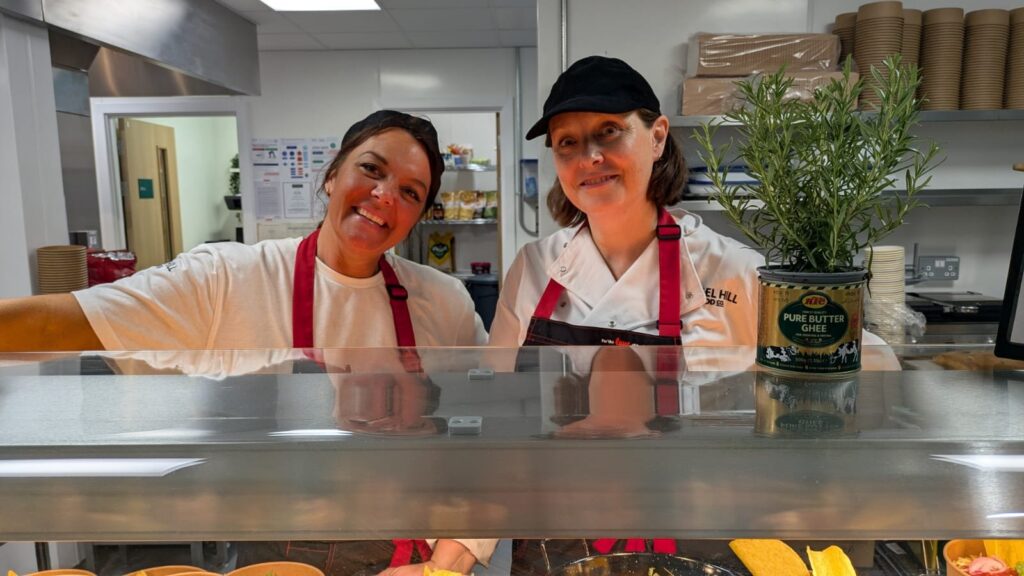
Chefs bring the food to life. Operations managers coordinate the service around the needs of each site. Development chefs adapt concepts and recipes. Nutritionists bring specialist knowledge. Education teams listen to customers and help connect all of those areas.

That collective expertise is what allows the service to flex.

It is also why development matters. Through Chef Development and partnerships with education providers such as West Suffolk College, our teams help develop the next generation of hospitality talent. Students have the opportunity to work alongside experienced chefs, build practical skills and understand what professional catering looks like.

The learning works both ways. Education sites give our teams a constant view of changing student expectations, while our development programmes help colleagues continue to build their own knowledge.

Value is About the Whole Experience

The value of an education meal cannot be measured by its price alone.

It is the nutritional value of the food. The cost of delivering it responsibly. The choice available to students. The ability to accommodate individual needs. The time students have to enjoy their lunch. The knowledge that sits behind the menu. The experience created by the colleagues serving it.

Most importantly, it is about supporting students to eat well, feel comfortable and enjoy their time at school, college or university.

That is why flexibility matters so much.

Every education site has its own community, culture and expectations. Our role is to understand those differences and bring together the people, knowledge and tools needed to deliver a catering service that works for each one.

For Angel Hill Food Co., that is what #ForTheLoveOfLearning means: continuing to learn from students, customers and colleagues, then using that learning to put more value on every plate.