Supporting Local Culinary Talent from Classroom to Kitchen

Angel Hill Food Co. has always had a strong connection to Suffolk. Just a stone’s throw from Angel Hill, where the business was founded, West Suffolk College continues to play an important role in developing the next generation of culinary talent.

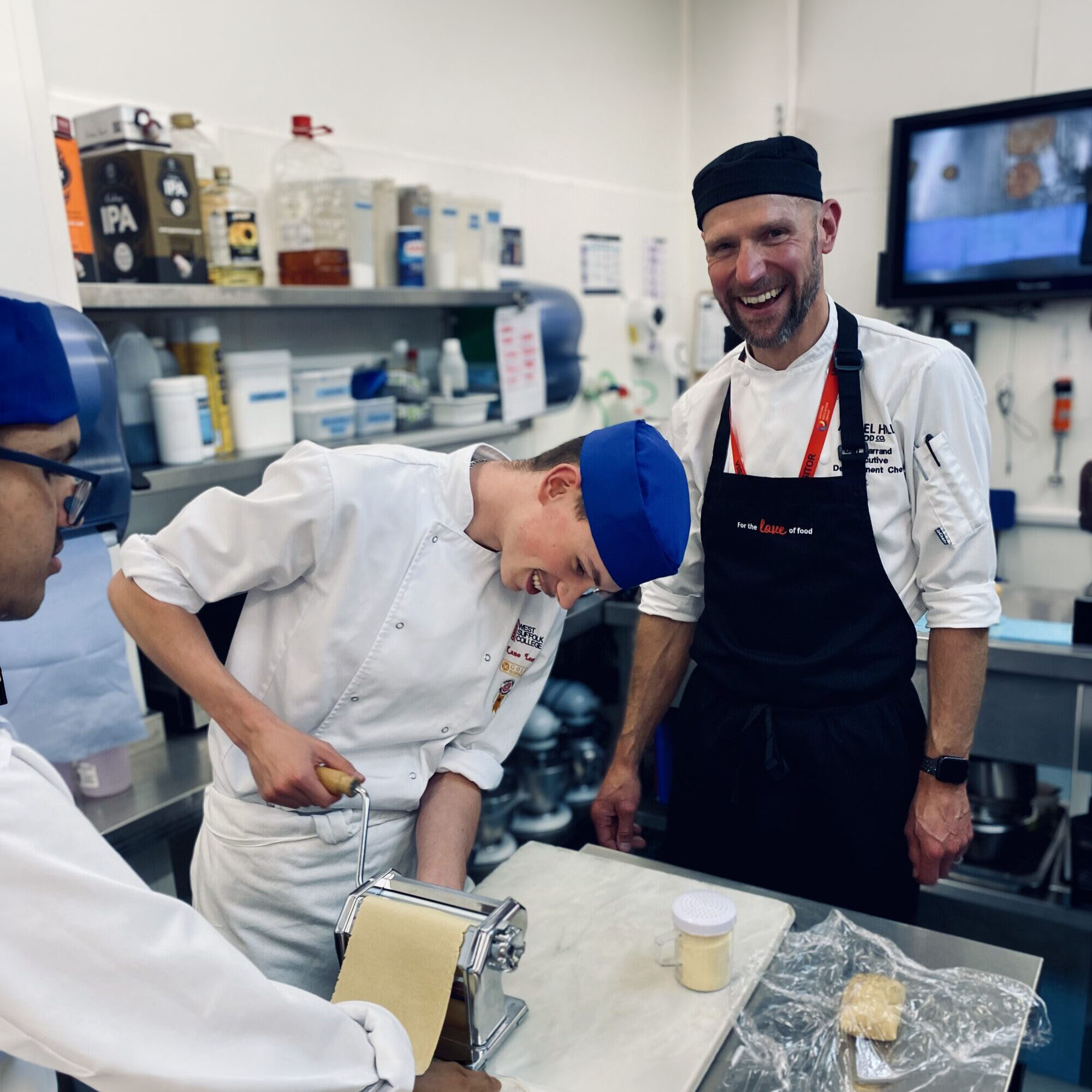
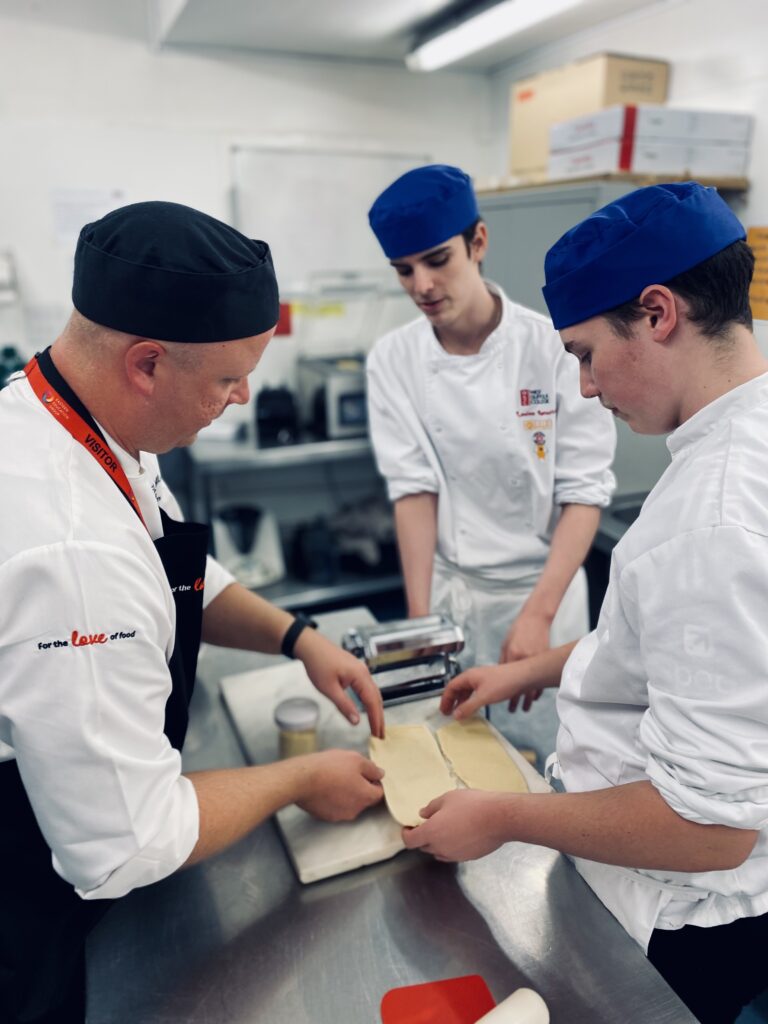
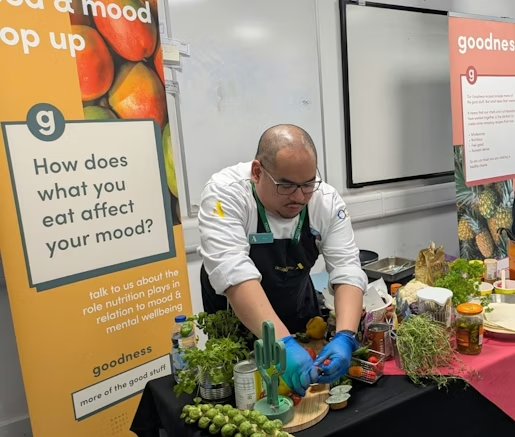
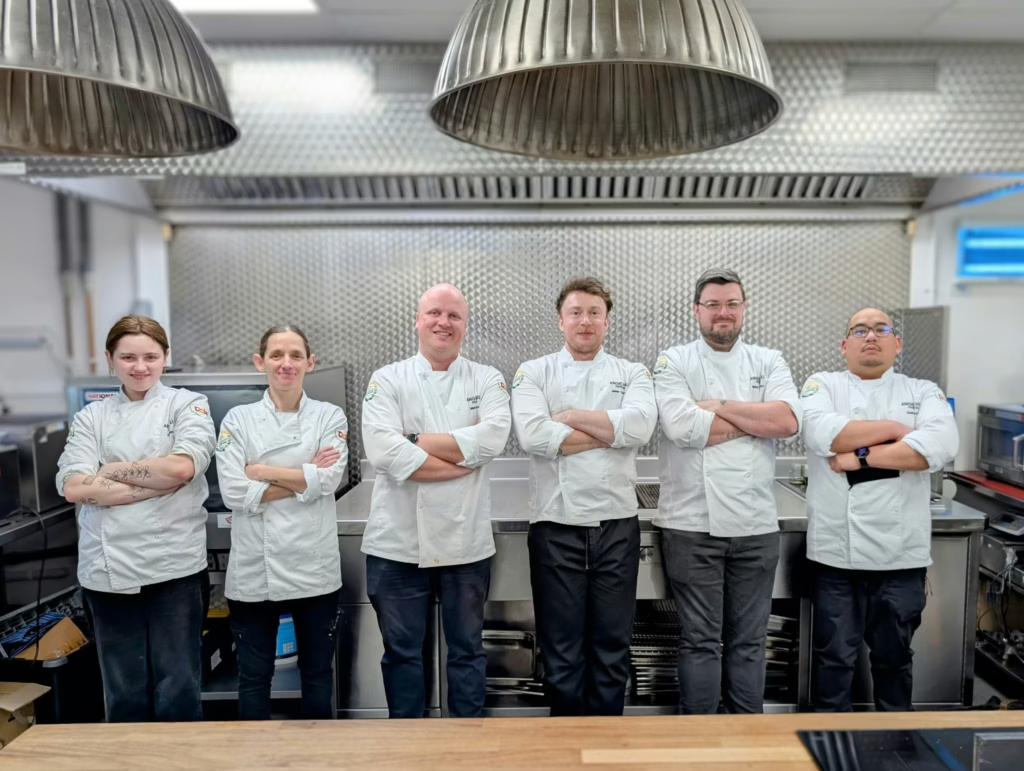
That connection came to life recently as two of Angel Hill Food Co.’s Executive Development Chefs, Matthew Vernon and Dan Farrand, visited the college to deliver a hands-on pasta workshop for culinary students preparing to take their next step from education into industry.

Both Matthew and Dan started their own careers at college, giving them a first-hand understanding of what that transition can feel like. Through the workshop, they were able to share not only technical skills, but also practical insight, encouragement and tangible experience from their own journeys into professional kitchens.

The session gave students experience in the techniques, pace and precision of working kitchens, while helping them build confidence as they begin to think about future careers in food.

Bringing Industry Experience into The Classroom

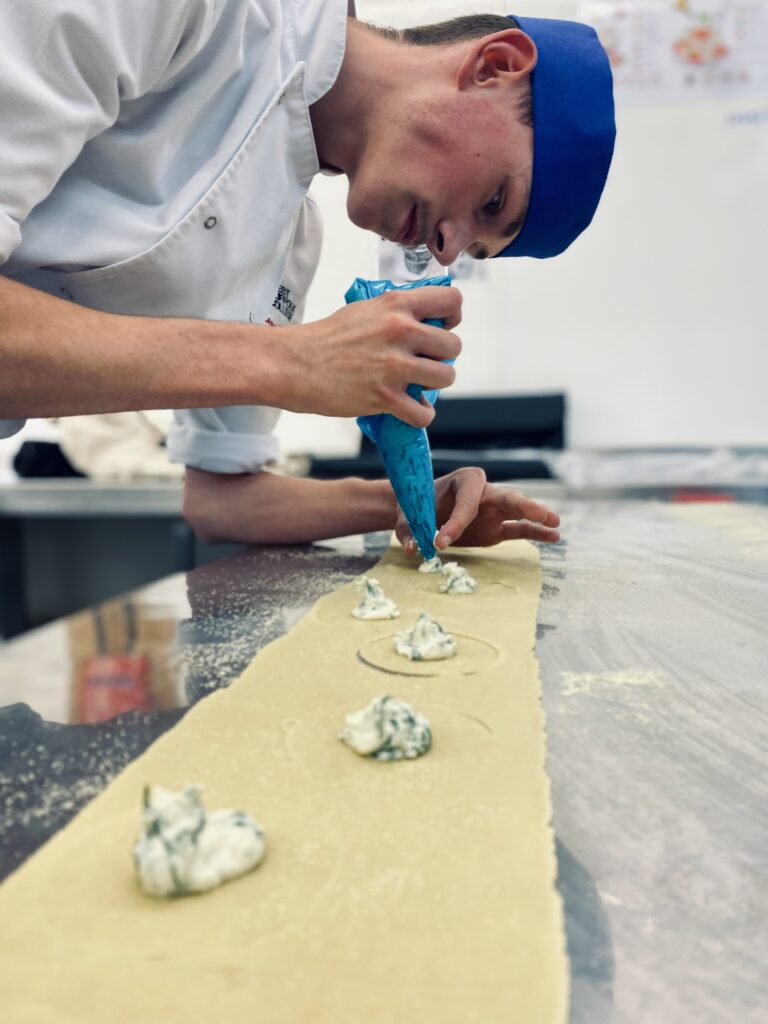
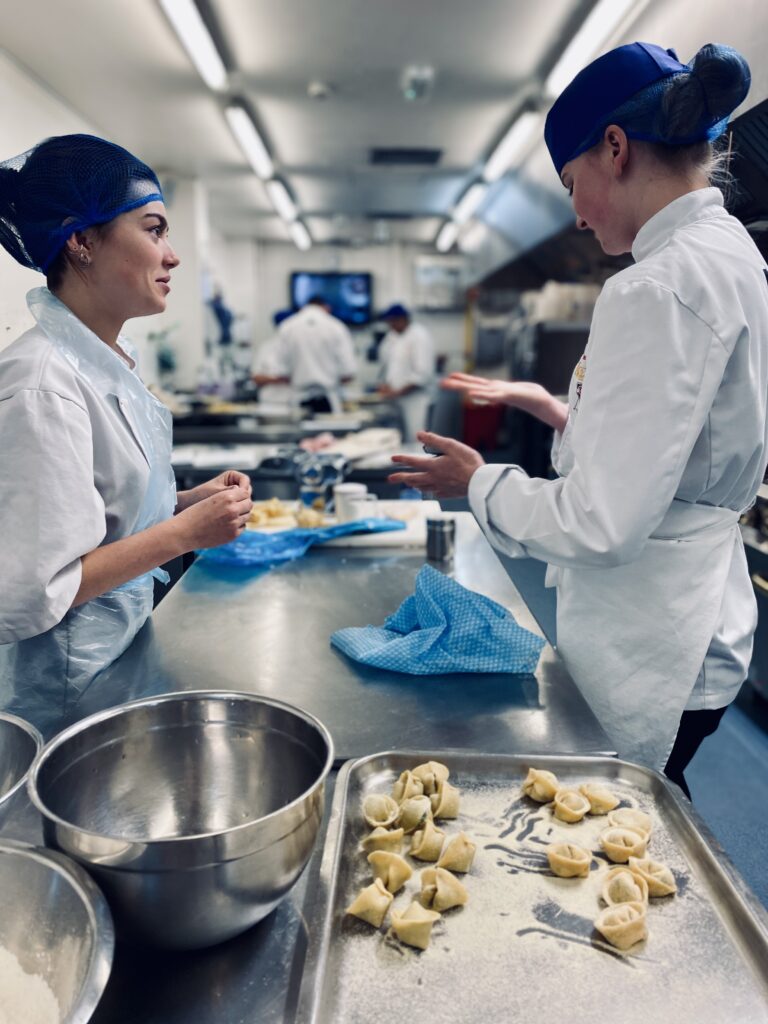
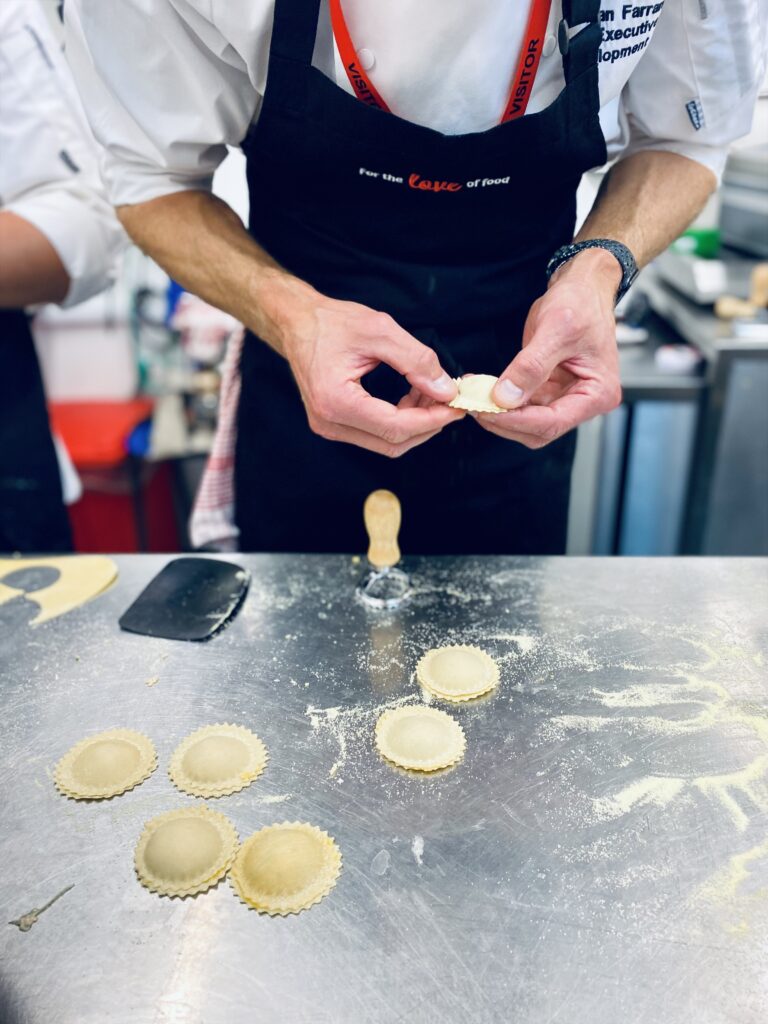
During the workshop, students were guided through the process of making fresh egg pasta from scratch, developing fillings, preparing sauces and bringing finished dishes together with care and creativity.

The recipes included:

  • Mushroom tortellini with carbonara sauce
  • Salmon and tarragon ravioli with white wine sauce
  • Butternut squash and ricotta ravioli with sage beurre noisette
  • Fresh pasta dough, pesto, pangretata and supporting preparation techniques

Each dish gave students the opportunity to develop core culinary skills, from dough making and rolling to filling, shaping, cooking and finishing fresh pasta.

The workshop offered more than a technical cookery session. It created a direct link between the classroom and the working kitchen, helping them understand how the skills they are learning can translate into real careers across the food industry.

From College Foundations to Culinary Careers

Engaging with West Suffolk College reflects a wider commitment to supporting local communities and developing talent at the start of the career journey.

Because Matthew and Dan both began their careers through college, they understand the questions many students face at this stage: what professional kitchens are really like, how to build confidence, how to keep learning, and how to turn classroom skills into career opportunities.

Matthew Vernon, Executive Development Chef at Angel Hill Food Co., said:

Starting out at college gave me the foundation for my career, so being able to return to that environment and support students at the same stage is really meaningful. You remember what it feels like to be learning the basics, asking questions and trying to picture where it could all lead. Workshops like this help students build confidence and see how their skills can develop in a working kitchen. For us, being active in our local community means helping create those moments of connection for the next generation.

Dan Farrand, Executive Development Chef at Angel Hill Food Co., added:

There is real talent coming through local colleges, and sometimes what students need most is a clearer view of what the industry can offer. When chefs share practical knowledge and honest experience, it helps make that next step feel more achievable. Supporting local talent is good for young people, good for communities and important for the future of food.

A Local Connection with Lasting Impact

West Suffolk College sits at the heart of a local area known for food, culture and innovation. For Angel Hill Food Co., returning to that community to support emerging chefs brings the company’s heritage and future together.

That connection between past and future is central to how Angel Hill Food Co. continues to grow. As Henry Watts reflects in his article on reconnecting with our heritage and future, understanding where we have come from helps shape the food experiences, partnerships and opportunities we create next.

The workshop showed how food businesses can play an active role beyond their own kitchens – sharing knowledge, creating opportunity and helping young people see a future for themselves in the industry.

By supporting students at the beginning of their culinary journey, Angel Hill Food Co. is helping develop the confidence, skills and ambition needed to strengthen the next generation of chefs.

Because the future of food is shaped by the people we support today.

From New starter to Competition Winner: Daisy Smith’s Story

Building a Career Through Craft and Consistency

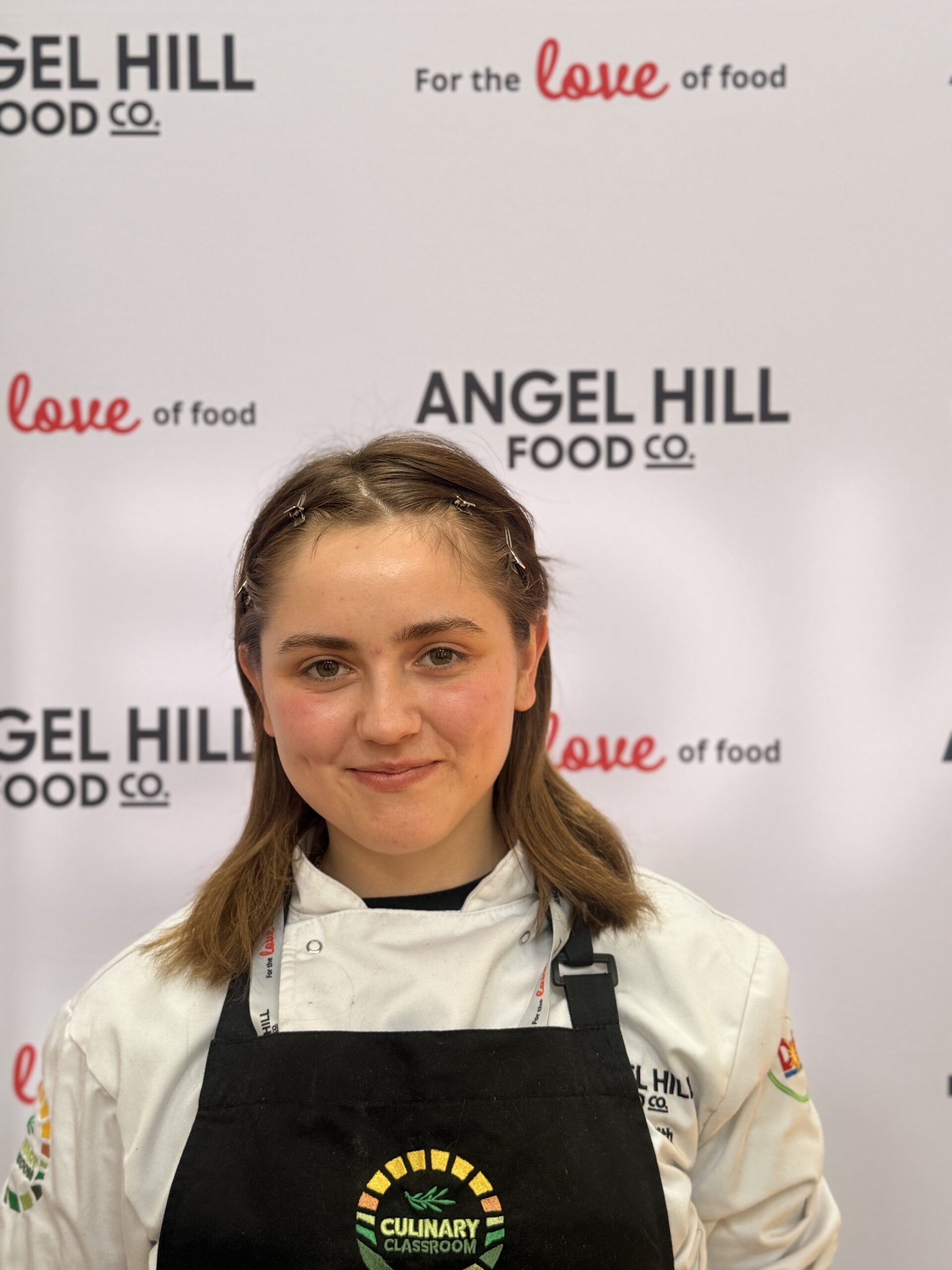
Daisy Smith works as a pastry chef with Angel Hill Food Co., preparing fresh bakery products and supporting menu development across her site. Her role combines precision, pace, and creativity, with a clear focus on delivering food that people value and enjoy.

She joined Angel Hill Food Co. three years ago after moving from a role in a nursery. The change brought new challenges, but it also created an opportunity to build a career around her passion for food.

I genuinely care about my role, and I want to do better every day. I love making things that I know people are going to enjoy.

Bringing Ideas to Life Through Angel Hill Live

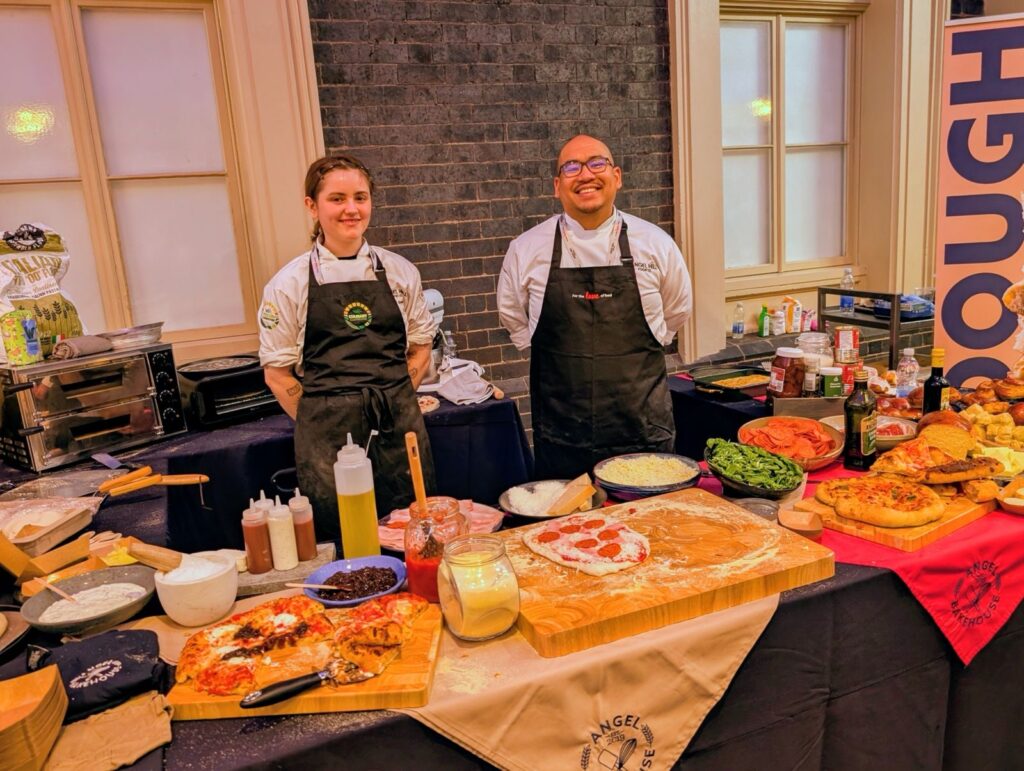
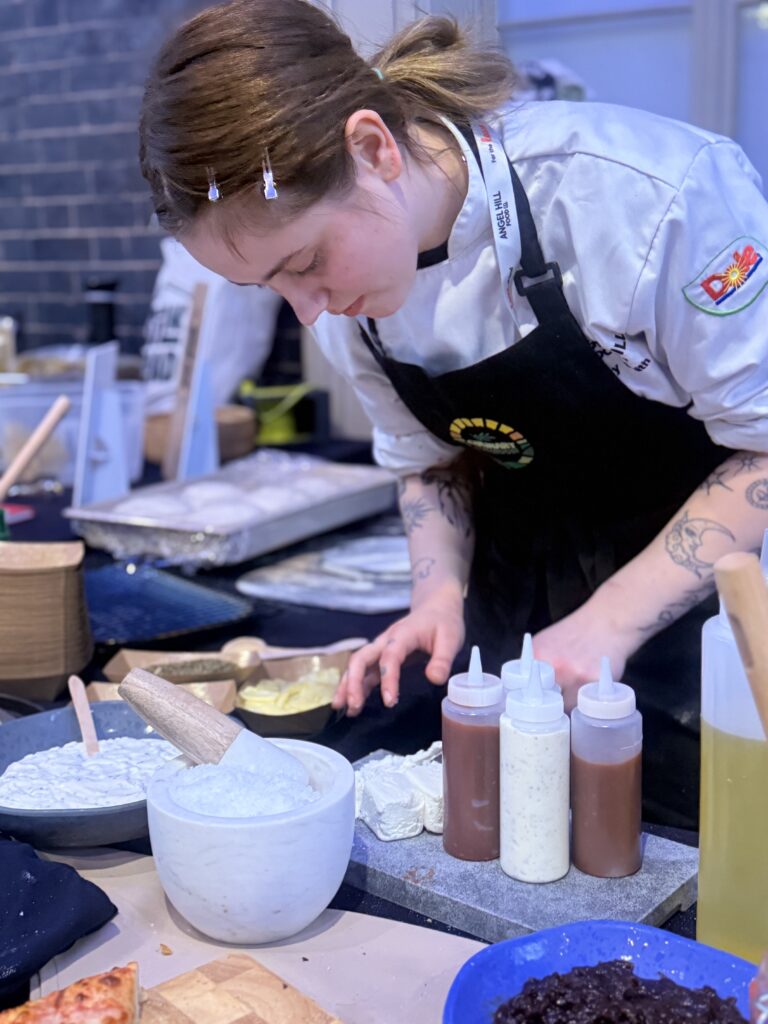
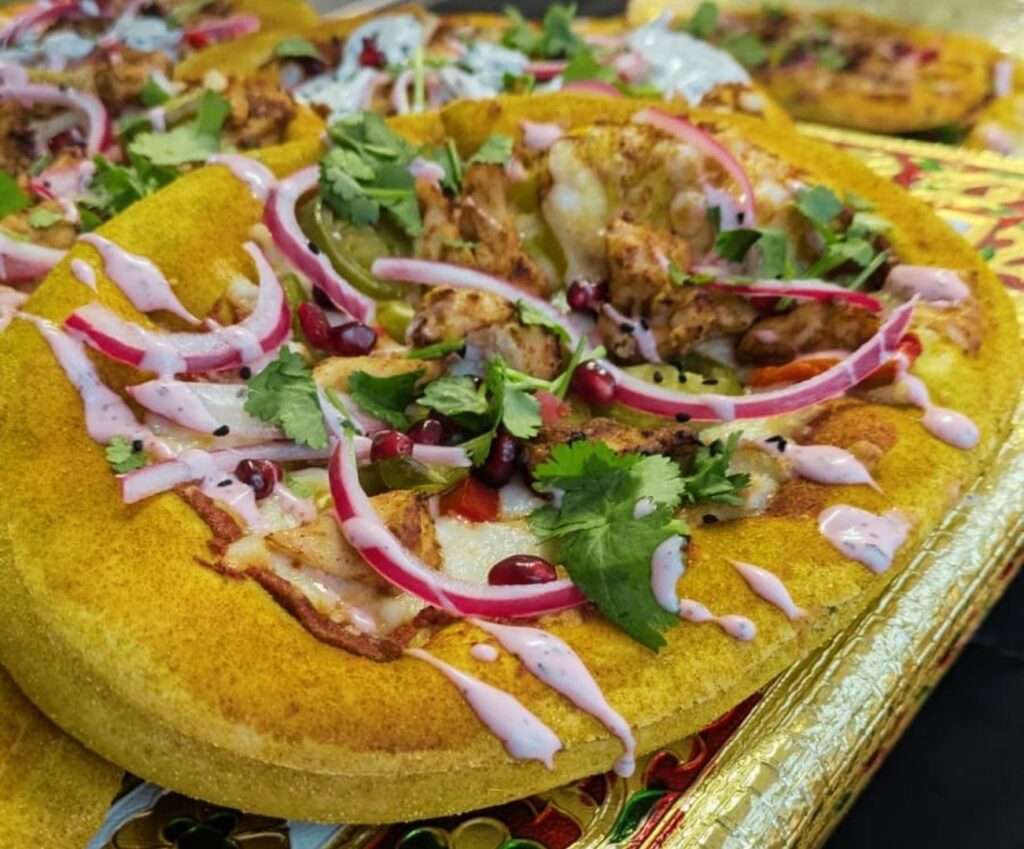
Daisy recently supported Angel Hill Live, working alongside colleagues to deliver a demonstration on new addition to the Angel Bakehouse recipe catalogue – ‘Dough’. The session focused on fresh dough products, including focaccia, bread rolls, and pizza, using recipes designed for practical use across different environments.

The recipes are simple to recreate, but they still deliver on taste. That makes a real difference, because sites can use them across sectors, whether that’s business and industry or education.

The demonstration brought culinary classroom development into a live setting, showing how fresh products can be delivered efficiently while maintaining quality and consistency.

Bringing colleagues together in one space also strengthened collaboration.

“Having everyone together made a big difference,” she says. “You could see how passionate people were, and it created a really positive atmosphere.”

A Team Built on Support and Shared Growth

Daisy works within a predominantly female team, where collaboration and shared development are part of daily working life.

“We all want the best for each other,” she explains. “Everyone has different strengths, and we make sure people have the chance to show what they can do.”

This environment supports both individual progress and team performance, helping colleagues build confidence and develop their skills over time.

Recognition Through the Best Homebakes Competition

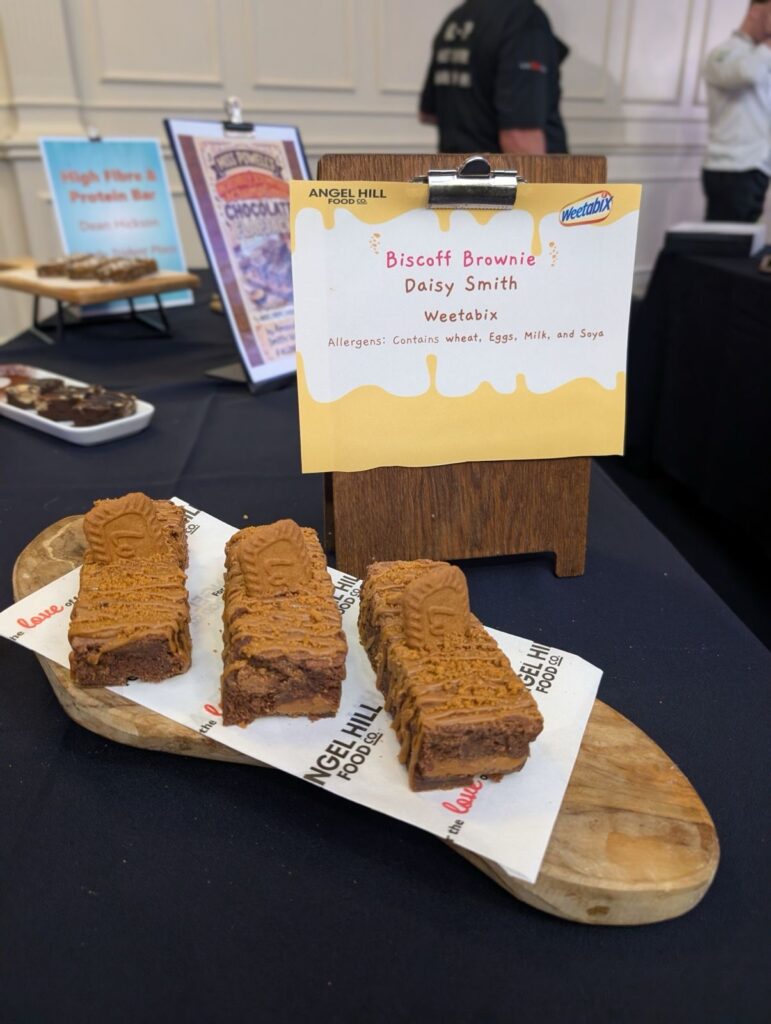
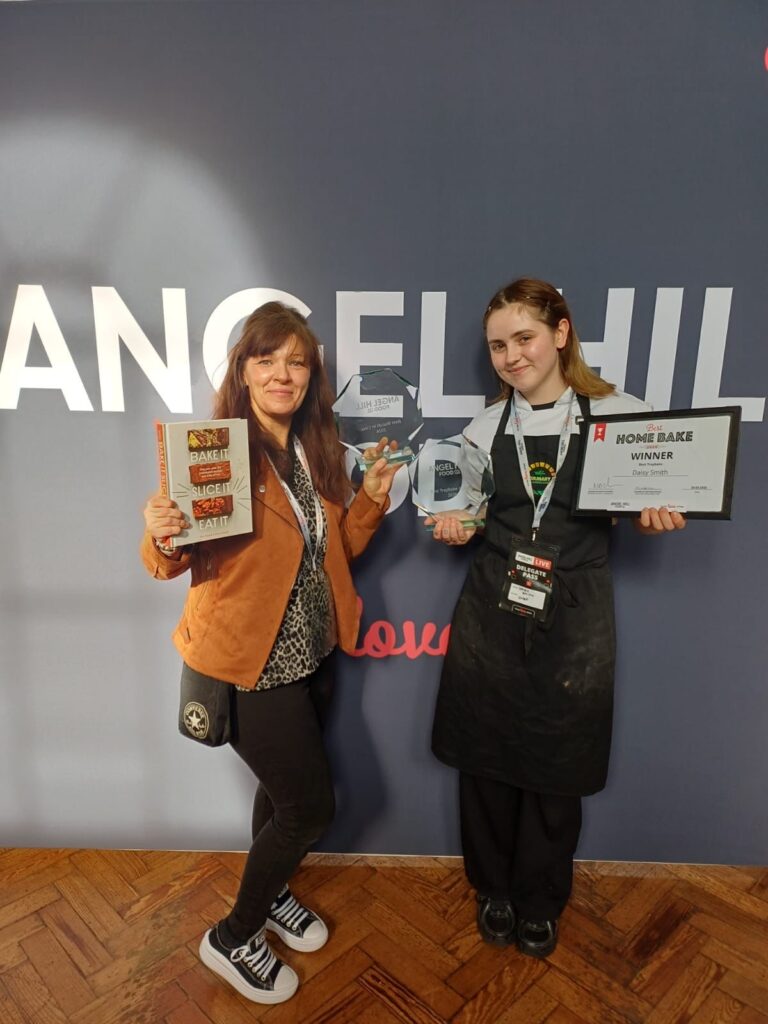
Alongside her day-to-day role, Daisy entered the Best Homebakes competition in the traybake category. She chose to submit her Lotus Biscoff brownie, a recipe she has refined through her work on site.

“It’s one of my favourite things to make,” she says. “It’s always been popular where I work, so I felt confident putting it forward.”

Her entry went on to win the category, recognising both her technical ability and creativity.

Winning has given me confidence to trust my own recipes, it’s reassuring to know that something I enjoy making is also recognised by others.

Continuing to Develop and Improve

Daisy remains focused on building her skills and contributing to the wider team.

“I want to keep pushing myself and moving forward,” she says.

Her journey reflects how Angel Hill Food Co. supports colleagues to develop, share ideas, and deliver consistent outcomes for customers. Through a combination of skill, creativity, and teamwork, Daisy continues to play a key role in creating food that works across a range of environments.

Optimising Catering Service at Kings Norton Girls’ School

Executive Summary

Kings Norton Girls’ School is an all-girls academy school and sixth form in Birmingham for students aged 11–19. They welcome around 1,100 students and according to the Parent Power Guide, it’s ranked among the top secondary schools in Birmingham. Kings Norton Girls’ School appointed Angel Hill Food Co. in 2024 to focus on optimising its catering service, which was facing challenges such as high food costs, significant waste, low student engagement, and slow service times.

Led by Catering Manager Andre Alto, we implemented a refreshed approach focused on cost control, food quality, staff training, and student engagement. A 12-month food calendar, themed events, reduced packaging, and stronger collaboration with students, parents, and school staff helped transform the dining experience and support a healthier, more sustainable food culture.

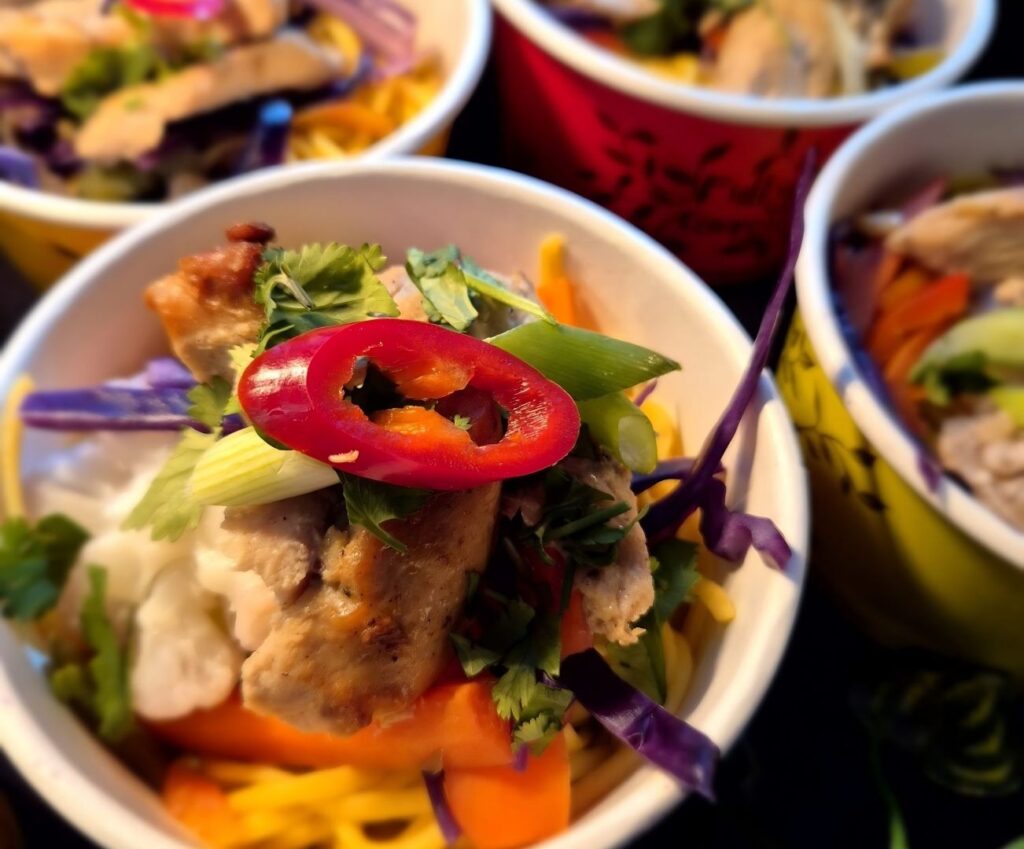
Asian Pots at Kings Norton Girls School
Flatbreads at Kings Norton Girls School

The Brief

The catering service at the school faced many challenges left over from the incumbent service provider including:

  • High food costs and significant food waste (affecting profitability)
  • Poor communication between the kitchen team and school staff, leading to a lack of motivation in the kitchen.
  • Service times were also causing delays and student-parent dissatisfaction
  • Low student engagement

The Outcome

Providing nutritious, fresh, and diverse meals in schools is crucial for several reasons, including promoting healthy eating habits and addressing food insecurity. In 2024, Clare Skinner, Business Manager at Kings Norton Girls’ School, appointed Angel Hill Food Co. to optimise their catering service. Our Angel Hill Food Co. team, led by Catering Manager Andre Alto, set to work implementing interventions. These interventions spanned the food supply chain to supercharge our service.

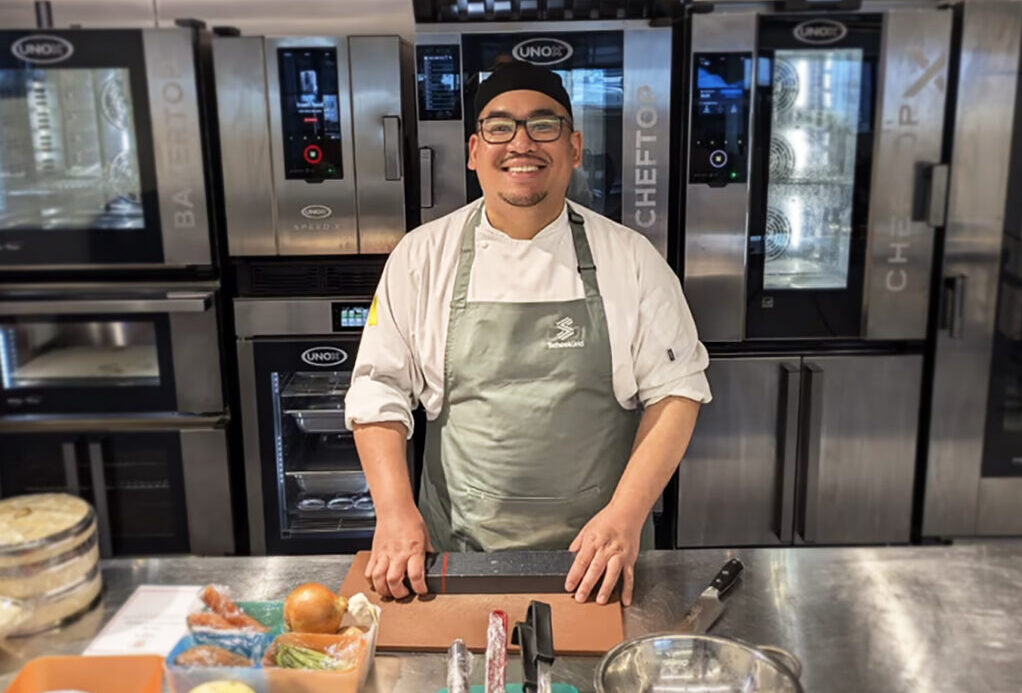
Andre implemented a system to monitor food expenditures to revitalise the catering service. He collaborated with suppliers and the purchasing team to ensure optimal price and quality. He also trained kitchen colleagues on portion control and food preparation techniques. These measures led to a noticeable reduction in food costs and waste, improving the profit margin.

A 12-month food plan was presented to the school, featuring an exciting calendar of events to engage students and sixth-formers. The plan introduced new recipes and raised awareness of key food campaigns promoting healthy eating. Calendar highlights included Build Your Own Burrito Day and the Academy Cookery Show. Special catering efforts were also made for families attending the school’s theatre performances.

These changes significantly boosted student engagement and school spirit. Overall, it not only drove sales but sparked a positive shift in school culture.

BEST Outcomes

Best Experiences: Collaborative planning with students and parents created a more inclusive and enjoyable dining experience, boosting engagement and school spirit.

Best Productivity: Delegating kitchen responsibilities based on individual strengths led to faster service, improved food quality, and greater team efficiency.

Best Practices: Introducing regular audits and aligning menus with the seasonal food plan ensured consistent quality and nutritional balance.

Best Resilience: The kitchen team adapted quickly to new systems and embraced continuous improvement, even under pressure, maintaining high standards throughout.

Best Outcomes: The combined efforts resulted in a 15% uplift in daily sales and a 91% audit score, highlighting the transformation of the entire catering provision.

Chef of the Year: Skill, Focus and Creativity in Action

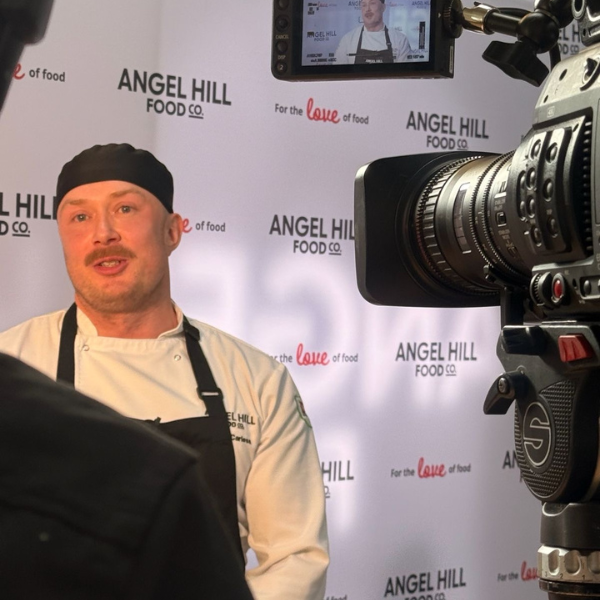
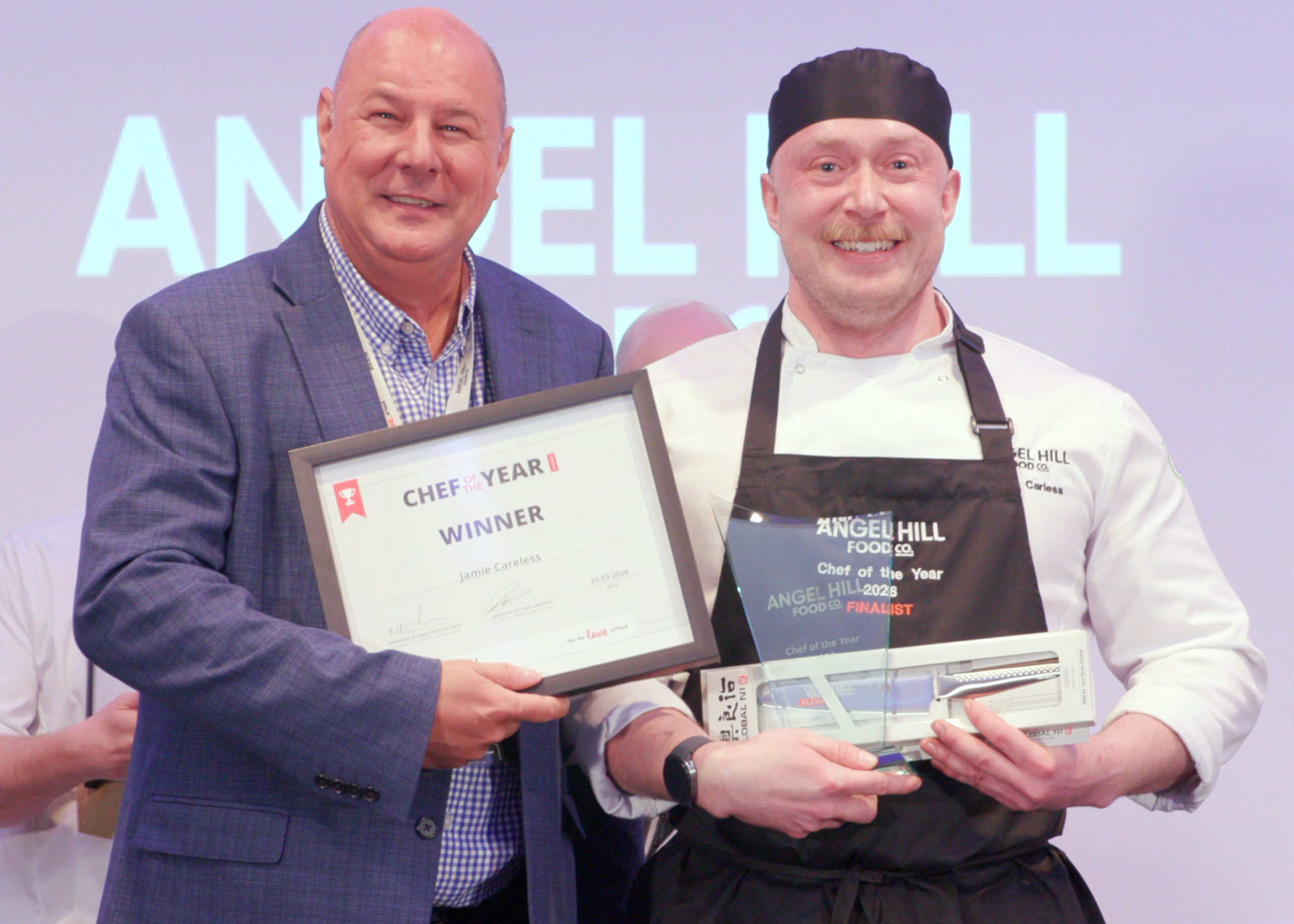
Jamie Carless manages catering operations at Cencorca – Alloga in Derby, leading day-to-day service while maintaining high standards across a busy environment. He joined Angel Hill Food Co. nearly two years ago and has since built a strong reputation for consistency, development, and performance in the kitchen. 

It’s because of this meticulous, creative, and resilient approach that Jamie was recognised as the 2026 Angel Hill Chef of the Year, following a competitive process that tested technical skill, planning, and delivery under pressure. 

Building Confidence Through Development

Jamie’s route into the competition was shaped by his time in the Culinary Classroom, where structured learning and practical challenges helped sharpen his approach. 

Working closely with development chef Matt Vernon, Jamie took part in a series of cooking challenges that built both confidence and competitive focus. Entering Chef of the Year became a natural next step. 

“The Culinary Classroom gave me the confidence I needed to take my culinary skills to the next level. Once I knew Chef of the Year was coming up, I wanted to be part of it straight away,”

Jamie explains. 

The experience reflects how Angel Hill Food Co. supports colleagues to develop their skills in real environments, combining practical learning with opportunities to apply it in high-pressure situations. 

A Dish Designed to Stand Out

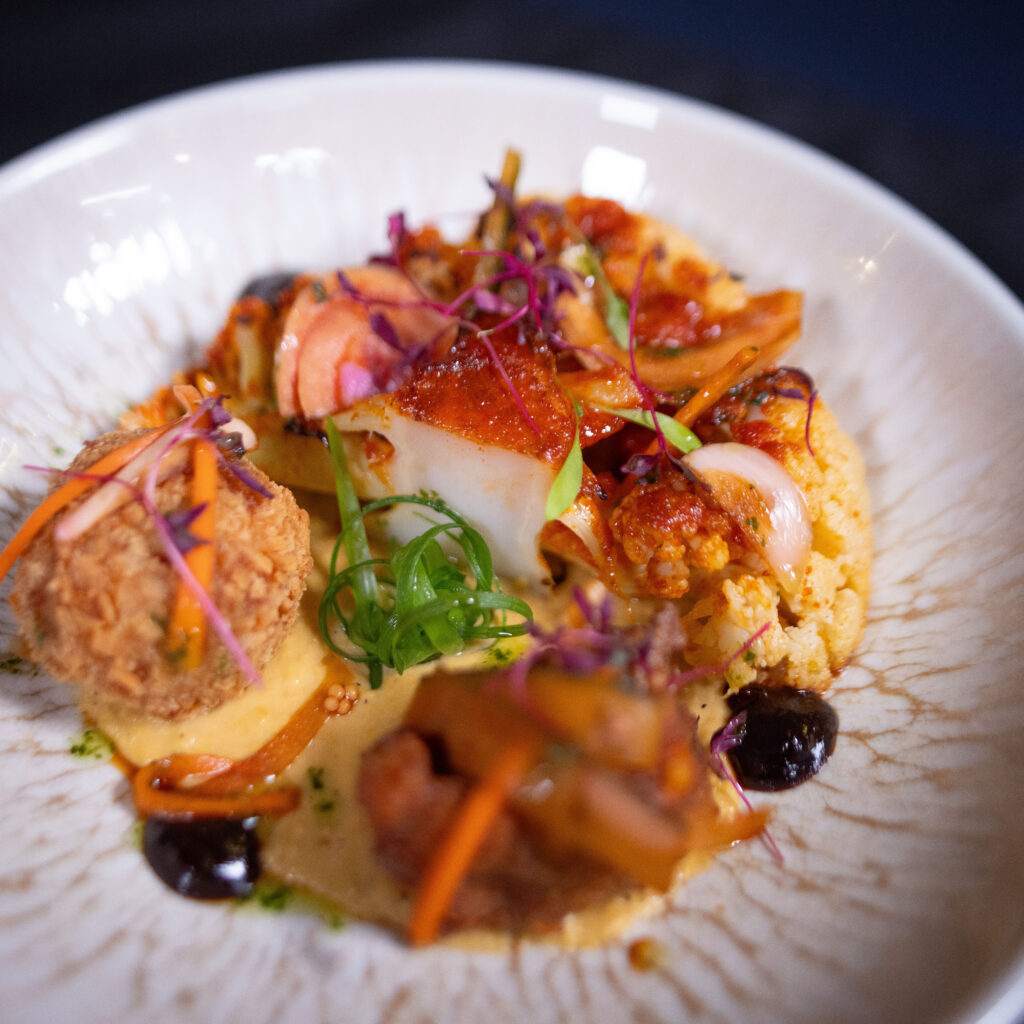
Jamie’s winning dish, cauliflower presented three ways, brought together technique, flavour, and a clear point of difference. The plate included cauliflower arancini, cauliflower steak, Korean-style fried cauliflower, sweetcorn purée, gochujang ketchup, Asian pickles, and Thai basil oil. 

The concept drew on Jamie’s experience as a head chef in Australia, where Asian influences shaped his approach to flavour and balance. 

Choosing a plant-based dish created more flexibility in both cost and creativity. It also aligned with a wider focus on sustainability and ingredient use, placing vegetables at the centre of the plate. 

“I wanted to do something different. Using vegetables as the focus gave me more room to be creative, and it fits with how we’re thinking about food and sustainability,” he says. 

This approach reflects how teams across Angel Hill apply practical thinking to menu design, balancing quality, cost, and environmental considerations to deliver strong outcomes for customers. 

Performing Under Pressure

Finalists were given one hour to prepare and present their dishes, following a submission and selection process that included strict cost controls and time for practice. 

For Jamie, the challenge was as much about managing pressure as it was about cooking. 

The time leading up to the competition proved the most demanding. Once service began, focus and preparation took over. Attention narrowed to the task, with the final moments of plating bringing the greatest intensity as judges and colleagues gathered to watch. 

Despite strong preparation, the result remained uncertain until the final announcement. Competing against experienced chefs, including previous winners, raised the standard and reinforced the need to deliver at pace and under scrutiny. 

A Result Shaped by People and Support

Jamie credits the support around him as a key factor in his performance. From colleagues in the Culinary Classroom to operational teams and peers across the business, encouragement and shared experience played an important role. 

That sense of unity continued beyond the competition. Messages of support from across Angel Hill highlighted the strength of the culture and the way colleagues recognise each other’s efforts. 

Extending Performance Beyond One Competition

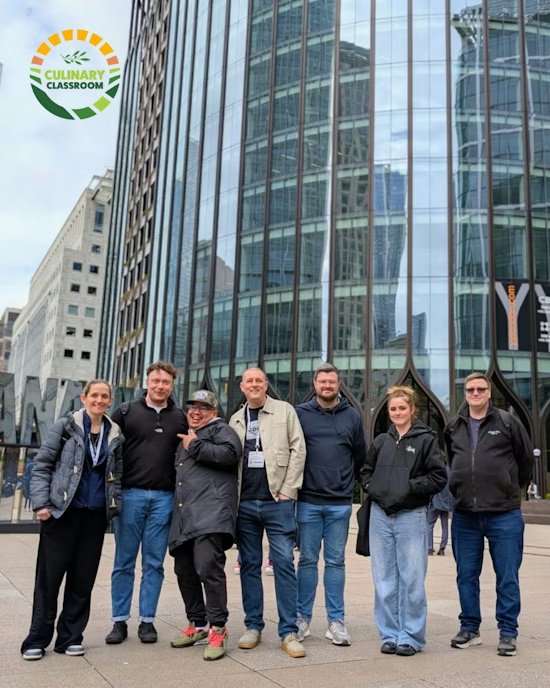
Following his Chef of the Year win, Jamie went on to compete at Salon Cullinarie gaining further experience in a more complex and demanding environment. 

Competing alongside Andre Alto, the duo adapted to new formats, unfamiliar ingredients, and tighter timeframes. The experience required quick decision-making, technical flexibility, and resilience. 

It also reinforced the importance of preparation, collaboration, and continuous learning. 

Creating Opportunities Through Commitment

Jamie’s progress highlights how colleagues can build capability by engaging fully with the opportunities available. Training, competitions, and day-to-day operations all contribute to long-term development. 

His focus remains on continuing that journey, entering future competitions and refining his skills further. 

For others considering taking part, his advice is clear:

“Go for it. You’re pushing yourself, learning, and doing something that not everyone is willing to step up and try. That’s something to be proud of.” 

Delivering Outcomes That Matter

Jamie’s achievement demonstrates what happens when skill, preparation, and support come together in the right environment. 

Through development programmes, strong operational teams, and a culture that encourages progression, Angel Hill continues to create the conditions for colleagues to perform at their best. 

That focus supports better outcomes for customers, stronger teams, and consistent delivery across every location.