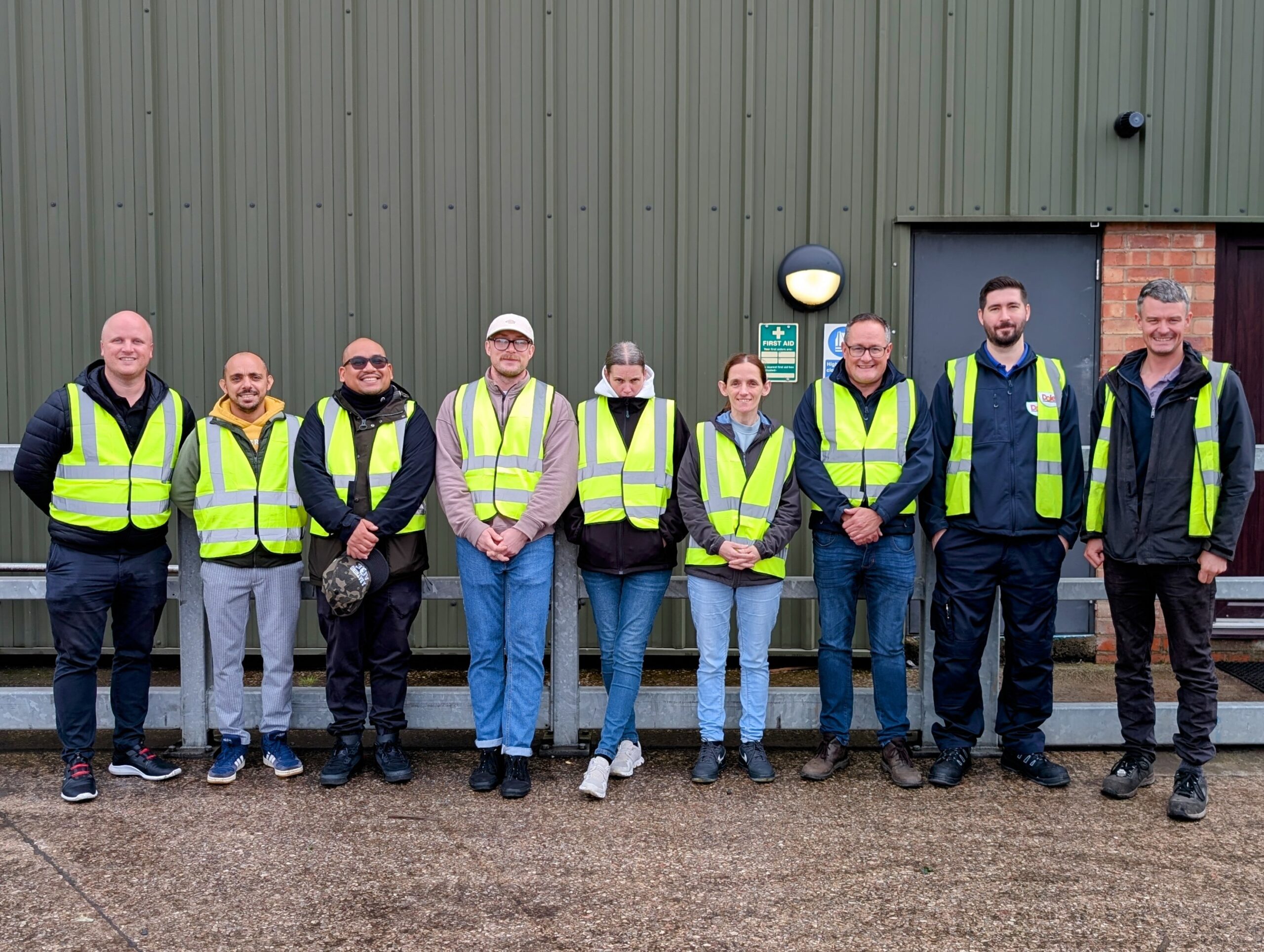
Seeing Impact in Action: Angel Hill Food Co. Visits Malawi with One Water

Seeing the Reality Behind Water Access

For Angel Hill Food Co., selling One Water | B Corp™ has always been connected to something bigger than the product itself. It forms part of a wider commitment to supporting access to clean water, sanitation, and long-term community resilience.

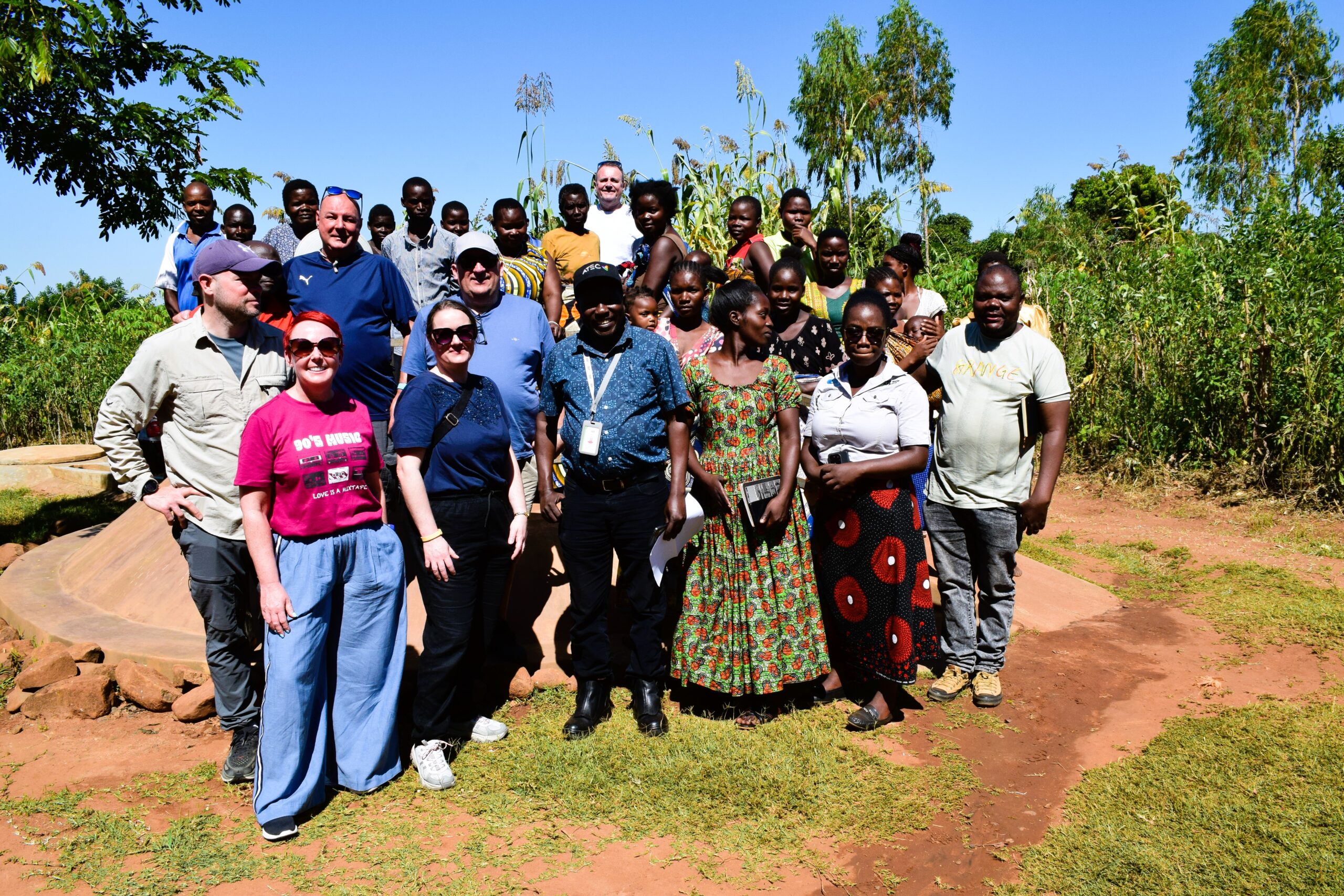
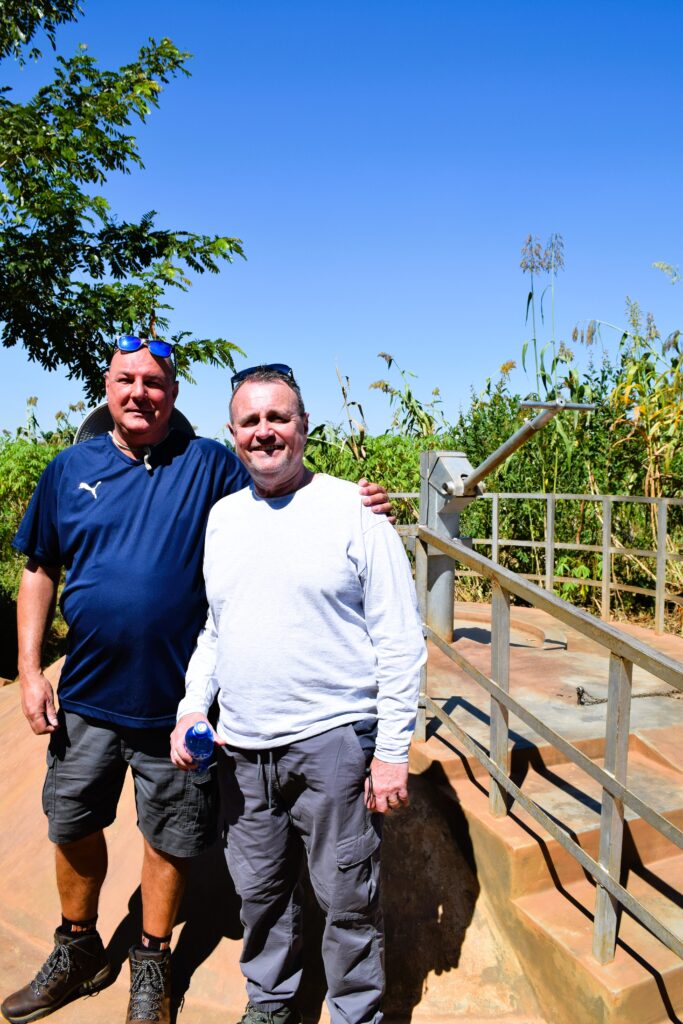
Last week, Angel Hill Food Co. Business Director Martyn Stockwin and Operations Director Robert Jessey travelled to Malawi with The One Foundation to see first-hand how water and sanitation programmes are helping strengthen communities across Thyolo and Chikwawa, towns in the southern region of Malawi. The visit formed part of Angel Hill Food Co.’s ambition to sell one million One Water bottles during 2026, helping fund sustainable clean water projects across Africa.

The week began in Blantyre, Malawi’s economic centre, before the team travelled into rural communities where access to safe water remains a daily challenge for many families. According to the World Health Organisation and UNICEF, nearly one in 10 people globally do not have clean water close to their home, affecting around 703 million people worldwide.

Supporting Resilient Water Infrastructure

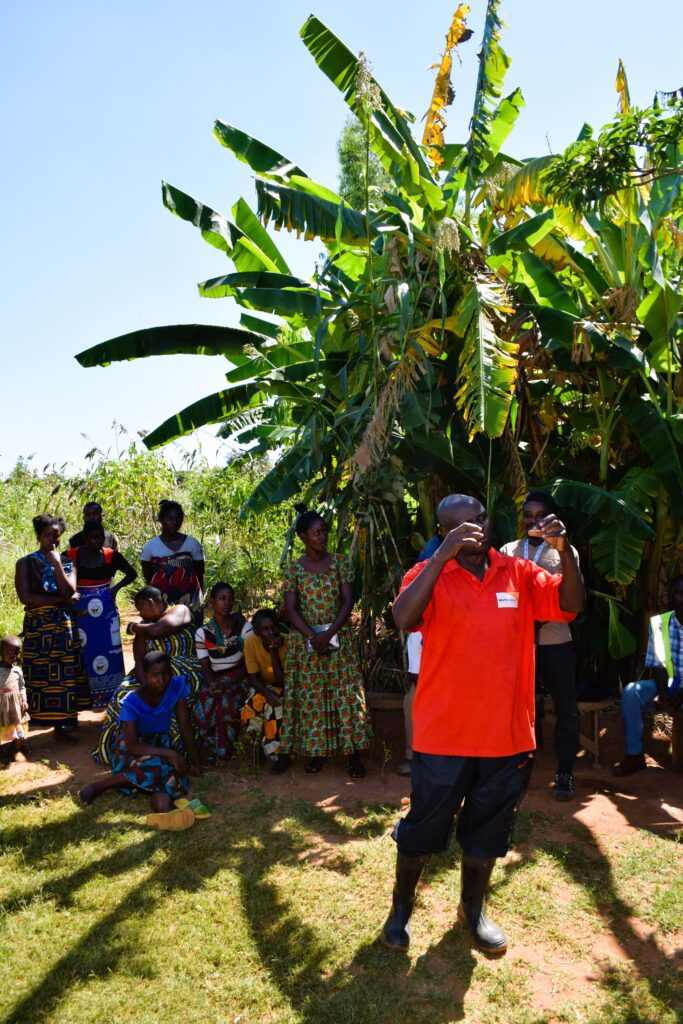
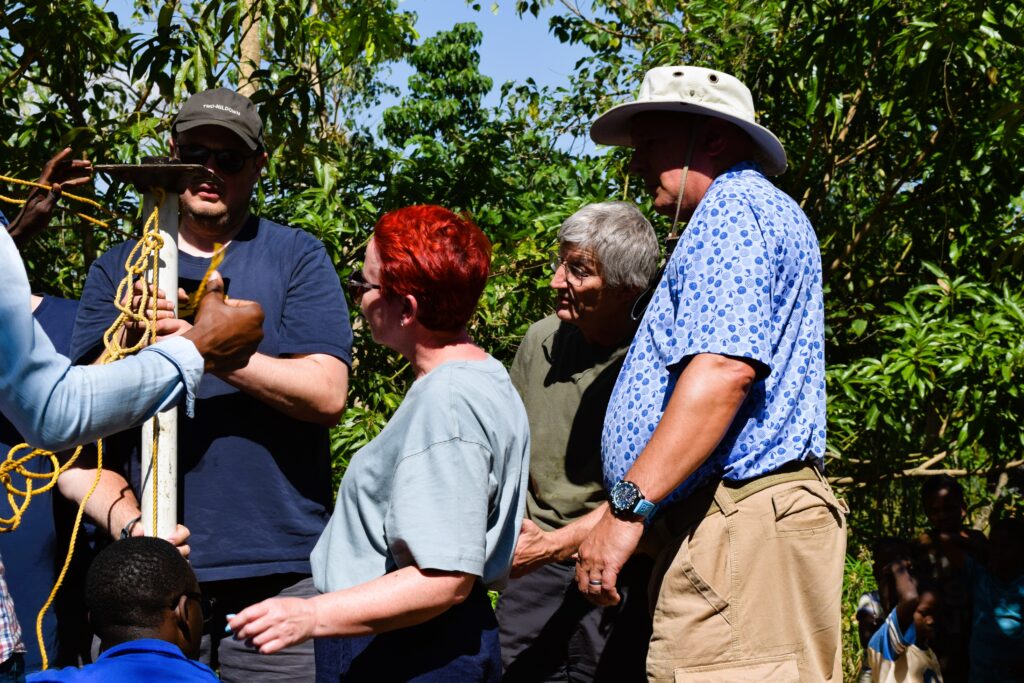
Throughout the visit, Martyn and Robert met local communities, water committees, trained pump mechanics, and programme teams working to strengthen long-term access to safe water.

While boreholes can transform access to clean water, maintaining reliable access remains a major challenge across rural Malawi. Flooding, climate pressures, overuse, and limited access to repairs can leave community water points out of action for extended periods, forcing families to return to unsafe water sources or travel long distances again to collect water.

In Thyolo District, the visit highlighted the growing impact climate change is having on water infrastructure across southern Malawi. Communities described how flooding and extreme weather continue to damage water sources and increase pressure on already limited resources.

The team visited rehabilitated boreholes designed to withstand flooding, observed pump maintenance and repair work, and learned how local spare parts networks and trained mechanics are helping communities reduce downtime when pumps fail. They also saw how water catchment protection and reforestation projects are helping protect vulnerable water systems from climate-related damage.

Recent studies have shown that only around half of community water points in Malawi are fully functional at any one time, highlighting the importance of long-term maintenance and locally-led support rather than short-term infrastructure alone.

Funds raised through One Water help support projects focused on sustainable water resilience, including borehole rehabilitation, sanitation programmes, local maintenance training, climate resilience initiatives, and environmental protection.

The scale of the challenge remains significant. More than 1,300 children under the age of five die every day because of diseases linked to unsafe drinking water, poor sanitation, and poor hygiene, according to the United Nations.

Walking Six Kilometres for Water

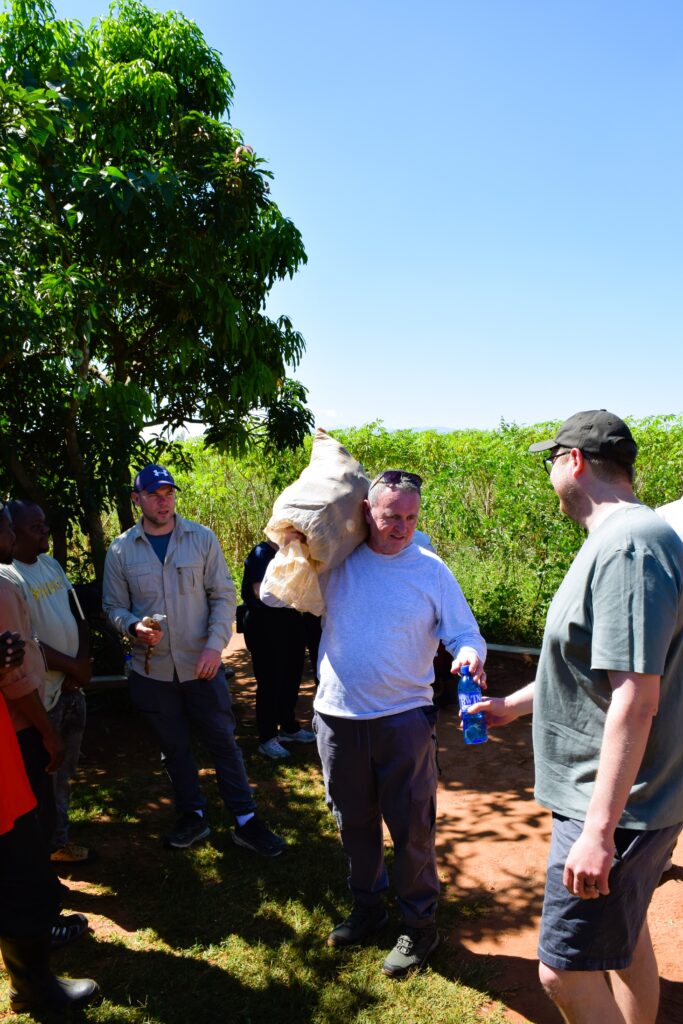
The team also joined the Walk for Water initiative, walking six kilometres alongside local communities to reflect the average daily reality many women and girls face when collecting water for their households. Containers carried during these journeys can weigh up to 20 kilograms when full.

For many families, these journeys are completed multiple times each day, often limiting time available for education, childcare, work, and household responsibilities.

Walking the route first-hand provided a deeper understanding of the physical and emotional impact unreliable water access can have on communities when local pumps fail or safe water sources are too far from home.

UNICEF reports that household taps and toilets can save women between two and three hours each day previously spent collecting water and washing clothes at rivers. That time can then support education, childcare, work, and household stability.

Local Knowledge and Long-Term Partnerships

During the visit to the Madzi Alipo pump repair programme in Chikwawa, Martyn and Robert spent time with local mechanics and programme teams learning how community-led maintenance networks are helping keep water systems operational long-term. The programme has repaired more than 3,000 community pumps to date, helping reduce breakdown times and improve reliable access to safe water across rural communities.

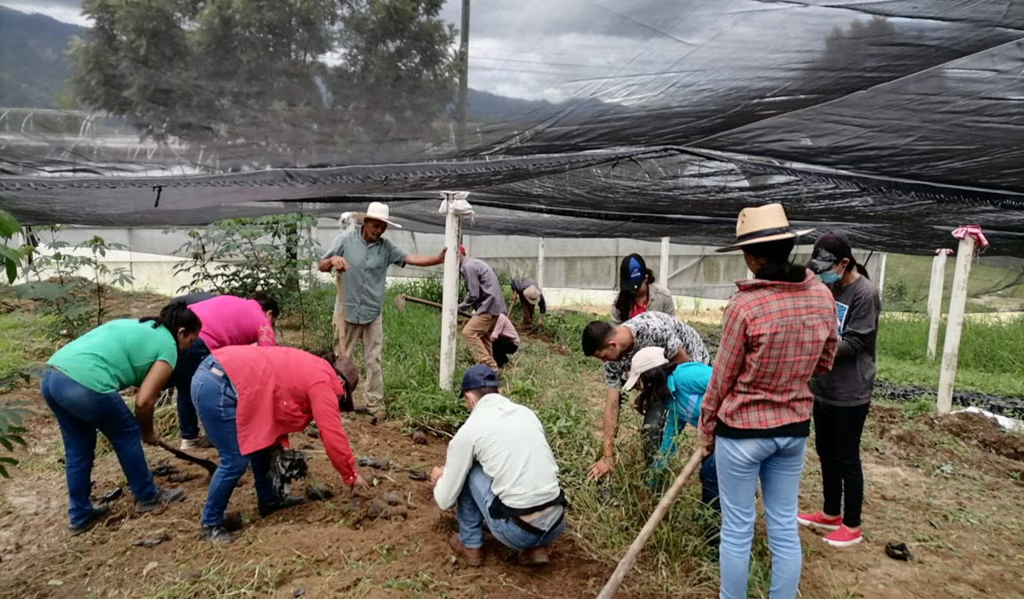
The visit also explored the close connection between water access, conservation, and reforestation. Tree planting, riverbank protection, and climate-smart agriculture are helping strengthen environmental resilience while protecting the water systems communities depend on every day.

Seeing the impact of these projects first-hand completely changes your understanding of what access to clean water really means. Communities showed us how reliable water sources, better farming methods, and practical local solutions are improving health, education, and daily life across Malawi. What stayed with me most was the resilience and positivity of the people we met, despite the challenges they face every day.

-Martyn Stockwin, Business Director

The visit to Malawi was incredibly powerful and gave me a much deeper understanding of the challenges many communities face every day accessing clean water and sanitation. It’s changed the way I think about simple things we often take for granted, and reinforced how important it is that we use our role and scale as a business to help drive meaningful, lasting impact.

-Robert Jessey, Operations Director

Turning Scale into Measurable Impact

The visit reinforced the importance of programmes designed for long-term sustainability, combining infrastructure investment with local training, knowledge, maintenance, and environmental protection.

Since 2006, The One Foundation and its partners have helped change the lives of more than five million people through water, sanitation, and hygiene programmes across Africa.

With Angel Hill Food Co. targeting the sale of one million One Water bottles during 2026, the partnership continues to focus on creating measurable, lasting impact for communities most affected by water insecurity.

The Marching Chef: Angel Hill Food Co. Chef Walks Miles for Teenage Cancer Trust

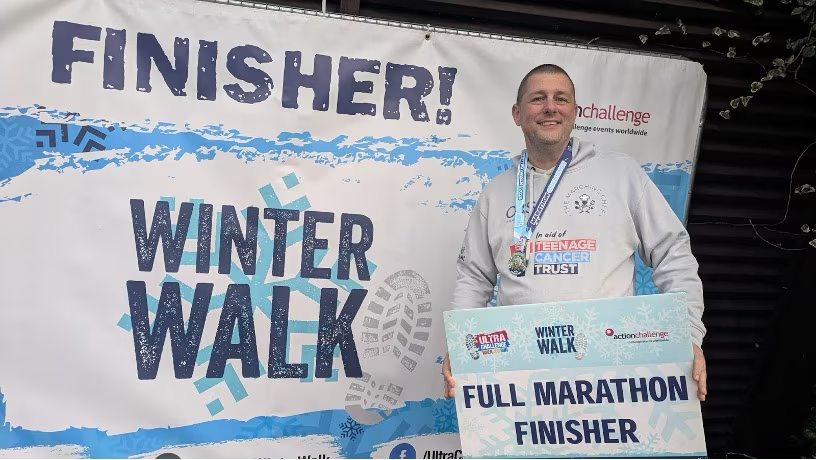
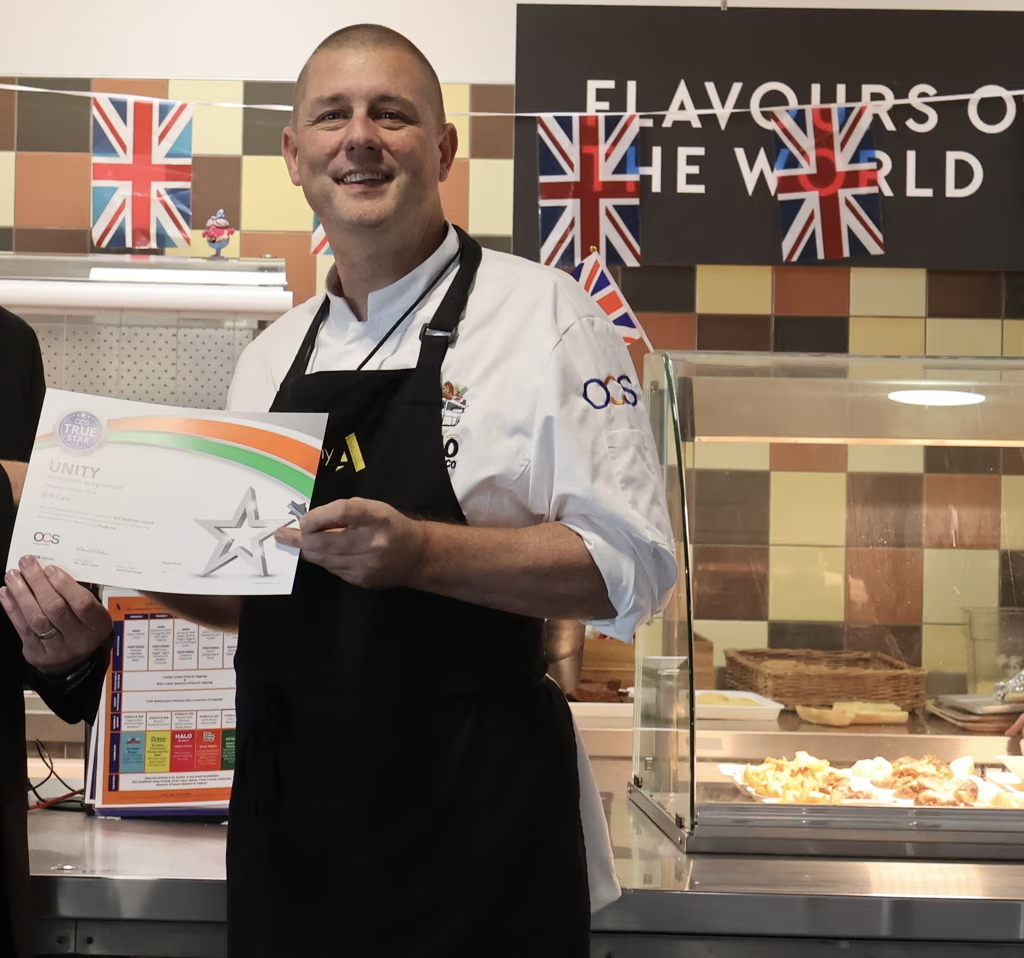
Passion for food is matched by passion for making a difference. Rob Cass, Operations Manager, is well-known among colleagues and customers as “The Marching Chef”, a nickname earned through his tireless fundraising efforts for the Teenage Cancer Trust.

To date, Rob has raised nearly £800 towards Angel Hill’s ambitious £20,000 target for 2025, building on last year’s impressive contribution that helped the team reach £17,000.

Walking for a Worthy Cause

By day, Rob manages multiple education catering contracts; by night (and early mornings), he’s training for a series of Ultra Challenges:

  • Saturday, 3 May: Bristol to Bath circular – 50km (31 miles)

  • Saturday, 23 August: Non-stop 50km (31 miles) across London, wearing his chef’s jacket sponsored by Russums

  • Saturday, 25 October: 25km Halloween fancy-dress walk across London

Rob’s commitment is fuelled by a simple philosophy: every step counts when it’s for a cause that changes lives.

Walking has always been a passion, so being able to clock up the miles and raise funds for such a worthy cause makes it even more fulfilling.

Inspired to Make a Difference

Motivated by the desire to support young people battling cancer, Rob uses his skills in catering and event organisation to create unique fundraising opportunities. His determination and enthusiasm inspire not only his team but the wider industry.

Mark Argent, Regional Operations Director and Rob’s line manager, notes:

Rob’s commitment extends beyond the individual schools he looks after – he brings exemplary dedication to everything he does, especially his fundraising.

Recognition for Excellence

Rob’s efforts haven’t gone unnoticed. He was recently shortlisted for Area Manager of the Year at the 2025 Contract Catering Awards, recognising both his professional achievements and his charitable work.

Support Rob’s journey by following The Marching Chef on Instagram and TikTok, or donate via his JustGiving page to help the Teenage Cancer Trust continue its vital work.

Great Coffee, Greater Impact: How Angel Hill Food Co. Turns Everyday Choices into Positive Change

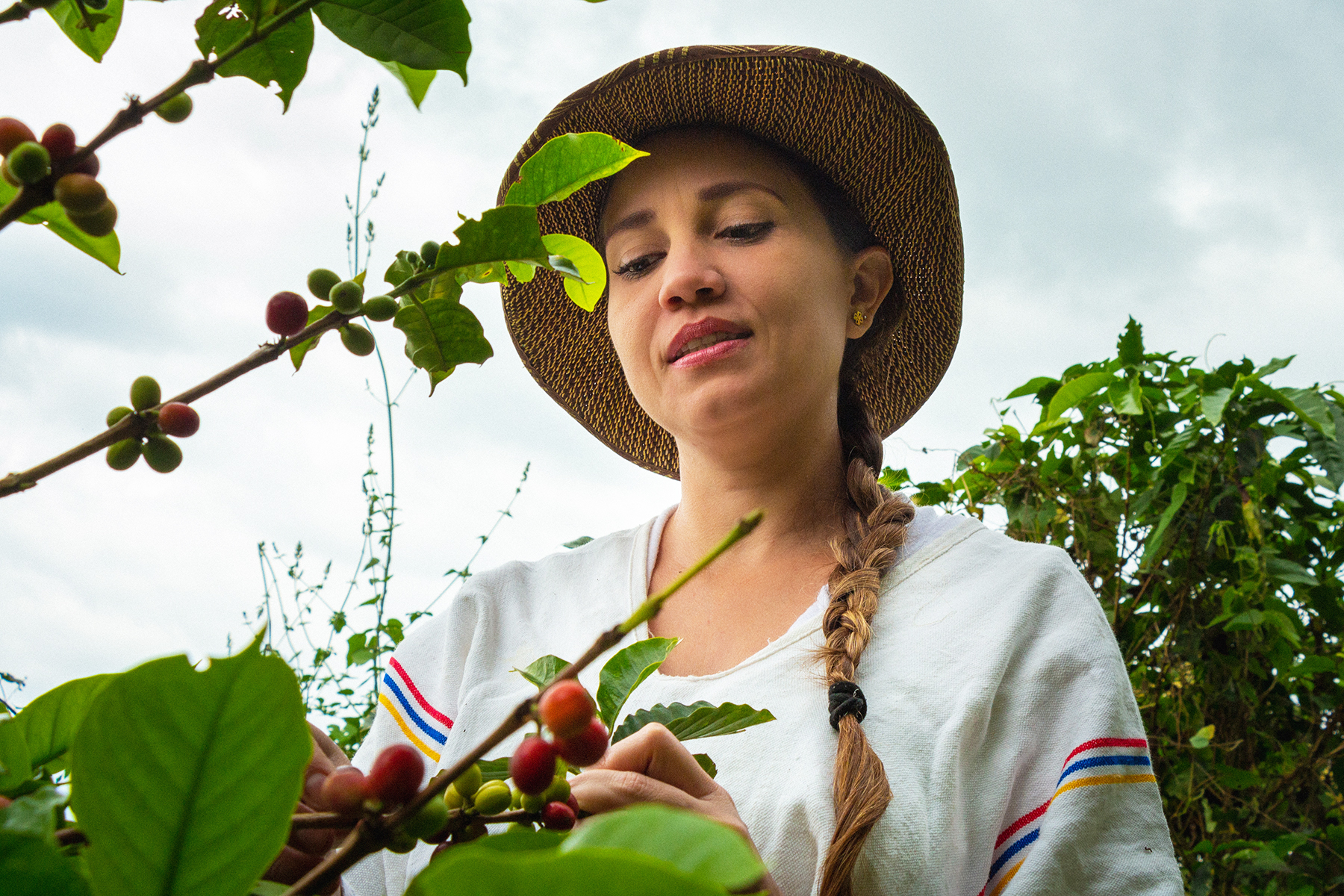
Great food and drink have always been about more than taste alone. They’re about people, purpose and the impact small, everyday choices can have when they’re made with care. That belief is perfectly reflected in the success of Groundhouse Coffee – a coffee brand that proves doing good can start with something as simple as the morning cup.

Over the past year, Groundhouse Coffee has helped raise more than £10,000 for charitable causes, demonstrating how Angel Hill Food Co. continues to weave social value into the fabric of its food and beverage offer. It’s a powerful reminder that when food is thoughtfully sourced and purposefully served, it can create meaningful change far beyond the counter.

Coffee with a conscience

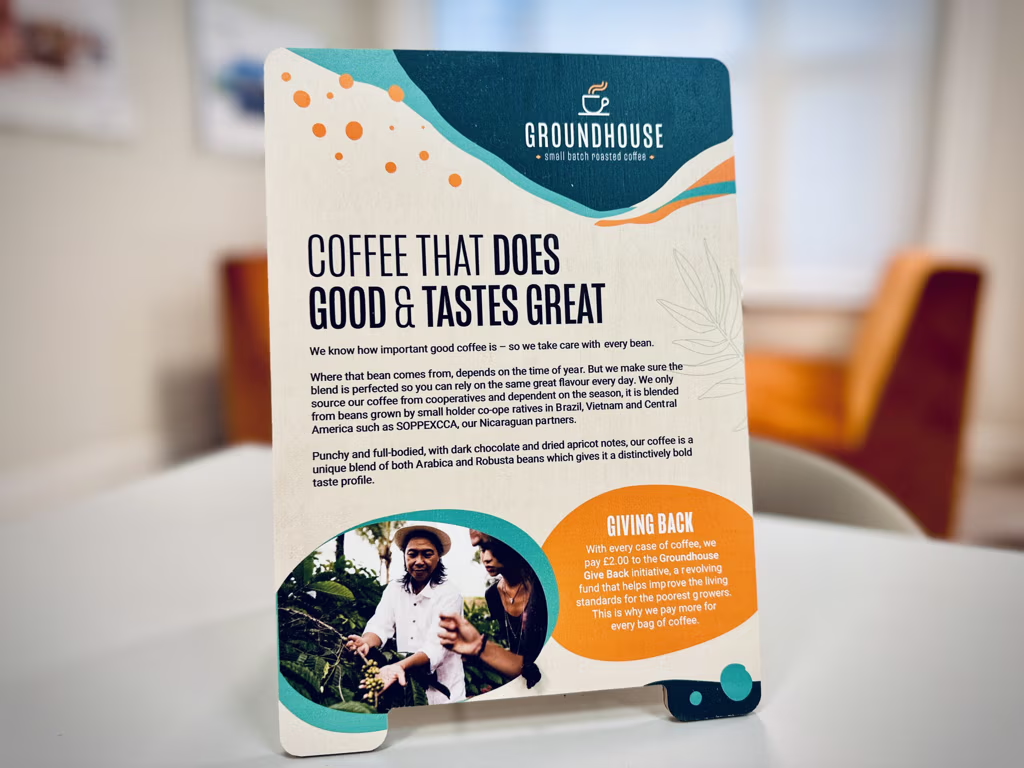
Groundhouse Coffee was developed as part of Angel Hill Food Co.’s commitment to offering products that align with modern expectations — quality, sustainability and responsibility working hand in hand. From ethically sourced beans to a supply chain designed with transparency in mind, Groundhouse represents a conscious approach to coffee that doesn’t compromise on flavour or experience.

Every cup served across Angel Hill Food Co. sites contributes to wider charitable efforts, turning daily rituals into opportunities for positive impact. Rather than relying on one-off fundraising initiatives, the Groundhouse model embeds giving directly into everyday consumption – ensuring that impact is continuous, not occasional.

As Henry Watts, Managing Director at Angel Hill Food Co., explains:

Groundhouse Coffee shows how everyday choices can make a real difference. By building purpose into a product people enjoy daily, we’re able to create meaningful social impact without asking customers to change their behaviour — just enjoy great coffee.

That philosophy sits at the heart of the Groundhouse approach: doing good shouldn’t feel complicated, forced or separate from the food experience.

Small moments, collective impact

The £10,000 raised through Groundhouse Coffee didn’t come from a single campaign or event. It came from thousands of individual decisions – people choosing a coffee during a break, between meetings or at the start of their day. Collectively, those moments added up to something far more powerful.

For Angel Hill Food Co., that collective impact is central to the brand’s philosophy. Food and drink are touchpoints that connect people throughout the day, and when those touchpoints are designed with purpose, they become vehicles for change.

By embedding charitable giving into a core product, Angel Hill Food Co. ensures that doing good is effortless for customers. There’s no additional action required – just a great cup of coffee that happens to give back.

Supporting communities through food

Social value is not an add-on for Angel Hill Food Co.; it’s an integral part of how the business operates. Groundhouse Coffee sits alongside wider initiatives focused on sustainability, nutrition and community support, reinforcing a holistic approach to responsible catering.

The funds raised through Groundhouse have supported causes aligned with Angel Hill Food Co.’s values, helping communities and individuals in meaningful ways. While the coffee itself is the visible product, the real impact is felt in the lives supported behind the scenes.

This aligns closely with the wider mission of Angel Hill Food Co. – to deliver food that not only tastes good, but does good too. Whether through reducing environmental impact, supporting local suppliers or embedding charitable contributions into everyday menus, the focus remains on long-term, meaningful outcomes.

Purpose built into the plate – and the cup

What makes Groundhouse Coffee particularly powerful is its simplicity. There’s no grand gesture or complicated mechanism. Instead, it reflects a belief that purpose works best when it’s seamlessly integrated into everyday life.

For Angel Hill Food Co., this is the future of workplace catering – where quality, convenience and conscience coexist naturally. Customers don’t have to choose between enjoying great food and supporting positive change; they can do both, effortlessly.

As Groundhouse Coffee continues to grow across Angel Hill Food Co. locations, its impact will grow with it – one cup at a time. And while £10,000 is a significant milestone, it’s also just the beginning.

Because at Angel Hill Food Co., every choice matters – and even the smallest moments can help create a better, more sustainable future.