Bang In Some Beans: The Small Change Making a Big Impact 

Working predominantly within the education sector, my focus is simple: keep school food relevant, exciting, and on trend. That means developing new recipes, introducing fresh concepts, and supporting our teams on the ground to deliver food that pupils choose, enjoy and come back for. 

But the reality is, encouraging healthier eating habits in schools isn’t straightforward. 

Tight budgets often mean that healthier options are perceived as more expensive, leading many to fall back on familiar, less nutritious choices. At the same time, there’s a gap in nutrition education. Students don’t always understand how food impacts their energy, concentration, and overall wellbeing. Add to that the influence of social media, advertising, and habits formed at home, and you begin to see the scale of the challenge. 

That’s why partnerships matter. 

Driving Value with Bidfood

Our partnership with Bidfood plays a critical role in how we approach food, nutrition, and supply. Having access to high-quality, nutritionally balanced ingredients through a reliable supply chain gives our teams the confidence to plan menus effectively and consistently. 

Beyond supply, Bidfood brings real expertise. Their range includes healthier options, allergen-controlled products, and specialist dietary solutions, allowing us to cater to diverse needs across our schools. More importantly, we work closely with their development chefs to stay ahead of trends and continuously improve what we offer. 

A great example of this collaboration in action was our first-ever Angel Hill Live event. Bidfood played a pivotal role, engaging directly with our teams, sharing insights, and helping reinforce our brand standards. The result? Better-informed teams, stronger consistency across sites, and ultimately, a better experience for our customers. 

Why We’re Backing ‘Bang In Some Beans’

The collaborative mindset is what led us to support Bidfood’s Bang In Some Beans campaign as a Keen Bean Pledger. 

At its core, the campaign is about encouraging people to eat more beans for good reason. Beans are high in protein, rich in fibre, great for heart health, and significantly more sustainable than many animal-based foods. They also offer a cost-effective solution at a time when budgets, both at home and in schools, are under increasing pressure. 

For us, it’s a natural fit. We’re always looking for ways to improve our offer and help our customers make healthier choices. 

In practice, being a Keen Bean Pledger means integrating beans more widely across our menus. We’re expanding the range of bean-based ingredients available in our sites and developing fully costed recipes that make beans a seamless part of everyday dishes – from lasagnas and curries to pies and bakes. 

Making Beans Work in Real Kitchens

Introducing healthier ingredients only works if they’re accepted, that’s where creativity comes in. 

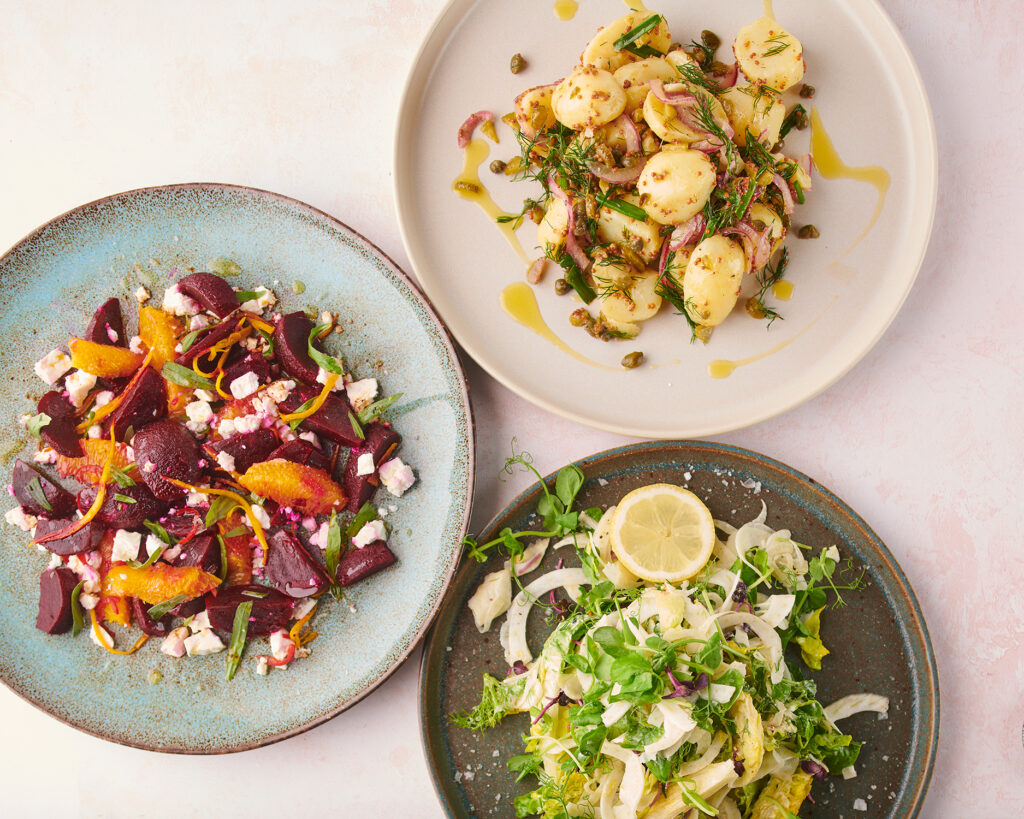
Our teams are bringing the campaign to life with dishes like Caribbean chicken and bean salad with orange and lime dressing, BBQ chicken and bean pizza wraps, and even chocolate butterbean brownies. The key is making beans feel like a natural part of the dish, rather than the headline. 

In fact, one of the most effective approaches we’ve seen is to lead with the dish, not the ingredient. Pupils can be cautious about unfamiliar ingredients, so we focus on flavour, familiarity and dishes they already enjoy. Tasting tables allow them to try recipes before knowing exactly what’s in them, and the feedback has been incredibly positive. When beans are used well, pupils don’t question it, and dishes perform just as strongly as before. 
Why Beans Matter Now More Than Ever

From a nutritional perspective, beans are a powerhouse. They support growth and development, aid digestion, and help maintain energy levels throughout the day. But just as importantly, they support our environmental goals. 

Beans have a much lower carbon footprint than many animal-based proteins. By increasing their use, we’re not only improving diets but also reducing the overall environmental impact of our menus. 

And in today’s climate, cost is a major factor. With ingredients like beef mince seeing significant price increases, beans offer a more affordable, sustainable alternative without compromising on taste or nutrition. 

A Shift in Mindset

What’s been most rewarding is seeing how both our teams and pupils have embraced this shift. It’s proof that change is possible when it’s approached in the right way. 

Personally, this campaign has changed how I think about food, not just professionally, but at home too. As a father, I’ve started introducing more beans into family meals, helping my own children build familiarity with them early on. 

Looking Ahead

For schools and partners, the opportunity is clear: build on this momentum. Expand the role beans play across menus, continue helping pupils engage with healthier choices, and create more opportunities to make nutritious food appealing, familiar and easy to choose. 

This is something we’re committed to pushing even further: developing new recipes, launching exciting pop-ups through our Goodness brand, and shaping a grab-and-go offer that reflects the high street, with better nutrition at its core. 

Because ultimately, this is about more than just beans. 

It is about supporting pupils to make healthier choices, expanding food education, and creating a school food culture that helps healthier habits take root. 
Food That Shapes Futures: Why Education Catering Demands Its Own Approach

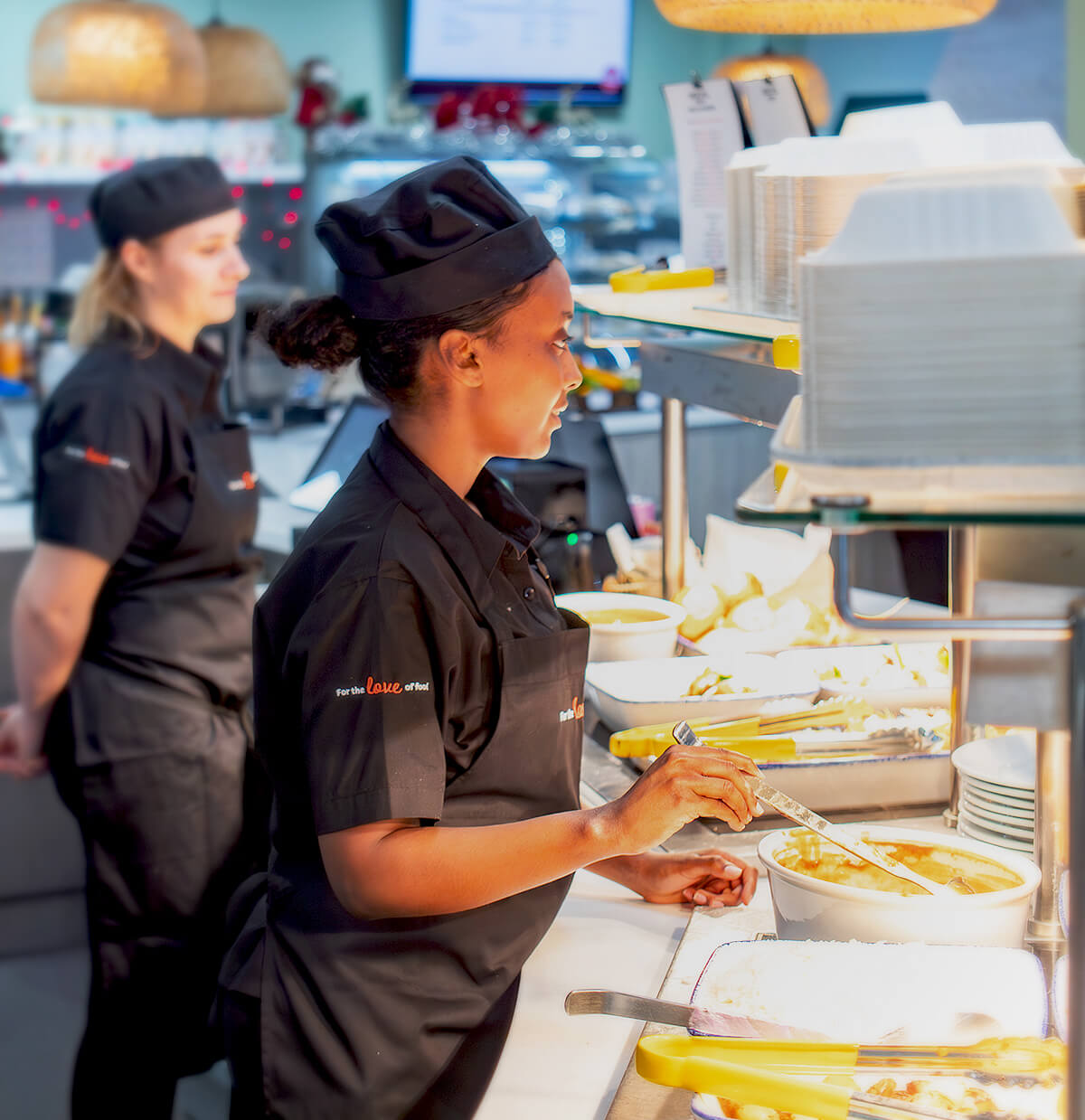
Catering in education is unlike any other environment, schools, academies, sixth form venues and colleges are communities with their own culture, place, settings with high demands and expectations. Pupils, students require menu offerings that fuels learning, supports health, wellbeing within a packed scheduled day of only around five to six hours. This makes the education sector catering very different from workplace restaurants or commercial venues, menus and service styles are shaped by government food legislation, building designs and in some cases minimum morning break & lunch service times!

Angel Hill Food Co. works closely with all our customers, principals and headteachers within this sector to deliver a menu offering that supports every part of the education day whilst working within the parameters of regulations and within the financial budget agreements. Our passionate, professional, competent and committed catering teams balance nutrition, value, seasonality and taste while adapting to the realities of a busy academic environment, this proactive relationship, partnership results with listening to our education contract populations, responding efficiently and designing menus that not only meet the needs of diverse local communities across the united kingdom but exceeds expectations over the school academic calendar.

A Framework Built for Learning

Part of our customer promise, and service level agreements includes delivering the School Food Plan, which defines specific nutritional standards, calorie levels and compliant ingredients which most commercial and workplace settings do not face the same level of regulation. Regional Operations Director Mark Argent explains,

This is impetrative our business, supports and deliveries compliance daily, compliance sits alongside a wide range of dietary requirements, allergies and intolerances and is paramount within our business model.

Menus must therefore be safe, nutritious and inclusive, while still feeling familiar and welcoming to students

Menu fatigue from reception pupils to year 13 students and mature adults is a challenge across this exciting and fulfilling sector, one solution includes the ongoing review of the High Street, world cuisine trends and offerings with our operational, contract and our development chef teams. Food ingredients are reviewed, developed to support compliance, seasonality including effective changes to the recipe variations, food preparation & cooking practices.

Creating Food Pupils, Students and Adults Want to Eat

Taste and enjoyment are crucial to the lives of our school populations, should any pupil or student experience a negative morning break or lunch service regarding product, menu content and dining environment, this will affect their concentration and behaviour throughout the study day. Kevin explains:

We will not allow a student or pupil to go back into study lessons hungry, because the impact can be significant on their day.

Angel Hill balances taste, nutrition and affordability through close collaboration between development chefs, the extensive nutrition team and contract teams. Seasonal ingredients, UK sourcing where possible with a blend of core menus, traditional, specifically dining with flexible concepts help keep food fresh, varied and appealing.

Our approach respectfully is simple, our recipes are fresh, vibrant, seasonal and varied, and reflect what students want delivered with care, attention and pride!

Traditionally the two or three-week menu cycles give structure, while food concepts and themed days add excitement, fun and supports the menu development whilst growing engagement with our customers.

Understanding Each School Local Community

No two education environments are the same, demographics, culture, facilities and daily routines vary widely, even within a few miles within our business.

“Every school, academy, college is different, for example we currently service two schools three miles apart and the menus are rather different due to the ethnicity of the students,” says Kevin. “Angel Hill adapts the bespoke menus and services required to suit each customer’s needs.”

This local understanding supports our partnership at the centre of Angel Hill’s catering offer and services. Our colleagues design menus with each school, shaping the right balance of dishes and ensuring agreements in line with local expectations, examples include how some customers require self-service, others need grab-and-go, and many require themed events that link to curriculum activities. The tailor-made strategy and ethos again forms part of our business delivery.

Our company partnership guides our menu development; however, ongoing decisions are rooted in detailed, recorded conversations, solutions with the schools, colleges populations, parents, guardians with interaction in some cases with catering consultants.

Working Within the Realities of the School Day

Our sector locations face challenges that commercial kitchens rarely experience, for example, break times can change with little or no notice due to school scheduling variations, dining spaces in some cases are limited regarding the number of students flows of traffic, service windows are short, sometimes just 15 to 20 minutes, and the academic calendar means teams operate up to only 190 days a year.

Mark highlights one example: “some dining halls are very small for the number of students who come through and are not always fit for purpose, however or clients require everyone served in 15 to 20 minutes…we adept a ‘less is more menu concept’, delivering a bespoke range of limited quality products rather then mass produced poor standard menu offerings.

This is where operational excellence matters, Angel Hill supports each location with tailored plans: from queue management, service flows to training colleagues on new concepts, refreshing counters and introducing self-service to reduce bottlenecks as part of our ongoing solution programme.

Food That Makes a Difference

The impact of education catering goes beyond lunchtime, It shapes how customers feel during the day, helps them engage in learning and strengthens the relationship between schools, colleges and families.

Mark shared an example from a school that shifted from an in-house operation, fryer-led limited menu offers to a fresh, seasonal, balanced, varied service using traditional, compliant cooking practices. Within a half term period, the food represented a prestigious yet deliverable menu offering. Introduction to ‘Self-service, full high street style deli options, introduction of the freshly made seasonal products helped transform the environment, the dining space changed, queues moved faster, and the food reflected what students desired in line with the school food plan menu guidance, on-going success supported the schools ambitions for a 100% population dining uptake daily and exceeding the commercial financial model.

People at the Heart of the Service

Excellent, consistent and respected education catering requires great professional, caring and passionate people. A great and powerful story includes Victoria Beecham, who began her career with Angel Hill as a supervisor in a secondary school setting and is now not only leading a large school contract as the senior catering manager but supports the food technology curriculum delivering lessons throughout the school term.

Kevin describes her impact: “the enthusiasm, hard work and can-do attitude shines through which is reflected with this added value aspect to her work ethos to our client, we see an exciting future for Victoria within our business and is a great ambassador for Angel Hill and inspiring to our future team leaders.

This commitment reflects Angel Hill’s wider approach to our team, we invest in all of our colleagues, value their insight and encourage them to build strong relationships with our customers. Schools require partners, not providers or contractors, and our teams play a central role in creating that trust every day.

Evolving With the Sector

Pupil and student expectations are increasing each term, Parents require healthier choices with value for money offers, Education leaders want efficient, well-run services that support the wider study day.

Angel Hill evolves by staying on trend, communication is key, bespoke our menu offer for students and staff across all locations within this every growing sector.

From menu innovation, service and environment improvements and developments, the aim is always the same: delivering amazing food that supports learning, wellbeing and community, whilst delivering a WOW factor daily!

Big Carbon Kickout: Rethinking Everyday Food Choices

A Practical Approach to Lower Carbon Food

Big Carbon Kickout is built on a clear idea. Lowering the carbon impact of food should not rely on asking people to change their habits. It should come from improving the dishes they already enjoy. Led by Executive Development Chef Matthew Vernon, the initiative focuses on making small, practical changes within familiar menus. The aim is to deliver meals that meet customer expectations while reducing their environmental impact in a way that feels natural. Across Angel Hill Food Co. locations, this approach has already led to carbon savings of 112,929.9 kg CO₂e. This is equivalent to around 287,583 miles driven in a standard petrol car. In total, 38,387 lower carbon dishes have been served. These figures show what is possible when everyday decisions are approached differently.

Why Familiarity Matters

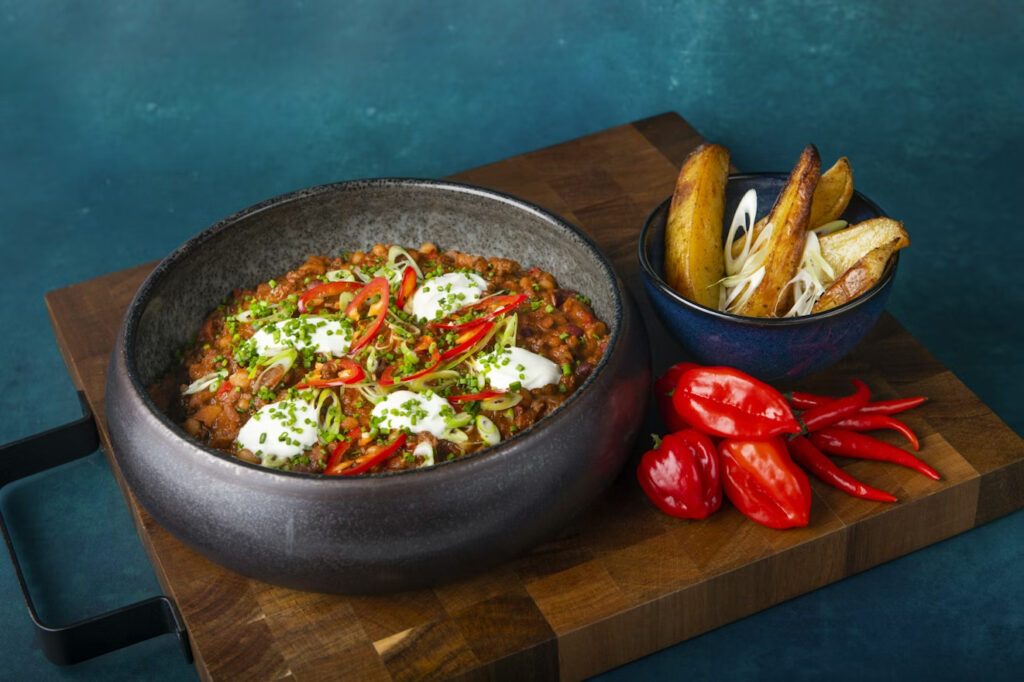
For Matt Vernon, success starts with understanding how people choose their food. Customers tend to return to meals they recognise. Asking them to move away from those choices can create a barrier. Instead, Big Carbon Kickout focuses on keeping those dishes on the menu, while improving how they are made. Recipes such as lasagne, cottage pie and beef chilli have been carefully adjusted through testing and feedback. The updated versions replace the originals, maintaining taste, portion size and value while lowering carbon impact. This approach removes the need for customers to make a conscious trade off. The better option becomes the standard option.

If you start by asking people to change what they eat, you create resistance. If you improve what they already enjoy, the change happens naturally.

Matt Vernon, Executive Development Chef

Designing Change Into the Dish

A key principle of the initiative is that sustainability should sit within the food itself, not alongside it. The Angel Hill hybrid burger is a strong example of this thinking. By combining beef with plant based ingredients, each serving reduces emissions by around 1.66 kg CO₂e. It still delivers 16 g of protein per 100 g, contains less saturated fat, includes added fibre and remains free from common allergens. The dish looks and feels familiar. The difference sits in how it is made. This model can be applied across menus. When the change is built into the recipe, uptake follows without the need for additional messaging or pressure.

What the Data Shows

The results from across Angel Hill sites provide a clear picture of how this approach works in practice.
Lower carbon dishes have been introduced across nearly 300 locations, with varying levels of uptake. Some sites serve smaller volumes, while others see higher demand. When combined, these contributions create a meaningful overall impact. Patterns in the data also reflect how customers engage with food throughout the year. Demand increases during busier periods, particularly in spring and summer, when outdoor events and barbecues are more common. These moments offer greater opportunities to reduce emissions, especially in areas where meat consumption is typically higher. The consistency between operational experience and reporting gives confidence that the approach is both practical and scalable.

Making Carbon Easier to Understand

Communicating carbon impact remains an important part of the initiative. Measurements such as kg CO₂e can be difficult to interpret in isolation. Translating those figures into mileage equivalents helps make them more relatable. Comparing a dish to the distance driven in a petrol car provides a clearer sense of scale. This approach supports more informed conversations with customers and helps build awareness of the impact of different ingredients, particularly beef.

Supporting Kitchens to Deliver

For kitchen teams, Big Carbon Kickout is designed to work within existing operational and commercial pressures. Adjusting ingredient balance can reduce reliance on higher cost items, creating more flexibility to refine recipes. Portion sizes remain consistent, and value is maintained for customers. In some cases, this also supports improved margins. The focus remains on delivering good food that works in practice. Sustainability is part of that outcome, not a separate objective.

A Simple Principle

At its core, Big Carbon Kickout is about making change feel straightforward. Customers are not asked to rethink their eating habits. Teams are not required to overhaul their operations. Instead, small improvements are made within familiar structures, allowing better choices to become part of everyday routines. As Matthew Vernon puts it, “Good food comes first. When you get that right and reduce the carbon impact at the same time, it becomes part of how you cook, not something separate.”