Big Carbon Kickout: Rethinking Everyday Food Choices

A Practical Approach to Lower Carbon Food

Big Carbon Kickout is built on a clear idea. Lowering the carbon impact of food should not rely on asking people to change their habits. It should come from improving the dishes they already enjoy. Led by Executive Development Chef Matthew Vernon, the initiative focuses on making small, practical changes within familiar menus. The aim is to deliver meals that meet customer expectations while reducing their environmental impact in a way that feels natural. Across Angel Hill Food Co. locations, this approach has already led to carbon savings of 112,929.9 kg CO₂e. This is equivalent to around 287,583 miles driven in a standard petrol car. In total, 38,387 lower carbon dishes have been served. These figures show what is possible when everyday decisions are approached differently.

Why Familiarity Matters

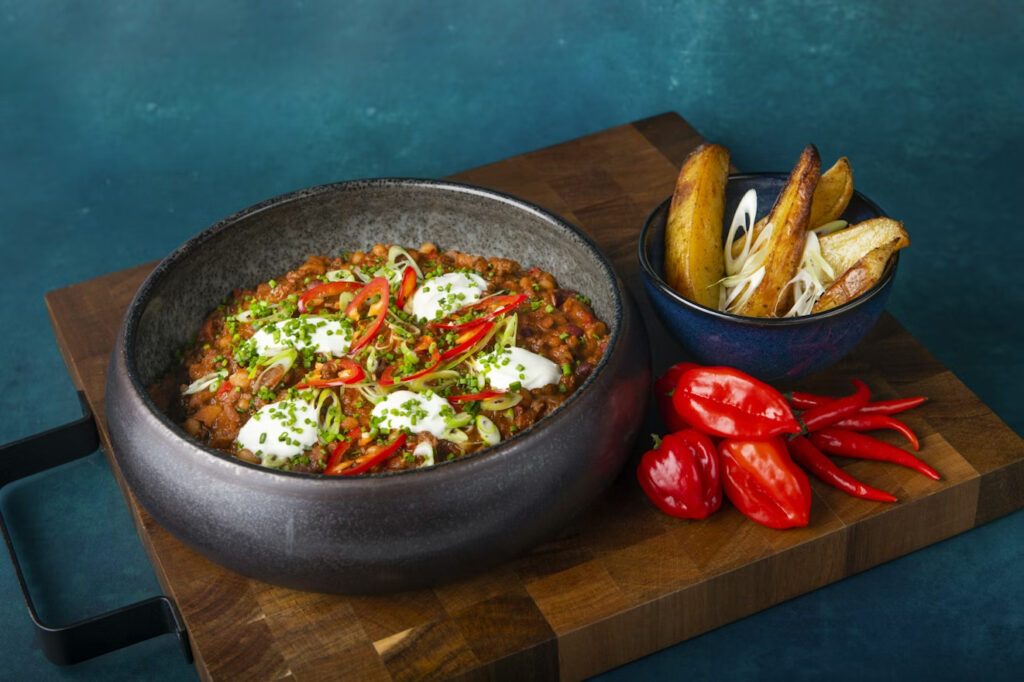
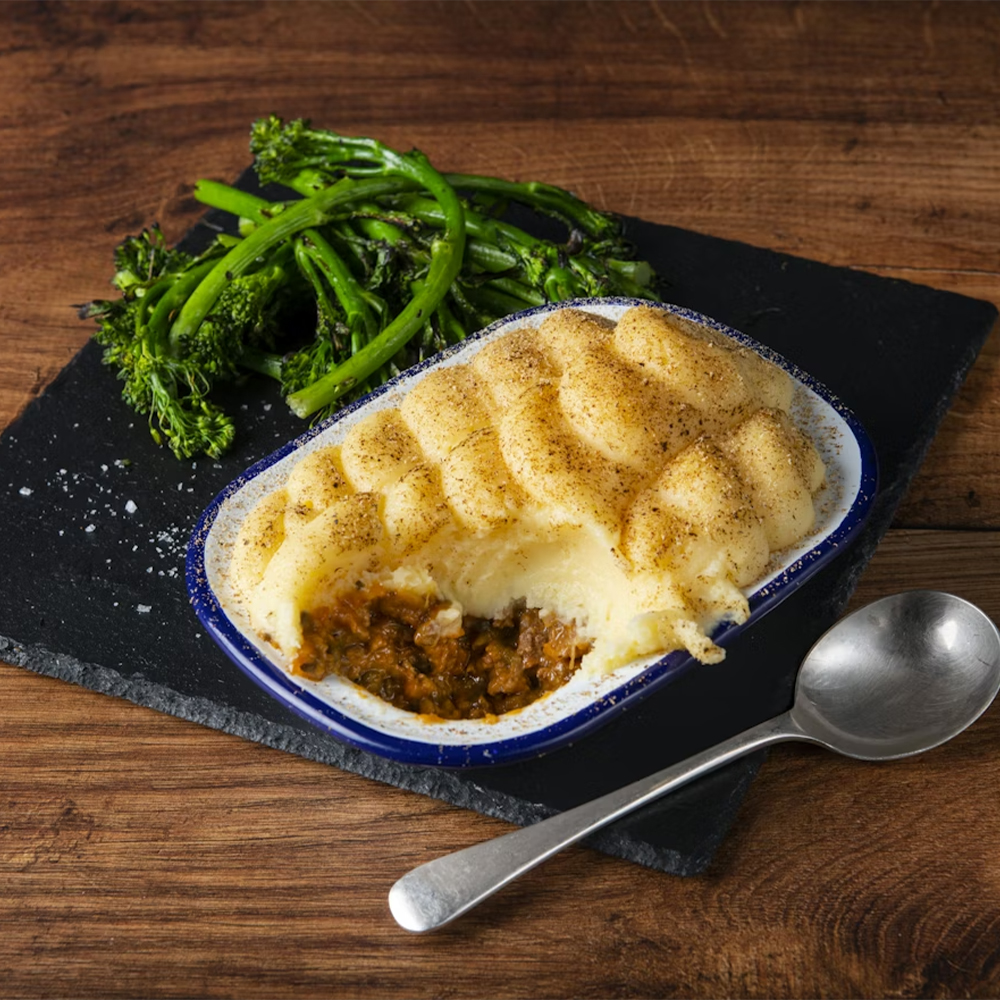
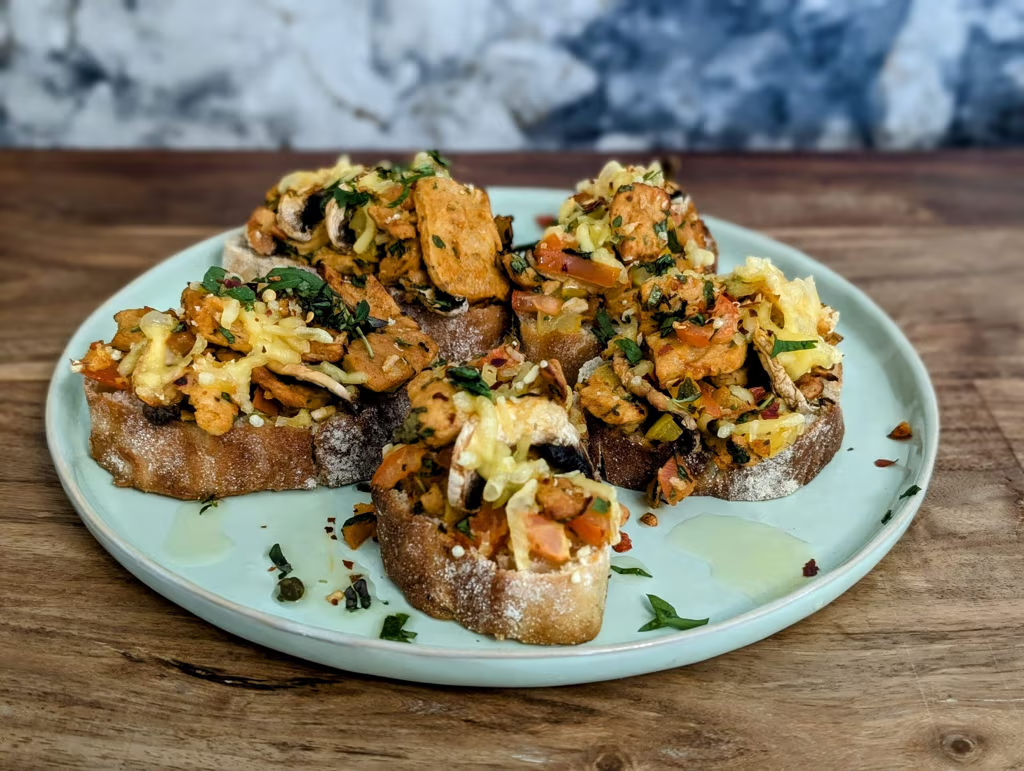
For Matt Vernon, success starts with understanding how people choose their food. Customers tend to return to meals they recognise. Asking them to move away from those choices can create a barrier. Instead, Big Carbon Kickout focuses on keeping those dishes on the menu, while improving how they are made. Recipes such as lasagne, cottage pie and beef chilli have been carefully adjusted through testing and feedback. The updated versions replace the originals, maintaining taste, portion size and value while lowering carbon impact. This approach removes the need for customers to make a conscious trade off. The better option becomes the standard option.

If you start by asking people to change what they eat, you create resistance. If you improve what they already enjoy, the change happens naturally.

Matt Vernon, Executive Development Chef

Designing Change Into the Dish

A key principle of the initiative is that sustainability should sit within the food itself, not alongside it. The Angel Hill hybrid burger is a strong example of this thinking. By combining beef with plant based ingredients, each serving reduces emissions by around 1.66 kg CO₂e. It still delivers 16 g of protein per 100 g, contains less saturated fat, includes added fibre and remains free from common allergens. The dish looks and feels familiar. The difference sits in how it is made. This model can be applied across menus. When the change is built into the recipe, uptake follows without the need for additional messaging or pressure.

What the Data Shows

The results from across Angel Hill sites provide a clear picture of how this approach works in practice.
Lower carbon dishes have been introduced across nearly 300 locations, with varying levels of uptake. Some sites serve smaller volumes, while others see higher demand. When combined, these contributions create a meaningful overall impact. Patterns in the data also reflect how customers engage with food throughout the year. Demand increases during busier periods, particularly in spring and summer, when outdoor events and barbecues are more common. These moments offer greater opportunities to reduce emissions, especially in areas where meat consumption is typically higher. The consistency between operational experience and reporting gives confidence that the approach is both practical and scalable.

Making Carbon Easier to Understand

Communicating carbon impact remains an important part of the initiative. Measurements such as kg CO₂e can be difficult to interpret in isolation. Translating those figures into mileage equivalents helps make them more relatable. Comparing a dish to the distance driven in a petrol car provides a clearer sense of scale. This approach supports more informed conversations with customers and helps build awareness of the impact of different ingredients, particularly beef.

Supporting Kitchens to Deliver

For kitchen teams, Big Carbon Kickout is designed to work within existing operational and commercial pressures. Adjusting ingredient balance can reduce reliance on higher cost items, creating more flexibility to refine recipes. Portion sizes remain consistent, and value is maintained for customers. In some cases, this also supports improved margins. The focus remains on delivering good food that works in practice. Sustainability is part of that outcome, not a separate objective.

A Simple Principle

At its core, Big Carbon Kickout is about making change feel straightforward. Customers are not asked to rethink their eating habits. Teams are not required to overhaul their operations. Instead, small improvements are made within familiar structures, allowing better choices to become part of everyday routines. As Matthew Vernon puts it, “Good food comes first. When you get that right and reduce the carbon impact at the same time, it becomes part of how you cook, not something separate.”

Chef of the Year takes centre stage at Angel Hill Live

Angel Hill Food Co. chefs from across the UK came together at Grand Station, Wolverhampton, on 20th March, to compete in the Chef of the Year 2026 competition – a central part of the first Angel Hill Live event.

Led by Executive Development Chef Dan Farrand, the competition reflected the pace and pressure of real service. A live cook-off saw finalists prepare and present their dishes in front of peers, partners, and an expert judging panel, demonstrating how culinary skill translates into consistent, high-quality food across diverse sites.

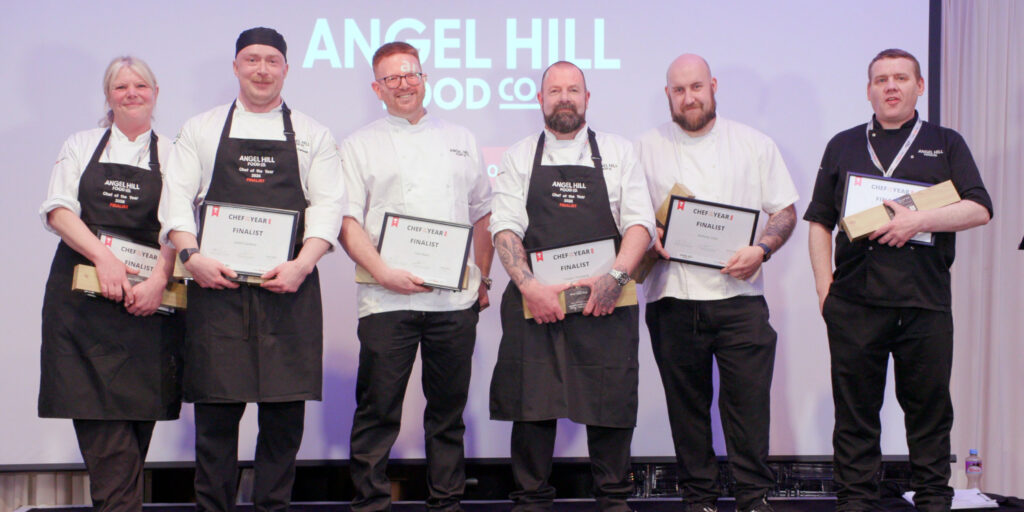
Chef of the Year finalists: Jenny Brown, Jamie Carless, Tom Ware, Tristen Cleveland, Anthony Clark and Darren Barnes.

 A platform for culinary standards

The Chef of the Year competition is a key part of the Angel Hill calendar. It recognises the role chefs play in delivering food that meets customers’ expectations every day, while also creating a space to collaborate, develop new ideas and raise standards across the business.

Six finalists reached the 2026 final:

  • Anthony Clark
  • Jennifer Brown
  • Jamie Carless
  • Tristen Cleveland
  • Tom Ware
  • Darren Barnes

Judged by industry expertise

The final was assessed by a panel combining sector experience and supplier insight, consisting of:

  • Wayne Wright – Culinary Development Chef, Bidfood
  • Dr Shelly Nuruzzaman – Founder and CEO, Bang Curry
  • Stuart Nisbet – Food Development Director, Tugo Food Ltd.

Judges focused on key criteria including taste and flavour, technical skill, and overall execution. They assessed each dish against both culinary standards and the realities of delivery in a contract catering environment.
Cooking under pressure

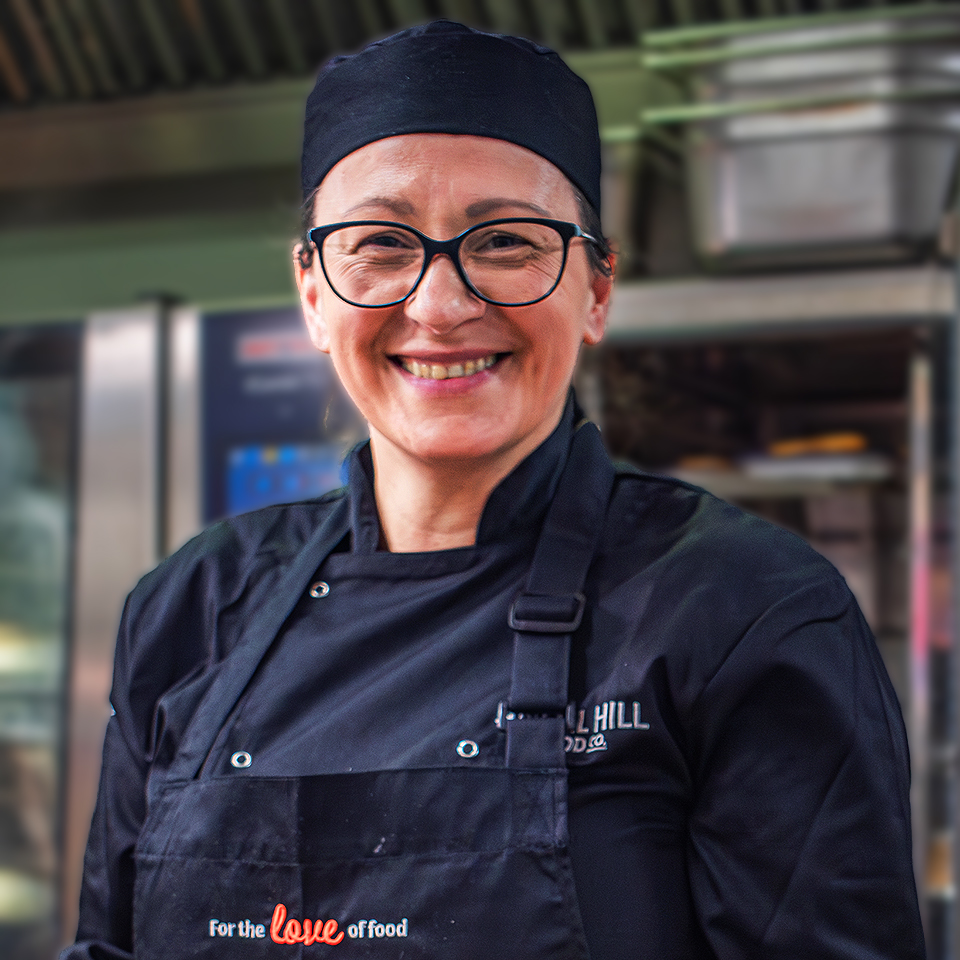
Working within a live cook-off format, overseen by Dan Farrand, finalists prepared their dishes under time constraints, reflecting the demands of day-to-day catering operations. Therefore, each dish had to demonstrate consistency, clarity, and scalability, while maintaining quality and presentation.

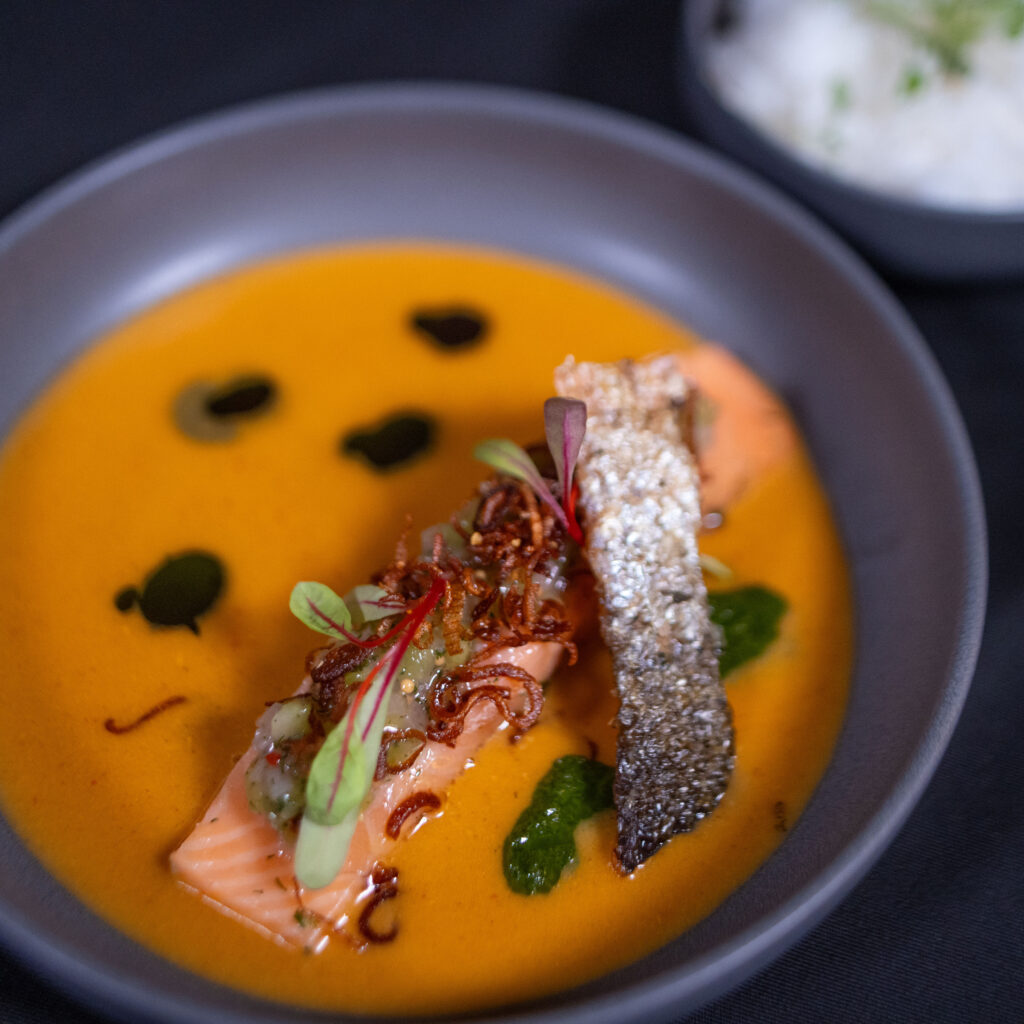
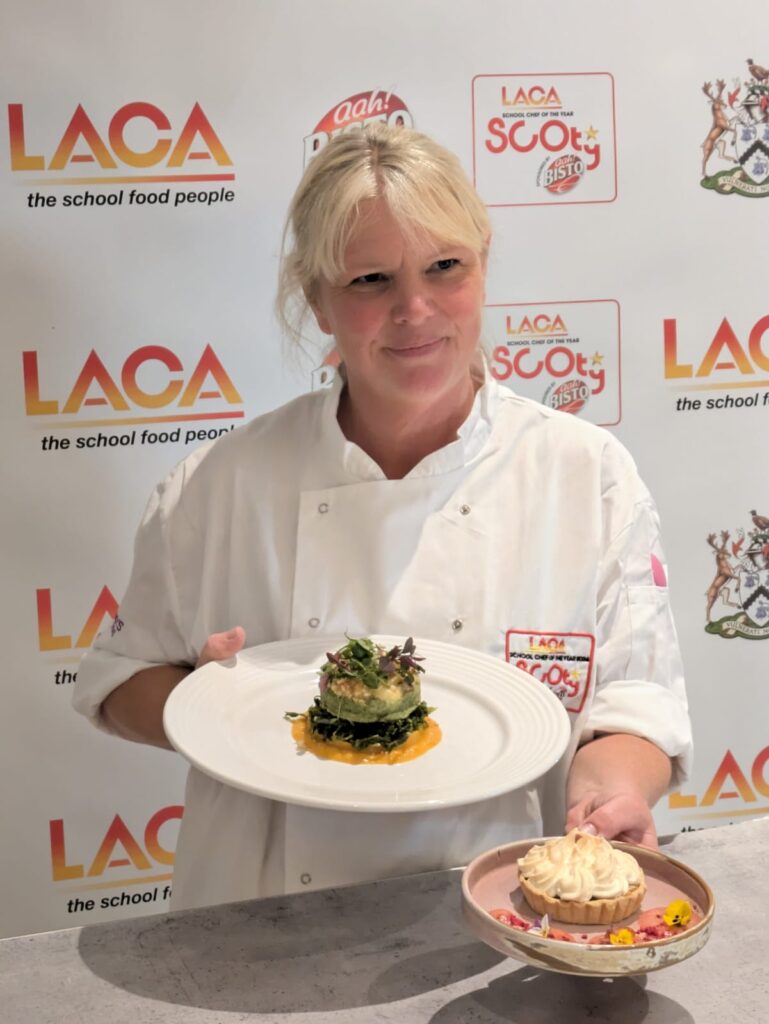
Runner Up dish, Confit Salmon & Thai Red Curry Broth, by Tristen Cleveland

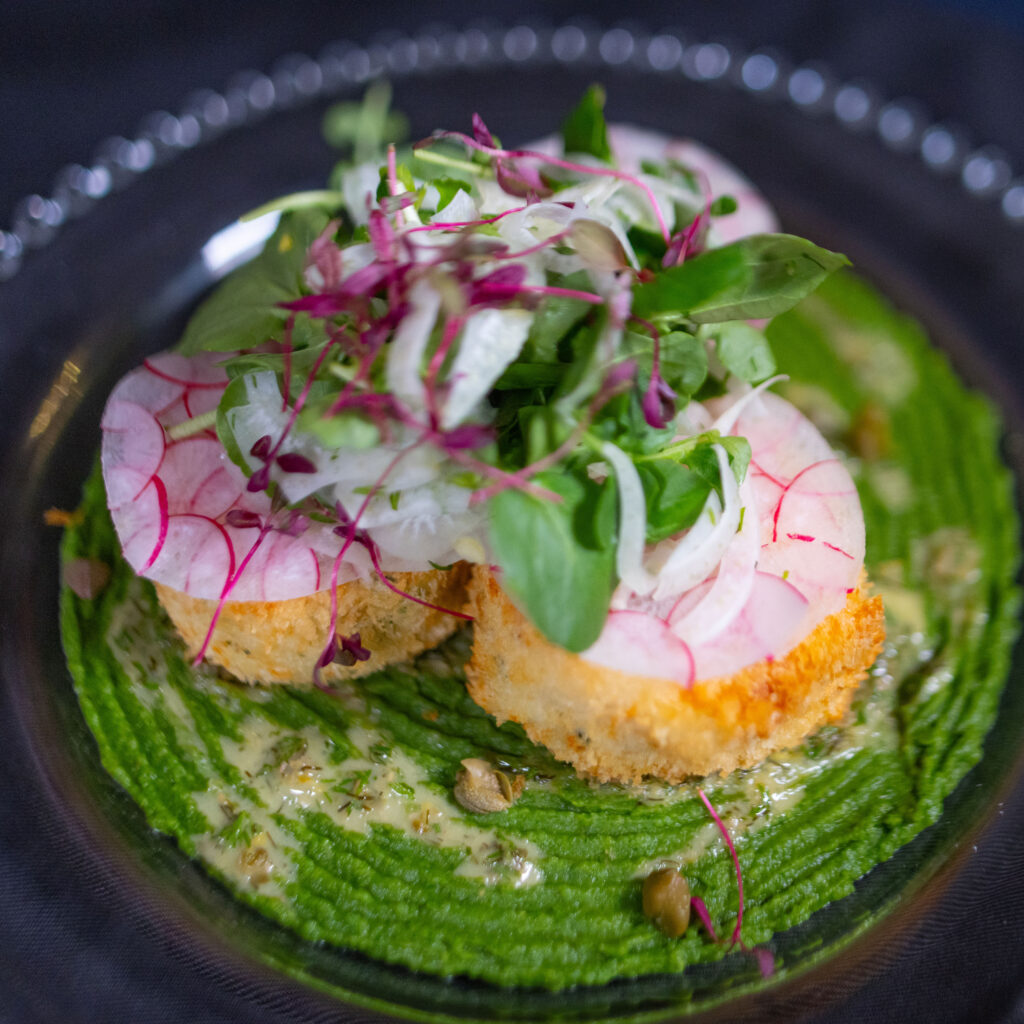
Third Place dish, Smoked Haddock & Chive Fish Cakes, by Jennifer Brown

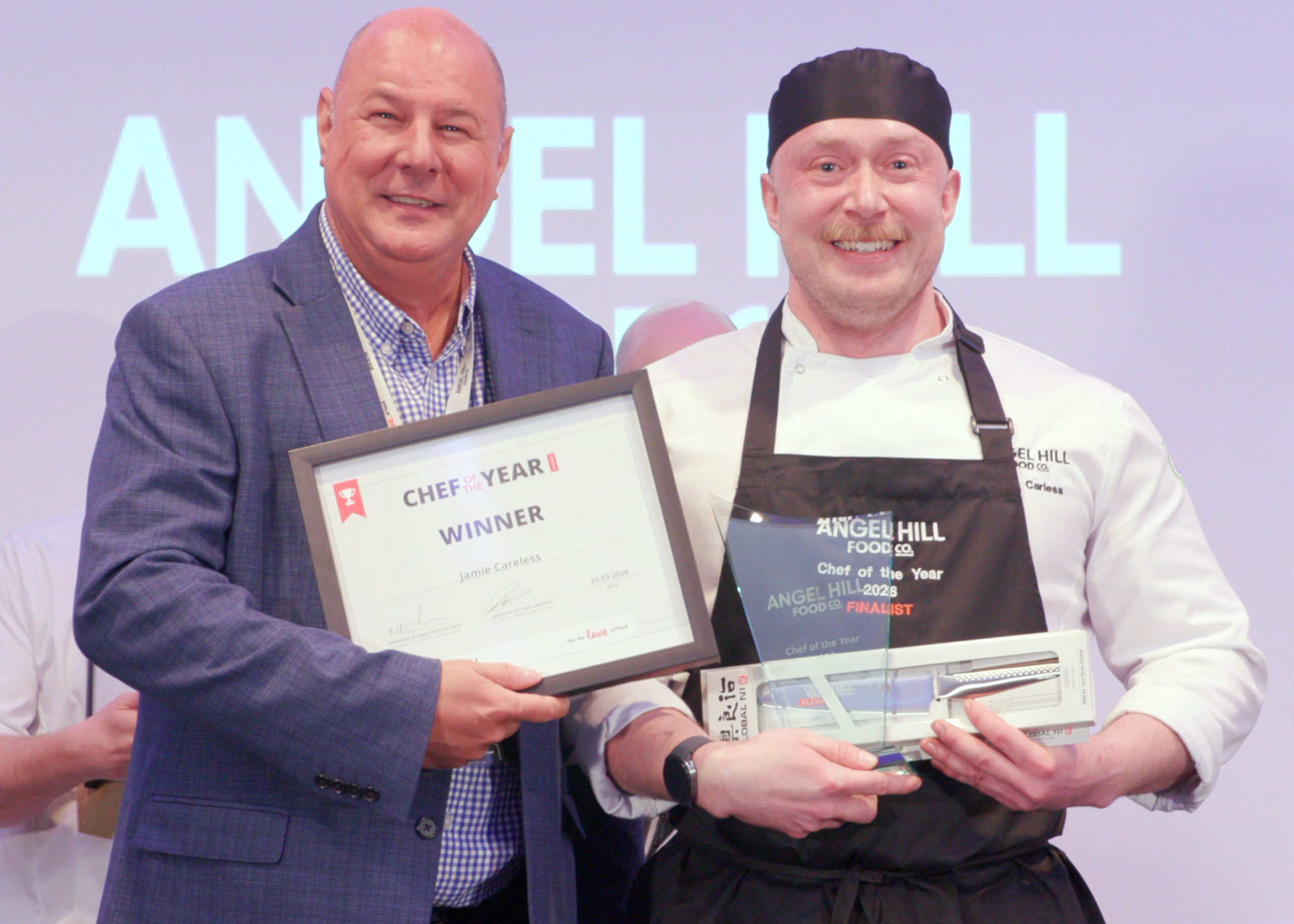
Chef of the Year 2026: Jamie Carless

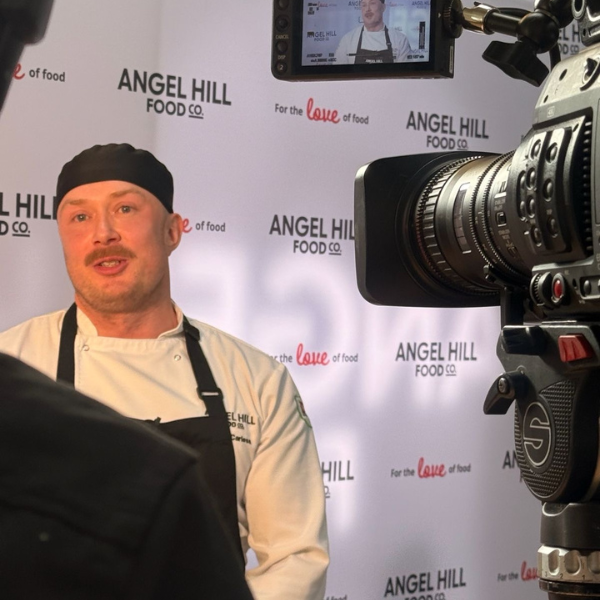
Jamie Carless, Chef Manager at Alloga, secured the Chef of the Year 2026 title with a performance that combined creativity and a clear understanding of modern food expectations.

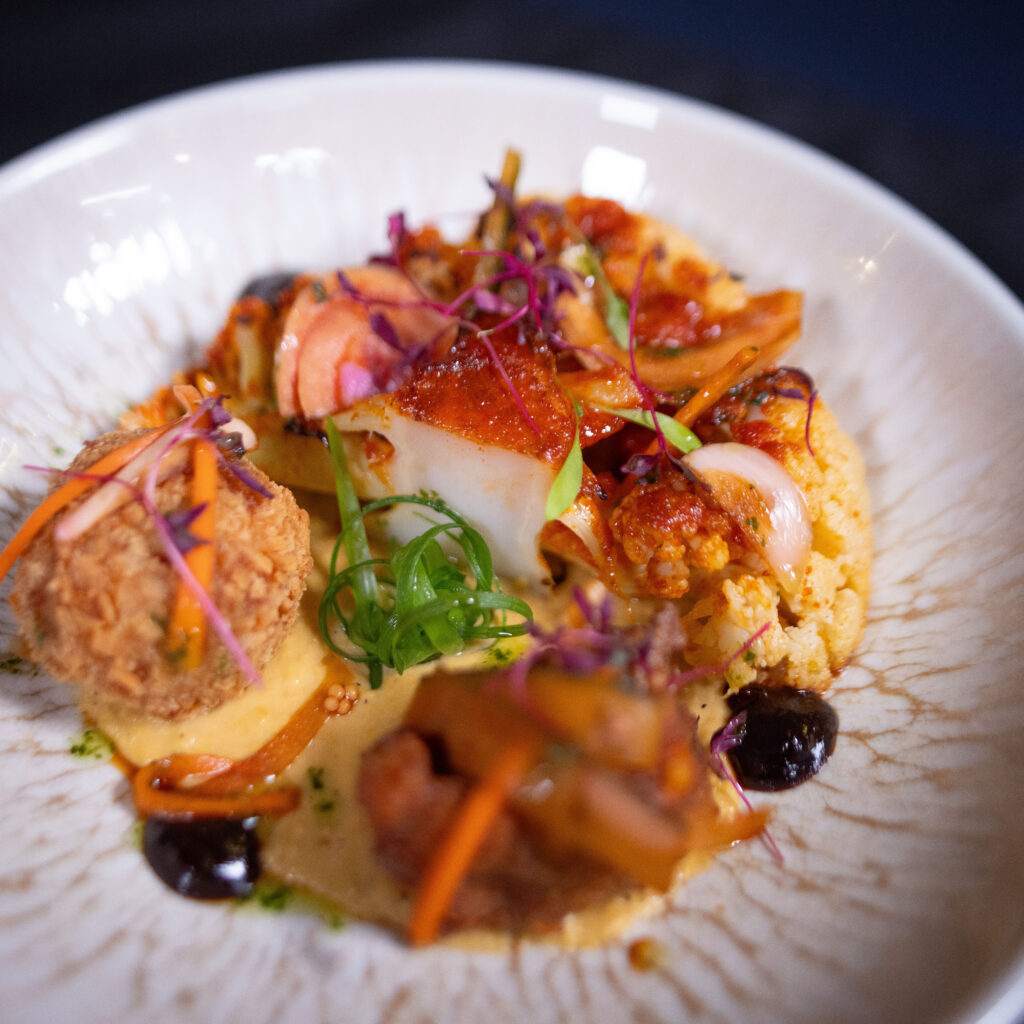
His winning dish, Cauliflower Three Ways, demonstrated a confident approach to plant-forward cooking. Moreover, the dish balanced flavour, texture and presentation, while remaining practical for delivery in a catering environment.
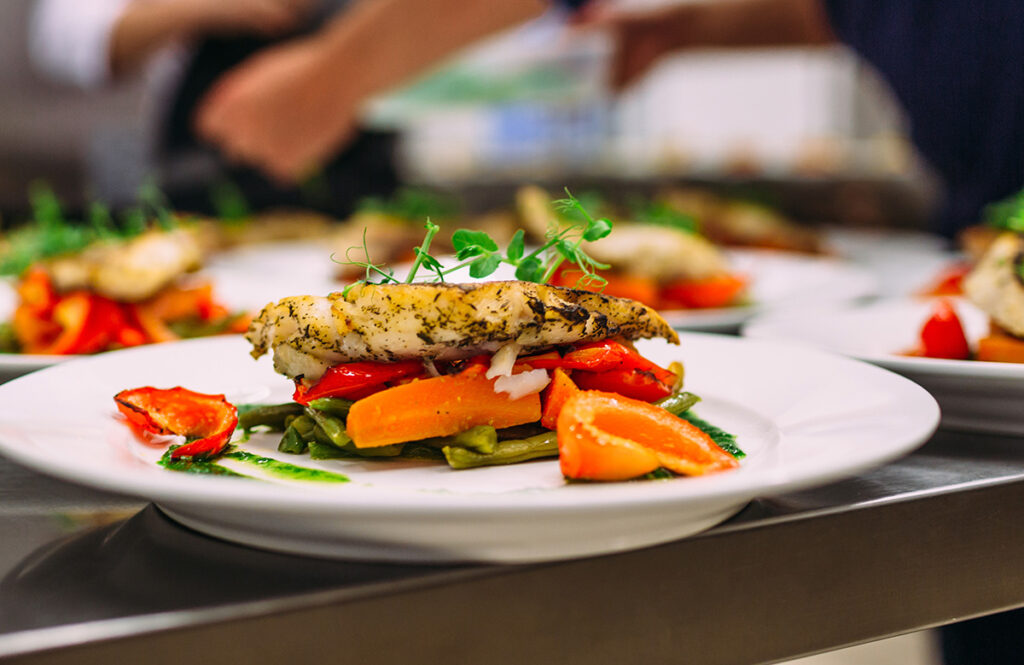
Tristen Cleveland, Executive Chef at Ocado Apollo Court, secured second place with Confit Salmon & Thai Red Curry Broth. Jennifer Brown of Sarum Academy placed third with Smoked Haddock & Chive Fish Cakes.

The judging panel recognised the overall standard of the competition, with each finalist demonstrating strong technical ability and thoughtful menu development.

Jamie Carless’s winning dish: Cauliflower Three Ways

Jamie Carless, 2026 Chef of the Year winner

Strengthening capability through people and practice

The competition highlighted the depth of culinary talent across Angel Hill Food Co. It also reinforced the importance of continuous development, with Dan Farrand supporting chefs in refining their skills and translating ideas into practical delivery.

Moreover, events such as Angel Hill Live create a setting where colleagues and partners come together to share knowledge, test new concepts and also strengthen ways of working.

By focusing on real service outcomes, the Chef of the Year competition supports consistent standards, encourages innovation and strengthens the overall food offer delivered to customers.

Looking ahead

Following the success of its first year, Angel Hill Live will continue to provide a platform for development, collaboration and progression in the years to come.

The Chef of the Year competition remains central to that approach, giving chefs across the business the opportunity to build their capability and contribute to the future of food at Angel Hill Food Co.

Award-Winning Chefs: A Look Back at Andre Alto’s LACA Grab ‘N’ Go Challenge Victory

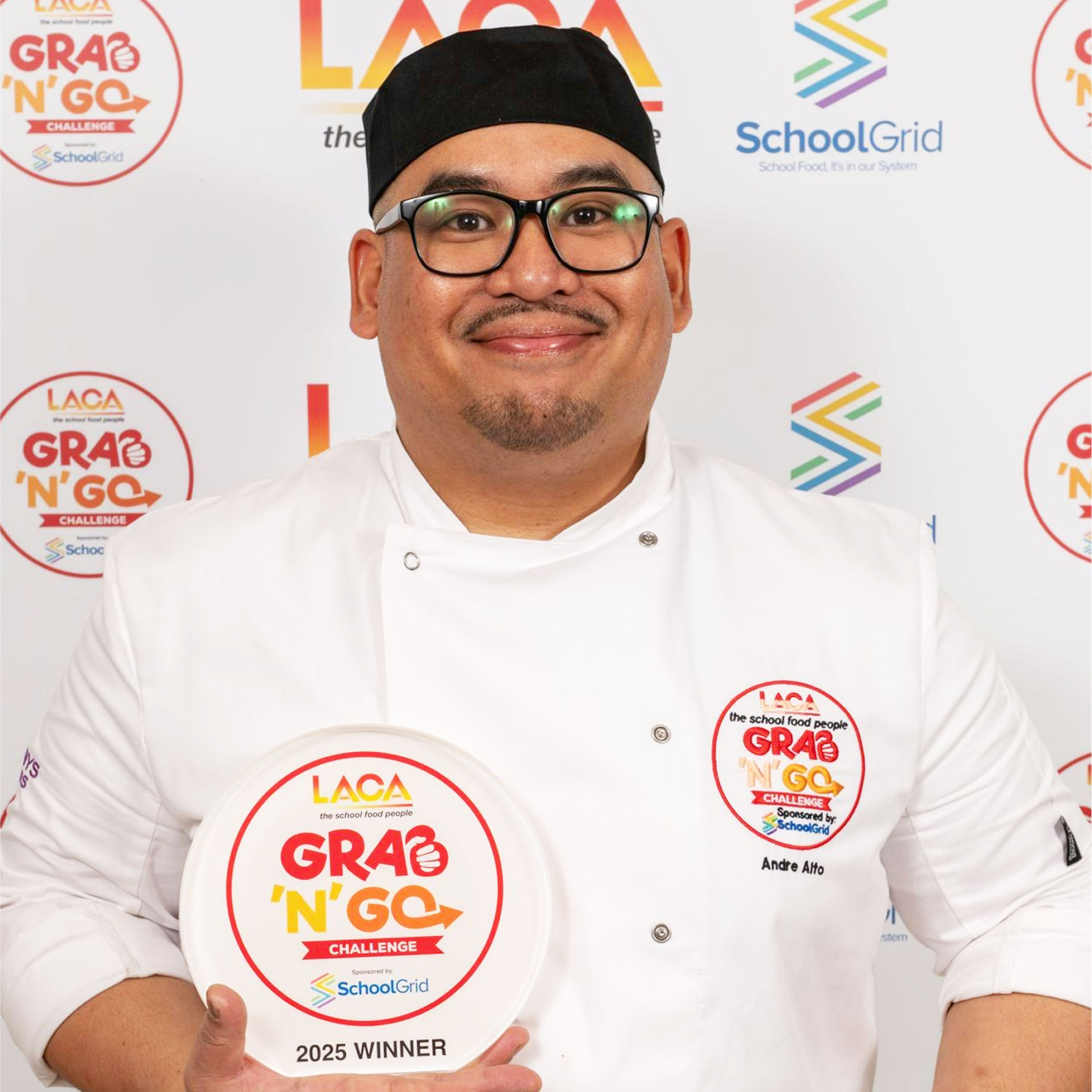
Angel Hill Food Co. delivers innovative catering for education, led by talented chefs who understand what students want to eat and how school kitchens operate. That expertise was recognised nationally in 2025 when Angel Hill chef Andre Alto was crowned LACA Grab ‘N’ Go Challenge Champion at the LACA Main Event in Birmingham.
In the national final, Andre competed against two of the UK’s top chefs and impressed judges with his Longganisa Rice Burger, inspired by his Filipino heritage. The burger met the brief for a practical, appealing meal for students on the go, standing out for its flavour, texture, originality, and visual appeal.
The competition celebrates innovation in education foodservice, and Andre’s win highlights the creativity and skill present in school kitchens across the UK.

Driving Positive Change for a New Catering Contract

Andre joined Angel Hill Food Co. during the launch of a new catering contract. Initially, the service faced challenges such as high food costs, food waste, limited student engagement, and service delays. Quickly, Andre implemented practical improvements, including collaborating with suppliers, reducing waste and improving efficiency.
To drive student engagement, Andre launched a calendar of theme days and new menu items, including the popular “Build Your Own Burrito” days, which helped create a more vibrant dining environment. He empowered the kitchen team by recognising individual strengths and giving colleagues more ownership of their sections. This improved service times and raised the quality standard. Within a year, the daily uplift increased by 15%.
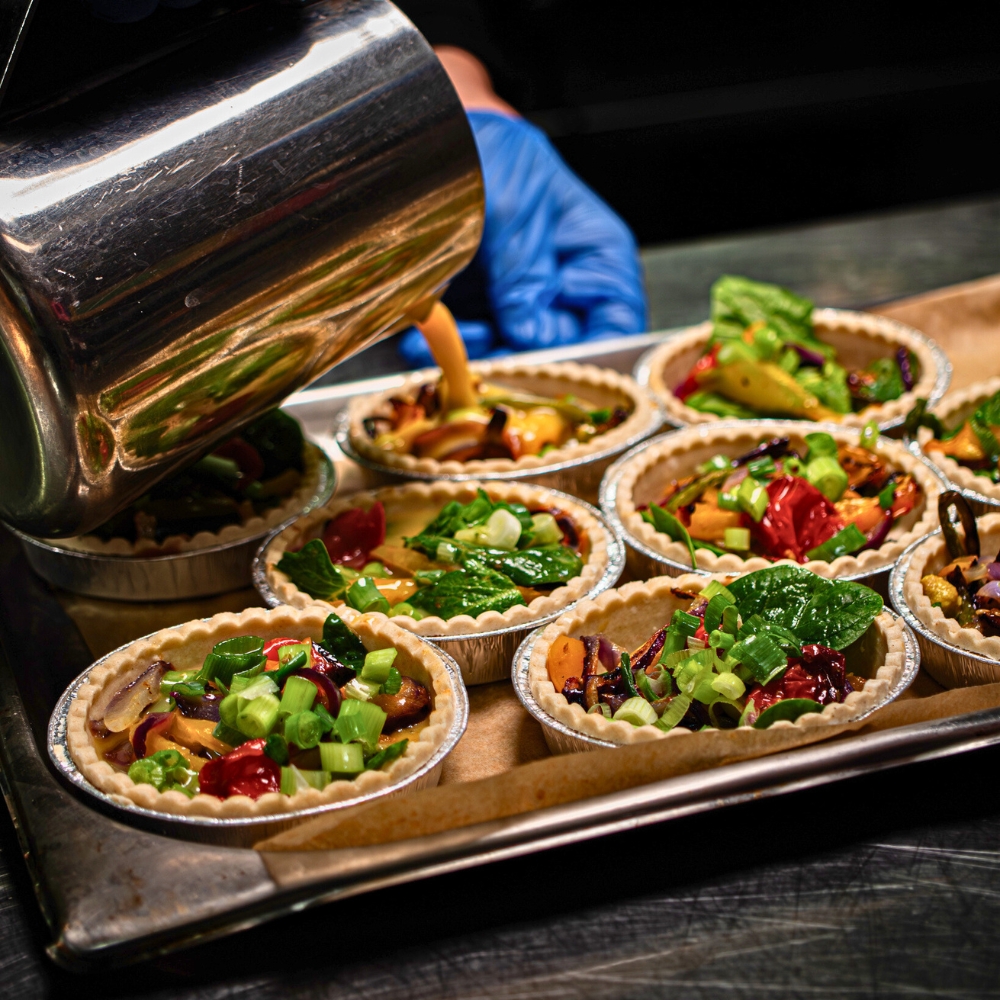
Andre also reduced disposable packaging by shifting to plated service where possible. This supported waste reduction and aligned with both Angel Hill Food Co. and the customer’s sustainability goals.

Talent That Strengthens Education Catering

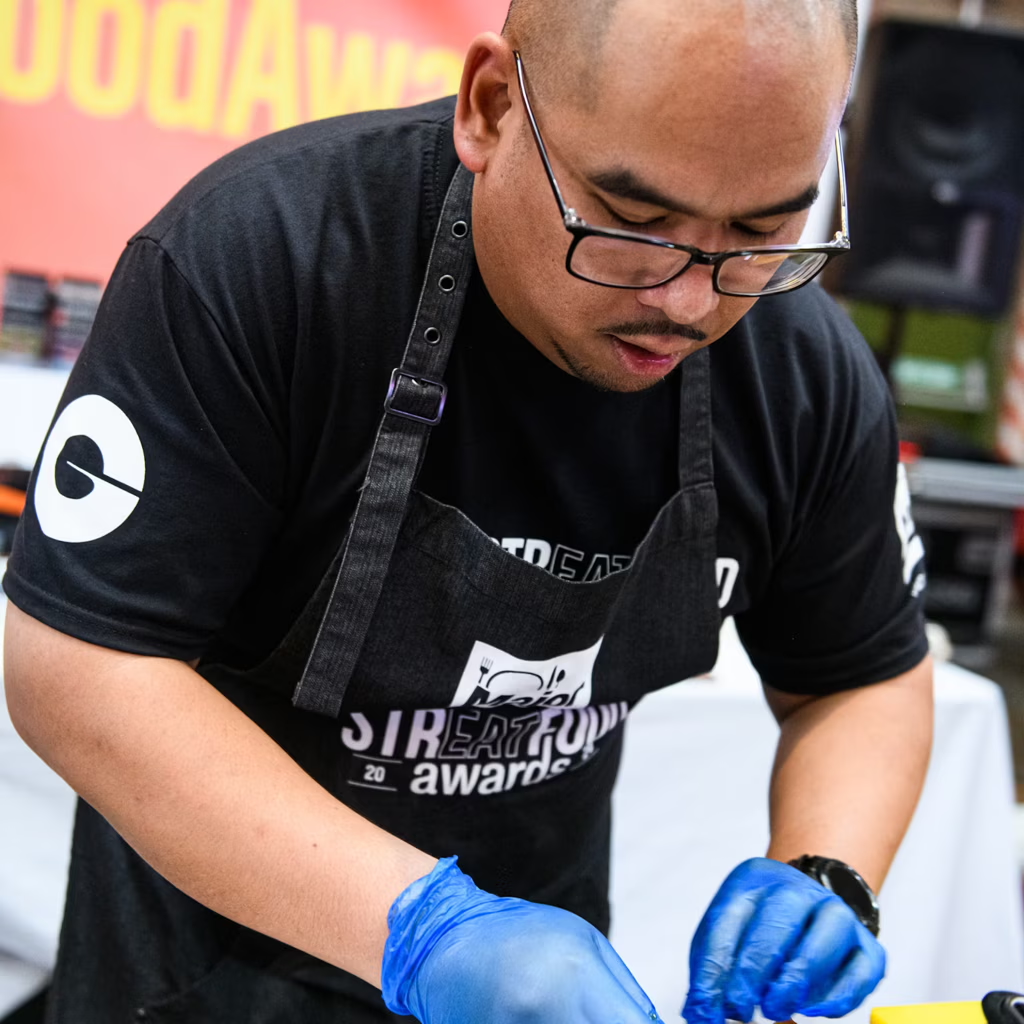
Andre’s achievements have been recognised across the sector. In addition to his LACA victory, he was a finalist in the 2024 StrEAT Food Awards.
Andre said:
“Competitions push you to think differently about food in schools. It’s about creating something pupils enjoy while making sure it works in a busy kitchen.”
Chris Ince, Angel Hill Food Co. Chef Director, said:
“Andre’s achievement reflects the dedication and creativity we see across our kitchens every day. Our chefs bring skill, passion, and fresh ideas that help schools create positive dining experiences for students.”
Andre recently discussed his competition journey and its impact on his career with SchoolGrid.
Angel Hill Food Co. chefs drive innovation in education catering, combining culinary creativity with practical solutions for busy schools. Above all, this ensures students enjoy nutritious, engaging meals every day. For the love of food.
Read the full interview with SchoolGrid here.

Reframing Nutrition Education For Today’s Students

Hannah Parish works across schools and colleges as a Nutritionist, supporting catering teams to translate nutrition guidance into food that young people will actually choose to eat. Working closely with chefs, site teams and education partners, she focuses on practical nutrition, building healthier habits through everyday meals, clear education and accessible choices that support learning, wellbeing and long-term health.

Understanding How Students Engage With Food and Information

Nutrition education in schools and colleges is changing. Young people are exposed to more information than ever, much of it conflicting or misleading. Rather than seeing this as a barrier, Angel Hill Food Co. treats it as an opportunity to rebuild curiosity and confidence around food.

“The focus is on making healthier choices feel practical, enjoyable and relevant. Nutritious meals need to compete with what students already know and like, so flavour, familiarity and accessibility matter as much as nutritional value. By positioning healthy food as something students want to choose, rather than feel they should choose, nutrition education becomes more effective and more lasting.”

Designing Food That Supports Learning, Health and Growth

Recipe development plays a central role in this approach. Menus are being enhanced through higher fibre content, smarter protein strategies and a clearer focus on nutrients that support brain health, concentration, immunity and physical development.

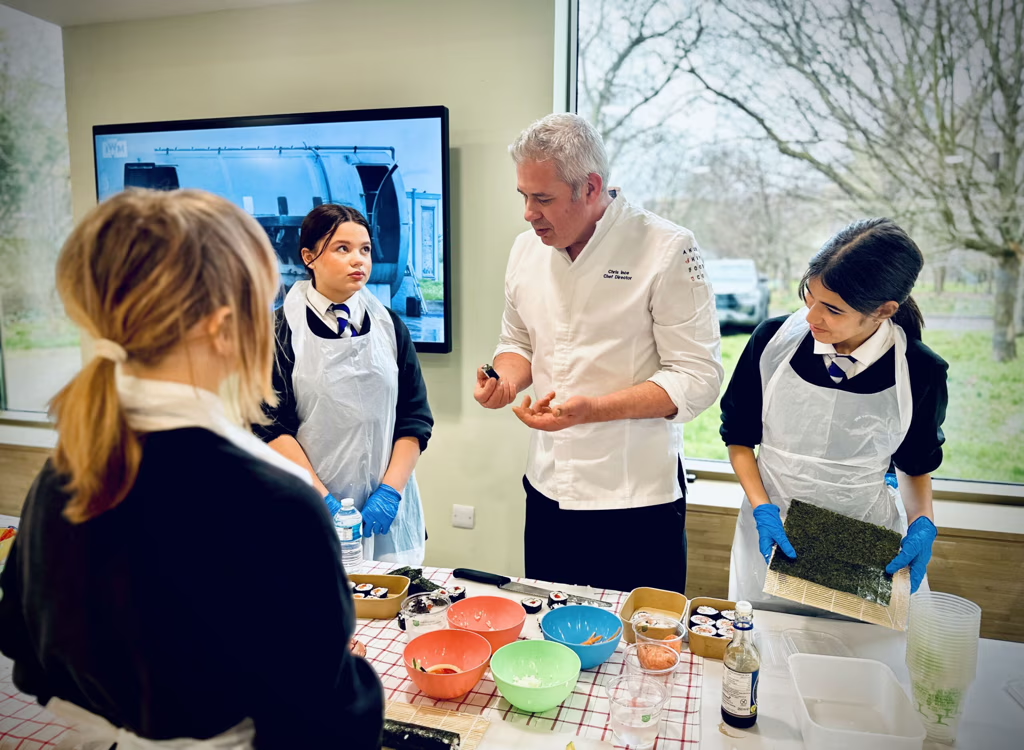
A key priority is exposure. Many students will not choose unfamiliar foods without encouragement, so Angel Hill Food Co. creates safe, engaging opportunities to try something new. Inspired by the Food Foundation’s Eat More Beans campaign, bean-based recipes are being increased across menus, supported by interactive, bean-themed sessions in schools. These sessions show how versatile, filling and appealing plant-based ingredients can be, helping students build familiarity and confidence over time.

Keeping Nutrition Education Relevant Throughout the Year

To maintain momentum, Angel Hill has developed a 2026 Nutrition Calendar, giving each month a clear theme, from gut health to sustainability. This allows schools and colleges to engage with fresh, timely topics rather than one-off initiatives that quickly lose impact.

Content is adapted by age group so messages remain meaningful and memorable. New concepts are also being developed around hormone health and bone health, recognising the importance of these areas for children and young adults. This ensures nutrition education supports both male and female health in a way that reflects real developmental needs.

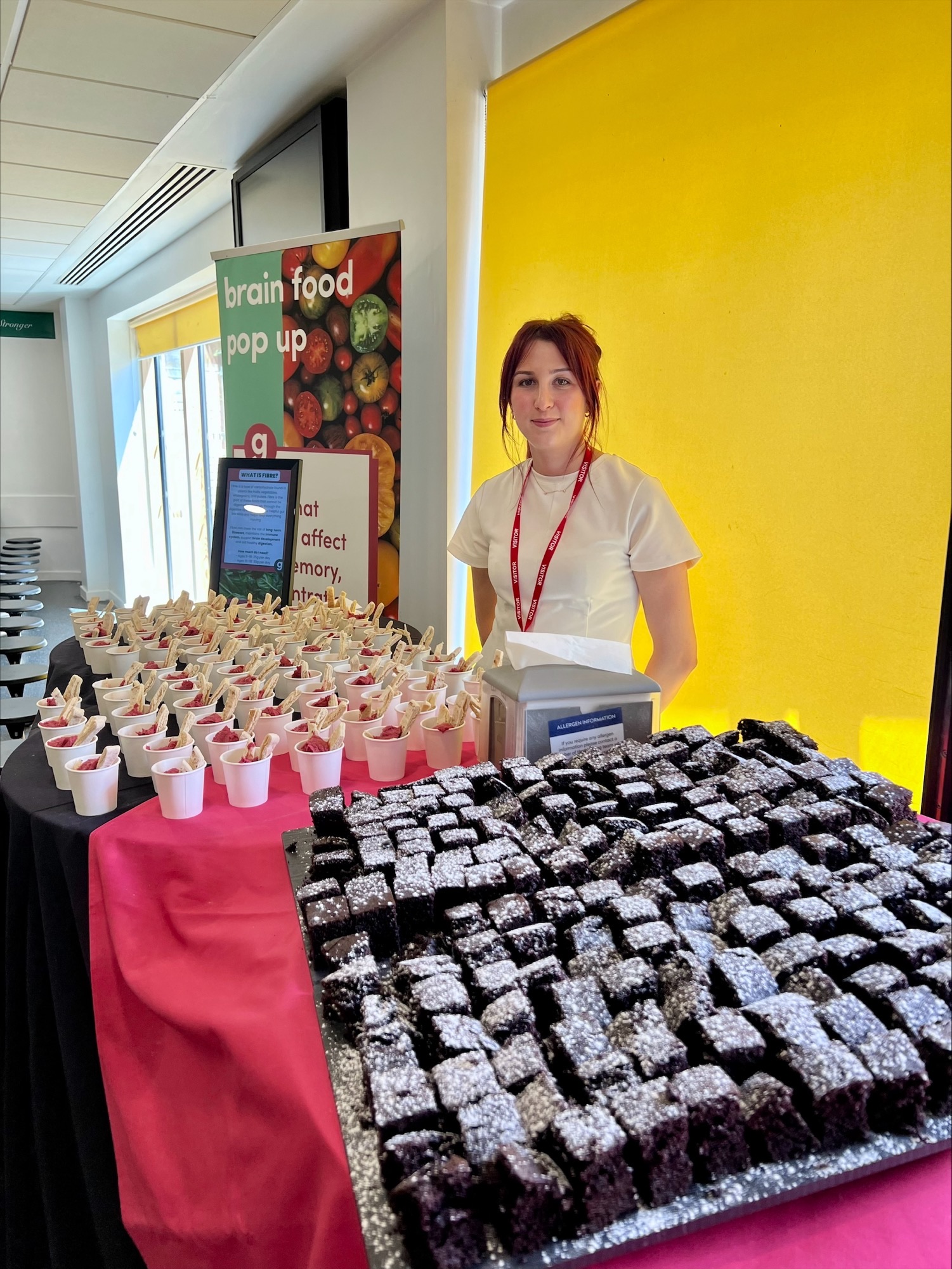
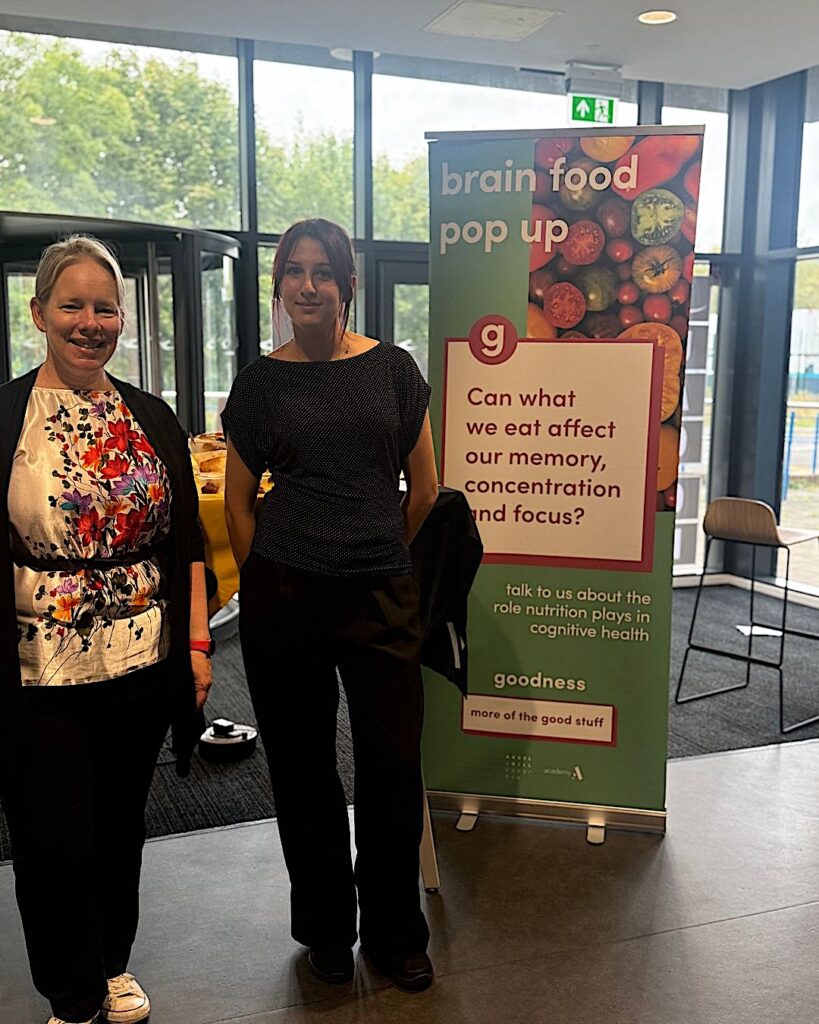
Alongside this, Goodness Pop-Up Toolkits provide sites with ready-to-use, evidence-based materials. These resources are regularly refreshed to keep conversations active and visible, helping students feel informed and empowered in their everyday choices.

Learning From 2025 and Shaping the Year Ahead

Campaigns delivered in 2025 reinforced that engagement matters most when education is interactive. While pop-ups are valuable for introducing new foods and gathering feedback, workshops and classroom-based sessions create deeper understanding. They allow teams to build on what students already know and tailor discussions to their interests and stage of life.

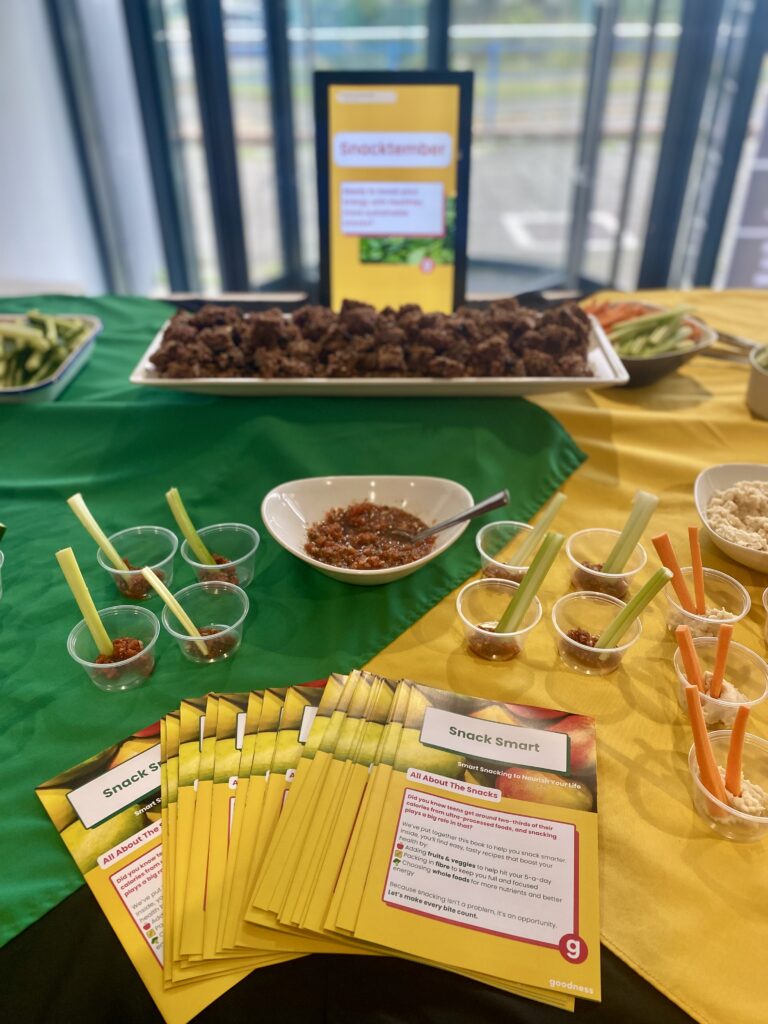
Participation in the British Nutrition Foundation’s Snacktember campaign highlighted the scale of snacking among children and teenagers, and its impact on energy, mood and concentration. In response, Angel Hill is launching a Snack Smart concept for schools, supporting better snacking habits year-round through more fruit and vegetables, higher fibre options and whole-food choices.

Accessibility was another key learning. Catering teams want to stay involved, even when specialist teams are not on site. For 2026, this has led to a stronger focus on simple, practical tools, such as printable nutrition cards that can be displayed instantly at counters. This keeps nutrition education consistent, visible and easy to deliver.

Turning Small Changes Into Lasting Habits

Work with chefs and catering teams shows that meaningful improvements often come from small, achievable changes. Familiar recipes are used as a base, with gradual additions such as wholegrains, extra vegetables or lower-sugar alternatives. These steps improve nutrition without increasing costs or disrupting service.

Menu planning also balances appeal, affordability and nutritional value through smart ingredient choices. Beans and pulses, including Future 50 foods, are used alongside meat to increase fibre and protein, reduce saturated fat and support sustainability. Hybrid recipes using allergen-free plant proteins allow costs and carbon impact to be reduced while maintaining flavours students enjoy.

Looking ahead, the strongest influence on education catering is a shift in how nutrition is discussed. Moving away from labels of “good” and “bad” food, Angel Hill focuses on adding more goodness to everyday meals. More fibre, more whole foods and more nutrients that help students feel energised, focused and emotionally steady.

By supporting chefs to talk confidently with students and explain why food matters, catering becomes part of the learning environment. The result is a positive food culture where students stay on site, feel included, and begin to build habits that support their wellbeing now and into adulthood.

Q&A with Jennifer Brown, Catering Manager at Sarum Academy

Jennifer Brown has dedicated more than a decade to supporting students and the wider community through her work in school catering. Her career has taken her from pubs and hotels to chalets, delis and seasonal work, eventually leading her to Sarum Academy, where she now manages a close-knit team committed to creating a warm, welcoming environment for pupils every day. In this conversation, Jennifer speaks about her journey, her passion for food, and the importance of supporting young people through nutritious, reliable meals.

Tell me a bit about yourself, your role and what led you here.

My name is Jennifer Brown and I work at Sarum Academy in Salisbury. I have an amazing team of four. I’ve worked in all sorts of places over the years, mainly pubs, and I previously managed pubs before moving into seasonal work. I’ve worked in chalets, hotels, delis, anything food related really. I’ve been in the food industry since leaving college.

When I had my children, the hours in pubs became difficult, so joining Sarum Academy fitted my life perfectly. That was ten years ago and I’ve been with the company ever since, with almost the same team the whole time. We all get on well, and that makes a real difference. We also supported a satellite school, Springfields, which we used to provide food for.

You’ve also been involved in community work. Can you talk about that?

Yes, through our work with Springfields we were approached by Salisbury District Council to support an OAP lunch club. We supplied meals every Thursday and did Christmas lunches for the elderly. My team have always backed me in things like this. I also took part in the Culinary Classroom and later led a Game Workshop, which was special for me. It felt like coming full circle, going from being the one learning to being the one giving something back.

Was there anything early in your life that made you want to work in catering?

My grandmother was a huge influence. She grew up in an era where you had to be thrifty and she was an amazing cook. She made everything from scratch, including pickles and preserves. I learned so much from watching and helping her. It made going into food feel very natural.

Pupils eating lunch

What has evolved for you over that time and what keeps you passionate about the job over the time you’ve been here?

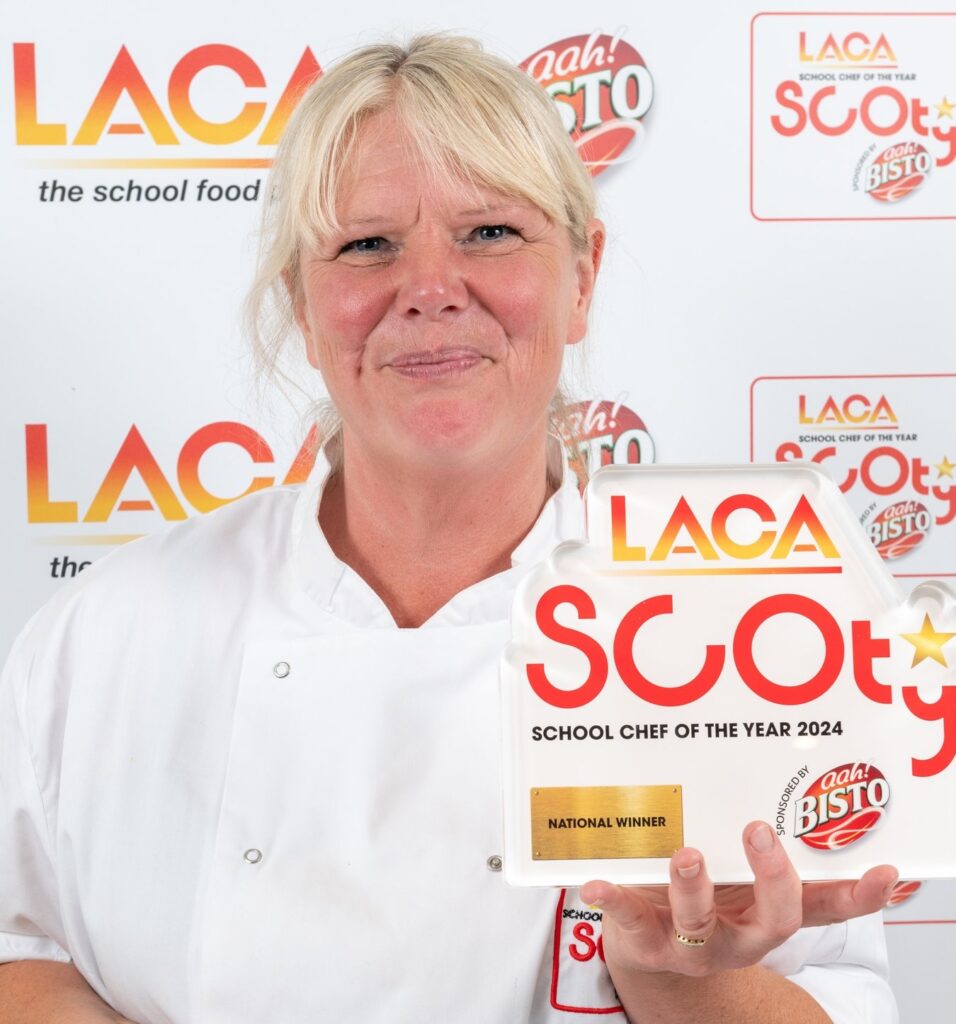
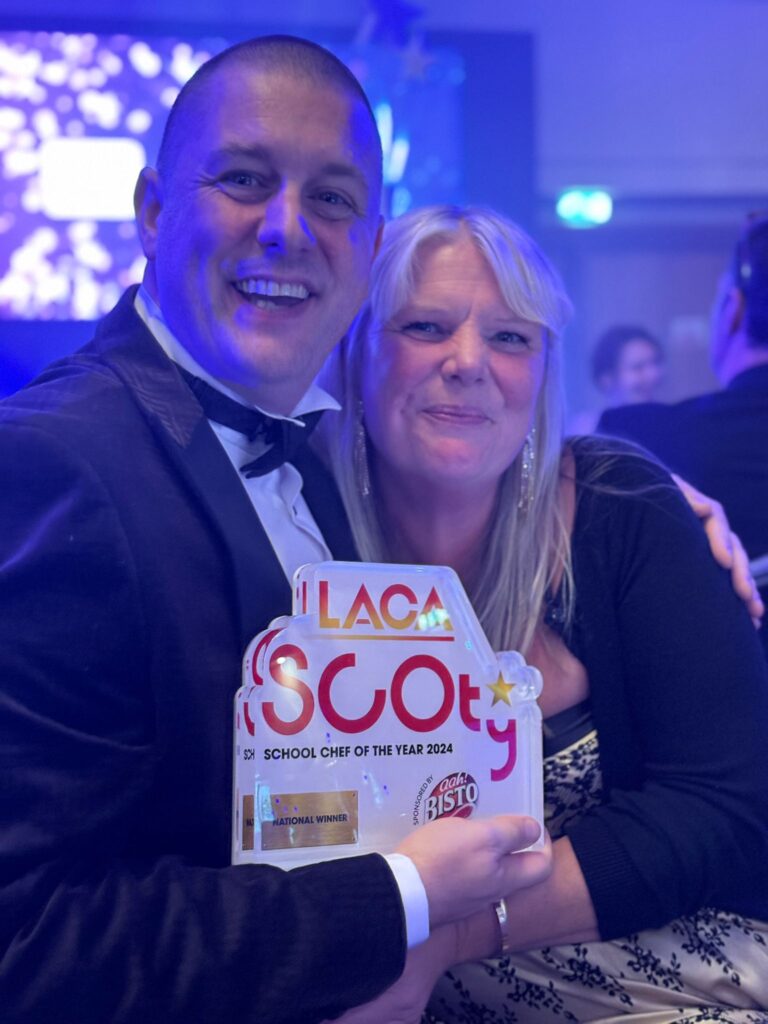
Winning SCOTY was a big moment because I had entered for four years before finally winning. But the real learning came from understanding the value of school meals. I didn’t realise how many children rely on school for their main meal of the day. It opened my eyes.

Kids need good food to learn, concentrate and get through exams. There are children who arrive without breakfast or who may not have had dinner the night before. COVID made that even clearer. What we do matters, and we are not just “dinner ladies”. We’re helping children achieve their best.

You’ve won several awards. How has that recognition shaped you?

I still work closely with LACA and I’m currently their treasurer. It gives me a strong network of people to learn from. I’ve represented school meals at the House of Commons, taken part in Salon Culinaire where I won bronze, and won Dish of the Year at the Food Co. competition.

Culinary Classroom really started it all. It encouraged me to compete, which pushed me to grow, and eventually led to SCOTY. That programme is brilliant for developing people and helping you see what you’re capable of.

What sets your team apart within the catering industry?

We’re a very close team. My colleagues know every child by name and we all genuinely care. We may not have the biggest budget, but we work creatively and make things look great with what we have. We run theme days, workshops and always try to make food fun.

One project I’m particularly proud of is Cook Together, Eat Together, run with the council. We invited families without a dining table at home to come in, cook a meal with us, learn the recipes, and then take home a hamper of ingredients. We dressed the tables beautifully so families could enjoy a meal together, maybe for the first time in a long time. That’s what sets us apart. We genuinely care about the children and their families.

What has been one of the most rewarding moments of your career?

SCOTY has to be the biggest one. Winning it with my husband sitting next to me was incredible. I also cherish the bronze at Salon Culinaire because that was against chefs from across the whole industry. But SCOTY is the highlight.

Looking ahead, what goals or ideas are you excited about for next year?

I’d like to do more workshops and more theatre cooking with the students. I also want to keep developing the dish I entered before and see if I can push it from bronze to silver. I’m grateful to everyone who has supported me: Matt and Rob, my team, Sarum Academy and the programmes that encouraged me to learn and grow. Without their encouragement, none of this would have happened.

Jennifer’s work reflects the heart of OCS’s mission to make people and places the best they can be. Her commitment to students, families and the wider community shows the difference that caring, skilled colleagues can make every day. Through her leadership, creativity and passion for food, she continues to support young people and help create an environment where everyone has the opportunity to thrive.

For the Love of Food: Q&A with Henry Watts on the vision behind Angel Hill Food Co.

Following the launch of the refreshed brand, we spoke with Henry Watts, Managing Director for Angel Hill Food Co. about the thinking behind the relaunch, what customers and colleagues can expect, and why food and the people who prepare it sit at the heart of the vision.

What inspired the relaunch of Angel Hill Food Co.?

Angel Hill Food Co. sits on strong foundations, but it reached a natural moment of change. The business OCS acquired in 2012 had served the B&I market well for many years, but the brand no longer reflected where the offer had grown to or where it was heading.

The Angel Hill name itself is rooted in heritage. It comes from Bury St Edmunds, where the Servest business, a forerunner of OCS, began. Angel Hill is the street where that story started, being one of the oldest food markets in the country and a centre of culinary excellence and exploration. The relaunch reconnects the catering offer to its origin, while giving it a clearer, more contemporary identity that reflects the quality of food and service now being delivered.

What will customers notice first about the new brand?

The most important change is not visual; it is experiential. Food is centre stage. Angel Hill Food Co. is about fresh ingredients, freshly prepared food, and menus that change and evolve.

Food plays a much wider role in people’s lives than simply sustenance. It brings people together, marks occasions, reflects culture, and creates moments of connection. That belief underpins the strapline ‘For the Love of Food’. It is a simple expression of why the offer exists and of the teams that deliver every day.

Customers should see food that looks appealing, tastes good, and is prepared with care, using responsibly sourced ingredients. The branding supports that story, but the proof sits on the counter.

How important are people in bringing the brand to life?

People are fundamental. Frontline colleagues are the face of the business. They interact with customers every day, they understand local preferences, and they shape the experience far more than any brand asset ever could.

The focus is always on having the right people in place. When colleagues share the right values, skills can be taught, and knowledge can be developed. That means investing in training, support, and the tools that make it easier to deliver great food and great service.

There is a simple truth behind the model. Great food leads to happy customers. Happy customers lead to strong customer relationships. None of that happens without colleagues who care about what they do.

How are teams empowered while maintaining consistency and safety?

Food safety and allergens are non-negotiable. Those standards create clear boundaries. Within them, colleagues are trusted to apply their local knowledge.

What works in Scotland may not work in Cornwall. Preferences vary by region, site, and customer group. Teams understand that detail better than anyone and are encouraged to adapt menus within agreed frameworks. That balance between consistency and empowerment is essential to delivering a safe, relevant, and engaging food offer.

What makes Angel Hill Food Co. different in a crowded catering market?

Angel Hill Food Co. benefits from being part of OCS while retaining the agility of a specialist catering business. That combination matters.

The business operates with the flexibility and responsiveness often associated with smaller operators, while drawing on the scale, resources, and support of a wider facilities management group. This allows Angel Hill Food Co. to work successfully as a standalone catering partner or as part of a broader, integrated offer.

For customers, it means access to a catering brand that feels personal and focused, but is backed by resilience, governance, and long-term capability.

What do you want customers and colleagues to feel when they experience the brand?

For customers, the experience should feel personal. Catering is the one service on-site people actively choose and pay for, which makes quality and value highly visible.

When people see the Angel Hill Food Co. name, they should associate it with fresh food, great service and food crafted with care and purpose. That means menus shaped with nutrition in mind – not as an add-on, but as part of how food supports people through their day, whether they’re working, learning or delivering essential services.

For colleagues, the brand should feel inclusive and supportive. Investment in training, development, and tools helps teams feel included in a greater entity, even when they are geographically distant from the head office. That sense of being part of a team directly influences consistency and pride in delivery.

How will the brand continue to develop over time?

Consistency matters as much as creativity. The ambition is not to have peaks and troughs, but to deliver a steadily improving service. New concepts, chef development, and menu evolution are all part of that journey, designed to keep customers engaged day after day.

Feedback from sites already shows growing confidence in the offer and stronger customer response. That momentum comes from clarity of purpose and having the right people delivering it. Retaining existing partnerships and earning new ones flows naturally from doing the basics well, every day.

Angel Hill Food Co.’s relaunch is about reaffirming a simple idea: when food is prepared with care by people who are supported and trusted, it creates better experiences for everyone.

Culinary Classroom: Wrapping Up an Inspiring Year of Learning

This year’s Culinary Classroom has come to a memorable close, marking the end of an intensive and inspiring 10-month journey for ten chefs from Angel Hill Food Co. The programme culminated at the prestigious International Salon Culinaire, bringing together months of exploration, growth and hands-on experience that has broadened both culinary skills and professional perspectives. 

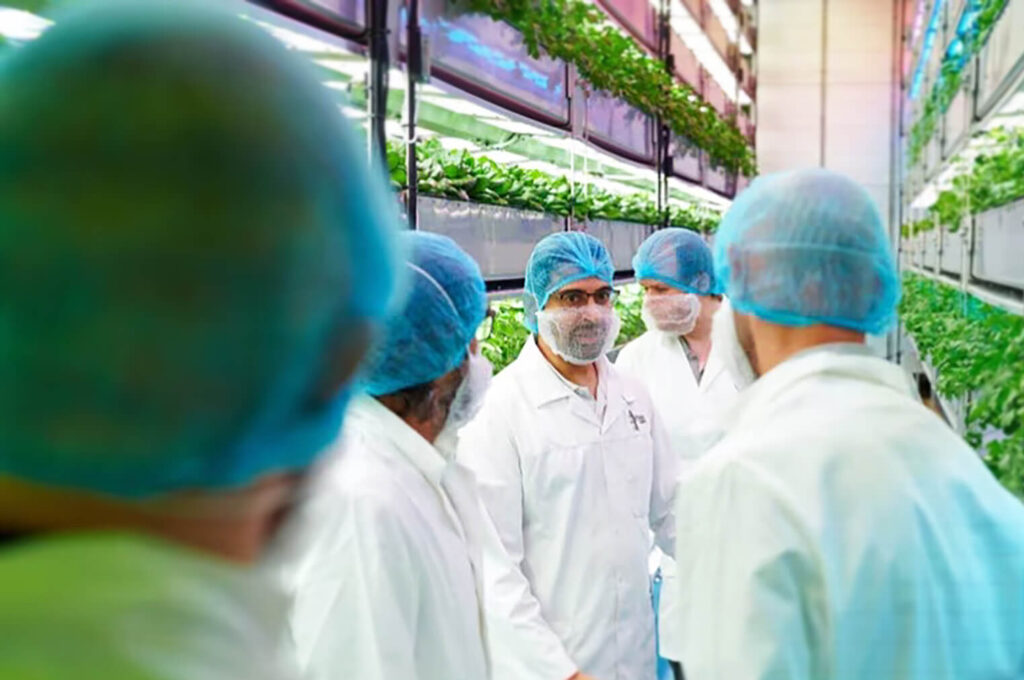
The Culinary Classroom is more than traditional training – it’s a transformative experience designed to deepen a chef’s understanding of food from every angle. Over the past year, participants have immersed themselves in a wide range of culinary disciplines, from sustainable vertical farming and low-carbon kitchen techniques to traditional craft skills such as bread-making and butchery. 

Each monthly module provided chefs with the opportunity to expand their knowledge and refine their craft in areas they may not encounter in day-to-day kitchen operations. This holistic approach not only strengthened technical skills, but also fostered a deeper appreciation of the journey food takes from farm to plate – an understanding that enriches both creativity and execution back in the kitchen.

AI in contract catering

Exploration, Immersion and Insight

A core strength of the Culinary Classroom is its combination of classroom learning and real-world application. Chefs participated in hands-on experiences at food roadshows and street food safaris across the UK, gaining first-hand exposure to food cultures, trends and supplier insights. These immersive experiences helped broaden perspectives on flavour, presentation and customer expectations – essential elements for any chef looking to innovate within modern catering. 

Importantly, the programme also built meaningful connections between chefs and suppliers. Through these interactions, participants learned about the passion and expertise behind quality ingredients and sustainable supply chains. Understanding a supplier’s craft nurtures respect for quality and drives better decision-making in menu development – a key focus of the Culinary Classroom experience.

Growing Skills Across the Board

Beyond practical techniques, the programme covered crucial aspects of professional growth. Modules led by Angel Hill Food Co.’s executive development team introduced robust training in menu planning, seasonal recipe development and even financial management – areas that equip chefs with the skills needed to think beyond the kitchen and understand the broader business of food service. By the end of the year, participants not only gained culinary depth but also essential business acumen that supports long-term success. 

Executive Development Chef, Matthew Vernon, reflected on the journey with pride:

Our Culinary Classroom chefs have been elevated within their profession and collaborative relationships have been nurtured. It’s been an incredible journey and a truly memorable class. I’m very proud of everyone and look forward to the reunion in 2026. It’s onwards and upwards for our chefs – exciting opportunities and competitions await in the future.

From Farm to Fork and Beyond

Participants gained deeper insights into the food ecosystem through visits that took them beyond standard kitchen walls. From mastering vertical farming techniques that maximise yield with minimal environmental impact to exploring how thoughtful ingredient selection influences flavour and sustainability, the Culinary Classroom emphasised that great cooking starts long before a dish hits the plate. 

Interaction with suppliers such as Syan Farm, which specialises in innovative protein solutions, and master butchers who provided expert technique sessions, highlighted the programme’s breadth and commitment to grounding chefs in real food knowledge – from field to fork.

A Future-Ready Culinary Community

As the curtain falls on this year’s Culinary Classroom, the growth and connections built by this cohort are clear. Participants return to their kitchens with a wider skill set, enriched confidence, and a fresh perspective on the craft of food. The programme stands as a testament to Angel Hill Food Co.’s commitment to Culinary Classroom learning – not just as a training initiative, but as a cornerstone of professional development and culinary excellence. 

With plans already in motion for next year’s expansion, the future looks bright for chefs who continue to push their craft, build community and champion creativity through lifelong learning.

Jennifer Brown: Crafting Culinary Excellence in School Catering

Delivering exceptional food in schools isn’t just about meeting standards – it’s about creating meals that nourish young bodies, excite young palates and support lifelong healthy habits. For Jennifer Brown, a leading chef with Angel Hill Food Co. and the 2024 LACA School Chef of the Year, school catering is both a craft and a mission.

In her role, Jennifer has helped transform school kitchens into environments that prioritise flavour, nutrition and engagement – all within the financial realities of education catering. We sat down with her to explore her journey, philosophy and what excellence in school catering truly means.

What drew you to a career in food and, specifically, school catering?

My journey started with a love of food and a curiosity about how it connects people. Early on, I saw dish after dish being prepared that technically met standards but didn’t connect with the people eating it. I wanted to be part of something different – food that really works in the real world.

School catering appealed to me because you’re feeding young people at such a formative stage. Schools are where taste preferences and habits are being shaped. If we get this right – if we give them wholesome, delicious meals – we’re contributing to better health, better focus in the classroom and even better outcomes later in life.

Jennifer’s progression into education catering wasn’t accidental – it was intentional. She wanted to take culinary excellence out of fine-dining zones and into everyday food that mattered.

As the 2024 LACA School Chef of the Year, what does that achievement mean to you?

It’s an incredible honour, especially in a profession where so many outstanding chefs are doing amazing work. But for me, it’s less about the title and more about what it stands for – recognition of the commitment, creativity and hard work that goes into school food every single day.

People often underestimate the complexity of school catering. There are standards to meet, different age groups to cater for, budget constraints… and on top of that, the food still has to be something kids want to eat. Winning that award felt like validation that this work matters – not just to me, but to the wider profession.

Her win has also shone a spotlight on the vibrancy and professionalism within school catering – inspiring colleagues and young chefs alike.

What does excellence in school catering look like to you?

Excellence isn’t just about technical skill – it’s about empathy and understanding your audience. When I think about excellence, it means:

• Food that supports nutrition and wellbeing

• Menus that are creative but achievable in a real school kitchen

• Teams that are confident, proud and capable

• And most importantly, food that kids want to eat.

This focus on eating enjoyment alongside nutritional value is what sets Jennifer’s philosophy apart – especially in a space where policy and practice often collide.

How do you balance creativity with the strict nutritional standards required in school catering?

You have to be smart, not restrictive. Standards exist for a reason – they protect health and consistency – but that doesn’t mean food has to be bland or predictable. The trick is combining flavour with function. For example, using herbs and spices to bring dishes alive without adding unnecessary fat or salt.

We experiment with different cooking techniques, global influences and seasonal produce to keep the menu exciting. And the best part? When kids come up to you and say, ‘Can we have this again?’ – you know you’ve struck the right balance.

Her approach shows that compliance and flavour aren’t mutually exclusive – they can be mutually reinforcing.

What are some of the ways you encourage young people to engage with food?

Engagement comes from experience. We host themed food weeks, taste challenges and learning moments where students can see, touch and even prepare food. It’s about making food education interactive.

For younger children, it might be as simple as ‘meet the vegetable’ boards or build-your-own stations. For older students, it could be nutritional talks or kitchen tours. The more agency they feel, the more curious they become – and curiosity is the best driver for healthy eating.

By making food an experience rather than just a service, Jennifer is helping change perceptions about school meals from “just lunch” to an opportunity for exploration and learning.

What advice would you give to chefs starting in school catering?

Be humble, be curious and never stop learning. Every kitchen is different – different equipment, different teams, different needs. You have to adapt, stay fresh in your thinking and always ask: how can I make this better?

Also, don’t underestimate the value of mentorship and community. Talk to other chefs, share ideas, and learn from what others are doing well. There’s enormous collective wisdom in this profession – and we grow stronger when we talk to each other.

Her advice underscores the collaborative spirit that drives much of the positive change within education catering.

What’s next for you and your work in school catering?

I want to keep pushing boundaries. Whether that’s new menu concepts, more engagement programmes, sustainability initiatives, or helping young chefs see school food as a creative and rewarding career path – there’s always something to improve.

Most importantly, I want to continue building confidence in teams. Because when the people behind the counter believe in what they’re doing, that confidence shines through in every plate they serve.

Jennifer’s vision is a reminder that excellence in school catering is ongoing – built one menu, one lesson and one happy student at a time.

Championing Culinary Purpose

Jennifer Brown’s journey and philosophy stand as a powerful example of what’s possible when passion meets purpose in school catering. Her work reflects a deeper commitment to nourishing young people, developing strong teams and creating food that is both excellent and inclusive.

As the sector continues to evolve, voices like hers help shape a future where school meals are not just important – they are exceptional.