Bang In Some Beans: The Small Change Making a Big Impact 

Working predominantly within the education sector, my focus is simple: keep school food relevant, exciting, and on trend. That means developing new recipes, introducing fresh concepts, and supporting our teams on the ground to deliver food that pupils choose, enjoy and come back for. 

But the reality is, encouraging healthier eating habits in schools isn’t straightforward. 

Tight budgets often mean that healthier options are perceived as more expensive, leading many to fall back on familiar, less nutritious choices. At the same time, there’s a gap in nutrition education. Students don’t always understand how food impacts their energy, concentration, and overall wellbeing. Add to that the influence of social media, advertising, and habits formed at home, and you begin to see the scale of the challenge. 

That’s why partnerships matter. 

Driving Value with Bidfood

Our partnership with Bidfood plays a critical role in how we approach food, nutrition, and supply. Having access to high-quality, nutritionally balanced ingredients through a reliable supply chain gives our teams the confidence to plan menus effectively and consistently. 

Beyond supply, Bidfood brings real expertise. Their range includes healthier options, allergen-controlled products, and specialist dietary solutions, allowing us to cater to diverse needs across our schools. More importantly, we work closely with their development chefs to stay ahead of trends and continuously improve what we offer. 

A great example of this collaboration in action was our first-ever Angel Hill Live event. Bidfood played a pivotal role, engaging directly with our teams, sharing insights, and helping reinforce our brand standards. The result? Better-informed teams, stronger consistency across sites, and ultimately, a better experience for our customers. 

Why We’re Backing ‘Bang In Some Beans’

The collaborative mindset is what led us to support Bidfood’s Bang In Some Beans campaign as a Keen Bean Pledger. 

At its core, the campaign is about encouraging people to eat more beans for good reason. Beans are high in protein, rich in fibre, great for heart health, and significantly more sustainable than many animal-based foods. They also offer a cost-effective solution at a time when budgets, both at home and in schools, are under increasing pressure. 

For us, it’s a natural fit. We’re always looking for ways to improve our offer and help our customers make healthier choices. 

In practice, being a Keen Bean Pledger means integrating beans more widely across our menus. We’re expanding the range of bean-based ingredients available in our sites and developing fully costed recipes that make beans a seamless part of everyday dishes – from lasagnas and curries to pies and bakes. 

Making Beans Work in Real Kitchens

Introducing healthier ingredients only works if they’re accepted, that’s where creativity comes in. 

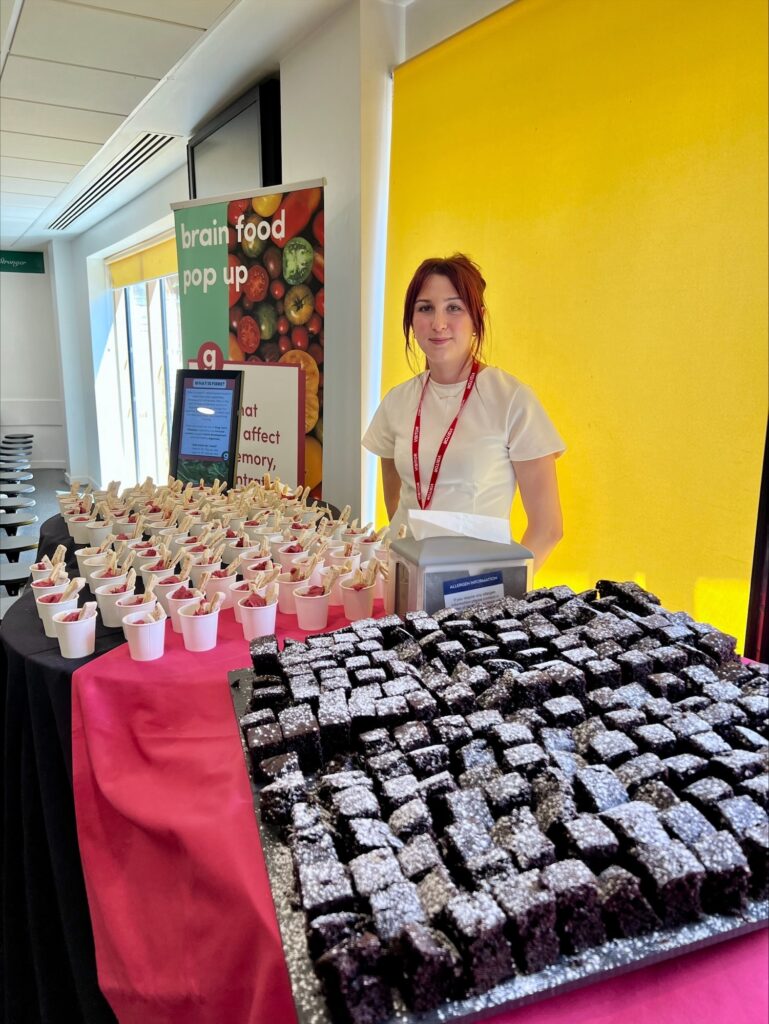
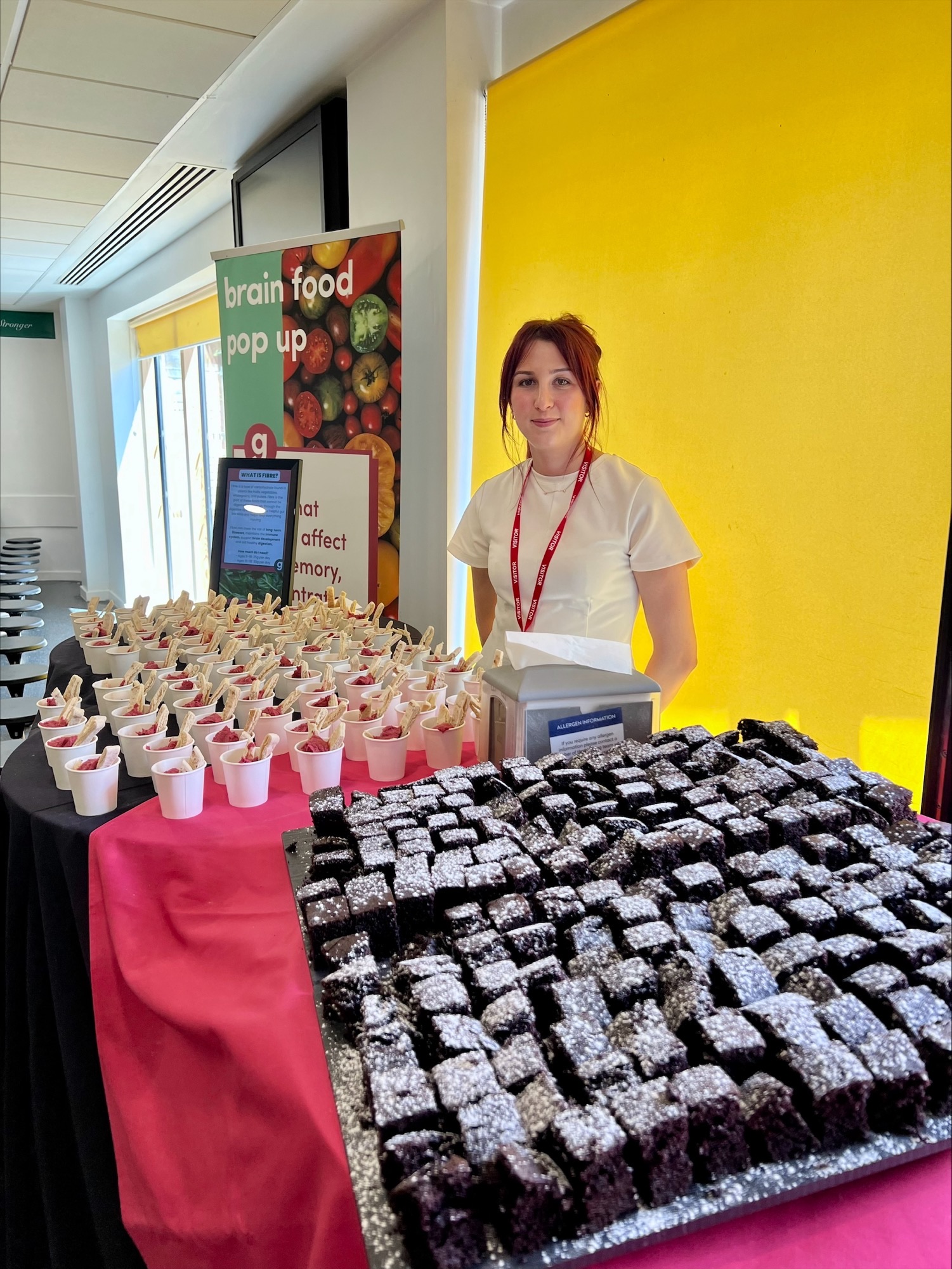
Our teams are bringing the campaign to life with dishes like Caribbean chicken and bean salad with orange and lime dressing, BBQ chicken and bean pizza wraps, and even chocolate butterbean brownies. The key is making beans feel like a natural part of the dish, rather than the headline. 

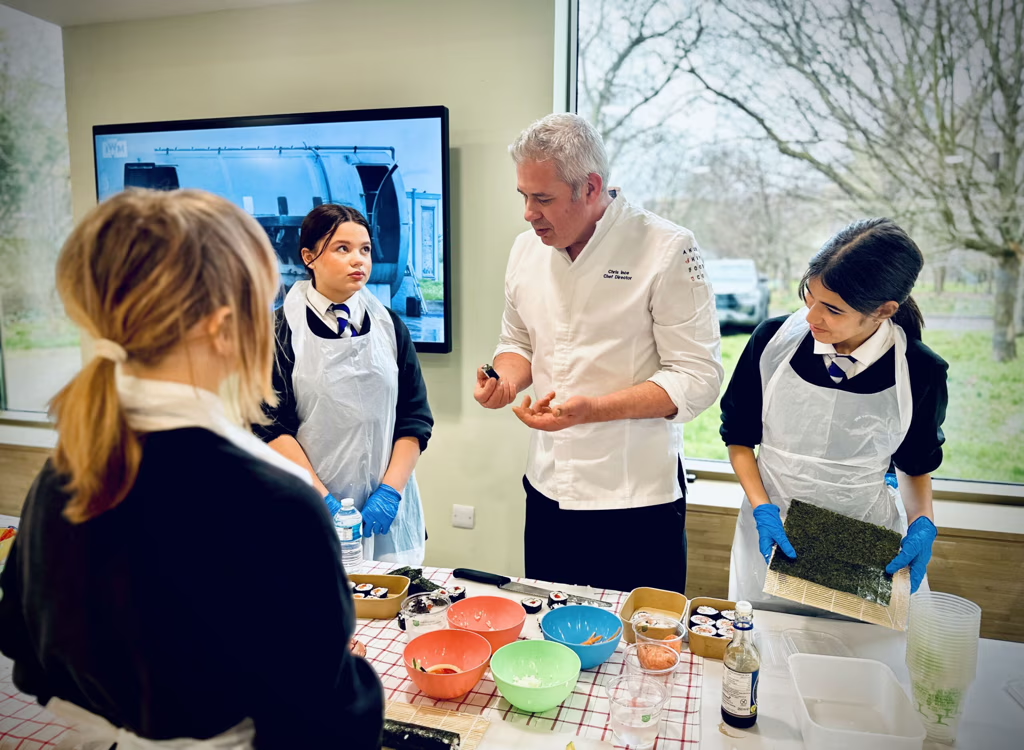
In fact, one of the most effective approaches we’ve seen is to lead with the dish, not the ingredient. Pupils can be cautious about unfamiliar ingredients, so we focus on flavour, familiarity and dishes they already enjoy. Tasting tables allow them to try recipes before knowing exactly what’s in them, and the feedback has been incredibly positive. When beans are used well, pupils don’t question it, and dishes perform just as strongly as before. 

Why Beans Matter Now More Than Ever

From a nutritional perspective, beans are a powerhouse. They support growth and development, aid digestion, and help maintain energy levels throughout the day. But just as importantly, they support our environmental goals. 

Beans have a much lower carbon footprint than many animal-based proteins. By increasing their use, we’re not only improving diets but also reducing the overall environmental impact of our menus. 

And in today’s climate, cost is a major factor. With ingredients like beef mince seeing significant price increases, beans offer a more affordable, sustainable alternative without compromising on taste or nutrition. 

A Shift in Mindset

What’s been most rewarding is seeing how both our teams and pupils have embraced this shift. It’s proof that change is possible when it’s approached in the right way. 

Personally, this campaign has changed how I think about food, not just professionally, but at home too. As a father, I’ve started introducing more beans into family meals, helping my own children build familiarity with them early on. 

Looking Ahead

For schools and partners, the opportunity is clear: build on this momentum. Expand the role beans play across menus, continue helping pupils engage with healthier choices, and create more opportunities to make nutritious food appealing, familiar and easy to choose. 

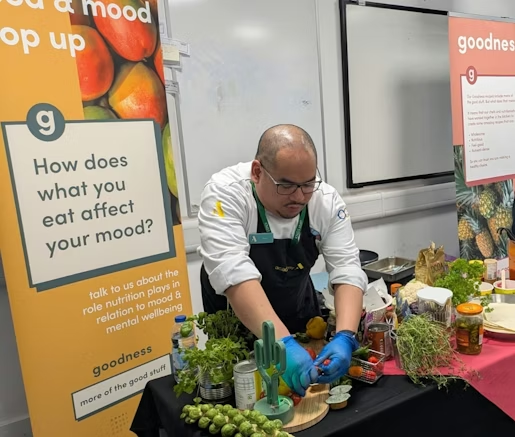
This is something we’re committed to pushing even further: developing new recipes, launching exciting pop-ups through our Goodness brand, and shaping a grab-and-go offer that reflects the high street, with better nutrition at its core. 

Because ultimately, this is about more than just beans. 

It is about supporting pupils to make healthier choices, expanding food education, and creating a school food culture that helps healthier habits take root. 

Food That Shapes Futures: Why Education Catering Demands Its Own Approach

Catering in education is unlike any other environment, schools, academies, sixth form venues and colleges are communities with their own culture, place, settings with high demands and expectations. Pupils, students require menu offerings that fuels learning, supports health, wellbeing within a packed scheduled day of only around five to six hours. This makes the education sector catering very different from workplace restaurants or commercial venues, menus and service styles are shaped by government food legislation, building designs and in some cases minimum morning break & lunch service times!

Angel Hill Food Co. works closely with all our customers, principals and headteachers within this sector to deliver a menu offering that supports every part of the education day whilst working within the parameters of regulations and within the financial budget agreements. Our passionate, professional, competent and committed catering teams balance nutrition, value, seasonality and taste while adapting to the realities of a busy academic environment, this proactive relationship, partnership results with listening to our education contract populations, responding efficiently and designing menus that not only meet the needs of diverse local communities across the united kingdom but exceeds expectations over the school academic calendar.

A Framework Built for Learning

Part of our customer promise, and service level agreements includes delivering the School Food Plan, which defines specific nutritional standards, calorie levels and compliant ingredients which most commercial and workplace settings do not face the same level of regulation. Regional Operations Director Mark Argent explains,

This is impetrative our business, supports and deliveries compliance daily, compliance sits alongside a wide range of dietary requirements, allergies and intolerances and is paramount within our business model.

Menus must therefore be safe, nutritious and inclusive, while still feeling familiar and welcoming to students

Menu fatigue from reception pupils to year 13 students and mature adults is a challenge across this exciting and fulfilling sector, one solution includes the ongoing review of the High Street, world cuisine trends and offerings with our operational, contract and our development chef teams. Food ingredients are reviewed, developed to support compliance, seasonality including effective changes to the recipe variations, food preparation & cooking practices.

Creating Food Pupils, Students and Adults Want to Eat

Taste and enjoyment are crucial to the lives of our school populations, should any pupil or student experience a negative morning break or lunch service regarding product, menu content and dining environment, this will affect their concentration and behaviour throughout the study day. Kevin explains:

We will not allow a student or pupil to go back into study lessons hungry, because the impact can be significant on their day.

Angel Hill balances taste, nutrition and affordability through close collaboration between development chefs, the extensive nutrition team and contract teams. Seasonal ingredients, UK sourcing where possible with a blend of core menus, traditional, specifically dining with flexible concepts help keep food fresh, varied and appealing.

Our approach respectfully is simple, our recipes are fresh, vibrant, seasonal and varied, and reflect what students want delivered with care, attention and pride!

Traditionally the two or three-week menu cycles give structure, while food concepts and themed days add excitement, fun and supports the menu development whilst growing engagement with our customers.

Understanding Each School Local Community

No two education environments are the same, demographics, culture, facilities and daily routines vary widely, even within a few miles within our business.

“Every school, academy, college is different, for example we currently service two schools three miles apart and the menus are rather different due to the ethnicity of the students,” says Kevin. “Angel Hill adapts the bespoke menus and services required to suit each customer’s needs.”

This local understanding supports our partnership at the centre of Angel Hill’s catering offer and services. Our colleagues design menus with each school, shaping the right balance of dishes and ensuring agreements in line with local expectations, examples include how some customers require self-service, others need grab-and-go, and many require themed events that link to curriculum activities. The tailor-made strategy and ethos again forms part of our business delivery.

Our company partnership guides our menu development; however, ongoing decisions are rooted in detailed, recorded conversations, solutions with the schools, colleges populations, parents, guardians with interaction in some cases with catering consultants.

Working Within the Realities of the School Day

Our sector locations face challenges that commercial kitchens rarely experience, for example, break times can change with little or no notice due to school scheduling variations, dining spaces in some cases are limited regarding the number of students flows of traffic, service windows are short, sometimes just 15 to 20 minutes, and the academic calendar means teams operate up to only 190 days a year.

Mark highlights one example: “some dining halls are very small for the number of students who come through and are not always fit for purpose, however or clients require everyone served in 15 to 20 minutes…we adept a ‘less is more menu concept’, delivering a bespoke range of limited quality products rather then mass produced poor standard menu offerings.

This is where operational excellence matters, Angel Hill supports each location with tailored plans: from queue management, service flows to training colleagues on new concepts, refreshing counters and introducing self-service to reduce bottlenecks as part of our ongoing solution programme.

Food That Makes a Difference

The impact of education catering goes beyond lunchtime, It shapes how customers feel during the day, helps them engage in learning and strengthens the relationship between schools, colleges and families.

Mark shared an example from a school that shifted from an in-house operation, fryer-led limited menu offers to a fresh, seasonal, balanced, varied service using traditional, compliant cooking practices. Within a half term period, the food represented a prestigious yet deliverable menu offering. Introduction to ‘Self-service, full high street style deli options, introduction of the freshly made seasonal products helped transform the environment, the dining space changed, queues moved faster, and the food reflected what students desired in line with the school food plan menu guidance, on-going success supported the schools ambitions for a 100% population dining uptake daily and exceeding the commercial financial model.

People at the Heart of the Service

Excellent, consistent and respected education catering requires great professional, caring and passionate people. A great and powerful story includes Victoria Beecham, who began her career with Angel Hill as a supervisor in a secondary school setting and is now not only leading a large school contract as the senior catering manager but supports the food technology curriculum delivering lessons throughout the school term.

Kevin describes her impact: “the enthusiasm, hard work and can-do attitude shines through which is reflected with this added value aspect to her work ethos to our client, we see an exciting future for Victoria within our business and is a great ambassador for Angel Hill and inspiring to our future team leaders.

This commitment reflects Angel Hill’s wider approach to our team, we invest in all of our colleagues, value their insight and encourage them to build strong relationships with our customers. Schools require partners, not providers or contractors, and our teams play a central role in creating that trust every day.

Evolving With the Sector

Pupil and student expectations are increasing each term, Parents require healthier choices with value for money offers, Education leaders want efficient, well-run services that support the wider study day.

Angel Hill evolves by staying on trend, communication is key, bespoke our menu offer for students and staff across all locations within this every growing sector.

From menu innovation, service and environment improvements and developments, the aim is always the same: delivering amazing food that supports learning, wellbeing and community, whilst delivering a WOW factor daily!

International Women’s Day: Celebrating the Women of Angel Hill Food Co.

Angel Hill Food Co. colleagues support customers in busy kitchens, hospitality spaces and workplace restaurants every day. Their work requires skill, resilience and care. It creates environments where food brings people together and where customers and communities feel welcome.

This International Women’s Day, we are recognising the women across our catering teams who contribute to our success, develop others and lead with confidence.

International Women’s Day is a chance to recognise the contribution women make across our industry.

Across Angel Hill Food Co, many of our kitchens and teams are led and supported by talented women who help deliver a service that schools and students rely on every day. Their professionalism, care and commitment shape the experience our customers see.

When colleagues feel respected, supported and empowered to grow, it strengthens our teams and helps us deliver the best outcomes for the communities we serve.

Henry Watts, Managing Director, Angel Hill Food Co.

Jennifer Brown, Catering Manager

What inspired your career in catering?

For Jennifer, it started with a love of food and the way it brings people together. That sense of connection became the foundation of her career.

As she progressed, learning from others played a key role. Different roles, constructive feedback and strong working relationships shaped her development. She believes you only get out what you put in, and that mindset has guided her growth into a leadership role.

How have you supported others, and how has that helped you grow?

Jennifer leads by example. Supporting colleagues has strengthened her communication skills and patience, particularly when working with different personalities.

She finds it rewarding to see others succeed. Sharing knowledge and helping colleagues build confidence has sharpened her leadership skills in return.

How does investing in people create stronger teams?

“I believe that giving time and encouragement builds trust. When colleagues feel listened to and valued, they gain confidence. That confidence creates a positive working environment where people feel supported and empowered, leading to stronger teamwork and better outcomes for customers.”

Angela Urwin, Operations Director for Catering

What inspired your career in catering?

Angela’s interest began at home, baking with her mother. A Saturday job as a waitress strengthened her ambition. Watching chefs at work, she decided to follow that path.

She began college at 16, gaining City and Guilds qualifications alongside specialist training in cake decoration and confectionery finishing. Early hotel roles required resilience and confidence while working in male-dominated kitchens. She adapted and progressed through bakery roles, Chef Manager positions, larger contracts and operations leadership.

Fourteen years ago, she became Operations Director, a position she continues to hold. She credits hard work, courage and taking ownership of her development for her progression.

How have you supported others, and how has that helped you grow?

Angela coaches her teams to strengthen financial awareness, deliver KPIs and support sustainable performance.

She encourages colleagues to build their profiles and take responsibility for their development. In her view, leaders are only as strong as the teams around them. Investing in others strengthens the whole business.

How does investing in people create stronger teams?

“I promote freedom within a clear framework, encouraging colleagues to be brave, take ownership and learn from experience, with guidance in place. Training and coaching build confidence and resilience, leading to stronger collective performance and improved outcomes for customers.”

Angela Urwin, Operations Director

Jennifer Brown, Catering Manager

Hannah Parish, Nutritionist

What inspired your career in nutrition, and were there any female inspirations?

Hannah’s interest in nutrition began from a personal perspective. While strength training and running, she wanted to understand how to fuel performance and support long-term health. That curiosity developed into a career.

As her knowledge grew, she became increasingly aware of the amount of conflicting and unqualified advice in the nutrition space. She chose to pursue formal education so she could rely on evidence-based practice and help others navigate the “food noise” with clarity and confidence.

She draws inspiration from women such as Dr Emily Prpa, Dr Faye Bates, Dr Hazel Wallace, Sophie Waplington and Sophie Gastman. Their clear communication, science-led approach and focus on female health have shaped her own practice: inclusive, practical and grounded in evidence.

What have you given to others that has helped you grow?

Hannah joined Angel Hill a year ago alongside Amy Teichman. Together, they have strengthened and refined the nutrition offer across sectors, aligning concepts with current research and making resources more accessible for site teams.

This was her first nutrition role within catering. Through collaboration and mentoring, she has progressed from Associate Registered Nutritionist to Registered Nutritionist, building confidence in communication and inclusive practice. The experience has supported her growth in both capability and leadership.

How does giving time and encouragement create stronger outcomes?

Hannah believes trust is essential. When teams feel supported rather than judged, they are more open to embedding nutrition into their food offer.

“By focusing on small, meaningful changes and building strong relationships with kitchen teams, confidence grows. Sites take ownership, use resources independently and engage more deeply.”

That collaboration creates sustainable impact and brings nutrition to life in a way that feels practical and achievable for every team.

Chris Ince, Chef Director

From your perspective in leadership, how do female chefs, managers and site teams strengthen our performance and culture?

Diversity strengthens performance in every workplace, and catering is no different. Drawing from the widest pool of talent brings different experiences and perspectives into decision-making and service delivery, reducing blind spots and improving outcomes.

Strong female representation allows the business to benefit from outstanding craft and management capability. Women chefs and managers are fundamental to the catering operation, contributing to diverse teams that reflect the customers and communities we serve.

The theme this year is Give to Gain. How does investment in women’s development benefit the wider business?

Investing in women’s career development supports the long-term success of the business. Catering operates in highly competitive sectors, and strong teams require the best people in operational roles.

Clear development pathways create higher-calibre teams with a wider range of experiences and viewpoints. This strengthens working environments and improves outcomes for customers. Businesses that actively support women’s careers also strengthen their reputation and attract talented people across the market.

What responsibility do senior leaders have in creating opportunities for women to progress in operational roles?

Senior leaders have a responsibility to create the conditions where women are encouraged to take opportunities and supported to succeed.

Flexibility plays an important role. Many women face difficult choices when balancing career development with family life. Flexible working arrangements, job sharing, phased responsibility or regional roles closer to home can help colleagues continue developing their careers while managing personal commitments.

Thoughtful leadership and practical support can unlock significant potential across the workforce and strengthen both culture and productivity.

Chris Ince, Chef Director

Hannah Parish, Nutritionist

Award-Winning Chefs: A Look Back at Andre Alto’s LACA Grab ‘N’ Go Challenge Victory

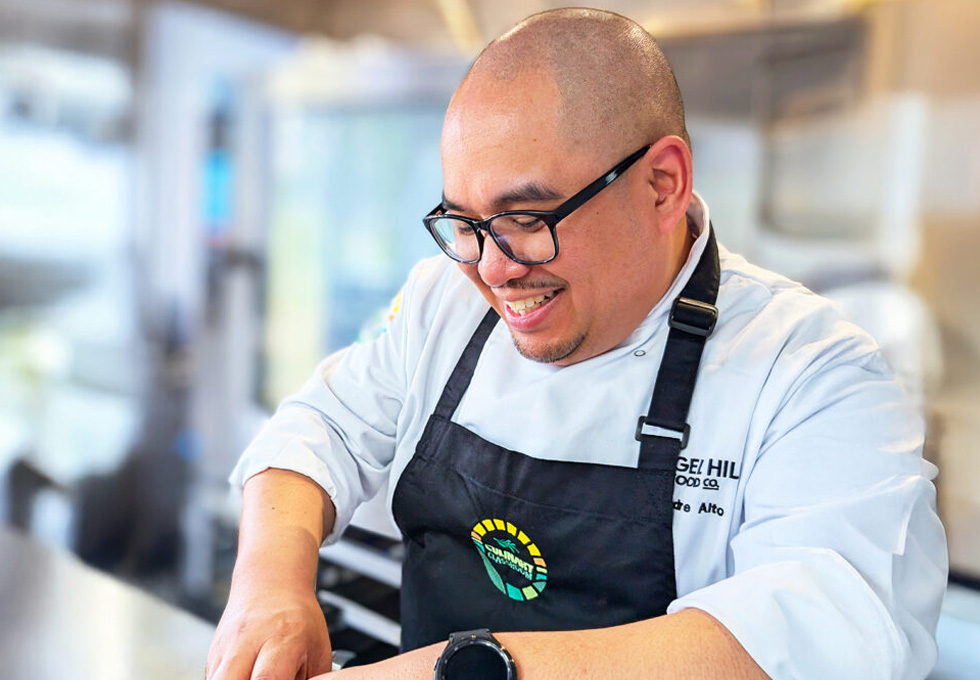
Angel Hill Food Co. delivers innovative catering for education, led by talented chefs who understand what students want to eat and how school kitchens operate. That expertise was recognised nationally in 2025 when Angel Hill chef Andre Alto was crowned LACA Grab ‘N’ Go Challenge Champion at the LACA Main Event in Birmingham.
In the national final, Andre competed against two of the UK’s top chefs and impressed judges with his Longganisa Rice Burger, inspired by his Filipino heritage. The burger met the brief for a practical, appealing meal for students on the go, standing out for its flavour, texture, originality, and visual appeal.
The competition celebrates innovation in education foodservice, and Andre’s win highlights the creativity and skill present in school kitchens across the UK.

Driving Positive Change for a New Catering Contract

Andre joined Angel Hill Food Co. during the launch of a new catering contract. Initially, the service faced challenges such as high food costs, food waste, limited student engagement, and service delays. Quickly, Andre implemented practical improvements, including collaborating with suppliers, reducing waste and improving efficiency.
To drive student engagement, Andre launched a calendar of theme days and new menu items, including the popular “Build Your Own Burrito” days, which helped create a more vibrant dining environment. He empowered the kitchen team by recognising individual strengths and giving colleagues more ownership of their sections. This improved service times and raised the quality standard. Within a year, the daily uplift increased by 15%.
Andre also reduced disposable packaging by shifting to plated service where possible. This supported waste reduction and aligned with both Angel Hill Food Co. and the customer’s sustainability goals.

Talent That Strengthens Education Catering

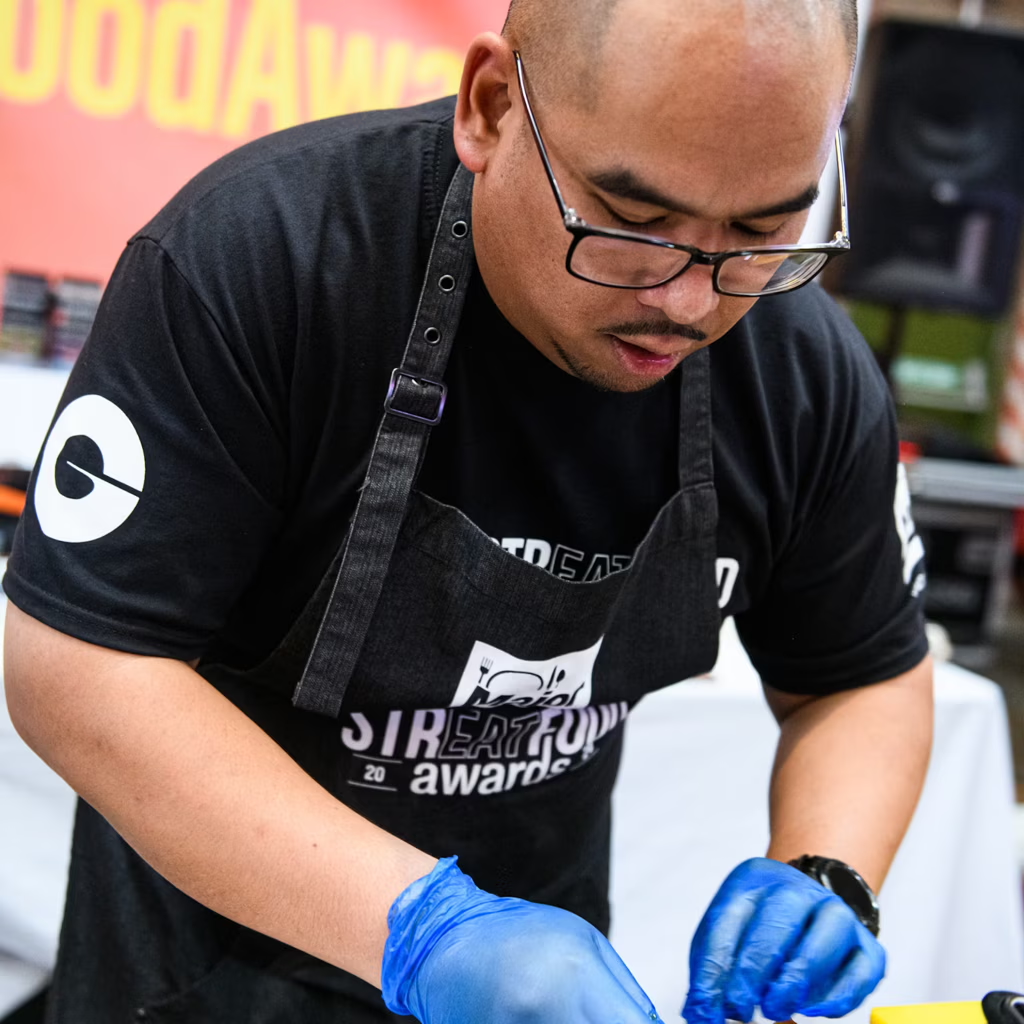
Andre’s achievements have been recognised across the sector. In addition to his LACA victory, he was a finalist in the 2024 StrEAT Food Awards.
Andre said:
“Competitions push you to think differently about food in schools. It’s about creating something pupils enjoy while making sure it works in a busy kitchen.”
Chris Ince, Angel Hill Food Co. Chef Director, said:
“Andre’s achievement reflects the dedication and creativity we see across our kitchens every day. Our chefs bring skill, passion, and fresh ideas that help schools create positive dining experiences for students.”
Andre recently discussed his competition journey and its impact on his career with SchoolGrid.
Angel Hill Food Co. chefs drive innovation in education catering, combining culinary creativity with practical solutions for busy schools. Above all, this ensures students enjoy nutritious, engaging meals every day. For the love of food.
Read the full interview with SchoolGrid here.

Reframing Nutrition Education For Today’s Students

Hannah Parish works across schools and colleges as a Nutritionist, supporting catering teams to translate nutrition guidance into food that young people will actually choose to eat. Working closely with chefs, site teams and education partners, she focuses on practical nutrition, building healthier habits through everyday meals, clear education and accessible choices that support learning, wellbeing and long-term health.

Understanding How Students Engage With Food and Information

Nutrition education in schools and colleges is changing. Young people are exposed to more information than ever, much of it conflicting or misleading. Rather than seeing this as a barrier, Angel Hill Food Co. treats it as an opportunity to rebuild curiosity and confidence around food.

“The focus is on making healthier choices feel practical, enjoyable and relevant. Nutritious meals need to compete with what students already know and like, so flavour, familiarity and accessibility matter as much as nutritional value. By positioning healthy food as something students want to choose, rather than feel they should choose, nutrition education becomes more effective and more lasting.”

Designing Food That Supports Learning, Health and Growth

Recipe development plays a central role in this approach. Menus are being enhanced through higher fibre content, smarter protein strategies and a clearer focus on nutrients that support brain health, concentration, immunity and physical development.

A key priority is exposure. Many students will not choose unfamiliar foods without encouragement, so Angel Hill Food Co. creates safe, engaging opportunities to try something new. Inspired by the Food Foundation’s Eat More Beans campaign, bean-based recipes are being increased across menus, supported by interactive, bean-themed sessions in schools. These sessions show how versatile, filling and appealing plant-based ingredients can be, helping students build familiarity and confidence over time.

Keeping Nutrition Education Relevant Throughout the Year

To maintain momentum, Angel Hill has developed a 2026 Nutrition Calendar, giving each month a clear theme, from gut health to sustainability. This allows schools and colleges to engage with fresh, timely topics rather than one-off initiatives that quickly lose impact.

Content is adapted by age group so messages remain meaningful and memorable. New concepts are also being developed around hormone health and bone health, recognising the importance of these areas for children and young adults. This ensures nutrition education supports both male and female health in a way that reflects real developmental needs.

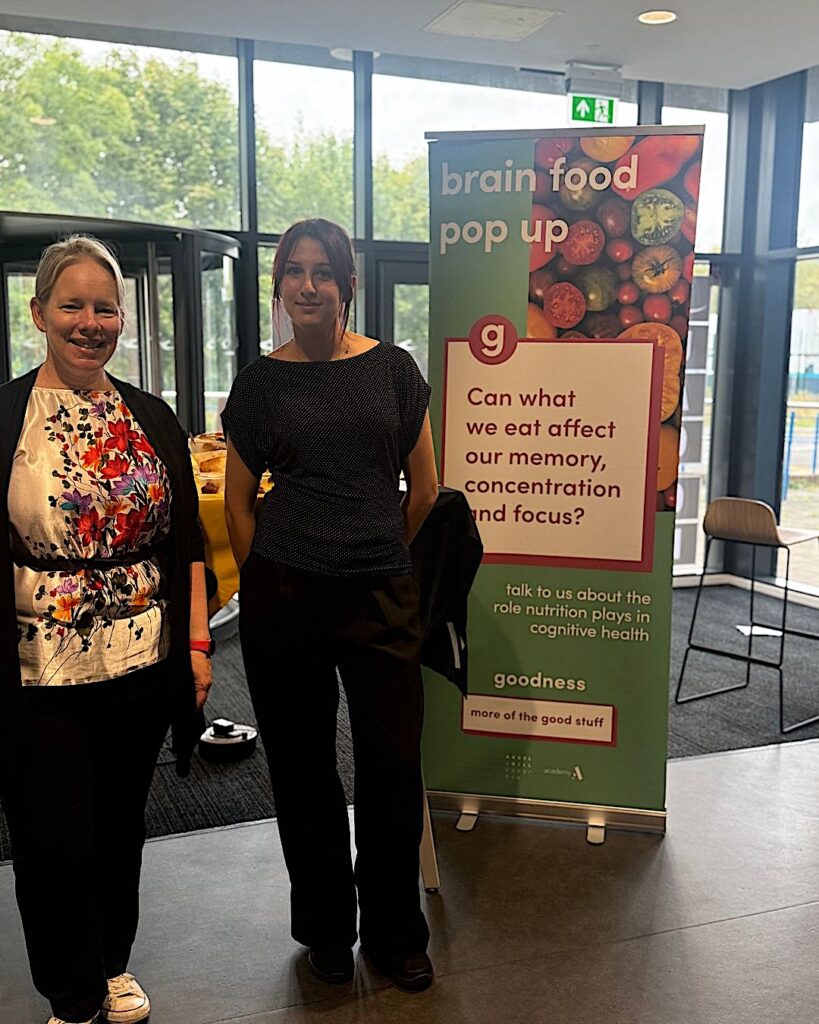
Alongside this, Goodness Pop-Up Toolkits provide sites with ready-to-use, evidence-based materials. These resources are regularly refreshed to keep conversations active and visible, helping students feel informed and empowered in their everyday choices.

Learning From 2025 and Shaping the Year Ahead

Campaigns delivered in 2025 reinforced that engagement matters most when education is interactive. While pop-ups are valuable for introducing new foods and gathering feedback, workshops and classroom-based sessions create deeper understanding. They allow teams to build on what students already know and tailor discussions to their interests and stage of life.

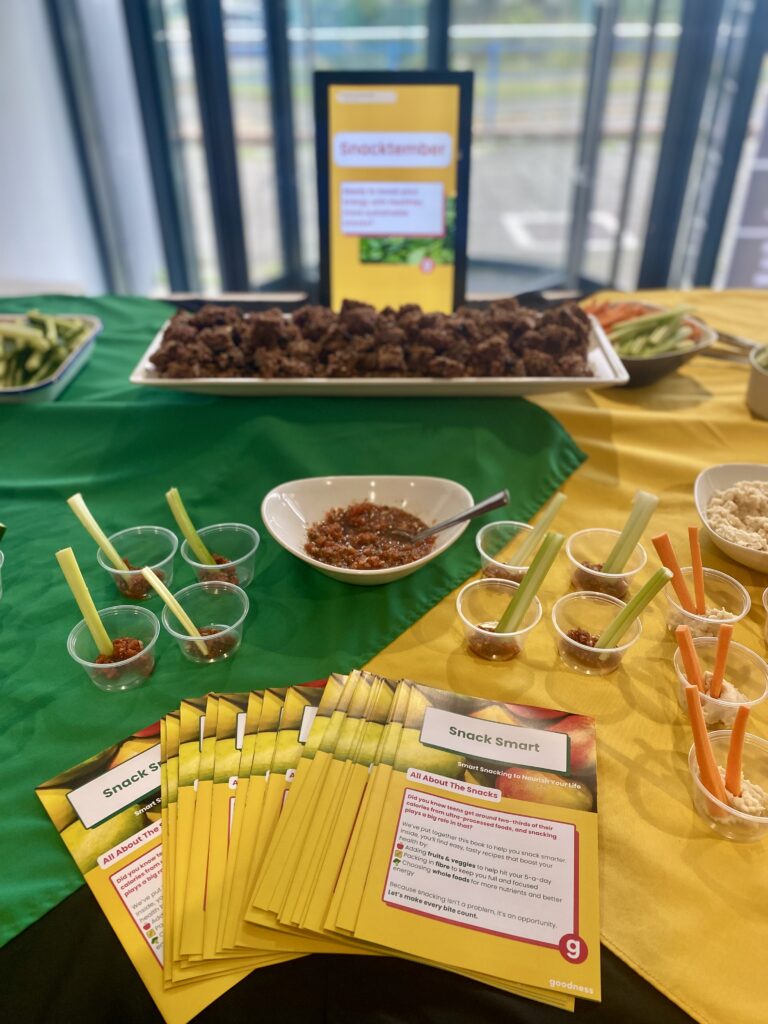
Participation in the British Nutrition Foundation’s Snacktember campaign highlighted the scale of snacking among children and teenagers, and its impact on energy, mood and concentration. In response, Angel Hill is launching a Snack Smart concept for schools, supporting better snacking habits year-round through more fruit and vegetables, higher fibre options and whole-food choices.

Accessibility was another key learning. Catering teams want to stay involved, even when specialist teams are not on site. For 2026, this has led to a stronger focus on simple, practical tools, such as printable nutrition cards that can be displayed instantly at counters. This keeps nutrition education consistent, visible and easy to deliver.

Turning Small Changes Into Lasting Habits

Work with chefs and catering teams shows that meaningful improvements often come from small, achievable changes. Familiar recipes are used as a base, with gradual additions such as wholegrains, extra vegetables or lower-sugar alternatives. These steps improve nutrition without increasing costs or disrupting service.

Menu planning also balances appeal, affordability and nutritional value through smart ingredient choices. Beans and pulses, including Future 50 foods, are used alongside meat to increase fibre and protein, reduce saturated fat and support sustainability. Hybrid recipes using allergen-free plant proteins allow costs and carbon impact to be reduced while maintaining flavours students enjoy.

Looking ahead, the strongest influence on education catering is a shift in how nutrition is discussed. Moving away from labels of “good” and “bad” food, Angel Hill focuses on adding more goodness to everyday meals. More fibre, more whole foods and more nutrients that help students feel energised, focused and emotionally steady.

By supporting chefs to talk confidently with students and explain why food matters, catering becomes part of the learning environment. The result is a positive food culture where students stay on site, feel included, and begin to build habits that support their wellbeing now and into adulthood.

Q&A with Jennifer Brown, Catering Manager at Sarum Academy

Jennifer Brown has dedicated more than a decade to supporting students and the wider community through her work in school catering. Her career has taken her from pubs and hotels to chalets, delis and seasonal work, eventually leading her to Sarum Academy, where she now manages a close-knit team committed to creating a warm, welcoming environment for pupils every day. In this conversation, Jennifer speaks about her journey, her passion for food, and the importance of supporting young people through nutritious, reliable meals.

Tell me a bit about yourself, your role and what led you here.

My name is Jennifer Brown and I work at Sarum Academy in Salisbury. I have an amazing team of four. I’ve worked in all sorts of places over the years, mainly pubs, and I previously managed pubs before moving into seasonal work. I’ve worked in chalets, hotels, delis, anything food related really. I’ve been in the food industry since leaving college.

When I had my children, the hours in pubs became difficult, so joining Sarum Academy fitted my life perfectly. That was ten years ago and I’ve been with the company ever since, with almost the same team the whole time. We all get on well, and that makes a real difference. We also supported a satellite school, Springfields, which we used to provide food for.

You’ve also been involved in community work. Can you talk about that?

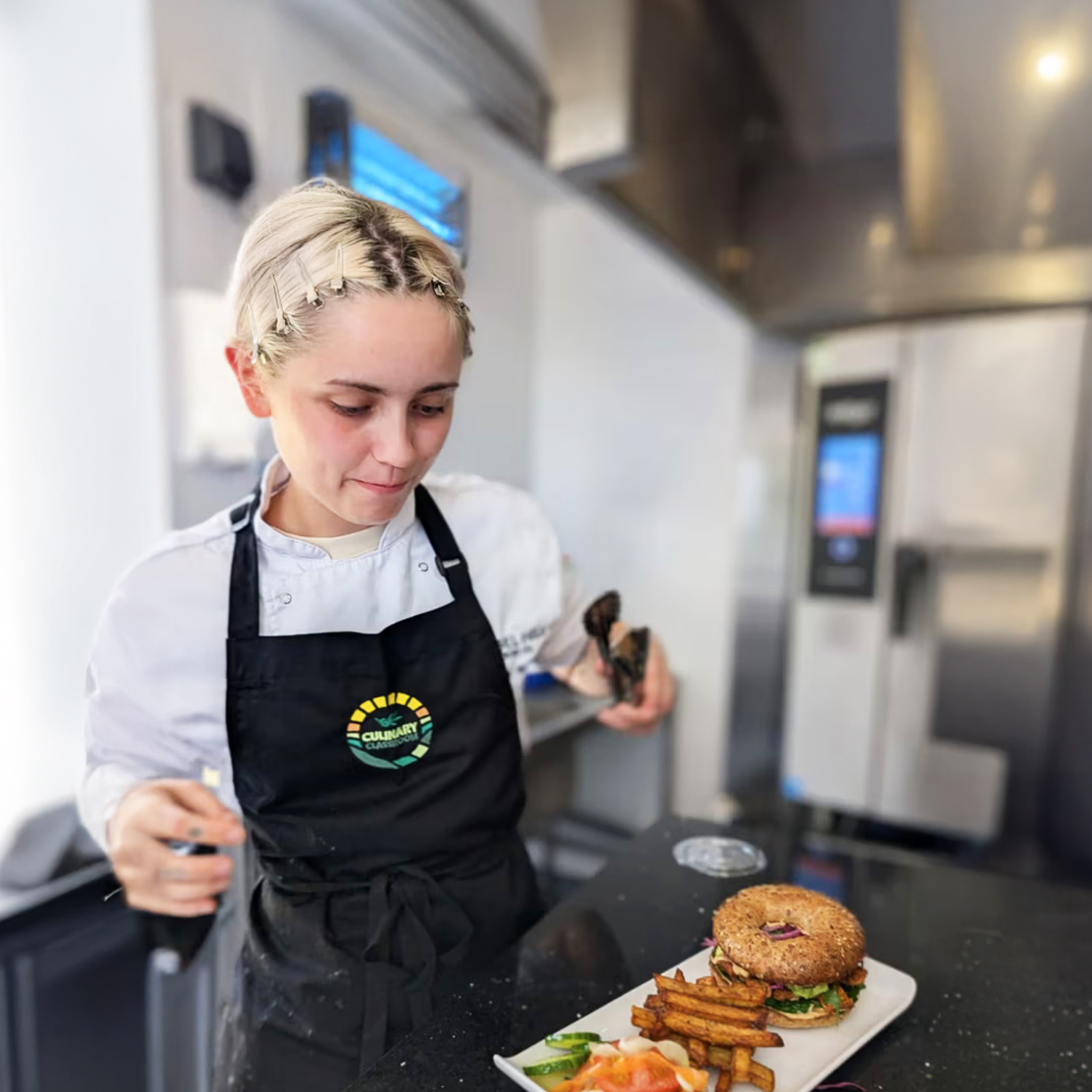
Yes, through our work with Springfields we were approached by Salisbury District Council to support an OAP lunch club. We supplied meals every Thursday and did Christmas lunches for the elderly. My team have always backed me in things like this. I also took part in the Culinary Classroom and later led a Game Workshop, which was special for me. It felt like coming full circle, going from being the one learning to being the one giving something back.

Was there anything early in your life that made you want to work in catering?

My grandmother was a huge influence. She grew up in an era where you had to be thrifty and she was an amazing cook. She made everything from scratch, including pickles and preserves. I learned so much from watching and helping her. It made going into food feel very natural.

Pupils eating lunch

What has evolved for you over that time and what keeps you passionate about the job over the time you’ve been here?

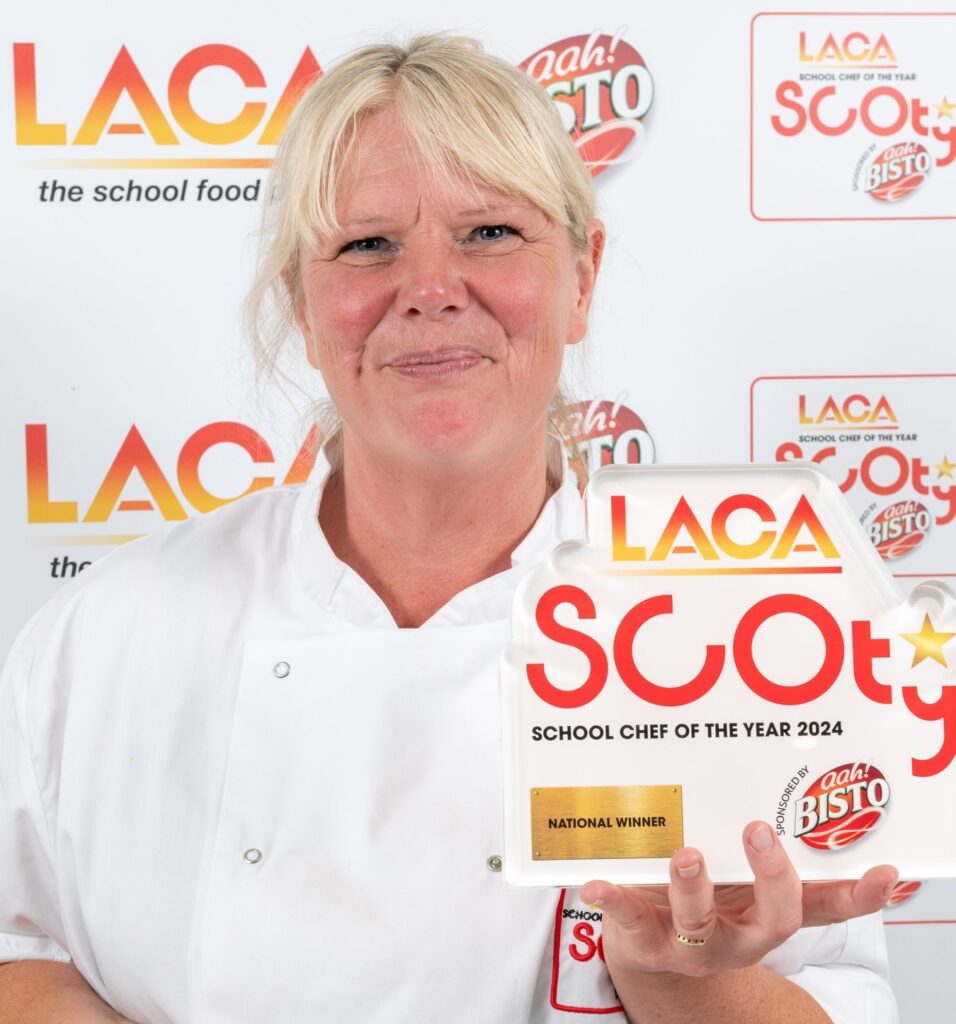
Winning SCOTY was a big moment because I had entered for four years before finally winning. But the real learning came from understanding the value of school meals. I didn’t realise how many children rely on school for their main meal of the day. It opened my eyes.

Kids need good food to learn, concentrate and get through exams. There are children who arrive without breakfast or who may not have had dinner the night before. COVID made that even clearer. What we do matters, and we are not just “dinner ladies”. We’re helping children achieve their best.

You’ve won several awards. How has that recognition shaped you?

I still work closely with LACA and I’m currently their treasurer. It gives me a strong network of people to learn from. I’ve represented school meals at the House of Commons, taken part in Salon Culinaire where I won bronze, and won Dish of the Year at the Food Co. competition.

Culinary Classroom really started it all. It encouraged me to compete, which pushed me to grow, and eventually led to SCOTY. That programme is brilliant for developing people and helping you see what you’re capable of.

What sets your team apart within the catering industry?

We’re a very close team. My colleagues know every child by name and we all genuinely care. We may not have the biggest budget, but we work creatively and make things look great with what we have. We run theme days, workshops and always try to make food fun.

One project I’m particularly proud of is Cook Together, Eat Together, run with the council. We invited families without a dining table at home to come in, cook a meal with us, learn the recipes, and then take home a hamper of ingredients. We dressed the tables beautifully so families could enjoy a meal together, maybe for the first time in a long time. That’s what sets us apart. We genuinely care about the children and their families.

What has been one of the most rewarding moments of your career?

SCOTY has to be the biggest one. Winning it with my husband sitting next to me was incredible. I also cherish the bronze at Salon Culinaire because that was against chefs from across the whole industry. But SCOTY is the highlight.

Looking ahead, what goals or ideas are you excited about for next year?

I’d like to do more workshops and more theatre cooking with the students. I also want to keep developing the dish I entered before and see if I can push it from bronze to silver. I’m grateful to everyone who has supported me: Matt and Rob, my team, Sarum Academy and the programmes that encouraged me to learn and grow. Without their encouragement, none of this would have happened.

Jennifer’s work reflects the heart of OCS’s mission to make people and places the best they can be. Her commitment to students, families and the wider community shows the difference that caring, skilled colleagues can make every day. Through her leadership, creativity and passion for food, she continues to support young people and help create an environment where everyone has the opportunity to thrive.

Night-Time Neglect – Designing Nourishment Throughout The 24-hour Operating Cycle

In shift-based work environments, food supports people as they move through physically demanding, sustained work within defined timeframes. Energy, concentration, and recovery are determined by what is consistently available across the working cycle, rather than by any single meal or moment. 

As organisations operate across evenings and nights, food provision becomes part of how those shifts are experienced. Across industry conversations in distribution, logistics and manufacturing, a recurring pattern is increasingly recognised: night-time neglect.

The phrase is typically used to describe a pattern that appears when food provision changes overnight, unlike during the day.

Understanding Night-Time Neglect as a Design Issue

From a nutrition perspective, night-time neglect can be most accurately described as a design consideration within catering models.

Overnight colleagues regularly work to the same physical and cognitive demands as daytime teams. Break windows remain fixed. Output expectations remain consistent. Nutritional needs remain steady. Yet food provision can narrow gradually overnight as menus, formats, or replenishment routines adapt to inherited assumptions about mealtimes. 

Recognising this pattern early matters. It allows food service to be shaped intentionally around the full operating cycle, rather than adjusted reactively once behaviours have already formed. 

Amy Teichman, Head of Nutrition

Nutrition That Works With Real Behaviour

One principle guides how nutrition should be applied in real-life contexts: meet people where they are. 

Sustainable improvement rarely comes from imposing idealised eating patterns onto busy sites. It stems from understanding what people choose today, why they choose it, and how small adjustments can improve nutritional value without changing the character of the offer. 

Fibre is a good example. It is one of the most effective nutritional levers and one of the most under-consumed nutrients among adults. Increasing fibre intake supports gut health, a steadier energy supply, and immune function, yet it can be achieved through familiar foods: grains, pulses, vegetables, and legumes already present in many kitchens. 

These changes don’t require resetting the menu. They require considered design and consistent application. 

Designing The Overnight Offer With Intent

Addressing night-time neglect begins with how the overnight offer is planned. 

Different shifts have different rhythms, and food service must reflect that. What matters is that overnight colleagues have access to meals that support steady energy and recovery, and that those options feel intentional and worth choosing. 

In practice, this involves close attention to: 

  • balance and composition of meals 
  • ease in the navigation of choices during short breaks 
  • consistency of standards throughout all shifts 
  • food that feels designed, not residual

When these parts are in place, better nutrition comes naturally because the right choices are easier to make. 

Translating Nutrition Into Everyday Choices

A recent visit to DHL illustrates how nutrition-led design can translate into immediate, practical change. 

The site already produced good food, but one area, the salad bar, was not engaging customers as well as expected. Rather than redesigning the offer, the focus was on refining it. The team introduced a small number of additions they could already produce in-house, including a butter bean hummus and a Greek yoghurt dip.

The response was instant. Customers engaged with the offer because it felt more relevant and satisfying. The same thinking was applied to snacks, where in-house options such as energy balls and chickpea brownies were introduced. These were familiar, attractive and simple for teams to sustain. 

What changed was not the service’s structure, but how nutrition showed up in everyday choices. The food felt intentional and accessible, which is often where the most meaningful gains are made. 

Consistency Across Shifts

Nutrition influences more than physical health. It affects mood, focus and stamina, specifically in places where people work long or irregular hours. 

Balanced food supports gut health, which plays a role in energy regulation and immunity. During periods of increased illness, nutrition contributes to everyday resilience alongside good hygiene and rest. Food also interacts with stress and hormonal regulation in men and women alike, determining how people feel throughout the working day or night. 

Consistency matters here. When nourishment is planned across the full operating cycle, people experience a steadier relationship with food at work. Over time, that consistency supports attendance, engagement and performance. 

Designing Nourishment Into The System

Night-time neglect is best handled proactively, through design. 

Angel Hill Food Co. recognises night-time neglect as a known risk in operational catering environments and plans food services to avoid it. Nutrition insight is built into menu development, service design and the way onsite teams are supported, ensuring overnight provision is considered from the outset. 

The aim is not to change how people eat for the sake of it. It is to make nourishing choices easy, familiar, and repeatable, at any time a shift begins. 

Because nourishment doesn’t belong to one part of the day. It spans the entire operating cycle. 


Introducing Fold’ems – A new Street-Food Concept Built for the Modern Workplace

A Street-Food Twist Built for the Modern Workplace

The way people eat at work is changing. Today’s corporate workplace demands food that is fast, flavour-led and flexible – without compromising on quality or craft. Responding to these shifting expectations, Angel Hill Food Co. is proud to launch Fold’ems: a bold new sourdough sandwich concept designed for busy workplaces that still crave something exciting.

Fold’ems take the familiarity of pizza dough and reimagine it for the workday. Made using fermented sourdough, baked for flavour and texture, then folded and filled with vibrant, globally inspired ingredients, Fold’ems deliver a filling, satisfying meal that’s easy to eat on the move. They’re built for grab-and-go counters, pop-up activations and high-footfall catering environments where speed, consistency and quality matter equally.

At its heart, Fold’ems is a street-food concept – confident, modern and unpretentious – but carefully engineered for the realities of the corporate workplace.

Built for How People Really Eat at Work

As office attendance patterns continue to evolve, so do expectations around food. Employees want choice, convenience and quality without slowing down their day. Fold’ems answer that need perfectly: compact enough for a quick break, substantial enough to satisfy, and exciting enough to feel like a treat rather than a compromise.

“Fold’ems taps directly into what we’re seeing across the industry,” says Chris Ince, Chef Director at Angel Hill Food Co.

There’s a clear shift towards food that’s fast but still crafted, familiar but elevated. Fermented doughs, bold flavours and street-food influences are all huge right now, particularly in workplace dining. Fold’ems brings all of that together in a format that works operationally and delivers on taste.

The sourdough base provides depth of flavour and texture, while the folded format makes it practical for busy environments. From classic combinations to more adventurous flavour profiles, the menu has been designed to rotate easily, encourage repeat visits and sit comfortably alongside wider workplace food offers.

Innovation Shaped by Chefs, Sites and Customers

Fold’ems wasn’t developed in isolation. From the earliest stages, Angel Hill Food Co.’s culinary team worked closely with site chefs, operational teams and customers. Care was put in to testing, refining and pressure-testing the concept in real workplace environments.

“Fold’ems came from listening,” explains Dan Farrand, the concept’s creator at Angel Hill Food Co.

We involved our site teams and customers throughout the process – from initial tastings to live trials. That feedback shaped everything: the dough, the folding method, the fillings and how it’s served. The aim was to create something genuinely new, but practical, exciting and relevant to the modern workplace.

That collaborative approach ensured Fold’ems delivers not just on creativity, but also on consistency, speed of service and scalability – all critical factors in corporate catering.

A Fresh Addition to the Angel Hill Food Co. Portfolio

Fold’ems reflects Angel Hill Food Co.’s ongoing commitment to innovation, quality and evolving workplace food culture. It complements the brand’s wider focus on flavour-first food, crafted by chefs who understand both culinary trends and operational realities.

Whether served as a lunchtime hero, a mid-afternoon pick-up or part of a rotating street-food offer, Fold’ems brings energy, choice and excitement to workplace dining – proving that fast food at work doesn’t have to feel rushed or ordinary.

Fold’ems is now rolling out across Angel Hill Food Co. sites, bringing a bold new way to eat to workplaces across the UK – for the love of food, folded perfectly.

How Digital Innovation is Transforming the Food Experience

How Technology Is Changing the Way People Choose, Order and Experience Food at Work

Digital Innovation is reshaping how people interact with food every day – from the moment they browse a menu to the way they order, enjoy and engage with food onsite. As customer expectations evolve, technology is becoming a core part of catering offers that are more convenient, personalised and sustainable.

Across workplace environments, where time is precious and preferences are diverse, Digital Innovation is helping food services work smarter – giving people choice, reducing waste and freeing up onsite teams to focus on what matters most: great food and warm human connection.

Bringing Technology and Taste Together

Changing expectations in the modern workplace have created a clear role for Digital Innovation in catering. People want seamless access to information, quicker service and more control over how they enjoy food – all of which technology can enable.

Robert Jessey, Operations Director at Angel Hill Food Co., explains that these shifts in customer behaviour drove the development of a bespoke app. “We noticed the drive for quicker access to products and a clearer visibility of service,” he says. The goal was not simply to digitise existing processes, but to create solutions that reflect how people already shop and eat in their everyday lives.

A Connected Digital Journey

The heart of this transformation lies in connectivity. The new platform brings menus, pre-ordering, dietary data and feedback together – creating one consolidated experience for customers.

Robert highlights how Digital Innovation has enabled smoother integration between systems: from point-of-sale infrastructure to real-time data sharing between tools and teams. This connected approach ensures that production planning, stock tracking and menu management are more accurate and efficient.

You need that connectivity… because it all talks to each other, enabling us to connect the dots between the data quicker, providing a faster and more effective solution to the customer.

Using Data to Shape Better Food Choices

One of the most powerful aspects of Digital Innovation is the insight it generates.

By analysing how and when customers interact with the service – from ordering patterns to dietary preferences – colleagues can tailor food offers based on real behaviour rather than assumptions. These insights are helping teams:

  • Understand peak ordering times

  • Identify menu favourites and under-performers

  • Adapt food offers to specific site trends

This data-led approach supports more accurate production planning and reduces waste by aligning preparation with what customers actually want – a true demonstration of tech supporting sustainability.

Keeping the Human Touch at the Centre

Digital Innovation isn’t about replacing people – it’s about enhancing their ability to deliver excellent food experiences.

With routine tasks streamlined, colleagues spend less time managing queues and transactions, and more time engaging with customers personally. Whether answering questions, sharing recommendations or catering to individual dietary needs, the human element remains at the core of service.

Robert observes that, even amid digital transformation, people still seek connection with real colleagues – a reminder that technology should support, not replace, human interaction.

Angel Hill Food Co Chef

What Comes Next in Digital Innovation

Looking ahead, the potential for Digital Innovation continues to expand.

Robert sees opportunities for artificial intelligence to drive the next wave of transformation – from more personalised menu forecasting to tools that automatically tailor options based on allergens or sustainability criteria. Pilot programmes exploring AI-enabled food scanning and nutritional tracking are already underway.

He summarises the impact succinctly:

It makes things more convenient, sustainable and adds to the customer experience.

A Continuing Journey of Innovation

Digital Innovation is redefining how people choose, enjoy and connect over food. It supports better experiences by simplifying processes, deepening insight and enhancing the personal elements of service — all while keeping sustainability and relevance at the forefront.

As technology evolves, so too will the ways food is delivered, enjoyed and shaped by the people who eat it. What stays constant is this: innovation should always serve people, not just processes.

Shaping Better Food Experiences Through Nutrition

We believe food should do more than fuel the day. It should support wellbeing, productivity and enjoyment — wherever people work, learn or connect. That belief sits at the heart of our approach to Nutrition, Healthy Catering and Workplace Nutrition.

To bring this to life, we spoke with Amy Teichman, our Nutrition and Development Lead, about how Angel Hill Food Co. is reshaping food experiences through evidence-based nutrition, data-led insight and a deep understanding of how people eat today.

Why Nutrition Matters in Modern Catering

Nutrition is no longer a “nice to have”. Across workplaces, education settings and public-facing environments, people expect food that supports both physical and mental well-being – without compromising on taste.

Our role as a caterer has changed,” Amy explains.

“Customers don’t just want great food – they want reassurance. They want to know it’s balanced, responsibly sourced and aligned to how people actually live and work.

This shift has placed Healthy Catering at the centre of service design. From portion balance and ingredient quality to allergen transparency and dietary inclusion, nutrition now underpins every menu decision we make.

Amy Teichman – Head of Nutrition, Angel Hill Food Co.

Designing Healthy Catering Without Compromise

Healthy Catering shouldn’t feel restrictive or clinical. Our philosophy is simple: nutrition-led food that people genuinely want to eat.

Amy describes the approach as “quietly intentional”:

“We don’t shout about ‘healthy’ on every dish. Instead, we design menus where balance is built in – through cooking methods, recipe development and smart ingredient choices.”

This includes:

  • Naturally balanced menus with a focus on whole ingredients

  • Reduced reliance on ultra-processed foods

  • Thoughtful use of plant-forward dishes alongside quality proteins

  • Clear nutritional consideration without sacrificing flavour or comfort

The result is catering that feels indulgent, familiar and exciting – while still supporting healthier choices every day.


Workplace Nutrition: Supporting Performance, Not Just Appetite

The conversation around Workplace Nutrition has evolved rapidly. With hybrid working, changing shift patterns and increased focus on wellbeing, food now plays a critical role in how people perform at work.

“Food impacts energy, concentration and mood more than people realise,” Amy says.

“In workplace environments, nutrition isn’t about restriction – it’s about sustaining people through long days, varied shifts and high-pressure roles.”

Angel Hill Food Co. designs Workplace Nutrition strategies that reflect how different environments operate – from corporate offices and distribution centres to education and high-footfall locations.

This includes:

  • Menus that support sustained energy levels

  • Flexible food offers aligned to working patterns

  • Clear labelling to support informed choice

  • Data-led insights to refine menus over time

By aligning food to the realities of the workplace, we help customers create environments where people feel supported, not slowed down.

Angel Hill Chef

Turning Nutritional Insight Into Real-World Impact

What sets Angel Hill Food Co. apart is how nutrition translates into delivery. This isn’t theory – it’s practical, measurable and embedded into day-to-day operations.

Amy highlights the importance of collaboration:

“Nutrition works best when it’s integrated – with chefs, operations teams and customers all aligned. That’s how you move from policy to plate.”

Our teams work closely with customers to ensure nutrition supports wider goals, from wellbeing strategies to sustainability commitments and social value outcomes.

A Nutrition-Led Future for Food at Work

As expectations continue to rise, Angel Hill Food Co. remains committed to leading the way in Nutrition, Healthy Catering and Workplace Nutrition – creating food experiences that are thoughtful, inclusive and genuinely impactful.

Because when food is designed with care, backed by insight and delivered with passion, it does more than feed people.

It helps them thrive.