Big Carbon Kickout: Rethinking Everyday Food Choices

A Practical Approach to Lower Carbon Food

Big Carbon Kickout is built on a clear idea. Lowering the carbon impact of food should not rely on asking people to change their habits. It should come from improving the dishes they already enjoy. Led by Executive Development Chef Matthew Vernon, the initiative focuses on making small, practical changes within familiar menus. The aim is to deliver meals that meet customer expectations while reducing their environmental impact in a way that feels natural. Across Angel Hill Food Co. locations, this approach has already led to carbon savings of 112,929.9 kg CO₂e. This is equivalent to around 287,583 miles driven in a standard petrol car. In total, 38,387 lower carbon dishes have been served. These figures show what is possible when everyday decisions are approached differently.

Why Familiarity Matters

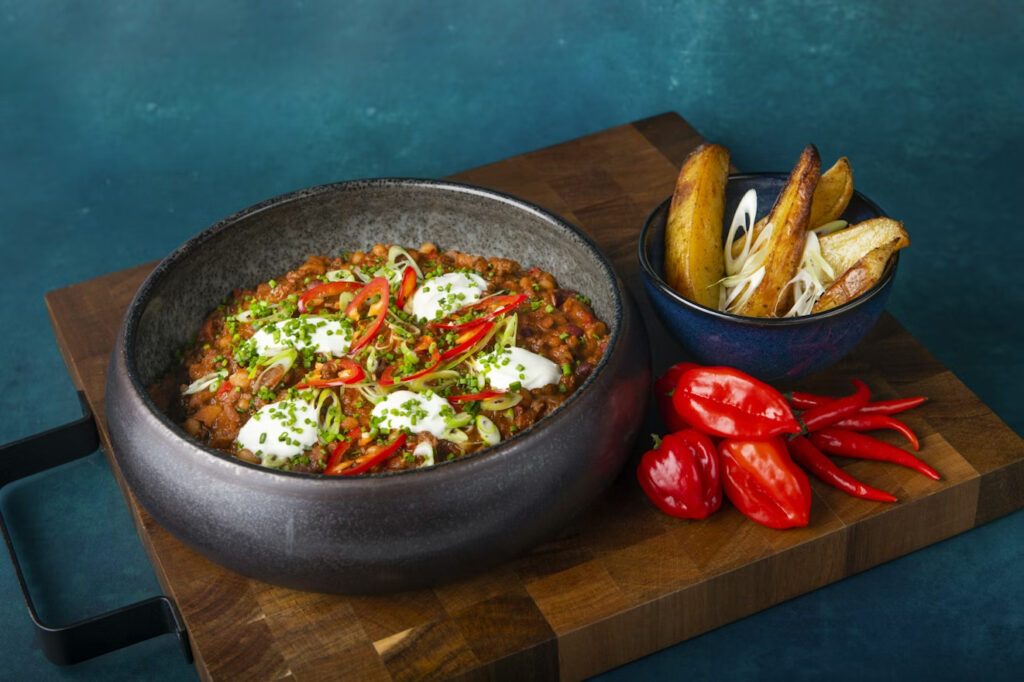
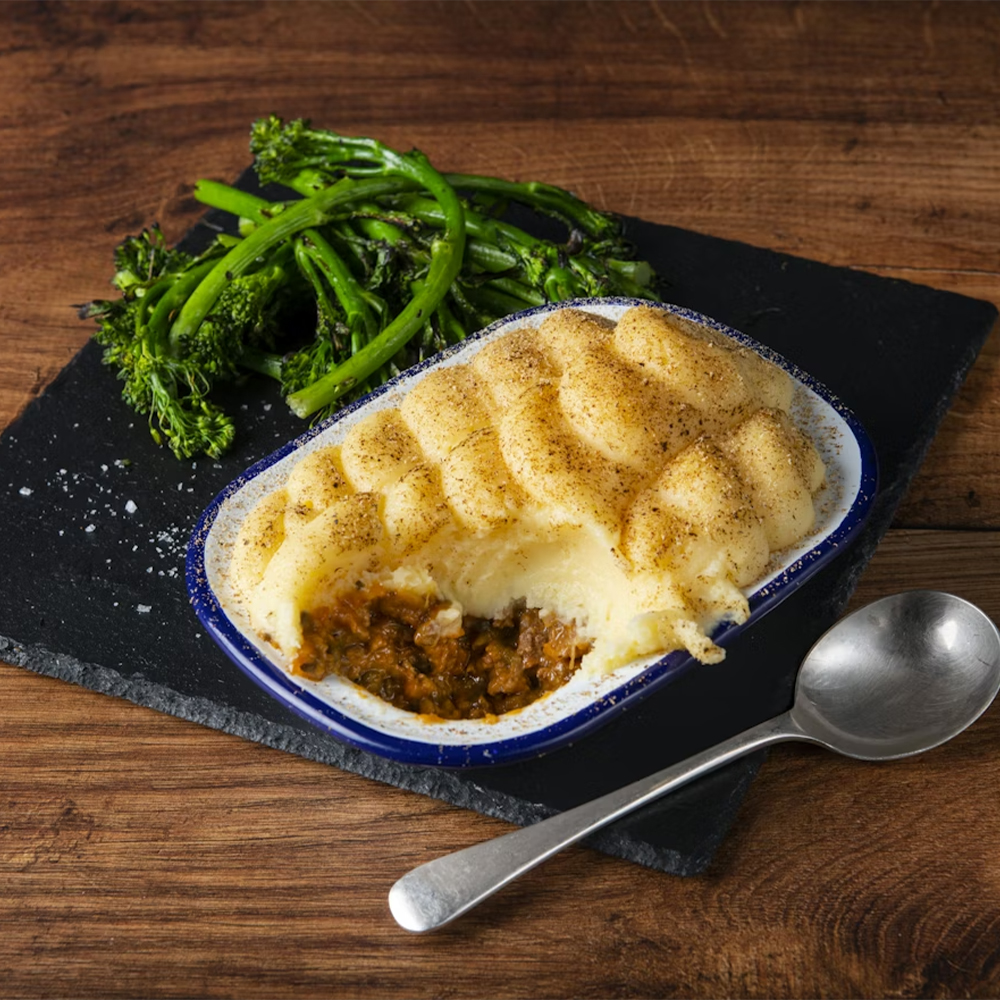
For Matt Vernon, success starts with understanding how people choose their food. Customers tend to return to meals they recognise. Asking them to move away from those choices can create a barrier. Instead, Big Carbon Kickout focuses on keeping those dishes on the menu, while improving how they are made. Recipes such as lasagne, cottage pie and beef chilli have been carefully adjusted through testing and feedback. The updated versions replace the originals, maintaining taste, portion size and value while lowering carbon impact. This approach removes the need for customers to make a conscious trade off. The better option becomes the standard option.

If you start by asking people to change what they eat, you create resistance. If you improve what they already enjoy, the change happens naturally.

Matt Vernon, Executive Development Chef

Designing Change Into the Dish

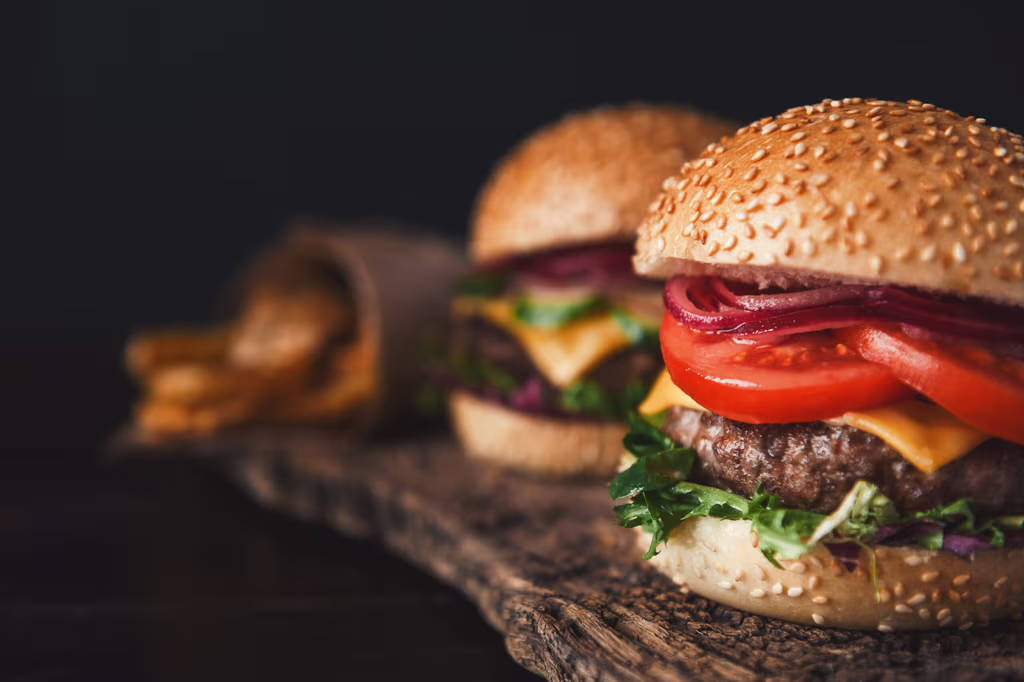
A key principle of the initiative is that sustainability should sit within the food itself, not alongside it. The Angel Hill hybrid burger is a strong example of this thinking. By combining beef with plant based ingredients, each serving reduces emissions by around 1.66 kg CO₂e. It still delivers 16 g of protein per 100 g, contains less saturated fat, includes added fibre and remains free from common allergens. The dish looks and feels familiar. The difference sits in how it is made. This model can be applied across menus. When the change is built into the recipe, uptake follows without the need for additional messaging or pressure.

What the Data Shows

The results from across Angel Hill sites provide a clear picture of how this approach works in practice.
Lower carbon dishes have been introduced across nearly 300 locations, with varying levels of uptake. Some sites serve smaller volumes, while others see higher demand. When combined, these contributions create a meaningful overall impact. Patterns in the data also reflect how customers engage with food throughout the year. Demand increases during busier periods, particularly in spring and summer, when outdoor events and barbecues are more common. These moments offer greater opportunities to reduce emissions, especially in areas where meat consumption is typically higher. The consistency between operational experience and reporting gives confidence that the approach is both practical and scalable.

Making Carbon Easier to Understand

Communicating carbon impact remains an important part of the initiative. Measurements such as kg CO₂e can be difficult to interpret in isolation. Translating those figures into mileage equivalents helps make them more relatable. Comparing a dish to the distance driven in a petrol car provides a clearer sense of scale. This approach supports more informed conversations with customers and helps build awareness of the impact of different ingredients, particularly beef.

Supporting Kitchens to Deliver

For kitchen teams, Big Carbon Kickout is designed to work within existing operational and commercial pressures. Adjusting ingredient balance can reduce reliance on higher cost items, creating more flexibility to refine recipes. Portion sizes remain consistent, and value is maintained for customers. In some cases, this also supports improved margins. The focus remains on delivering good food that works in practice. Sustainability is part of that outcome, not a separate objective.

A Simple Principle

At its core, Big Carbon Kickout is about making change feel straightforward. Customers are not asked to rethink their eating habits. Teams are not required to overhaul their operations. Instead, small improvements are made within familiar structures, allowing better choices to become part of everyday routines. As Matthew Vernon puts it, “Good food comes first. When you get that right and reduce the carbon impact at the same time, it becomes part of how you cook, not something separate.”

For the Love of Food: Q&A with Henry Watts on the vision behind Angel Hill Food Co.

Following the launch of the refreshed brand, we spoke with Henry Watts, Managing Director for Angel Hill Food Co. about the thinking behind the relaunch, what customers and colleagues can expect, and why food and the people who prepare it sit at the heart of the vision.

What inspired the relaunch of Angel Hill Food Co.?

Angel Hill Food Co. sits on strong foundations, but it reached a natural moment of change. The business OCS acquired in 2012 had served the B&I market well for many years, but the brand no longer reflected where the offer had grown to or where it was heading.

The Angel Hill name itself is rooted in heritage. It comes from Bury St Edmunds, where the Servest business, a forerunner of OCS, began. Angel Hill is the street where that story started, being one of the oldest food markets in the country and a centre of culinary excellence and exploration. The relaunch reconnects the catering offer to its origin, while giving it a clearer, more contemporary identity that reflects the quality of food and service now being delivered.

What will customers notice first about the new brand?

The most important change is not visual; it is experiential. Food is centre stage. Angel Hill Food Co. is about fresh ingredients, freshly prepared food, and menus that change and evolve.

Food plays a much wider role in people’s lives than simply sustenance. It brings people together, marks occasions, reflects culture, and creates moments of connection. That belief underpins the strapline ‘For the Love of Food’. It is a simple expression of why the offer exists and of the teams that deliver every day.

Customers should see food that looks appealing, tastes good, and is prepared with care, using responsibly sourced ingredients. The branding supports that story, but the proof sits on the counter.

How important are people in bringing the brand to life?

People are fundamental. Frontline colleagues are the face of the business. They interact with customers every day, they understand local preferences, and they shape the experience far more than any brand asset ever could.

The focus is always on having the right people in place. When colleagues share the right values, skills can be taught, and knowledge can be developed. That means investing in training, support, and the tools that make it easier to deliver great food and great service.

There is a simple truth behind the model. Great food leads to happy customers. Happy customers lead to strong customer relationships. None of that happens without colleagues who care about what they do.

How are teams empowered while maintaining consistency and safety?

Food safety and allergens are non-negotiable. Those standards create clear boundaries. Within them, colleagues are trusted to apply their local knowledge.

What works in Scotland may not work in Cornwall. Preferences vary by region, site, and customer group. Teams understand that detail better than anyone and are encouraged to adapt menus within agreed frameworks. That balance between consistency and empowerment is essential to delivering a safe, relevant, and engaging food offer.

What makes Angel Hill Food Co. different in a crowded catering market?

Angel Hill Food Co. benefits from being part of OCS while retaining the agility of a specialist catering business. That combination matters.

The business operates with the flexibility and responsiveness often associated with smaller operators, while drawing on the scale, resources, and support of a wider facilities management group. This allows Angel Hill Food Co. to work successfully as a standalone catering partner or as part of a broader, integrated offer.

For customers, it means access to a catering brand that feels personal and focused, but is backed by resilience, governance, and long-term capability.

What do you want customers and colleagues to feel when they experience the brand?

For customers, the experience should feel personal. Catering is the one service on-site people actively choose and pay for, which makes quality and value highly visible.

When people see the Angel Hill Food Co. name, they should associate it with fresh food, great service and food crafted with care and purpose. That means menus shaped with nutrition in mind – not as an add-on, but as part of how food supports people through their day, whether they’re working, learning or delivering essential services.

For colleagues, the brand should feel inclusive and supportive. Investment in training, development, and tools helps teams feel included in a greater entity, even when they are geographically distant from the head office. That sense of being part of a team directly influences consistency and pride in delivery.

How will the brand continue to develop over time?

Consistency matters as much as creativity. The ambition is not to have peaks and troughs, but to deliver a steadily improving service. New concepts, chef development, and menu evolution are all part of that journey, designed to keep customers engaged day after day.

Feedback from sites already shows growing confidence in the offer and stronger customer response. That momentum comes from clarity of purpose and having the right people delivering it. Retaining existing partnerships and earning new ones flows naturally from doing the basics well, every day.

Angel Hill Food Co.’s relaunch is about reaffirming a simple idea: when food is prepared with care by people who are supported and trusted, it creates better experiences for everyone.

Innovation on the Plate: A Conversation with Chris Ince, Chef Director

Innovation has become a defining force in modern food service. As expectations rise across workplace dining, caterers are being challenged to deliver food that is creative, relevant, responsible and operationally sound. At Angel Hill Food Co., catering innovation is not a trend-driven exercise – it is a disciplined, collaborative approach to shaping the future of food at work.

We sat down with Chris Ince, Chef Director, to explore what innovation really means in today’s catering landscape, how ideas are brought to life, and how Angel Hill continues to innovate catering in ways that matter to customers and colleagues alike.

Chris, what does “innovation” actually mean in a catering context today?

Chris Ince:

For me, innovation in catering is about progress, not novelty. It’s easy to chase trends, but real innovation solves problems for customers and improves how food performs in a live environment. That might mean improving nutritional balance, reducing carbon impact, speeding up service, or making food more accessible to different audiences.

True catering innovation balances creativity with consistency. If an idea can’t be delivered at scale, or doesn’t resonate with customers, then it isn’t innovation – it’s just experimentation.

Where does innovation start at Angel Hill Food Co.?

Chris Ince:

It always starts with listening. We listen to our customers, our site teams and our chefs. They are closest to the reality of service – they know what customers ask for, what sells, and what causes friction.

From there, ideas are developed collaboratively. We test concepts in real kitchens, refine them based on feedback, and pressure-test them operationally. That process ensures we innovate catering in a way that works day in, day out – not just on paper.

How do you balance creativity with operational delivery at scale?

Chris Ince:

That’s one of the biggest challenges in food service. You can create the most exciting dish in the world, but if it slows service, requires specialist skills, or creates waste, it won’t succeed in a workplace setting.

Our approach to catering innovation is rooted in practicality. We look at ingredient availability, preparation time, training requirements and equipment from the outset. Creativity has to live within those parameters – and often that’s where the best ideas emerge.

Innovation is often associated with new flavours – but is that enough to deliver real progress in catering?

Chris Ince:

Flavours are important, but innovation goes far beyond that. Some of the most impactful changes happens quietly – reformulating recipes, improving sourcing, or redesigning formats to suit how people actually eat at work.

For example, improving a familiar dish by lowering its carbon footprint or enhancing its nutritional profile without changing the eating experience is a powerful way to innovate catering. Customers still get what they love, but with added value behind the scenes.

How does sustainability influence catering innovation across modern food service?

Chris Ince:

Sustainability is inseparable from innovation now. Any new concept or recipe has to be assessed through environmental, nutritional and commercial lenses. Our Big Carbon Kick Out programme is a great example – it challenges us to rethink everyday dishes and make smarter ingredient choices that reduce impact without sacrificing flavour.

This isn’t about telling customers what they should eat. It’s about making better choices the default, so sustainability becomes effortless.

How do you encourage chefs to innovate?

Chris Ince:

Culture is everything. Chefs need structure, but they also need trust. We give our teams clear frameworks and objectives, then empower them to explore ideas within those boundaries.

Initiatives like our Culinary Classroom bring chefs together to share knowledge, test concepts and learn from one another. When people feel invested and heard, innovation becomes part of everyday thinking – not something reserved for special projects.

What role does customer insight play in innovation?

Chris Ince:

A huge one. Innovation only succeeds if customers buy into it. That’s why we involve them early – through tastings, trials and feedback loops.

When customers help shape the outcome, adoption is faster and confidence is higher. That’s how we innovate catering with relevance, rather than assumption.

Looking ahead, what excites you most about the future of catering innovation?

Chris Ince:

The opportunity to rethink formats and experiences. As workplaces evolve, food needs to work harder – it has to be flexible, engaging and meaningful.

Whether it’s street-food-inspired concepts, smarter grab-and-go options, or reimagined classics, the future of catering innovation lies in blending creativity with insight. If we stay curious, collaborative and grounded in reality, there’s enormous potential ahead.

A Considered Approach to Innovating Catering

Innovation is not about reinvention for its own sake. It’s about thoughtful progress – improving how food tastes, how it’s delivered, and how it supports people and the planet.

By embedding catering innovation into everyday thinking and continuing to innovate catering through collaboration and insight, Angel Hill Food Co. is shaping a future where workplace food is not just served – it’s genuinely valued.