Chef of the Year takes centre stage at Angel Hill Live

Angel Hill Food Co. chefs from across the UK came together at Grand Station, Wolverhampton, on 20th March, to compete in the Chef of the Year 2026 competition – a central part of the first Angel Hill Live event.

Led by Executive Development Chef Dan Farrand, the competition reflected the pace and pressure of real service. A live cook-off saw finalists prepare and present their dishes in front of peers, partners, and an expert judging panel, demonstrating how culinary skill translates into consistent, high-quality food across diverse sites.
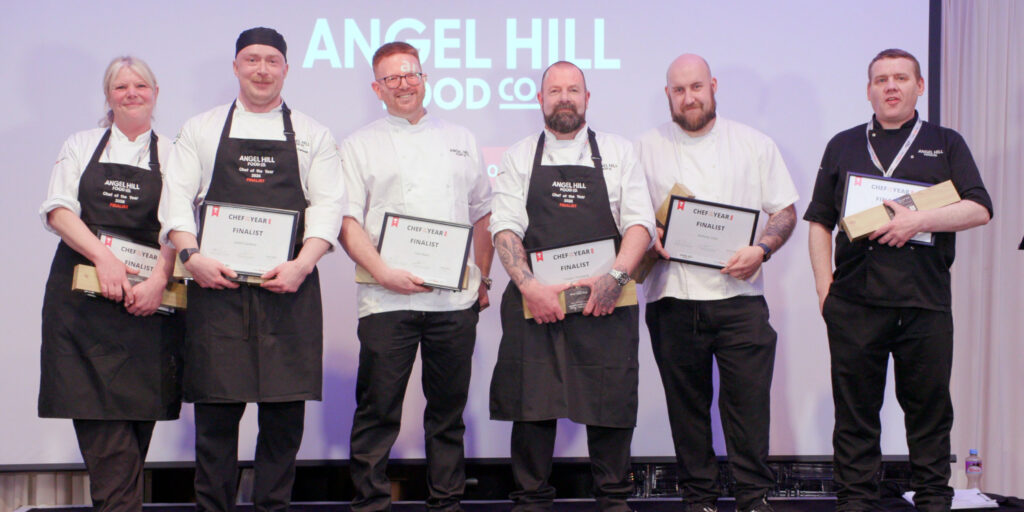
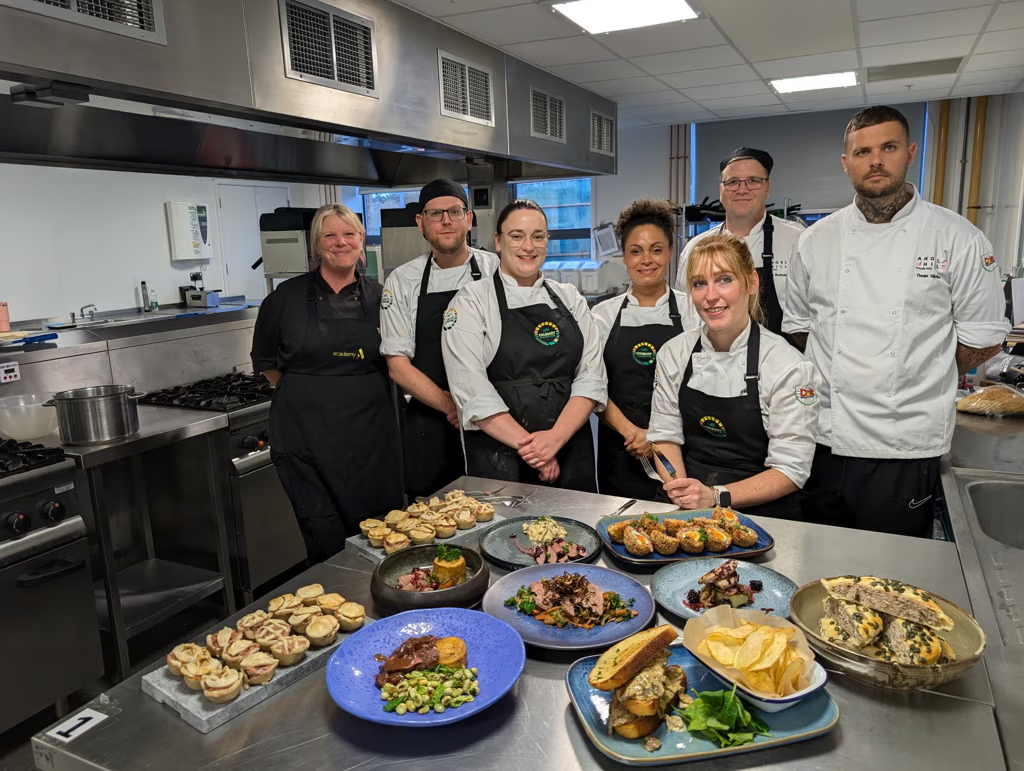
Chef of the Year finalists: Jenny Brown, Jamie Carless, Tom Ware, Tristen Cleveland, Anthony Clark and Darren Barnes.

 A platform for culinary standards

The Chef of the Year competition is a key part of the Angel Hill calendar. It recognises the role chefs play in delivering food that meets customers’ expectations every day, while also creating a space to collaborate, develop new ideas and raise standards across the business.

Six finalists reached the 2026 final:

  • Anthony Clark
  • Jennifer Brown
  • Jamie Carless
  • Tristen Cleveland
  • Tom Ware
  • Darren Barnes

Judged by industry expertise

The final was assessed by a panel combining sector experience and supplier insight, consisting of:

  • Wayne Wright – Culinary Development Chef, Bidfood
  • Dr Shelly Nuruzzaman – Founder and CEO, Bang Curry
  • Stuart Nisbet – Food Development Director, Tugo Food Ltd.

Judges focused on key criteria including taste and flavour, technical skill, and overall execution. They assessed each dish against both culinary standards and the realities of delivery in a contract catering environment.

Cooking under pressure

Working within a live cook-off format, overseen by Dan Farrand, finalists prepared their dishes under time constraints, reflecting the demands of day-to-day catering operations. Therefore, each dish had to demonstrate consistency, clarity, and scalability, while maintaining quality and presentation.
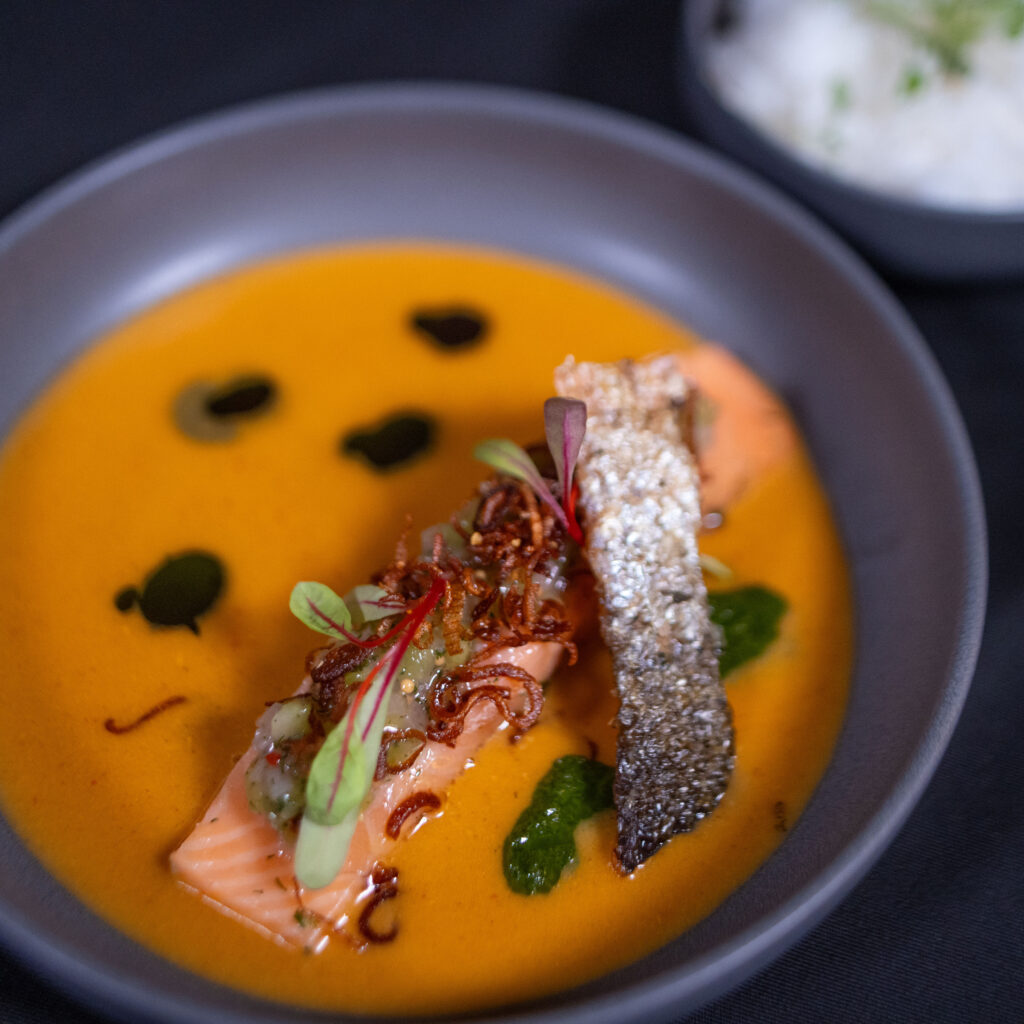
Runner Up dish, Confit Salmon & Thai Red Curry Broth, by Tristen Cleveland
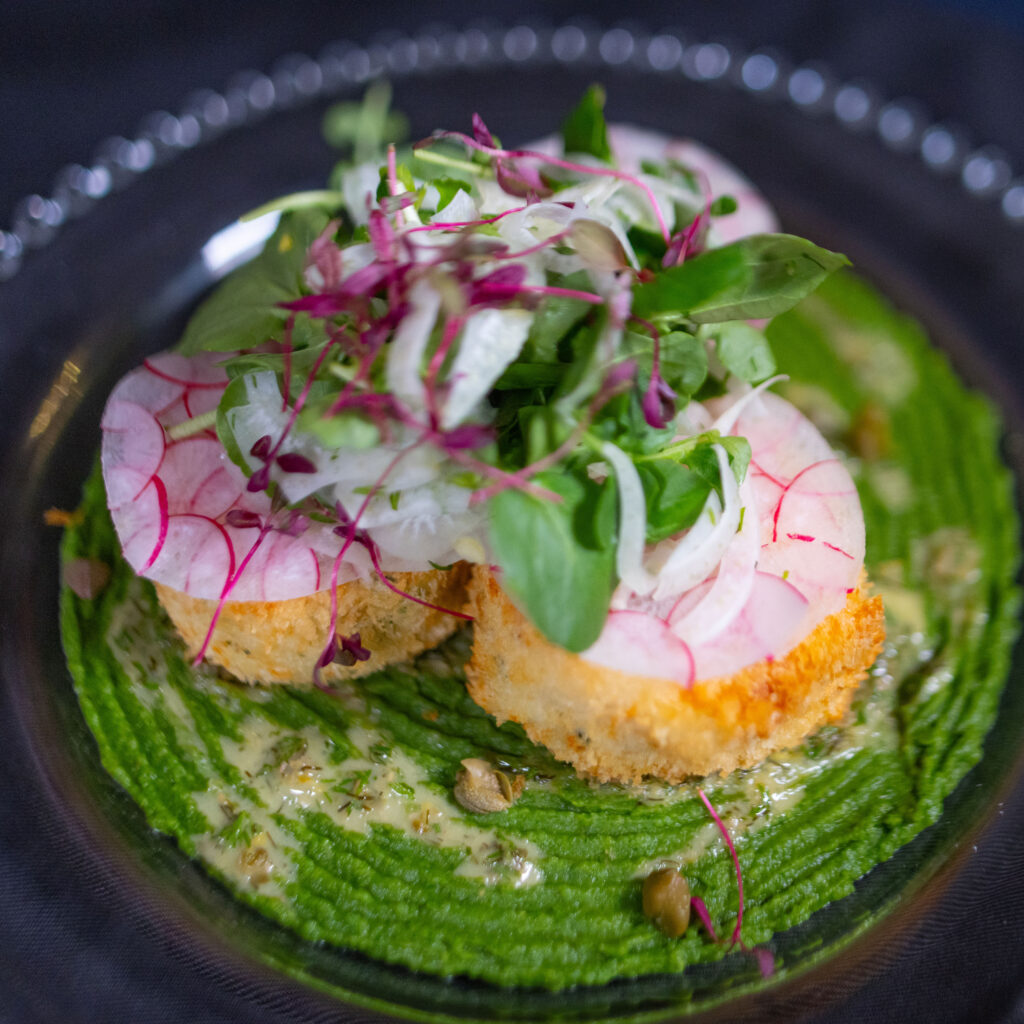
Third Place dish, Smoked Haddock & Chive Fish Cakes, by Jennifer Brown

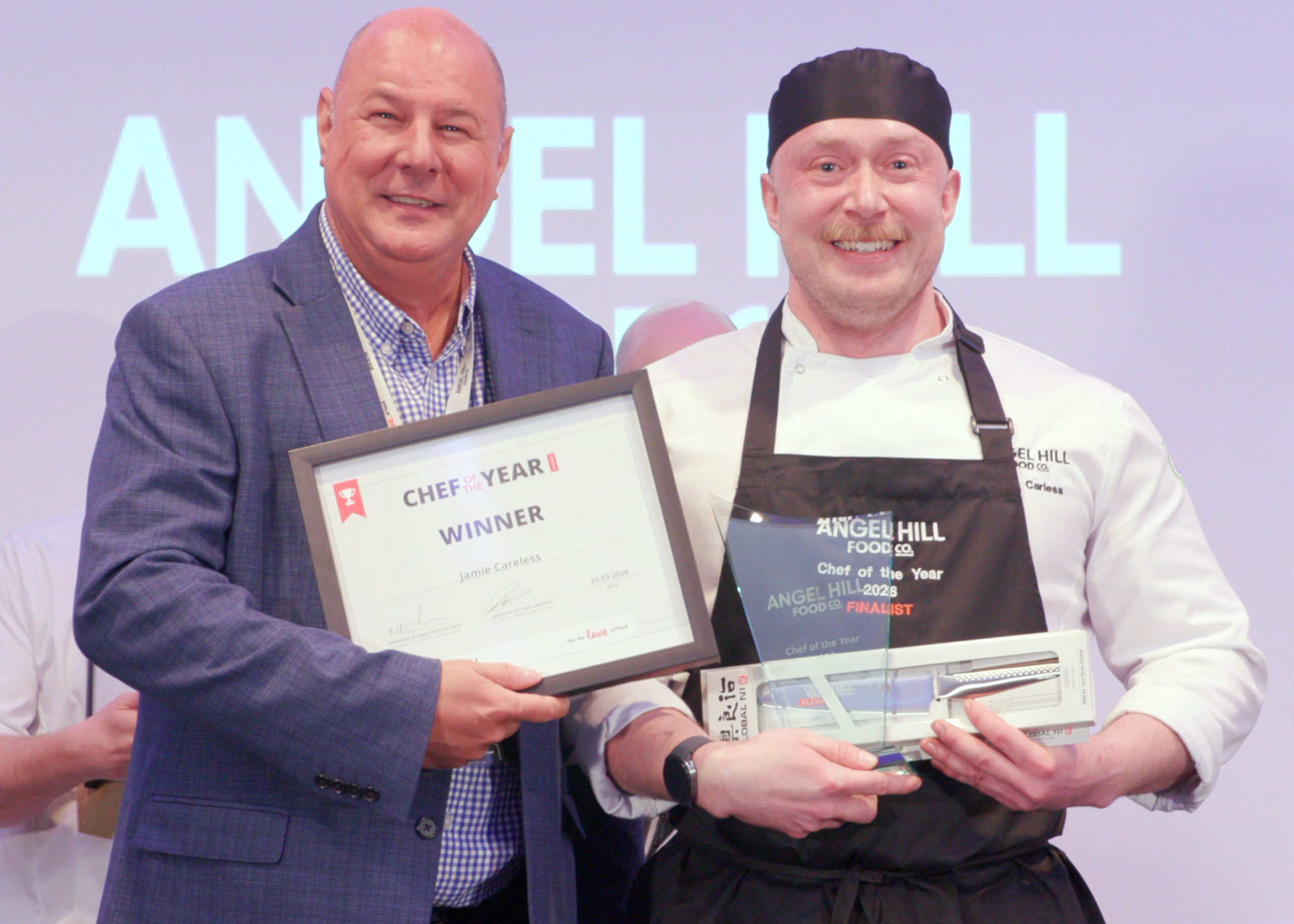
Chef of the Year 2026: Jamie Carless

Jamie Carless, Chef Manager at Alloga, secured the Chef of the Year 2026 title with a performance that combined creativity and a clear understanding of modern food expectations.

His winning dish, Cauliflower Three Ways, demonstrated a confident approach to plant-forward cooking. Moreover, the dish balanced flavour, texture and presentation, while remaining practical for delivery in a catering environment.

Tristen Cleveland, Executive Chef at Ocado Apollo Court, secured second place with Confit Salmon & Thai Red Curry Broth. Jennifer Brown of Sarum Academy placed third with Smoked Haddock & Chive Fish Cakes.

The judging panel recognised the overall standard of the competition, with each finalist demonstrating strong technical ability and thoughtful menu development.
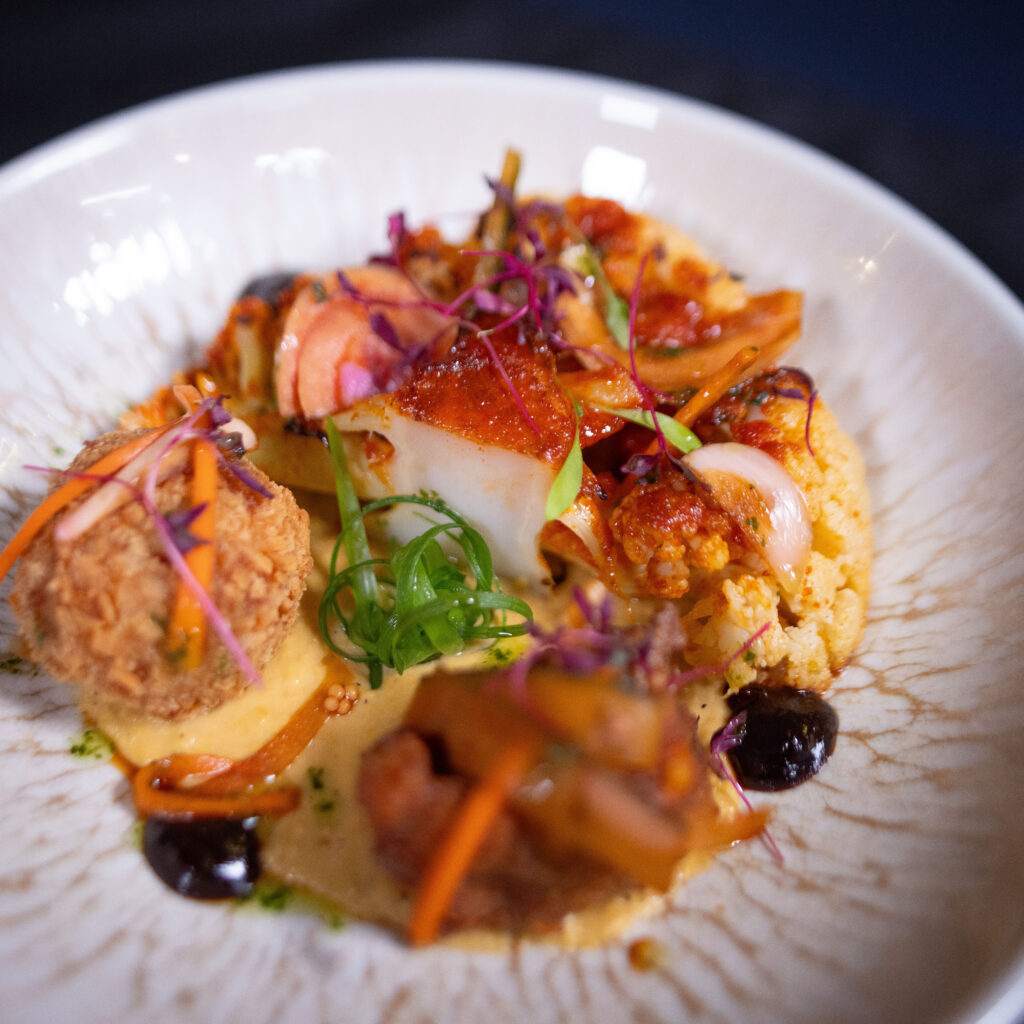
Jamie Carless’s winning dish: Cauliflower Three Ways
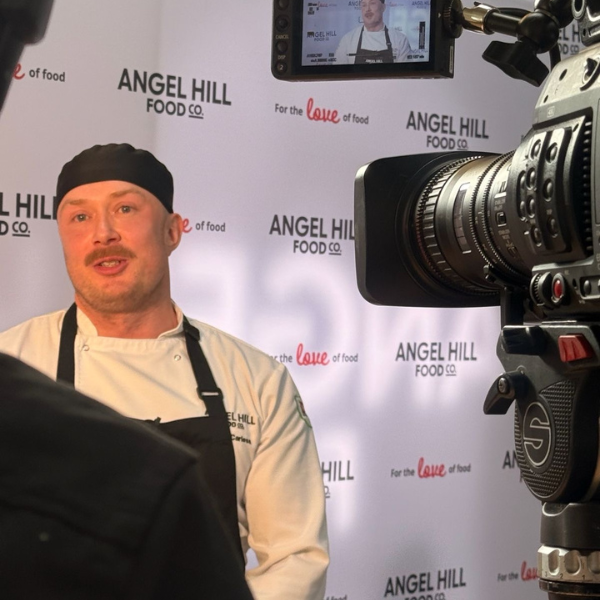
Jamie Carless, 2026 Chef of the Year winner

Strengthening capability through people and practice

The competition highlighted the depth of culinary talent across Angel Hill Food Co. It also reinforced the importance of continuous development, with Dan Farrand supporting chefs in refining their skills and translating ideas into practical delivery.

Moreover, events such as Angel Hill Live create a setting where colleagues and partners come together to share knowledge, test new concepts and also strengthen ways of working.

By focusing on real service outcomes, the Chef of the Year competition supports consistent standards, encourages innovation and strengthens the overall food offer delivered to customers.

Looking ahead

Following the success of its first year, Angel Hill Live will continue to provide a platform for development, collaboration and progression in the years to come.

The Chef of the Year competition remains central to that approach, giving chefs across the business the opportunity to build their capability and contribute to the future of food at Angel Hill Food Co.
Designing Inclusive School Menus to Support Neurodiversity

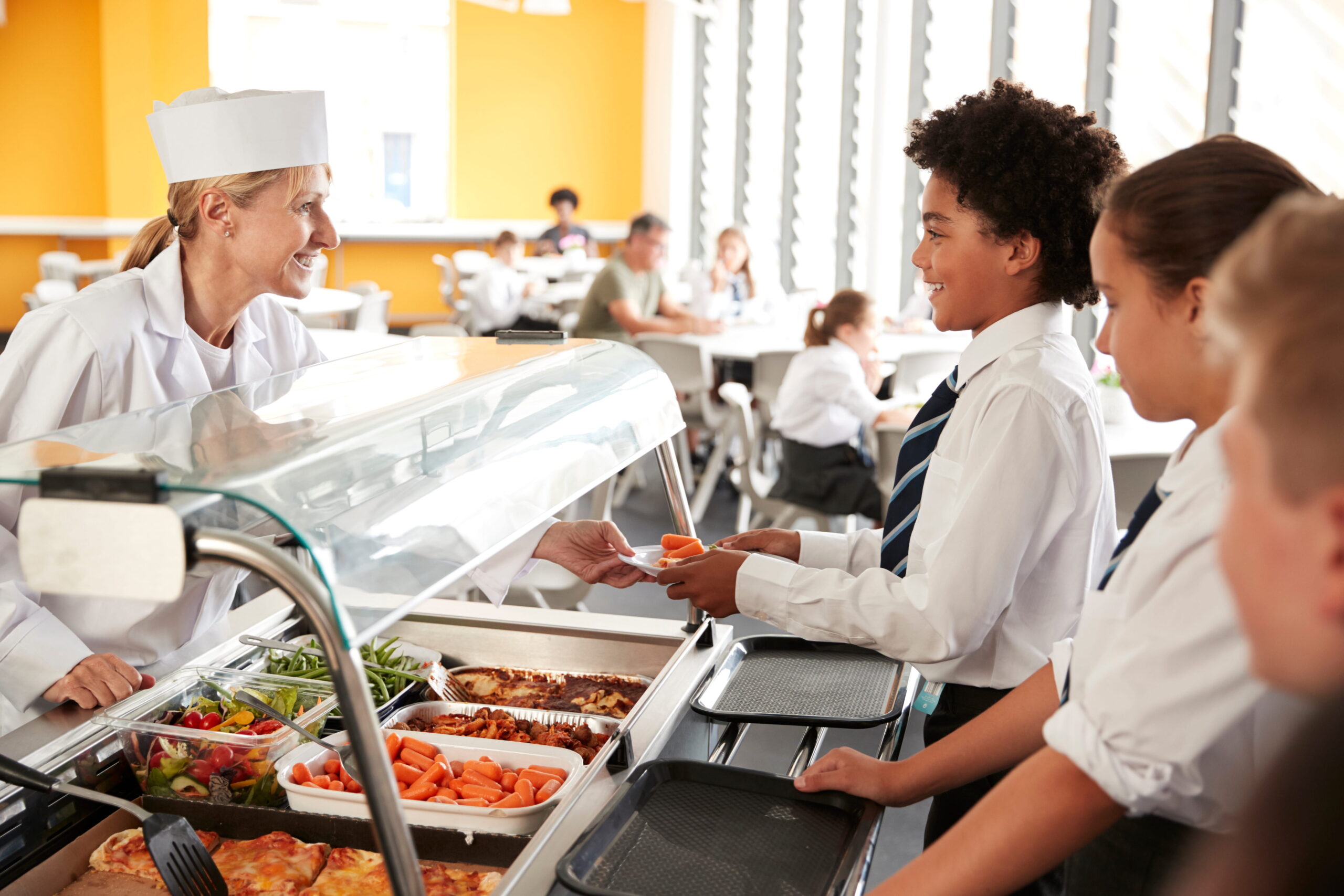
Amy Teichman, Head of Nutrition at Angel Hill Food Co, and Hannah Parish, Nutritionist, work across education settings to shape school food that supports both well-being and performance. Their work focuses on helping students understand the nutritional value of their choices while ensuring that menus are accessible, inclusive, and practical in busy school environments.

In an article for Neurodivergence Week, Amy and Hannah reflect on the day-to-day realities of school catering and how different students respond to food and to the dining environment.

For neurodiverse students in particular, lunchtime can feel busy and overwhelming. Our role is to work closely with our teams and education partners to reduce that pressure and make food more accessible.

Says Amy.

Working with Teams to Understand Student Needs

Amy and Hannah work directly and collaboratively with chefs, catering managers and school leaders to understand the needs of students and where challenges may arise.  This may be how menus are written, how food is presented, or how choices are communicated during service.

“By working directly with colleagues on site, we adapt our approach in ways that reflect the reality of each school. It also gives teams the confidence to make small, practical changes that improve the experience for students,” Amy says.

Making Menus Clearer and More Accessible

Focus is given not only to what is on the menu, but how it is understood. For some students, this means providing clear descriptions and avoiding busy layouts which could otherwise lead to making choosing a meal more difficult. Using descriptions such as “crunchy, “mild”, or “smooth” helps students understand what to expect before they reach the counter.

Amy adds, “We also introduced visual menus in some of our schools to support students who may struggle with reading. These provide a clear and simple way to recognise meals, helping students make choices more independently and with greater confidence.”

Where possible, menus are shared beyond the dining hall, including online and in other areas of the school. This gives students time to review their options in a calmer environment before entering a busy space.

Supporting Choice Without Adding Pressure

We work with our catering teams to ensure there are always familiar or simpler options available alongside the wider menu. This gives students a dependable choice while still encouraging them to explore something new.

Providing a dependable choice gives students reassurance, while space to explore something new builds confidence. Taster portions support this, allowing students to try different foods without committing to a full meal.

Creating that balance is key. Students need to feel confident in what they are choosing, while still being supported to access nutritious meals.

Hannah Parish adds.

Creating Better Experiences for all Students

The changes we make to support neurodiverse students have a wider impact.

Clear, accessible menus improve the experience for all students. Service becomes more efficient, queues move more smoothly, and students have more time to relax during their break.

For our colleagues, it also creates clarity and consistency in how menus are presented and explained, which supports smoother day-to-day delivery.

Continuing to Evolve Inclusive Menu Design

“This is ongoing work for us. Hannah and I continue to learn from our teams and from students themselves. That insight helps us refine our approach and identify where we can go further,” adds Amy.

Angel Hill Food Co. remains committed to developing and providing inclusive menus that ensure students and schools feel supported. By working closely with colleagues and education partners, we create dining experiences that are accessible, practical, and supportive for every student.

International Women’s Day: Celebrating the Women of Angel Hill Food Co.

Angel Hill Food Co. colleagues support customers in busy kitchens, hospitality spaces and workplace restaurants every day. Their work requires skill, resilience and care. It creates environments where food brings people together and where customers and communities feel welcome.

This International Women’s Day, we are recognising the women across our catering teams who contribute to our success, develop others and lead with confidence.

International Women’s Day is a chance to recognise the contribution women make across our industry.

Across Angel Hill Food Co, many of our kitchens and teams are led and supported by talented women who help deliver a service that schools and students rely on every day. Their professionalism, care and commitment shape the experience our customers see.

When colleagues feel respected, supported and empowered to grow, it strengthens our teams and helps us deliver the best outcomes for the communities we serve.

Henry Watts, Managing Director, Angel Hill Food Co.

Jennifer Brown, Catering Manager

What inspired your career in catering?

For Jennifer, it started with a love of food and the way it brings people together. That sense of connection became the foundation of her career.

As she progressed, learning from others played a key role. Different roles, constructive feedback and strong working relationships shaped her development. She believes you only get out what you put in, and that mindset has guided her growth into a leadership role.

How have you supported others, and how has that helped you grow?

Jennifer leads by example. Supporting colleagues has strengthened her communication skills and patience, particularly when working with different personalities.

She finds it rewarding to see others succeed. Sharing knowledge and helping colleagues build confidence has sharpened her leadership skills in return.

How does investing in people create stronger teams?

“I believe that giving time and encouragement builds trust. When colleagues feel listened to and valued, they gain confidence. That confidence creates a positive working environment where people feel supported and empowered, leading to stronger teamwork and better outcomes for customers.”

Angela Urwin, Operations Director for Catering

What inspired your career in catering?

Angela’s interest began at home, baking with her mother. A Saturday job as a waitress strengthened her ambition. Watching chefs at work, she decided to follow that path.

She began college at 16, gaining City and Guilds qualifications alongside specialist training in cake decoration and confectionery finishing. Early hotel roles required resilience and confidence while working in male-dominated kitchens. She adapted and progressed through bakery roles, Chef Manager positions, larger contracts and operations leadership.

Fourteen years ago, she became Operations Director, a position she continues to hold. She credits hard work, courage and taking ownership of her development for her progression.

How have you supported others, and how has that helped you grow?

Angela coaches her teams to strengthen financial awareness, deliver KPIs and support sustainable performance.

She encourages colleagues to build their profiles and take responsibility for their development. In her view, leaders are only as strong as the teams around them. Investing in others strengthens the whole business.

How does investing in people create stronger teams?

“I promote freedom within a clear framework, encouraging colleagues to be brave, take ownership and learn from experience, with guidance in place. Training and coaching build confidence and resilience, leading to stronger collective performance and improved outcomes for customers.”

Angela Urwin, Operations Director

Jennifer Brown, Catering Manager

Hannah Parish, Nutritionist

What inspired your career in nutrition, and were there any female inspirations?

Hannah’s interest in nutrition began from a personal perspective. While strength training and running, she wanted to understand how to fuel performance and support long-term health. That curiosity developed into a career.

As her knowledge grew, she became increasingly aware of the amount of conflicting and unqualified advice in the nutrition space. She chose to pursue formal education so she could rely on evidence-based practice and help others navigate the “food noise” with clarity and confidence.

She draws inspiration from women such as Dr Emily Prpa, Dr Faye Bates, Dr Hazel Wallace, Sophie Waplington and Sophie Gastman. Their clear communication, science-led approach and focus on female health have shaped her own practice: inclusive, practical and grounded in evidence.

What have you given to others that has helped you grow?

Hannah joined Angel Hill a year ago alongside Amy Teichman. Together, they have strengthened and refined the nutrition offer across sectors, aligning concepts with current research and making resources more accessible for site teams.

This was her first nutrition role within catering. Through collaboration and mentoring, she has progressed from Associate Registered Nutritionist to Registered Nutritionist, building confidence in communication and inclusive practice. The experience has supported her growth in both capability and leadership.

How does giving time and encouragement create stronger outcomes?

Hannah believes trust is essential. When teams feel supported rather than judged, they are more open to embedding nutrition into their food offer.

“By focusing on small, meaningful changes and building strong relationships with kitchen teams, confidence grows. Sites take ownership, use resources independently and engage more deeply.”

That collaboration creates sustainable impact and brings nutrition to life in a way that feels practical and achievable for every team.

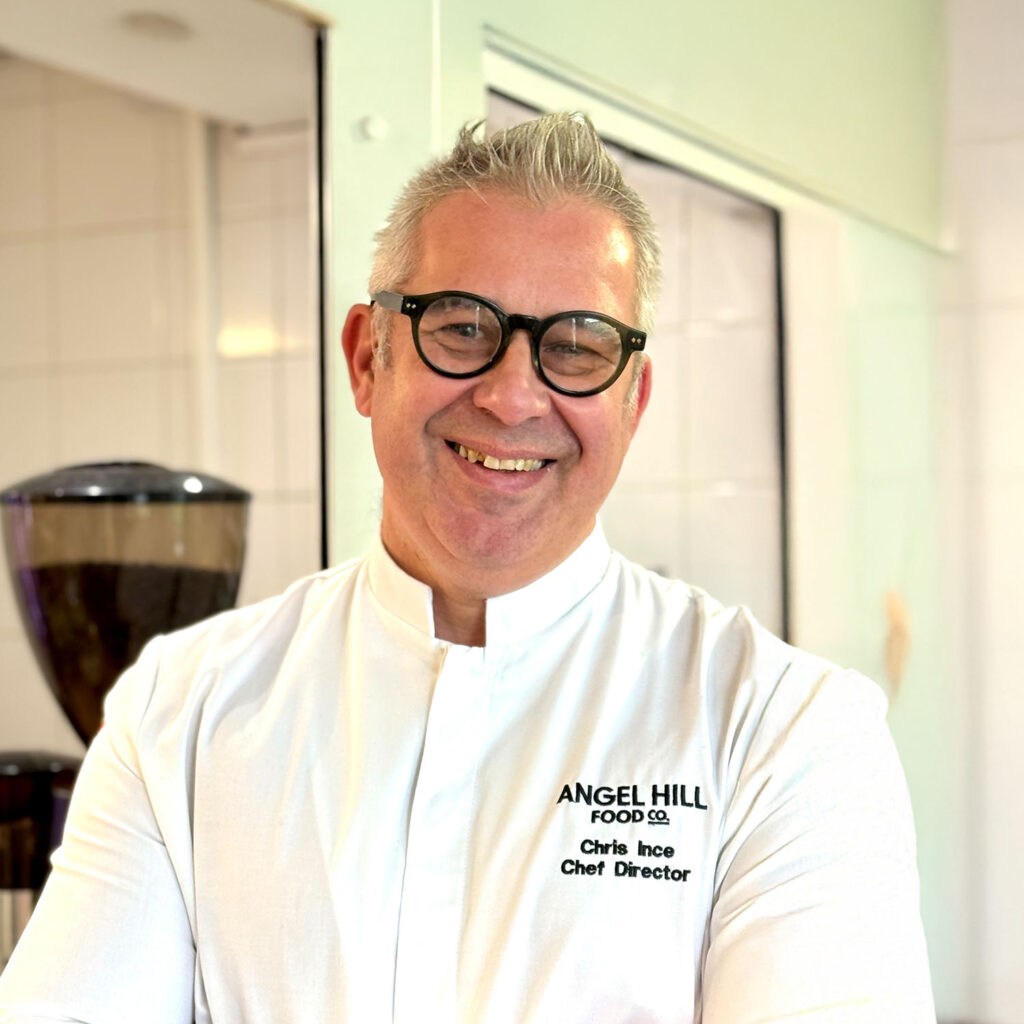
Chris Ince, Chef Director

From your perspective in leadership, how do female chefs, managers and site teams strengthen our performance and culture?

Diversity strengthens performance in every workplace, and catering is no different. Drawing from the widest pool of talent brings different experiences and perspectives into decision-making and service delivery, reducing blind spots and improving outcomes.

Strong female representation allows the business to benefit from outstanding craft and management capability. Women chefs and managers are fundamental to the catering operation, contributing to diverse teams that reflect the customers and communities we serve.

The theme this year is Give to Gain. How does investment in women’s development benefit the wider business?

Investing in women’s career development supports the long-term success of the business. Catering operates in highly competitive sectors, and strong teams require the best people in operational roles.

Clear development pathways create higher-calibre teams with a wider range of experiences and viewpoints. This strengthens working environments and improves outcomes for customers. Businesses that actively support women’s careers also strengthen their reputation and attract talented people across the market.

What responsibility do senior leaders have in creating opportunities for women to progress in operational roles?

Senior leaders have a responsibility to create the conditions where women are encouraged to take opportunities and supported to succeed.

Flexibility plays an important role. Many women face difficult choices when balancing career development with family life. Flexible working arrangements, job sharing, phased responsibility or regional roles closer to home can help colleagues continue developing their careers while managing personal commitments.

Thoughtful leadership and practical support can unlock significant potential across the workforce and strengthen both culture and productivity.

Chris Ince, Chef Director

Hannah Parish, Nutritionist