Chef of the Year takes centre stage at Angel Hill Live

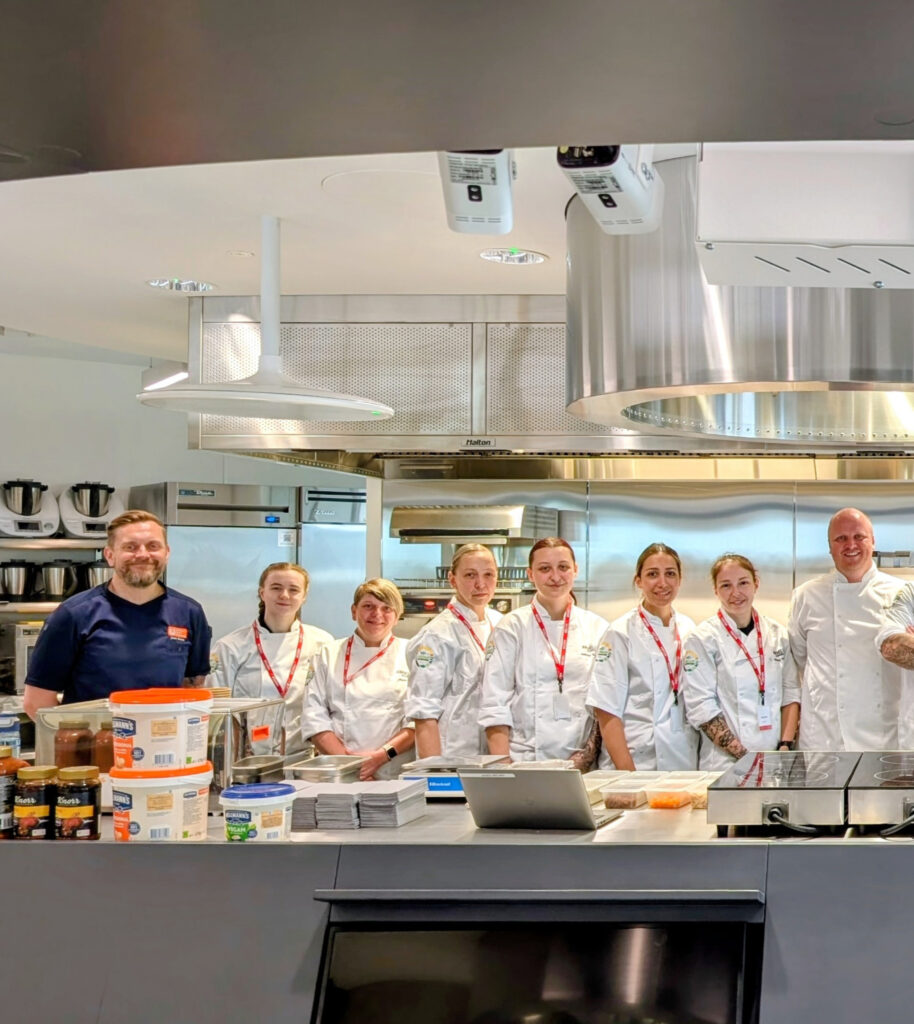
Angel Hill Food Co. chefs from across the UK came together at Grand Station, Wolverhampton, on 20th March, to compete in the Chef of the Year 2026 competition – a central part of the first Angel Hill Live event.

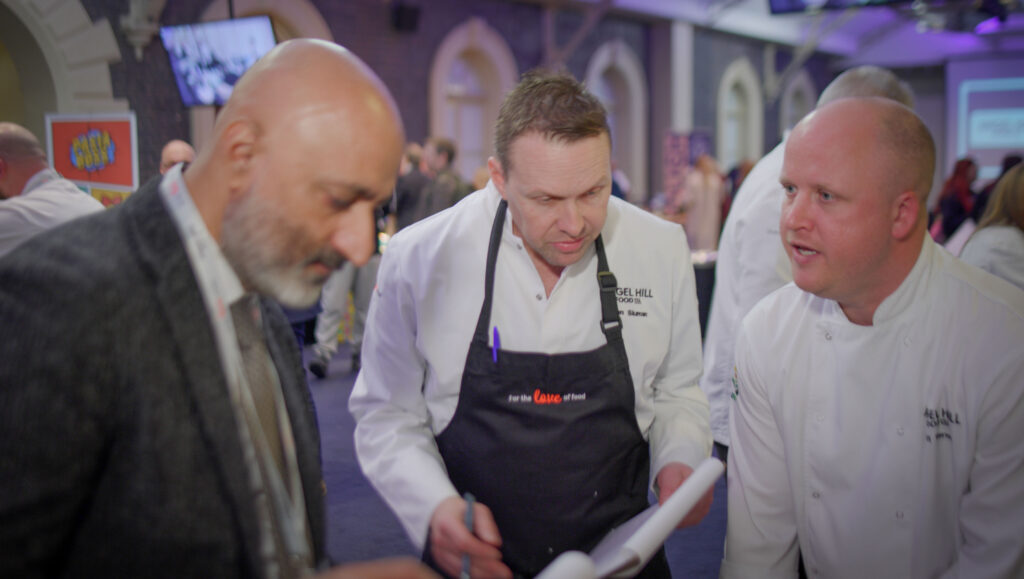
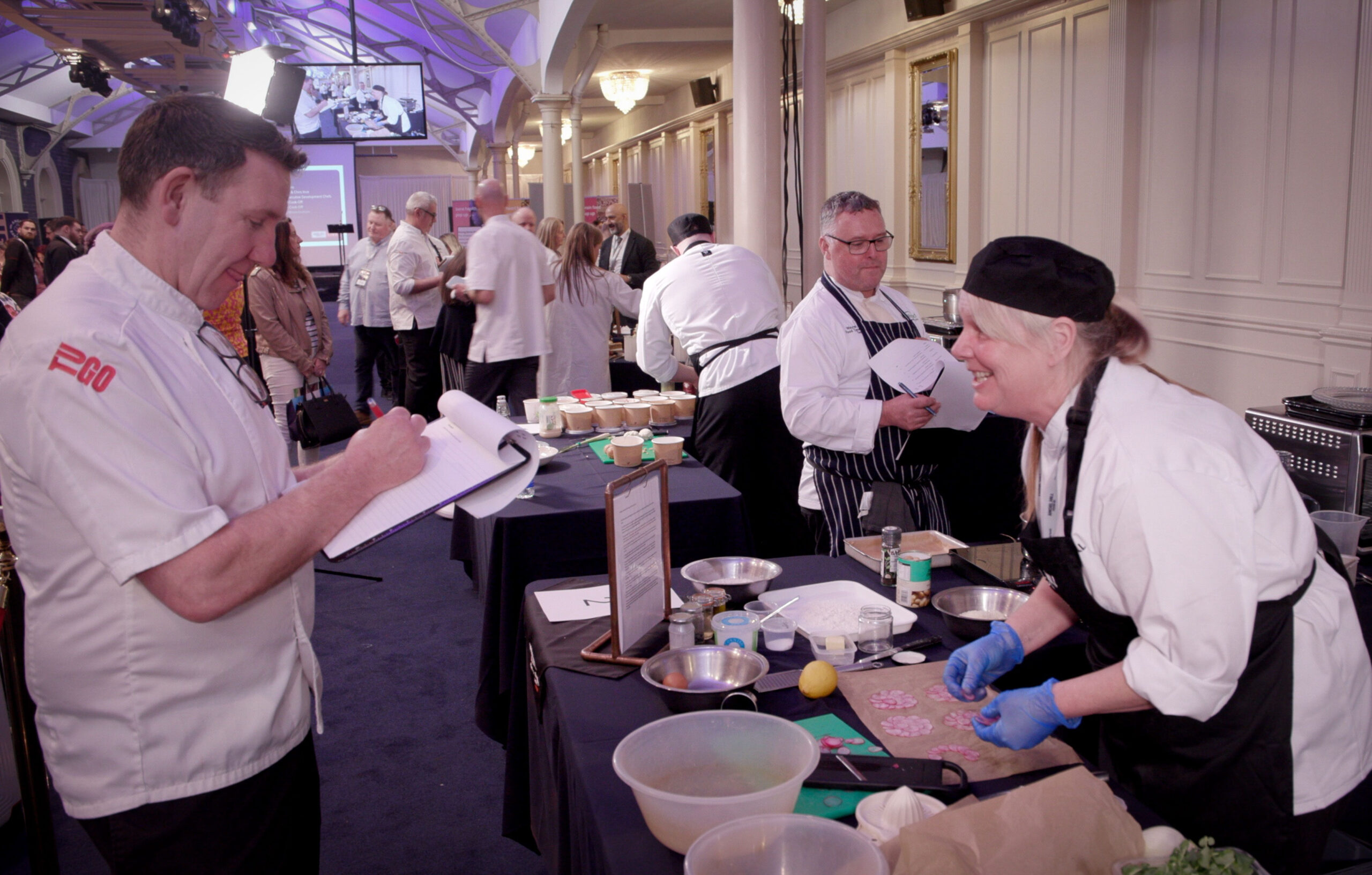
Led by Executive Development Chef Dan Farrand, the competition reflected the pace and pressure of real service. A live cook-off saw finalists prepare and present their dishes in front of peers, partners, and an expert judging panel, demonstrating how culinary skill translates into consistent, high-quality food across diverse sites.

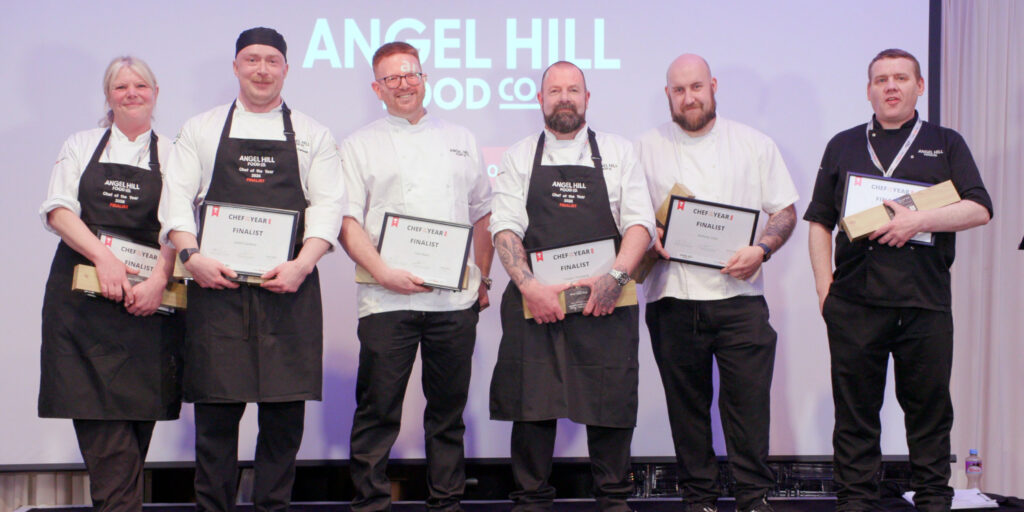
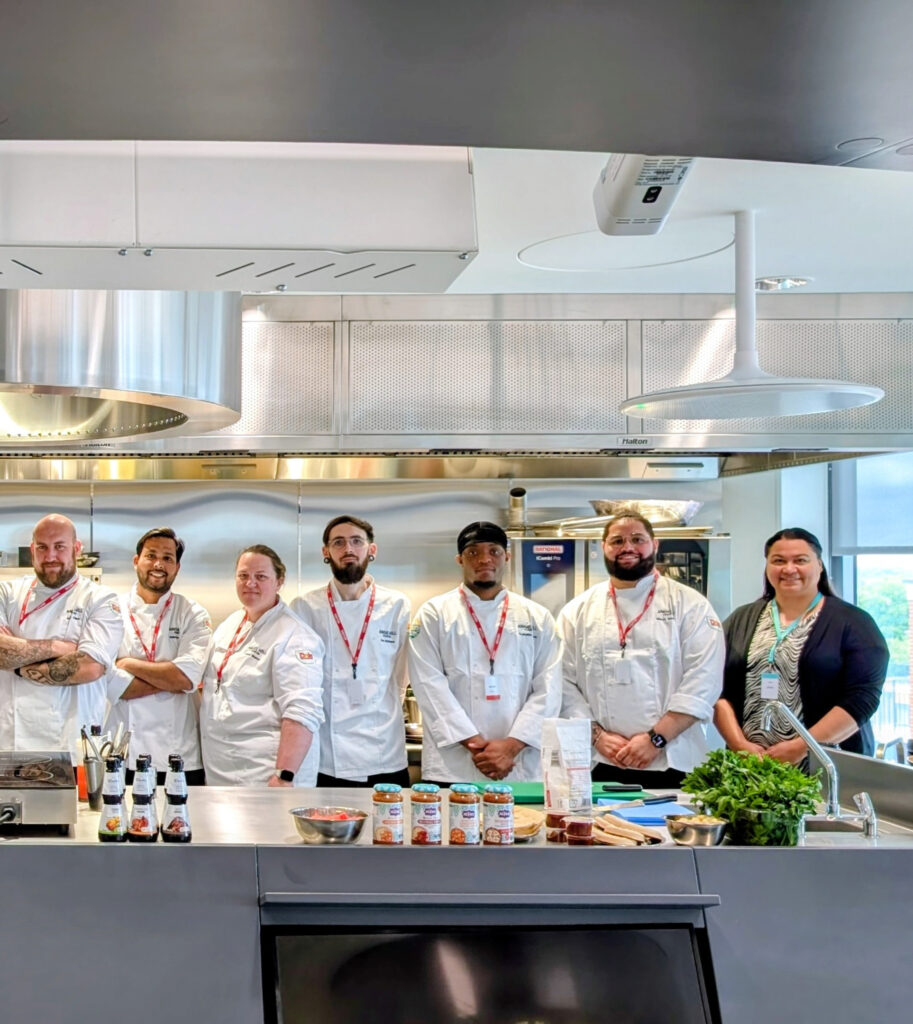
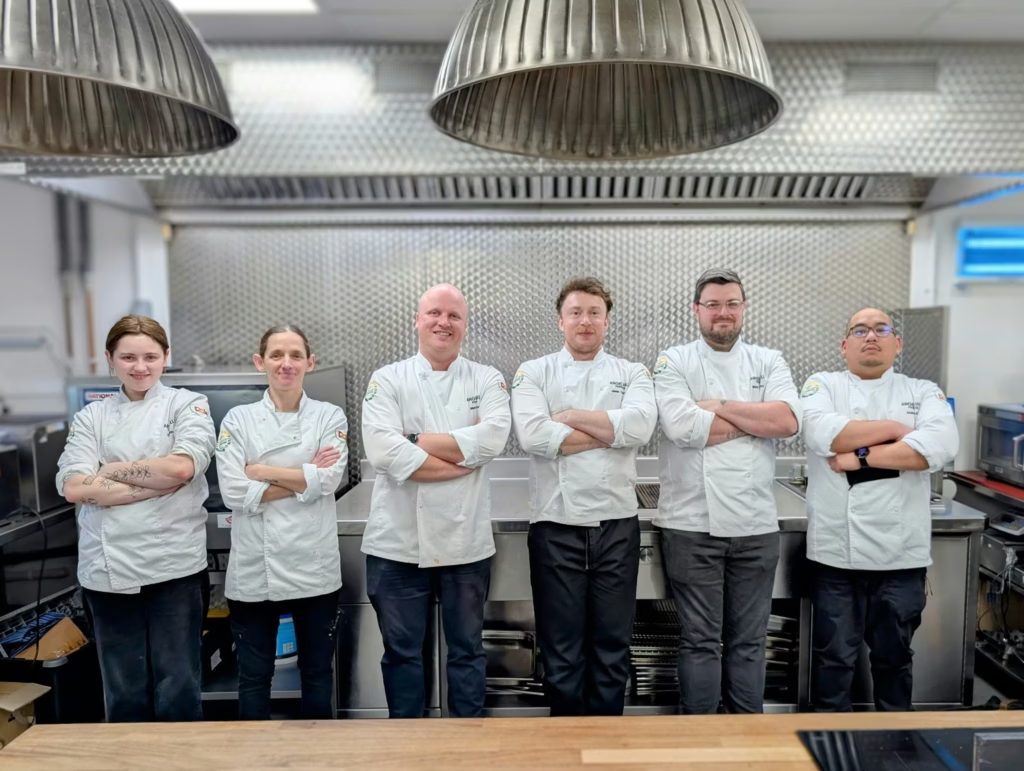
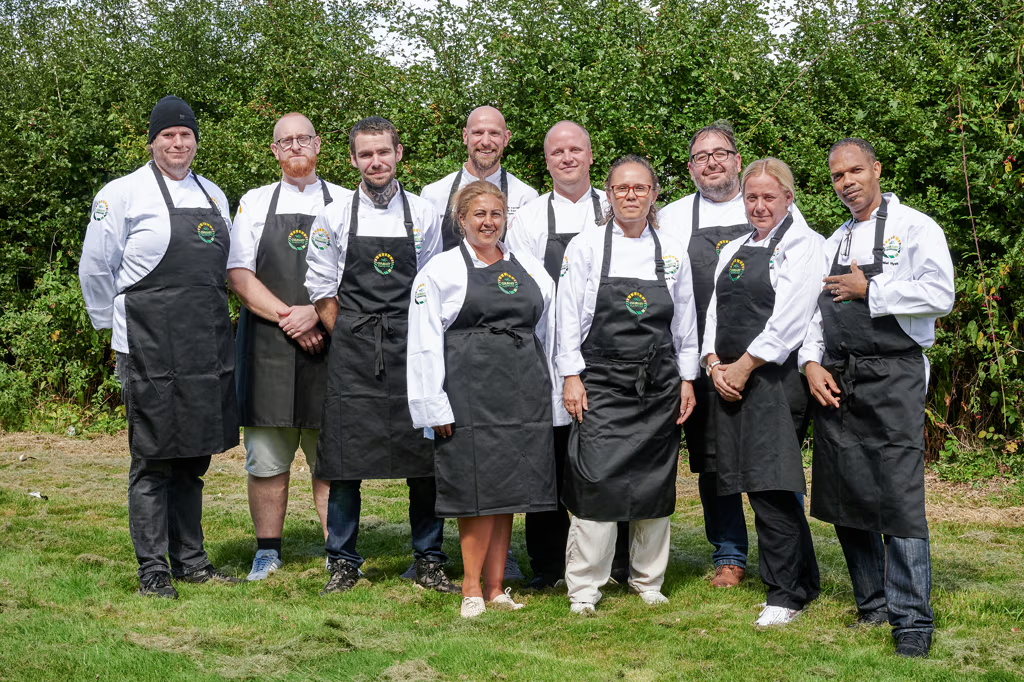
Chef of the Year finalists: Jenny Brown, Jamie Carless, Tom Ware, Tristen Cleveland, Anthony Clark and Darren Barnes.

 A platform for culinary standards

The Chef of the Year competition is a key part of the Angel Hill calendar. It recognises the role chefs play in delivering food that meets customers’ expectations every day, while also creating a space to collaborate, develop new ideas and raise standards across the business.

Six finalists reached the 2026 final:

  • Anthony Clark
  • Jennifer Brown
  • Jamie Carless
  • Tristen Cleveland
  • Tom Ware
  • Darren Barnes

Judged by industry expertise

The final was assessed by a panel combining sector experience and supplier insight, consisting of:

  • Wayne Wright – Culinary Development Chef, Bidfood
  • Dr Shelly Nuruzzaman – Founder and CEO, Bang Curry
  • Stuart Nisbet – Food Development Director, Tugo Food Ltd.

Judges focused on key criteria including taste and flavour, technical skill, and overall execution. They assessed each dish against both culinary standards and the realities of delivery in a contract catering environment.

Cooking under pressure

Working within a live cook-off format, overseen by Dan Farrand, finalists prepared their dishes under time constraints, reflecting the demands of day-to-day catering operations. Therefore, each dish had to demonstrate consistency, clarity, and scalability, while maintaining quality and presentation.

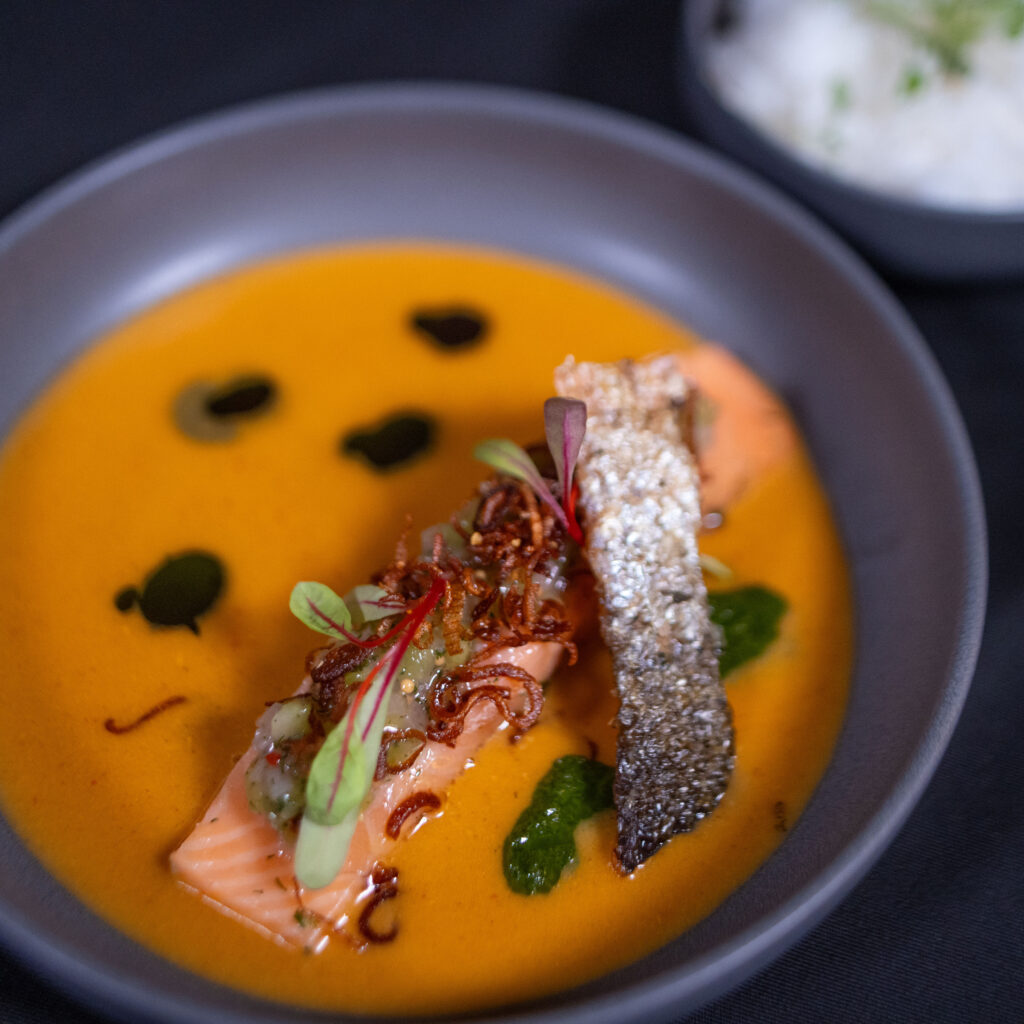
Runner Up dish, Confit Salmon & Thai Red Curry Broth, by Tristen Cleveland

Third Place dish, Smoked Haddock & Chive Fish Cakes, by Jennifer Brown

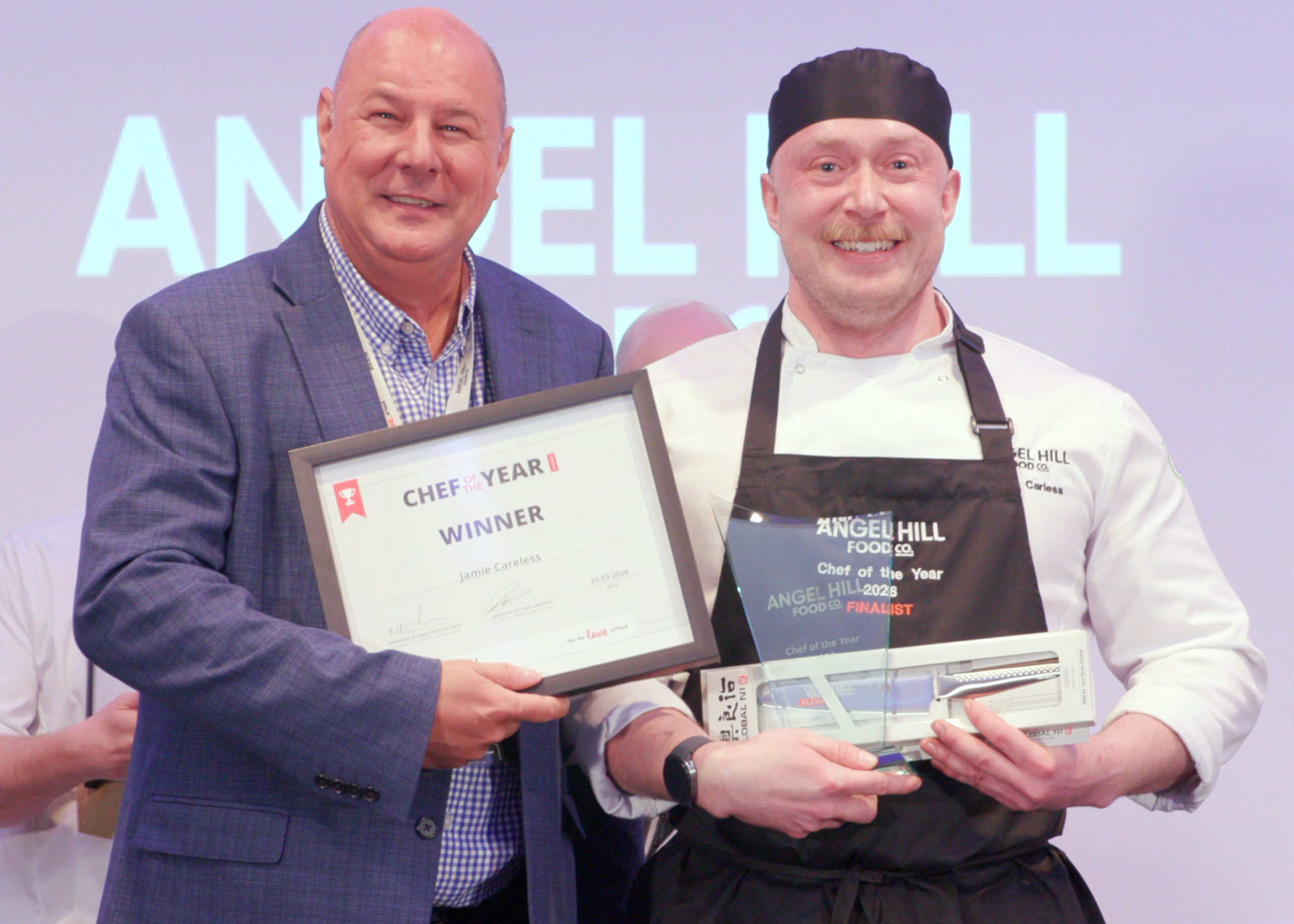
Chef of the Year 2026: Jamie Carless

Jamie Carless, Chef Manager at Alloga, secured the Chef of the Year 2026 title with a performance that combined creativity and a clear understanding of modern food expectations.

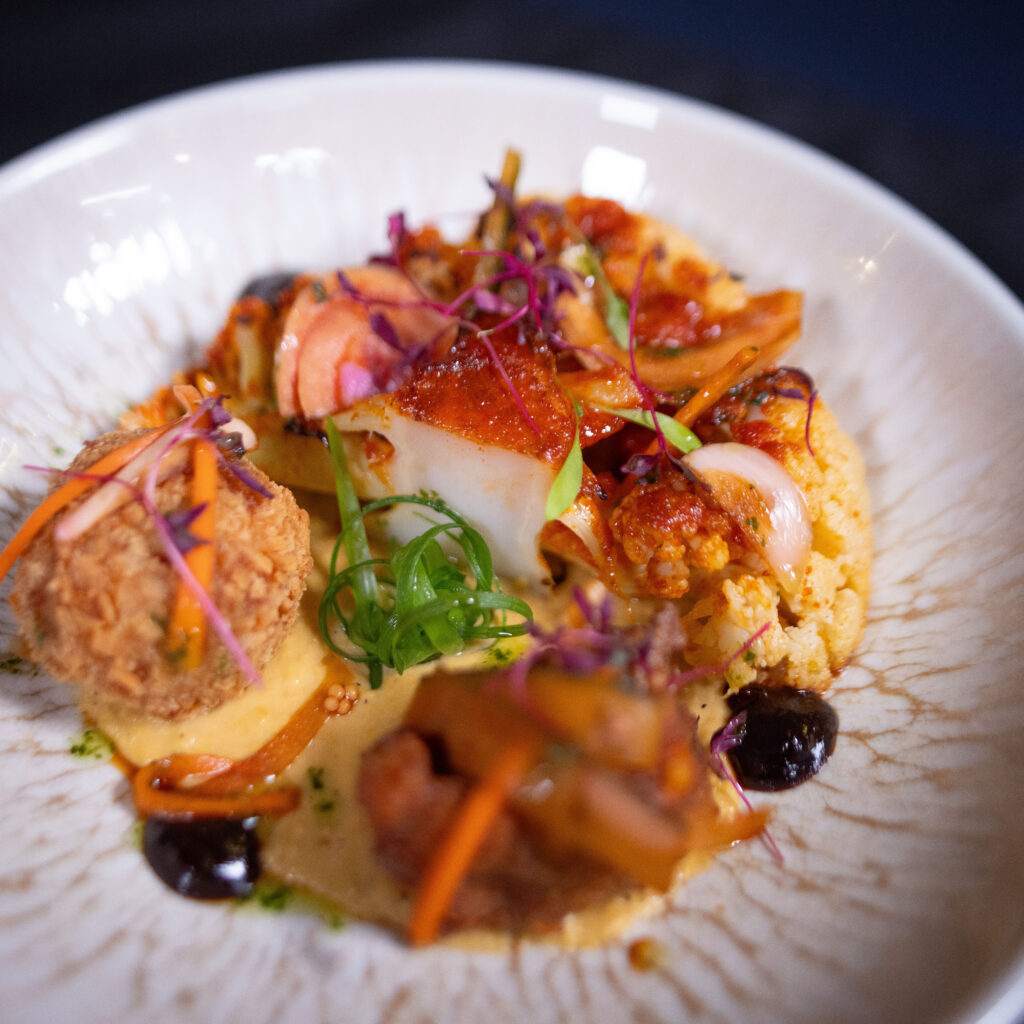
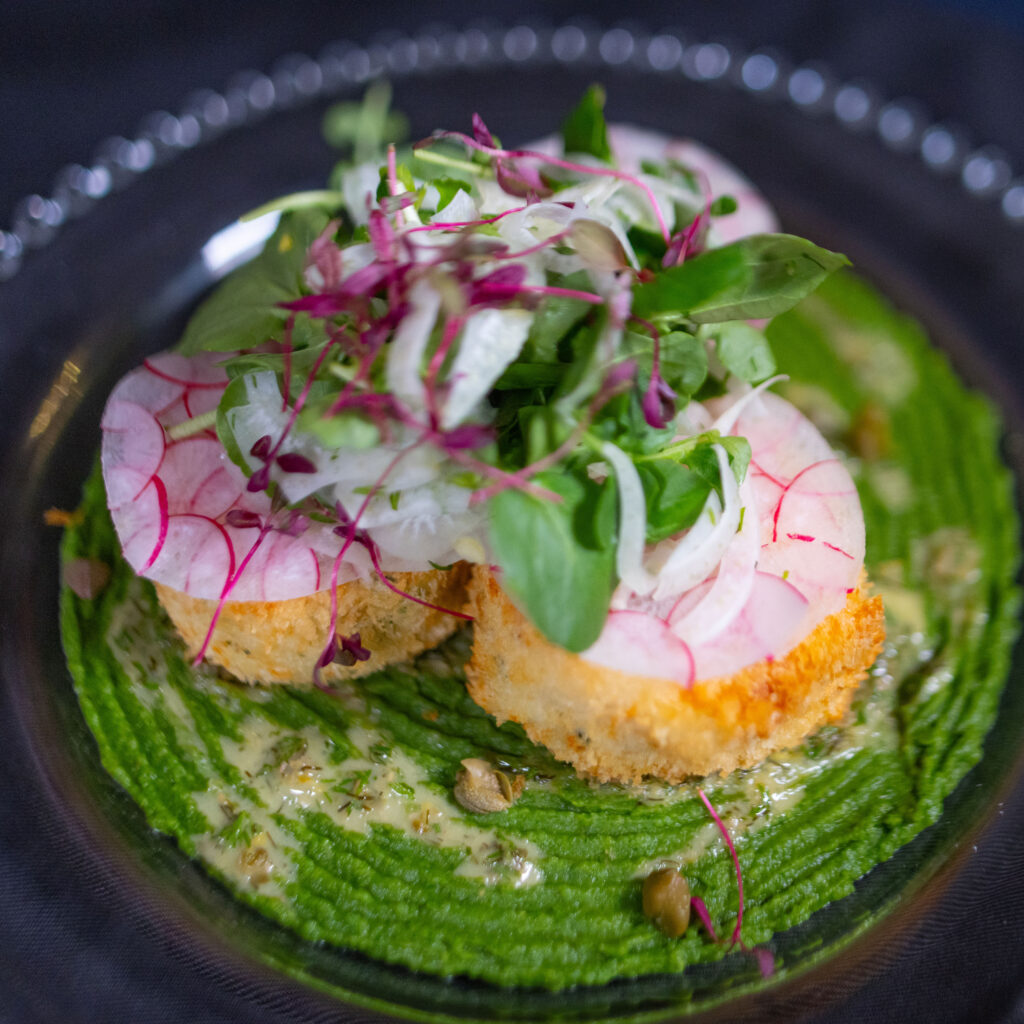
His winning dish, Cauliflower Three Ways, demonstrated a confident approach to plant-forward cooking. Moreover, the dish balanced flavour, texture and presentation, while remaining practical for delivery in a catering environment.

Tristen Cleveland, Executive Chef at Ocado Apollo Court, secured second place with Confit Salmon & Thai Red Curry Broth. Jennifer Brown of Sarum Academy placed third with Smoked Haddock & Chive Fish Cakes.

The judging panel recognised the overall standard of the competition, with each finalist demonstrating strong technical ability and thoughtful menu development.

Jamie Carless’s winning dish: Cauliflower Three Ways

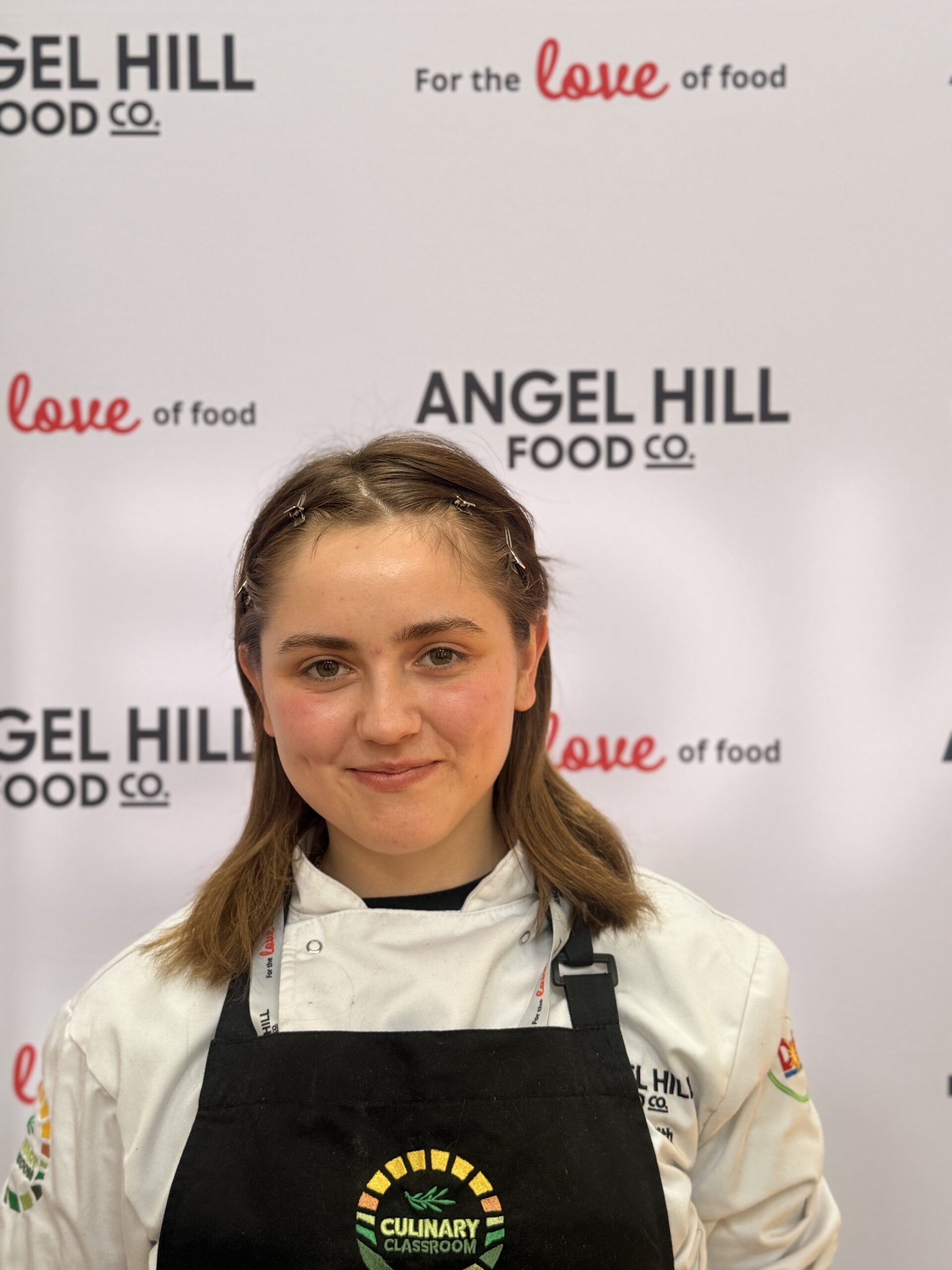
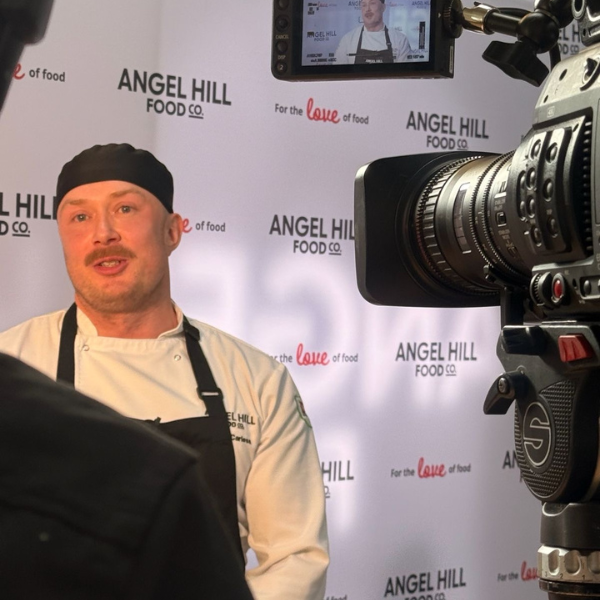
Jamie Carless, 2026 Chef of the Year winner

Strengthening capability through people and practice

The competition highlighted the depth of culinary talent across Angel Hill Food Co. It also reinforced the importance of continuous development, with Dan Farrand supporting chefs in refining their skills and translating ideas into practical delivery.

Moreover, events such as Angel Hill Live create a setting where colleagues and partners come together to share knowledge, test new concepts and also strengthen ways of working.

By focusing on real service outcomes, the Chef of the Year competition supports consistent standards, encourages innovation and strengthens the overall food offer delivered to customers.

Looking ahead

Following the success of its first year, Angel Hill Live will continue to provide a platform for development, collaboration and progression in the years to come.

The Chef of the Year competition remains central to that approach, giving chefs across the business the opportunity to build their capability and contribute to the future of food at Angel Hill Food Co.

Designing Inclusive School Menus to Support Neurodiversity

Amy Teichman, Head of Nutrition at Angel Hill Food Co, and Hannah Parish, Nutritionist, work across education settings to shape school food that supports both well-being and performance. Their work focuses on helping students understand the nutritional value of their choices while ensuring that menus are accessible, inclusive, and practical in busy school environments.

In an article for Neurodivergence Week, Amy and Hannah reflect on the day-to-day realities of school catering and how different students respond to food and to the dining environment.

For neurodiverse students in particular, lunchtime can feel busy and overwhelming. Our role is to work closely with our teams and education partners to reduce that pressure and make food more accessible.

Says Amy.

Working with Teams to Understand Student Needs

Amy and Hannah work directly and collaboratively with chefs, catering managers and school leaders to understand the needs of students and where challenges may arise.  This may be how menus are written, how food is presented, or how choices are communicated during service.

“By working directly with colleagues on site, we adapt our approach in ways that reflect the reality of each school. It also gives teams the confidence to make small, practical changes that improve the experience for students,” Amy says.

Making Menus Clearer and More Accessible

Focus is given not only to what is on the menu, but how it is understood. For some students, this means providing clear descriptions and avoiding busy layouts which could otherwise lead to making choosing a meal more difficult. Using descriptions such as “crunchy, “mild”, or “smooth” helps students understand what to expect before they reach the counter.

Amy adds, “We also introduced visual menus in some of our schools to support students who may struggle with reading. These provide a clear and simple way to recognise meals, helping students make choices more independently and with greater confidence.”

Where possible, menus are shared beyond the dining hall, including online and in other areas of the school. This gives students time to review their options in a calmer environment before entering a busy space.

Supporting Choice Without Adding Pressure

We work with our catering teams to ensure there are always familiar or simpler options available alongside the wider menu. This gives students a dependable choice while still encouraging them to explore something new.

Providing a dependable choice gives students reassurance, while space to explore something new builds confidence. Taster portions support this, allowing students to try different foods without committing to a full meal.

Creating that balance is key. Students need to feel confident in what they are choosing, while still being supported to access nutritious meals.

Hannah Parish adds.

Creating Better Experiences for all Students

The changes we make to support neurodiverse students have a wider impact.

Clear, accessible menus improve the experience for all students. Service becomes more efficient, queues move more smoothly, and students have more time to relax during their break.

For our colleagues, it also creates clarity and consistency in how menus are presented and explained, which supports smoother day-to-day delivery.

Continuing to Evolve Inclusive Menu Design

“This is ongoing work for us. Hannah and I continue to learn from our teams and from students themselves. That insight helps us refine our approach and identify where we can go further,” adds Amy.

Angel Hill Food Co. remains committed to developing and providing inclusive menus that ensure students and schools feel supported. By working closely with colleagues and education partners, we create dining experiences that are accessible, practical, and supportive for every student.

International Women’s Day: Celebrating the Women of Angel Hill Food Co.

Angel Hill Food Co. colleagues support customers in busy kitchens, hospitality spaces and workplace restaurants every day. Their work requires skill, resilience and care. It creates environments where food brings people together and where customers and communities feel welcome.

This International Women’s Day, we are recognising the women across our catering teams who contribute to our success, develop others and lead with confidence.

International Women’s Day is a chance to recognise the contribution women make across our industry.

Across Angel Hill Food Co, many of our kitchens and teams are led and supported by talented women who help deliver a service that schools and students rely on every day. Their professionalism, care and commitment shape the experience our customers see.

When colleagues feel respected, supported and empowered to grow, it strengthens our teams and helps us deliver the best outcomes for the communities we serve.

Henry Watts, Managing Director, Angel Hill Food Co.

Jennifer Brown, Catering Manager

What inspired your career in catering?

For Jennifer, it started with a love of food and the way it brings people together. That sense of connection became the foundation of her career.

As she progressed, learning from others played a key role. Different roles, constructive feedback and strong working relationships shaped her development. She believes you only get out what you put in, and that mindset has guided her growth into a leadership role.

How have you supported others, and how has that helped you grow?

Jennifer leads by example. Supporting colleagues has strengthened her communication skills and patience, particularly when working with different personalities.

She finds it rewarding to see others succeed. Sharing knowledge and helping colleagues build confidence has sharpened her leadership skills in return.

How does investing in people create stronger teams?

“I believe that giving time and encouragement builds trust. When colleagues feel listened to and valued, they gain confidence. That confidence creates a positive working environment where people feel supported and empowered, leading to stronger teamwork and better outcomes for customers.”

Angela Urwin, Operations Director for Catering

What inspired your career in catering?

Angela’s interest began at home, baking with her mother. A Saturday job as a waitress strengthened her ambition. Watching chefs at work, she decided to follow that path.

She began college at 16, gaining City and Guilds qualifications alongside specialist training in cake decoration and confectionery finishing. Early hotel roles required resilience and confidence while working in male-dominated kitchens. She adapted and progressed through bakery roles, Chef Manager positions, larger contracts and operations leadership.

Fourteen years ago, she became Operations Director, a position she continues to hold. She credits hard work, courage and taking ownership of her development for her progression.

How have you supported others, and how has that helped you grow?

Angela coaches her teams to strengthen financial awareness, deliver KPIs and support sustainable performance.

She encourages colleagues to build their profiles and take responsibility for their development. In her view, leaders are only as strong as the teams around them. Investing in others strengthens the whole business.

How does investing in people create stronger teams?

“I promote freedom within a clear framework, encouraging colleagues to be brave, take ownership and learn from experience, with guidance in place. Training and coaching build confidence and resilience, leading to stronger collective performance and improved outcomes for customers.”

Angela Urwin, Operations Director

Jennifer Brown, Catering Manager

Hannah Parish, Nutritionist

What inspired your career in nutrition, and were there any female inspirations?

Hannah’s interest in nutrition began from a personal perspective. While strength training and running, she wanted to understand how to fuel performance and support long-term health. That curiosity developed into a career.

As her knowledge grew, she became increasingly aware of the amount of conflicting and unqualified advice in the nutrition space. She chose to pursue formal education so she could rely on evidence-based practice and help others navigate the “food noise” with clarity and confidence.

She draws inspiration from women such as Dr Emily Prpa, Dr Faye Bates, Dr Hazel Wallace, Sophie Waplington and Sophie Gastman. Their clear communication, science-led approach and focus on female health have shaped her own practice: inclusive, practical and grounded in evidence.

What have you given to others that has helped you grow?

Hannah joined Angel Hill a year ago alongside Amy Teichman. Together, they have strengthened and refined the nutrition offer across sectors, aligning concepts with current research and making resources more accessible for site teams.

This was her first nutrition role within catering. Through collaboration and mentoring, she has progressed from Associate Registered Nutritionist to Registered Nutritionist, building confidence in communication and inclusive practice. The experience has supported her growth in both capability and leadership.

How does giving time and encouragement create stronger outcomes?

Hannah believes trust is essential. When teams feel supported rather than judged, they are more open to embedding nutrition into their food offer.

“By focusing on small, meaningful changes and building strong relationships with kitchen teams, confidence grows. Sites take ownership, use resources independently and engage more deeply.”

That collaboration creates sustainable impact and brings nutrition to life in a way that feels practical and achievable for every team.

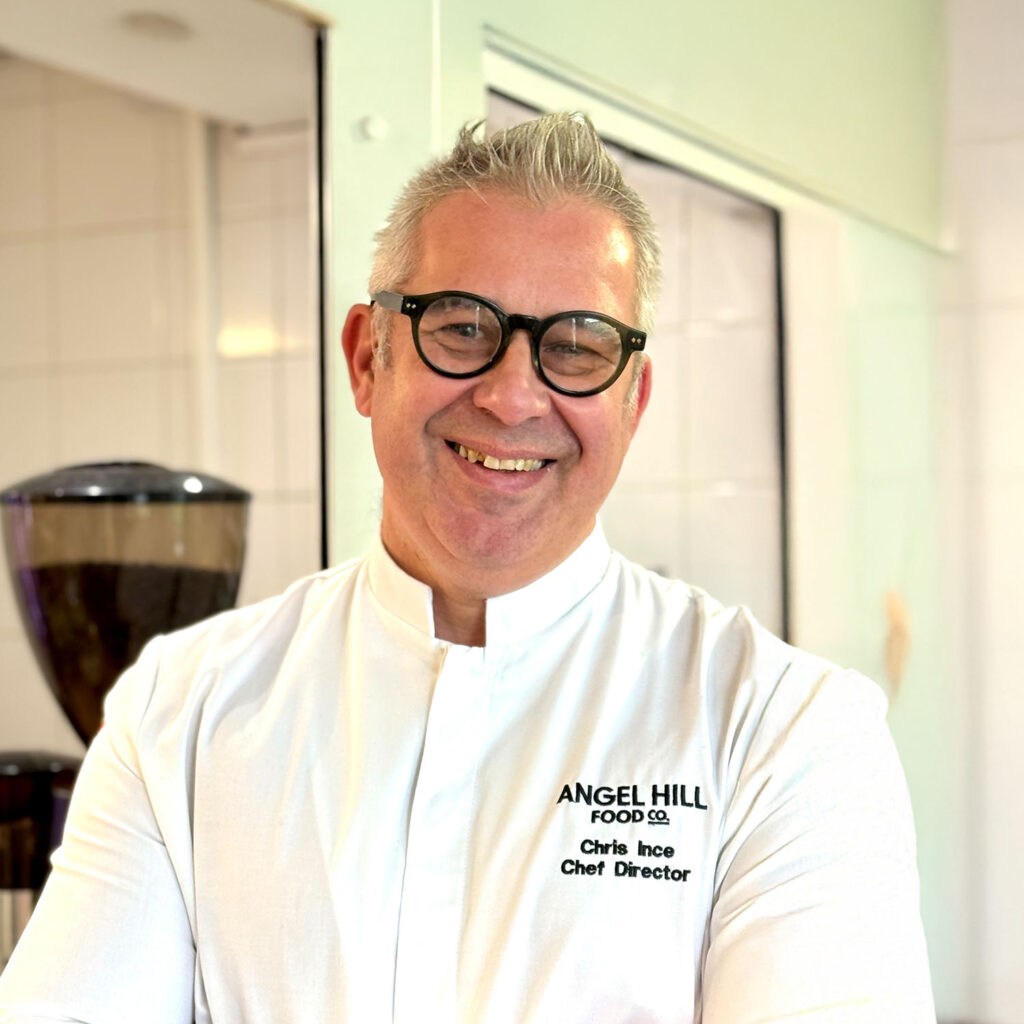
Chris Ince, Chef Director

From your perspective in leadership, how do female chefs, managers and site teams strengthen our performance and culture?

Diversity strengthens performance in every workplace, and catering is no different. Drawing from the widest pool of talent brings different experiences and perspectives into decision-making and service delivery, reducing blind spots and improving outcomes.

Strong female representation allows the business to benefit from outstanding craft and management capability. Women chefs and managers are fundamental to the catering operation, contributing to diverse teams that reflect the customers and communities we serve.

The theme this year is Give to Gain. How does investment in women’s development benefit the wider business?

Investing in women’s career development supports the long-term success of the business. Catering operates in highly competitive sectors, and strong teams require the best people in operational roles.

Clear development pathways create higher-calibre teams with a wider range of experiences and viewpoints. This strengthens working environments and improves outcomes for customers. Businesses that actively support women’s careers also strengthen their reputation and attract talented people across the market.

What responsibility do senior leaders have in creating opportunities for women to progress in operational roles?

Senior leaders have a responsibility to create the conditions where women are encouraged to take opportunities and supported to succeed.

Flexibility plays an important role. Many women face difficult choices when balancing career development with family life. Flexible working arrangements, job sharing, phased responsibility or regional roles closer to home can help colleagues continue developing their careers while managing personal commitments.

Thoughtful leadership and practical support can unlock significant potential across the workforce and strengthen both culture and productivity.

Chris Ince, Chef Director

Hannah Parish, Nutritionist

Award-Winning Chefs: A Look Back at Andre Alto’s LACA Grab ‘N’ Go Challenge Victory

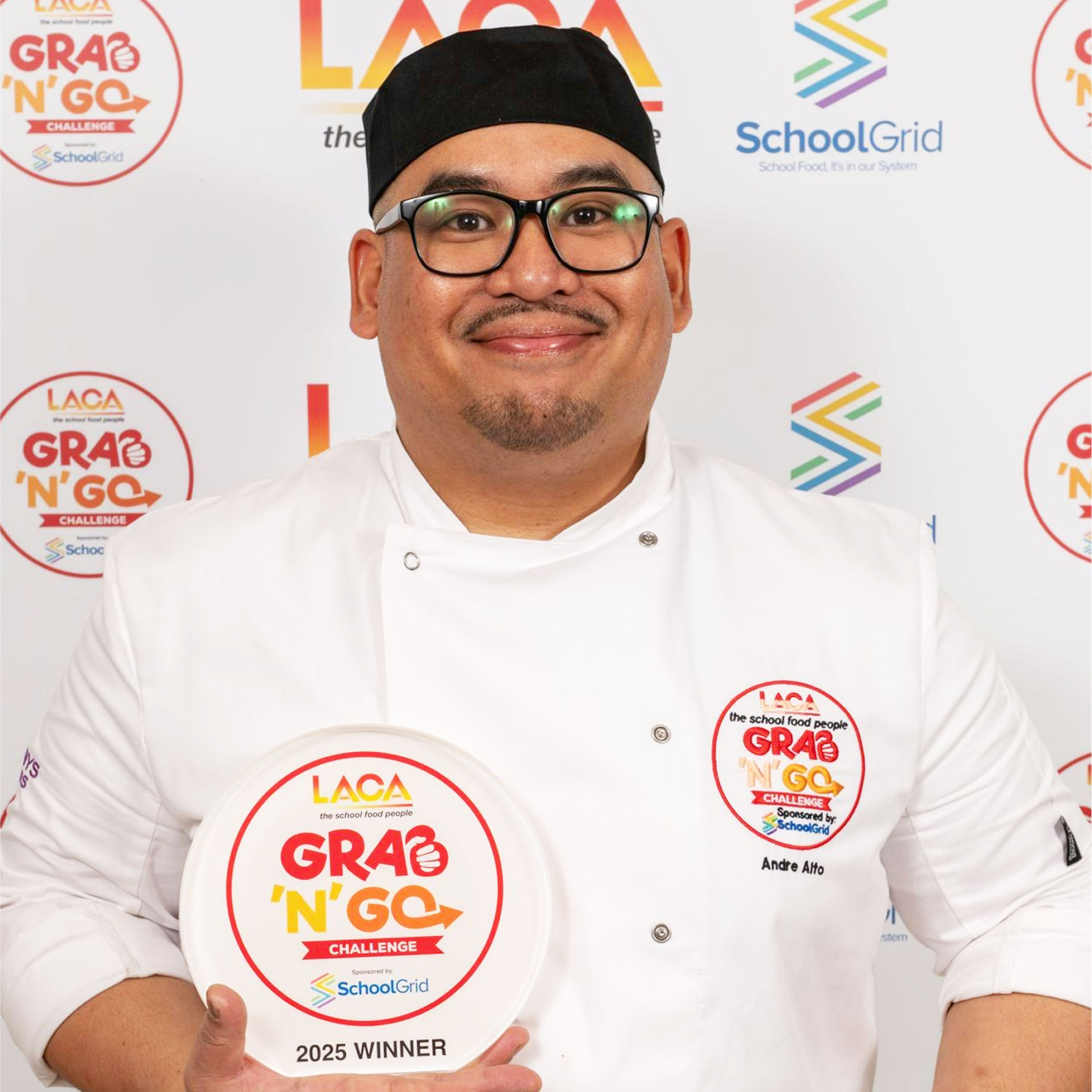
Angel Hill Food Co. delivers innovative catering for education, led by talented chefs who understand what students want to eat and how school kitchens operate. That expertise was recognised nationally in 2025 when Angel Hill chef Andre Alto was crowned LACA Grab ‘N’ Go Challenge Champion at the LACA Main Event in Birmingham.
In the national final, Andre competed against two of the UK’s top chefs and impressed judges with his Longganisa Rice Burger, inspired by his Filipino heritage. The burger met the brief for a practical, appealing meal for students on the go, standing out for its flavour, texture, originality, and visual appeal.
The competition celebrates innovation in education foodservice, and Andre’s win highlights the creativity and skill present in school kitchens across the UK.

Driving Positive Change for a New Catering Contract

Andre joined Angel Hill Food Co. during the launch of a new catering contract. Initially, the service faced challenges such as high food costs, food waste, limited student engagement, and service delays. Quickly, Andre implemented practical improvements, including collaborating with suppliers, reducing waste and improving efficiency.
To drive student engagement, Andre launched a calendar of theme days and new menu items, including the popular “Build Your Own Burrito” days, which helped create a more vibrant dining environment. He empowered the kitchen team by recognising individual strengths and giving colleagues more ownership of their sections. This improved service times and raised the quality standard. Within a year, the daily uplift increased by 15%.
Andre also reduced disposable packaging by shifting to plated service where possible. This supported waste reduction and aligned with both Angel Hill Food Co. and the customer’s sustainability goals.

Talent That Strengthens Education Catering

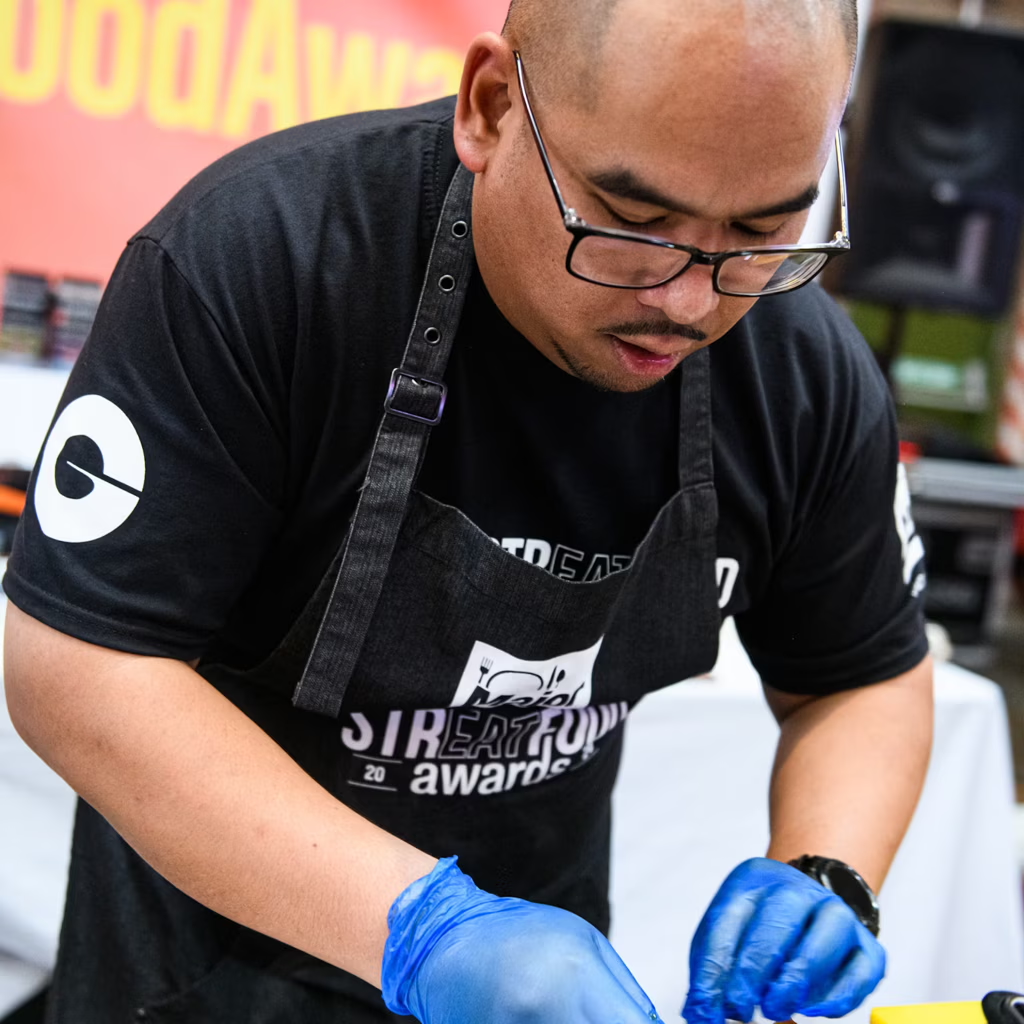
Andre’s achievements have been recognised across the sector. In addition to his LACA victory, he was a finalist in the 2024 StrEAT Food Awards.
Andre said:
“Competitions push you to think differently about food in schools. It’s about creating something pupils enjoy while making sure it works in a busy kitchen.”
Chris Ince, Angel Hill Food Co. Chef Director, said:
“Andre’s achievement reflects the dedication and creativity we see across our kitchens every day. Our chefs bring skill, passion, and fresh ideas that help schools create positive dining experiences for students.”
Andre recently discussed his competition journey and its impact on his career with SchoolGrid.
Angel Hill Food Co. chefs drive innovation in education catering, combining culinary creativity with practical solutions for busy schools. Above all, this ensures students enjoy nutritious, engaging meals every day. For the love of food.
Read the full interview with SchoolGrid here.

Innovation on the Plate: A Conversation with Chris Ince, Chef Director

Innovation has become a defining force in modern food service. As expectations rise across workplace dining, caterers are being challenged to deliver food that is creative, relevant, responsible and operationally sound. At Angel Hill Food Co., catering innovation is not a trend-driven exercise – it is a disciplined, collaborative approach to shaping the future of food at work.

We sat down with Chris Ince, Chef Director, to explore what innovation really means in today’s catering landscape, how ideas are brought to life, and how Angel Hill continues to innovate catering in ways that matter to customers and colleagues alike.

Chris, what does “innovation” actually mean in a catering context today?

Chris Ince:

For me, innovation in catering is about progress, not novelty. It’s easy to chase trends, but real innovation solves problems for customers and improves how food performs in a live environment. That might mean improving nutritional balance, reducing carbon impact, speeding up service, or making food more accessible to different audiences.

True catering innovation balances creativity with consistency. If an idea can’t be delivered at scale, or doesn’t resonate with customers, then it isn’t innovation – it’s just experimentation.

Where does innovation start at Angel Hill Food Co.?

Chris Ince:

It always starts with listening. We listen to our customers, our site teams and our chefs. They are closest to the reality of service – they know what customers ask for, what sells, and what causes friction.

From there, ideas are developed collaboratively. We test concepts in real kitchens, refine them based on feedback, and pressure-test them operationally. That process ensures we innovate catering in a way that works day in, day out – not just on paper.

How do you balance creativity with operational delivery at scale?

Chris Ince:

That’s one of the biggest challenges in food service. You can create the most exciting dish in the world, but if it slows service, requires specialist skills, or creates waste, it won’t succeed in a workplace setting.

Our approach to catering innovation is rooted in practicality. We look at ingredient availability, preparation time, training requirements and equipment from the outset. Creativity has to live within those parameters – and often that’s where the best ideas emerge.

Innovation is often associated with new flavours – but is that enough to deliver real progress in catering?

Chris Ince:

Flavours are important, but innovation goes far beyond that. Some of the most impactful changes happens quietly – reformulating recipes, improving sourcing, or redesigning formats to suit how people actually eat at work.

For example, improving a familiar dish by lowering its carbon footprint or enhancing its nutritional profile without changing the eating experience is a powerful way to innovate catering. Customers still get what they love, but with added value behind the scenes.

How does sustainability influence catering innovation across modern food service?

Chris Ince:

Sustainability is inseparable from innovation now. Any new concept or recipe has to be assessed through environmental, nutritional and commercial lenses. Our Big Carbon Kick Out programme is a great example – it challenges us to rethink everyday dishes and make smarter ingredient choices that reduce impact without sacrificing flavour.

This isn’t about telling customers what they should eat. It’s about making better choices the default, so sustainability becomes effortless.

How do you encourage chefs to innovate?

Chris Ince:

Culture is everything. Chefs need structure, but they also need trust. We give our teams clear frameworks and objectives, then empower them to explore ideas within those boundaries.

Initiatives like our Culinary Classroom bring chefs together to share knowledge, test concepts and learn from one another. When people feel invested and heard, innovation becomes part of everyday thinking – not something reserved for special projects.

What role does customer insight play in innovation?

Chris Ince:

A huge one. Innovation only succeeds if customers buy into it. That’s why we involve them early – through tastings, trials and feedback loops.

When customers help shape the outcome, adoption is faster and confidence is higher. That’s how we innovate catering with relevance, rather than assumption.

Looking ahead, what excites you most about the future of catering innovation?

Chris Ince:

The opportunity to rethink formats and experiences. As workplaces evolve, food needs to work harder – it has to be flexible, engaging and meaningful.

Whether it’s street-food-inspired concepts, smarter grab-and-go options, or reimagined classics, the future of catering innovation lies in blending creativity with insight. If we stay curious, collaborative and grounded in reality, there’s enormous potential ahead.

A Considered Approach to Innovating Catering

Innovation is not about reinvention for its own sake. It’s about thoughtful progress – improving how food tastes, how it’s delivered, and how it supports people and the planet.

By embedding catering innovation into everyday thinking and continuing to innovate catering through collaboration and insight, Angel Hill Food Co. is shaping a future where workplace food is not just served – it’s genuinely valued.

Shaping Better Food Experiences Through Nutrition

We believe food should do more than fuel the day. It should support wellbeing, productivity and enjoyment — wherever people work, learn or connect. That belief sits at the heart of our approach to Nutrition, Healthy Catering and Workplace Nutrition.

To bring this to life, we spoke with Amy Teichman, our Nutrition and Development Lead, about how Angel Hill Food Co. is reshaping food experiences through evidence-based nutrition, data-led insight and a deep understanding of how people eat today.

Why Nutrition Matters in Modern Catering

Nutrition is no longer a “nice to have”. Across workplaces, education settings and public-facing environments, people expect food that supports both physical and mental well-being – without compromising on taste.

Our role as a caterer has changed,” Amy explains.

“Customers don’t just want great food – they want reassurance. They want to know it’s balanced, responsibly sourced and aligned to how people actually live and work.

This shift has placed Healthy Catering at the centre of service design. From portion balance and ingredient quality to allergen transparency and dietary inclusion, nutrition now underpins every menu decision we make.

Amy Teichman – Head of Nutrition, Angel Hill Food Co.

Designing Healthy Catering Without Compromise

Healthy Catering shouldn’t feel restrictive or clinical. Our philosophy is simple: nutrition-led food that people genuinely want to eat.

Amy describes the approach as “quietly intentional”:

“We don’t shout about ‘healthy’ on every dish. Instead, we design menus where balance is built in – through cooking methods, recipe development and smart ingredient choices.”

This includes:

  • Naturally balanced menus with a focus on whole ingredients

  • Reduced reliance on ultra-processed foods

  • Thoughtful use of plant-forward dishes alongside quality proteins

  • Clear nutritional consideration without sacrificing flavour or comfort

The result is catering that feels indulgent, familiar and exciting – while still supporting healthier choices every day.


Workplace Nutrition: Supporting Performance, Not Just Appetite

The conversation around Workplace Nutrition has evolved rapidly. With hybrid working, changing shift patterns and increased focus on wellbeing, food now plays a critical role in how people perform at work.

“Food impacts energy, concentration and mood more than people realise,” Amy says.

“In workplace environments, nutrition isn’t about restriction – it’s about sustaining people through long days, varied shifts and high-pressure roles.”

Angel Hill Food Co. designs Workplace Nutrition strategies that reflect how different environments operate – from corporate offices and distribution centres to education and high-footfall locations.

This includes:

  • Menus that support sustained energy levels

  • Flexible food offers aligned to working patterns

  • Clear labelling to support informed choice

  • Data-led insights to refine menus over time

By aligning food to the realities of the workplace, we help customers create environments where people feel supported, not slowed down.

Angel Hill Chef

Turning Nutritional Insight Into Real-World Impact

What sets Angel Hill Food Co. apart is how nutrition translates into delivery. This isn’t theory – it’s practical, measurable and embedded into day-to-day operations.

Amy highlights the importance of collaboration:

“Nutrition works best when it’s integrated – with chefs, operations teams and customers all aligned. That’s how you move from policy to plate.”

Our teams work closely with customers to ensure nutrition supports wider goals, from wellbeing strategies to sustainability commitments and social value outcomes.

A Nutrition-Led Future for Food at Work

As expectations continue to rise, Angel Hill Food Co. remains committed to leading the way in Nutrition, Healthy Catering and Workplace Nutrition – creating food experiences that are thoughtful, inclusive and genuinely impactful.

Because when food is designed with care, backed by insight and delivered with passion, it does more than feed people.

It helps them thrive.

For the Love of Food: Celebrating Our Chefs on International Chef’s Day

Honouring the Passion, Creativity and Journeys Behind the Food We Serve Every Day

Every October 20th, kitchens across the globe mark International Chef’s Day, an annual celebration of the creativity, passion and dedication that chefs bring to their craft. First established in 2004 by the late Chef Dr. Bill Gallagher to honour the culinary profession and inspire future generations, International Chef’s Day is a global moment to recognise the people behind the plates – the professionals who transform everyday ingredients into memorable meals. 

We believe great food is more than just sustenance – it is connection, culture, and creativity brought to life through skill, curiosity and heart. This year’s International Chef’s Day gave us a chance to reflect on the stories and journeys of our own chefs whose passion fuels everything we do.

Passion That Started at Home

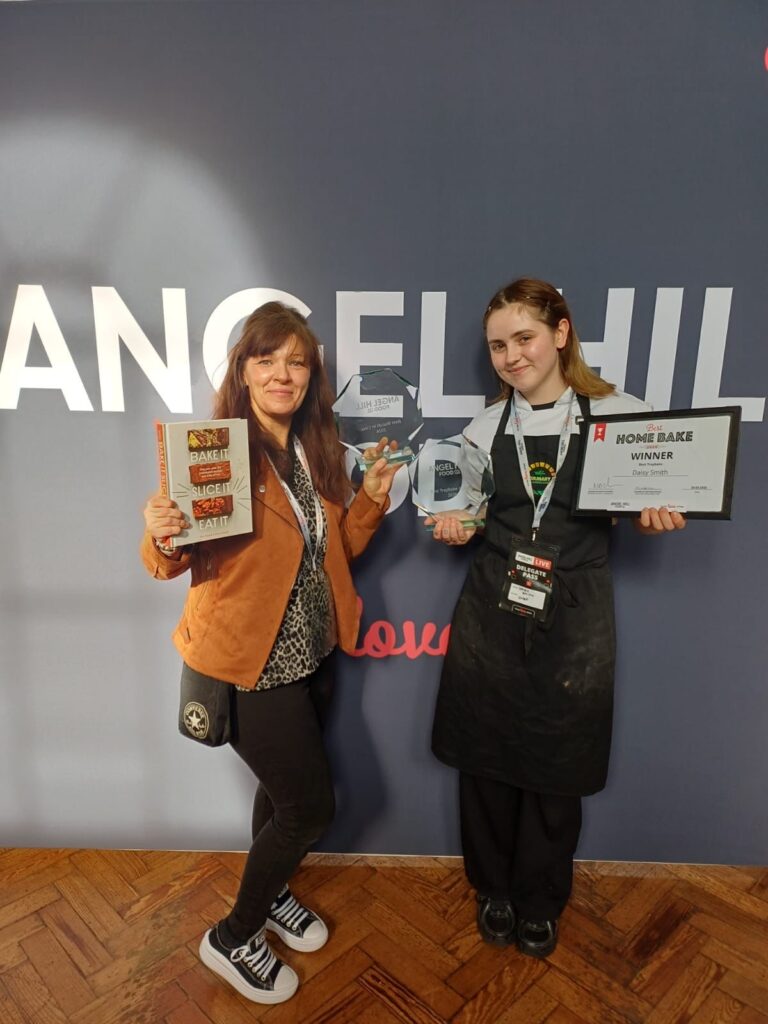
For many chefs, the joy of cooking begins long before formal training or professional accolades. For Chef Daisy Smith, it was family that sparked that flame.

“My love for food all came from my dad,” Daisy recalls. “He had me cooking with him from about three years old. He’s definitely my biggest inspiration and one of the reasons I wanted to get into catering in the first place.” Growing up, Daisy learned more than just recipes – she learned the rhythm of family kitchens, the joy of shared meals, and the creative freedom that comes with trying new flavours.

That early inspiration eventually became Daisy’s career. Today she brings that same warmth and adventurous spirit into her work, creating dishes that are rich in flavour and connection. Her story – from helping in the kitchen as a child to thriving as a professional chef – was shared as part of our TRUE Story series, where she highlighted how Angel Hill Food Co. has supported her growth and nurtured her talent.

Culinary Classroom

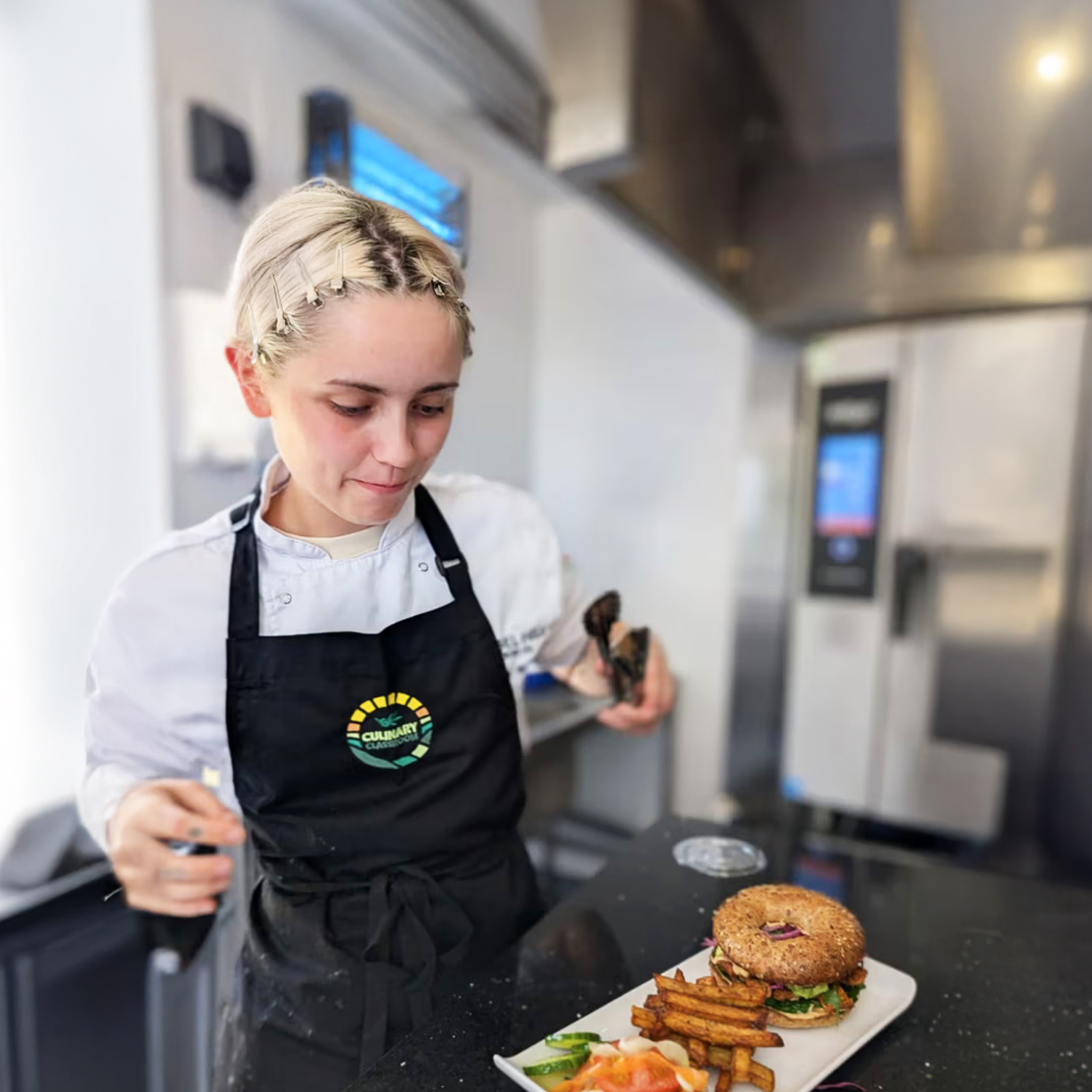
Daisy Smith – Chef, Business & Industry

Shannon Talbot-Bennett – Chef, Business & Industry

A Global Palette and Confidence on the Plate

For Shannon Talbot-Bennett, cooking is both a cultural expression and a way of connecting communities. Originally from South Africa, Shannon’s culinary journey began around barbecues with her family – a space where food was both celebration and tradition.

“Food was always part of how we connected,” she says. “Back home it was about outdoor cooking, shared meals and learning different ways of preparing food. Moving to the UK opened up even more opportunities to explore new cuisines and techniques.”

Shannon’s passion and skill have translated into experiences that blend her roots with a modern, global approach to food. Her achievements, including recognition at major food awards, reflect both confidence on the plate and a dedication to continuous culinary growth.

Tradition Meets Innovation

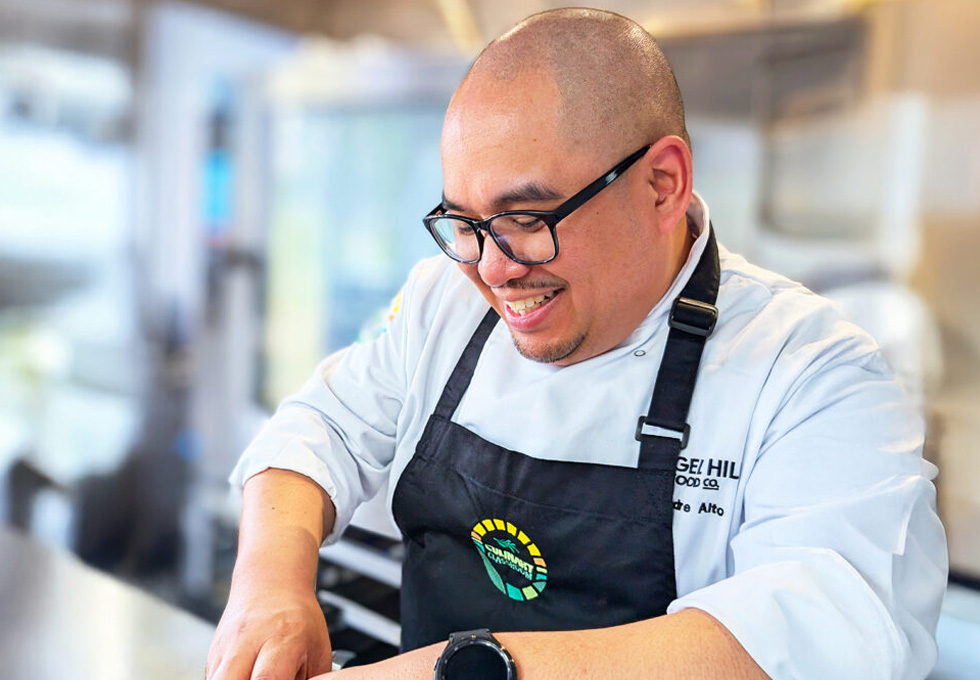
Chef Andre Alto brings a different perspective to the kitchen – one that marries tradition with innovation. For Andre, food was woven into family life from a young age, thanks to a household that valued curiosity at the table and encouraged trying everything placed in front of him.

“My mother and family were my first teachers,” Andre explains. “We were always encouraged to try new things. That curiosity has stayed with me throughout my career.”

Today, Andre channels that same spirit into his role as a Catering Manager, where he has transformed school kitchens into hubs of nutritional excellence and efficiency. His approach balances classic technique with thoughtful innovation, proving that great food can be both familiar and forward-looking.

Andre Alto – Chef, Education

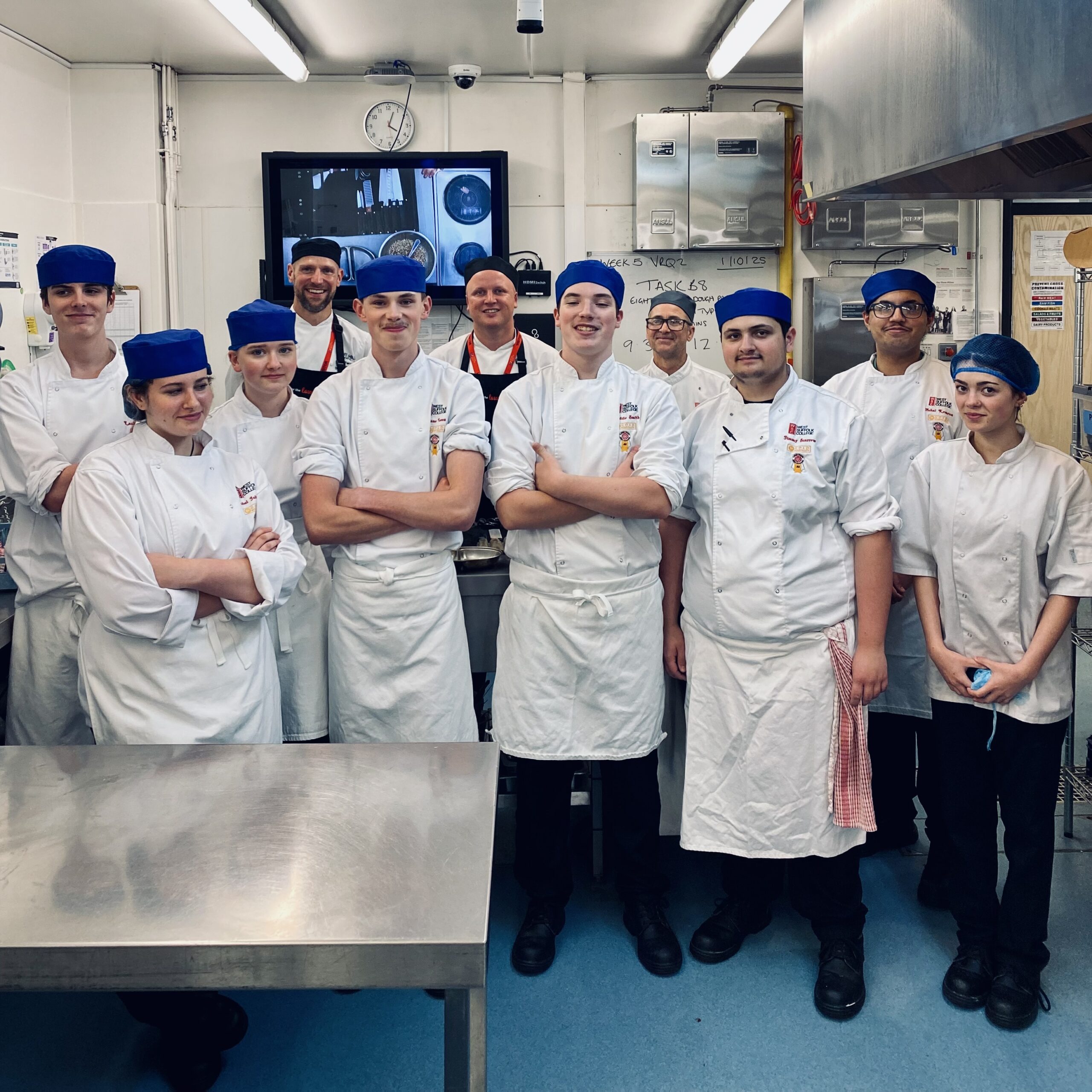
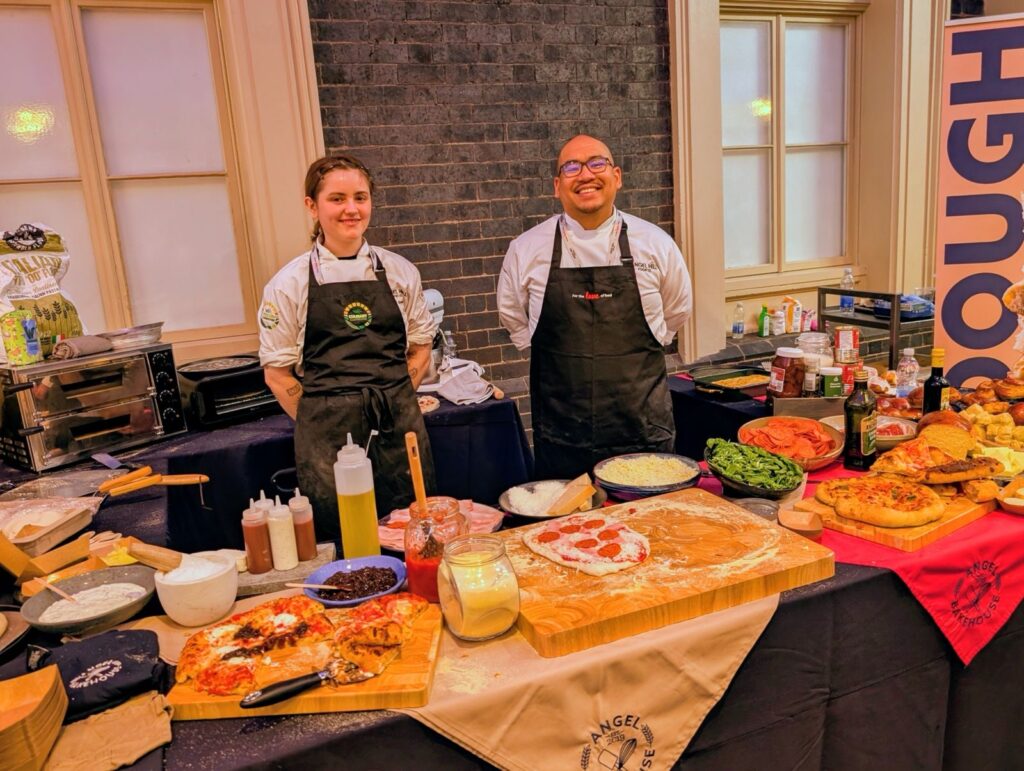
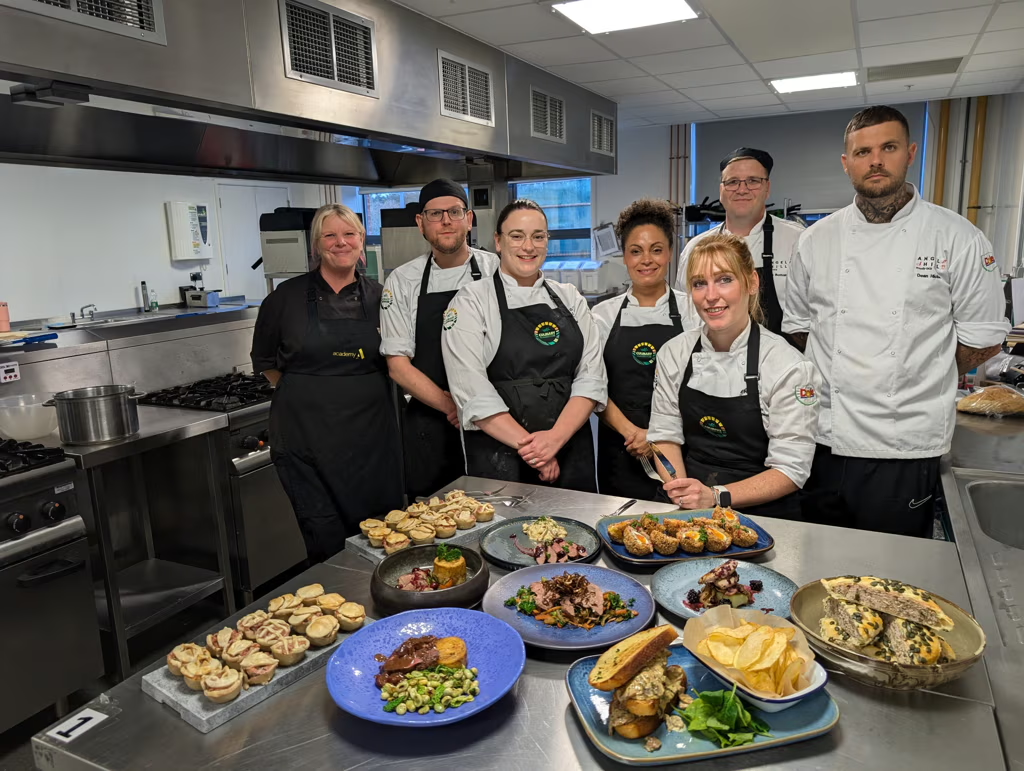
Our Culinary Classroom 2024/2025 cohort

For the Love of Food

We believe that every dish our chefs craft carries meaning. Speaks to culture, memory, aspiration and care. From large-scale plated services to everyday meals in workplace dining spaces, our chefs bring joy and connection to every table they serve.

International Chef’s Day is more than a date on the calendar. It’s a reminder of the passion that shapes the food experience every day of the year. It’s a moment to celebrate those whose creativity elevates what we eat and enriches how we live.

To all the chefs – in our kitchens, in our communities and around the world – Happy International Chef’s Day. Thank you for your dedication, your stories, and the love you bring to food.

How Shannon Talbot Served Up Success at the StrEAT Food Awards 2025

Confidence, Culture and Craft Behind an Award Winning Street Food Moment

Winning an industry award is rarely about a single moment on the day. More often, it is the result of confidence built over time, inspiration drawn from personal experiences, and a clear belief in the food on the plate. For Chef Shannon Talbot, success at the StrEAT Food Awards 2025 was exactly that – a reflection of her journey as a chef, her cultural influences, and her thoughtful approach to street-food-inspired cooking.

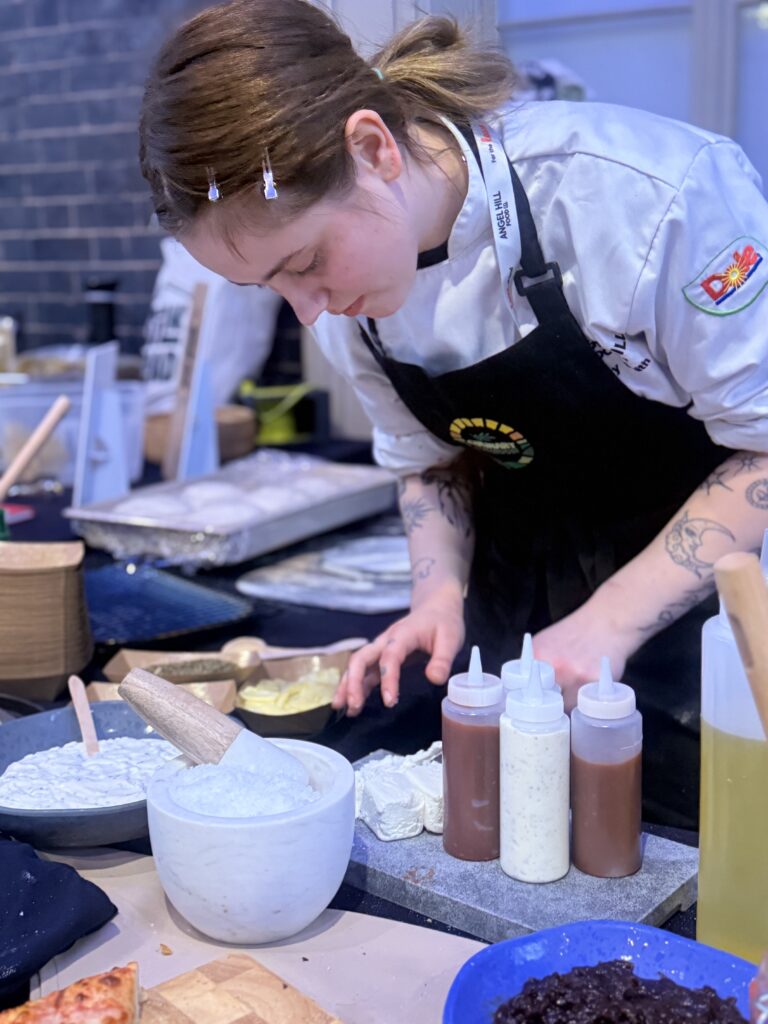
Held at Big Penny Social in London, the StrEAT Food Awards bring together chefs from across the contract catering and street food sectors to showcase creativity, flavour and technical ability in a live competition environment. In her first year entering the awards, Shannon achieved an exceptional result – taking home StrEAT Food Chef of the Year and securing second place in the Dish of the Year category – a rare double recognition that underlines both skill and consistency.

Yet for Shannon, the experience was about more than trophies.

“I believed in the food I was putting forward, but I never expected to place first and second,” she says. “I went in wanting to challenge myself and prove that my ideas had a place on that stage.”

Cooking With Confidence and Intention

Shannon’s winning dish was a Caribbean-inspired jerk chicken taco, paired with a vibrant pineapple salsa and finished with delicate micro herbs. Inspired by the warmth and energy of Jamaican street food, the dish focused on bold, well-balanced flavours rather than complexity for complexity’s sake.

“I wanted to create something that felt approachable and exciting at the same time,” Shannon explains. “Street food should feel fun, full of flavour and easy to enjoy – not overworked.”

Judges praised the dish for its clarity, execution and confident flavour profile – a reflection of Shannon’s belief that strong ideas don’t need excessive embellishment to stand out.

“Sometimes less really is more,” she adds. “If the flavours are right, you don’t need to overcomplicate things.”

Drawing Inspiration From Heritage and Experience

Food has always been deeply personal for Shannon. Growing up, cooking was central to family life, with her father and brother playing key roles in shaping her relationship with food. Those early experiences continue to influence her cooking today, particularly her willingness to draw from cultural traditions and reinterpret them in modern ways.

Her second dish at the StrEAT Food Awards 2025 paid homage to her South African roots, reimagining the traditional bunny chow in a contemporary street-food format. The dish demonstrated both technical skill and storytelling – two qualities that have become hallmarks of Shannon’s style.

“I like food that has meaning behind it,” she says. “If a dish connects to who you are or where you come from, it naturally carries more confidence.”

Growth Through Challenge

That confidence was built well before the StrEAT Food Awards 2025. The year prior, Shannon was crowned OCS Chef of the Year, an internal competition celebrating culinary excellence, creativity and consistency across the business. The experience proved to be a pivotal moment, giving her the belief to push herself further and test her skills on a national stage.

“Winning OCS Chef of the Year made me realise I could trust my instincts,” Shannon reflects. “It gave me the confidence to take on bigger challenges and believe that my ideas had real value.”

That momentum carried directly into her preparation for the StrEAT Food Awards, where the same self-belief, clarity of flavour and calm approach under pressure helped set her apart from the competition.

Originally trained as a pastry chef, Shannon brings precision, patience and attention to detail into every dish she creates. That technical foundation has shaped her savoury cooking, particularly in fast-paced, high-pressure environments where balance, timing and execution are critical.

More Than an Award

Shannon Talbot’s success at the StrEAT Food Awards 2025 is a powerful example of how confidence, culture and creativity come together on the plate. It’s a reminder that great food doesn’t start with accolades – it starts with belief, intention and a genuine connection to the food being served.

For Shannon, the awards marked not an endpoint, but a moment of affirmation – proof that her voice, her flavour and her approach belong firmly within the evolving world of modern street-food-led catering.

Feeding Minds, Fuelling Futures: Why School Nutrition Matters More Than Ever

Food Setting the Foundation for Learning and Wellbeing

As the new academic year gets underway, millions of children across the UK are returning to classrooms with renewed energy and enthusiasm for learning. But before students can absorb that first lesson, answer that first question, or engage in that first group activity, they need something foundational: nutritious food that fuels their bodies and minds.

This is where school catering plays an undeniably critical role. In today’s increasingly challenging economic and social landscape, the food children eat at school is far more than a break in the day – it is part of their daily foundation for learning, health and long-term wellbeing.

The Link Between School Nutrition and Success

Robust evidence shows that well-balanced nutrition supports children’s ability to concentrate, retain information and regulate their behaviour in the classroom. Meals that include complex carbohydrates, protein, fibre and healthy fats help maintain stable blood sugar levels, giving students the sustained energy they need to stay alert and engaged throughout the school day. Conversely, poor nutrition – or starting the day without enough to eat – leads quickly to declining attention, low motivation, and even behavioural challenges that teachers and school leaders can see in real time. 

This insight underscores a simple but vital truth: nutrition drives learning. When a child is properly nourished, they are more receptive to instruction, better equipped for physical activity, and more ready to interact socially. This is the essential part of school life.

School Catering: A Frontline Nutritional Safety Net

For many children, school meals represent the most substantial and balanced portion of nutrition they receive in a day. In some cases, particularly for families under financial strain, these meals might be the most consistent source of nourishment available. As pressures on household budgets continue to rise across the UK, school catering companies have become an essential part of the safety net that supports families and ensures children don’t go hungry. 

This isn’t just about filling plates – it’s about providing meals that deliver essential nutrients and encourage positive eating habits. Opening students up to a broader range of flavours and foods they might not otherwise experience. Whether it’s introducing oily fish, pulses, a variety of vegetables, or seasonal fruit, the meals served have a long-term impact on dietary preferences and health outcomes.

Balancing Standards With Appeal

Meeting statutory school food standards is fundamental – but it’s not enough on its own. The real test of a successful school catering programme is whether children actually choose to eat what’s served. Achieving compliance with nutritional guidelines is one thing; making those meals appealing, tasty and engaging is another.

Working in partnership with schools, school catering companies are continuously innovating menus to strike that balance – ensuring dishes are packed with nutrients but also appealing to young tastes. This means carefully planning ingredients, experimenting with flavours, and creatively presenting food so students feel excited about what’s on offer. 

At the same time, rising food and labour costs pose ongoing challenges in maintaining variety and quality without passing those costs on. The expertise and commitment of experienced school catering teams make all the difference – helping schools navigate financial pressures without compromising on nutrition or taste.

A Collaborative Future for School Nutrition

Improving school nutrition and expanding the quality of school catering requires a collaborative effort – between schools, caterers, nutritionists, policymakers and families. Sustainable models that reflect contemporary dining habits and the diverse nutritional needs of children will help ensure all students are set up for success.

Investment in nutritious school food is far more than a line item in a budget: it’s an investment in our future – supporting cognitive development, promoting healthy habits and building resilience in the next generation. And as evidence grows around the links between school nutrition and both academic and long-term outcomes, the priority placed on quality school meals must remain high.

School Catering Companies: Partners in Learning

School catering companies are more than just food providers – they’re partners in education, health and community wellbeing. By delivering meals that nourish body and mind, they help create environments where children can flourish academically, socially and physically.

As we look ahead, one thing is clear: feeding young minds with nutritious food lays the groundwork for a brighter future – both inside and outside the classroom.

Chef Shannon Talbot-Bennett Shortlisted for StrEATfood Awards

We’re excited to share that our talented chef, Shannon Talbot-Bennett, has been shortlisted for the prestigious StrEATfood Awards 2025 for her standout dish, Next Level Bunny Chow.

About the StrEATfood Awards

Organised by Contract Catering Magazine, the StrEATfood Awards celebrate the UK’s most innovative street food chefs in workplace and event catering. This year, the final will take place on 7 October at Big Penny Social, London. Where 16 finalists will compete in two live challenges. First, they showcase their signature dishes in front of expert judges. Later, the second round will follow by a technical round, featuring surprise ingredients revealed on the day.

Celebrating Culinary Creativity

Shannon’s nomination highlights her exceptional culinary creativity, skill, and dedication to storytelling through food. Reflecting on this achievement, she said:

I’m honoured to be nominated for the StrEATfood Awards. This recognition motivates me to keep pushing boundaries and celebrating the bold flavours and stories behind every dish, including my South African bunny chow. Being born and raised in South Africa, this dish holds a close place to my heart, and my South African heritage is the inspiration behind it.

Bunny chow, a vibrant street food dish traditionally served in a hollowed-out loaf of bread and filled with spicy curry, showcases Shannon’s dedication to bringing authentic, culturally rich flavours to the workplace dining experience.

This nomination continues a strong tradition of success for OCS at the StrEATfood Awards. In 2024, our chefs impressed judges with bold, globally inspired dishes, earning recognition for creativity and excellence. The year before, Angel Hill Food Co. chef Matt Chapman was named StrEATfood Chef of the Year 2023 for his outstanding culinary performance. These achievements reflect the passion and innovation our chefs bring to every dish.

We extend our warmest congratulations to Shannon on this remarkable achievement and wish her the very best in the final. The entire team is cheering her on.