From Single-Use to Circular: Practical Sustainability in Catering

Making sustainability part of everyday catering means looking across the whole operation, from the ingredients we source and the food we serve to the products used every day across our sites.

For Angel Hill Food Co., it’s about continually finding practical ways to reduce waste, use resources more effectively and make responsible choices that work in busy catering environments.

Reusable drinkware is one area we are exploring. Through our work with Circular&Co., we are looking at how reuse can become part of everyday operations, helping to reduce reliance on single-use products and supporting a more circular approach to the resources we use.

Looking Beyond the Plate

Food is central to our sustainability work, including our focus on responsible sourcing and carbon reduction. The wider catering environment also presents opportunities to make a difference, particularly where products are used frequently and can generate ongoing waste.

For contract catering, the opportunity lies in finding approaches that make sense environmentally and work within the practical demands of each site.

Making Reuse Work in Everyday Operations

Reusable drinkware can help reduce reliance on single-use alternatives, provided the system around it is designed well.

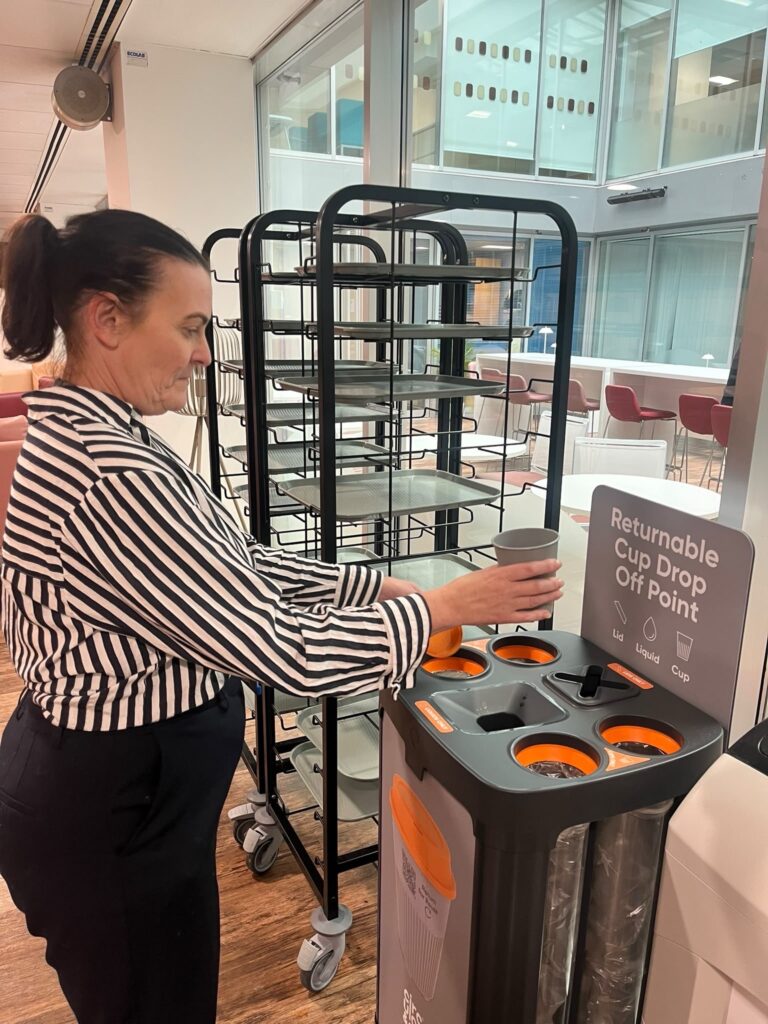
Return points need to be easy to find, processes must be straightforward, and customers and colleagues need to understand how the system works. The experience should fit naturally into the working day, with minimal disruption to service.

As we explore how reuse can work across our catering environments, it’s important to recognise that different sites have different layouts, customer needs and service routines. Any approach needs to reflect the setting in which it will operate.

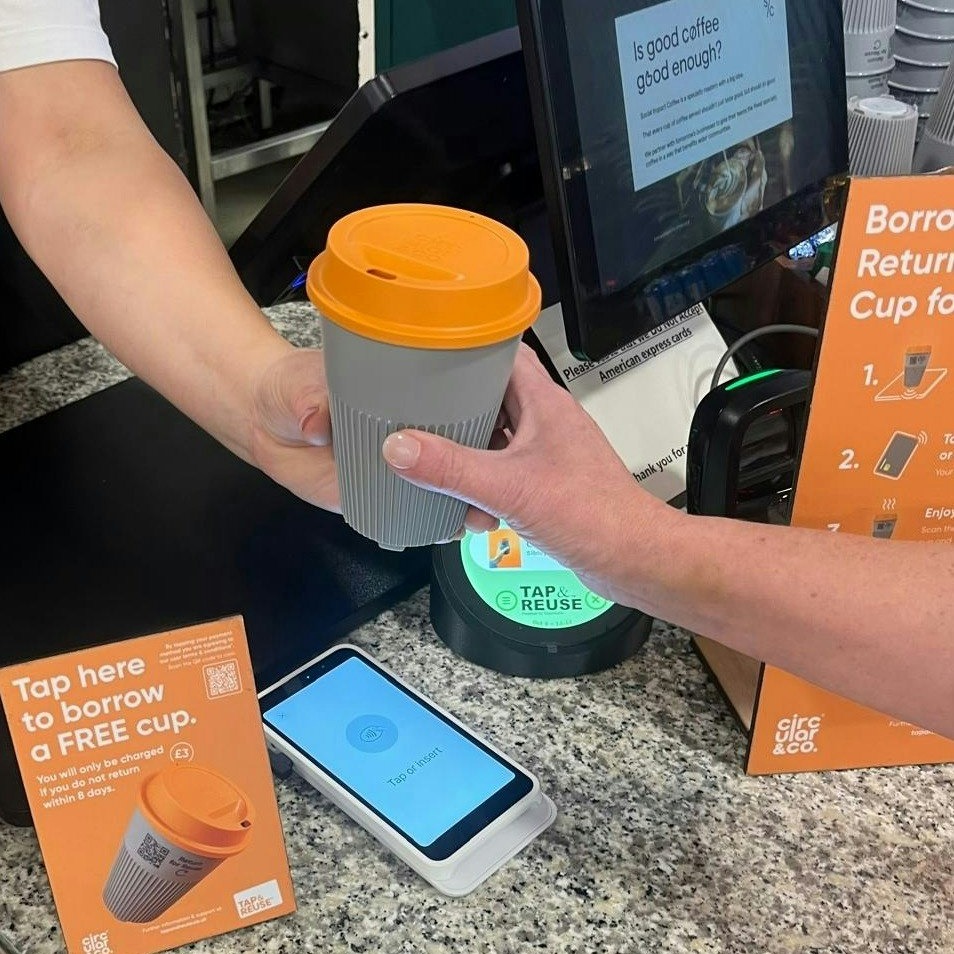
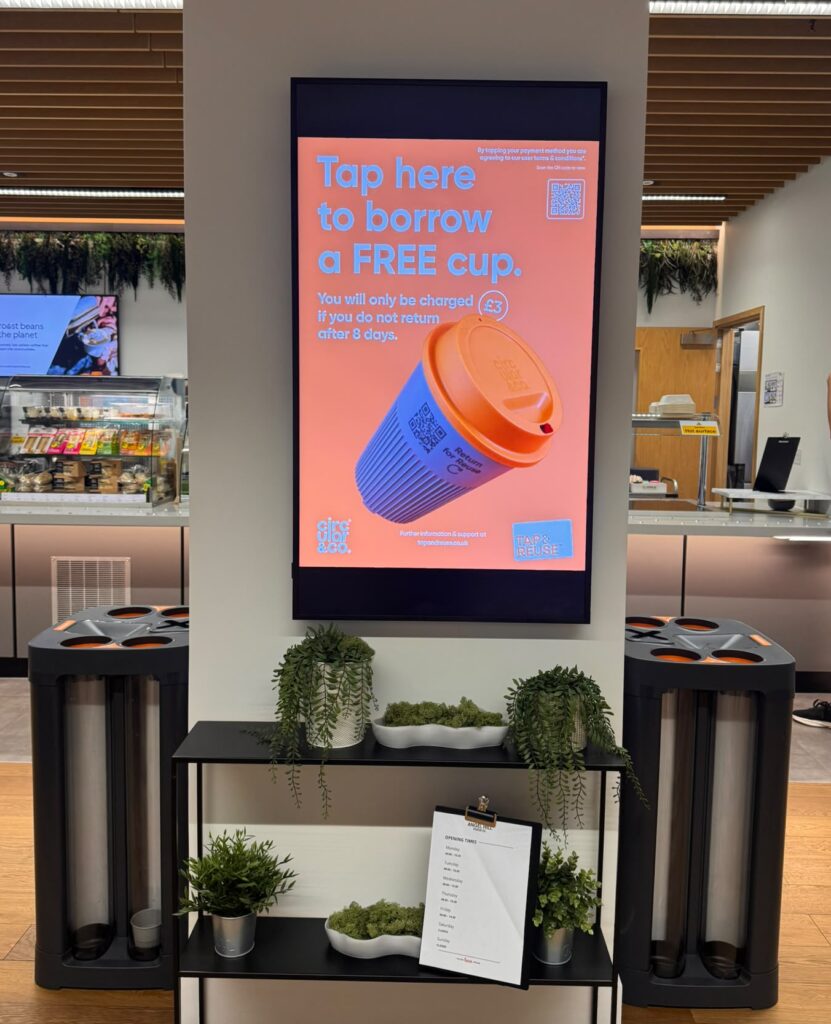
Through our work with Circular&Co., including its Tap&Reuse™ approach, we are exploring the practical considerations involved in making reusable drinkware part of the catering experience.

Circular&Co. founder Dan Dicker has highlighted how return rates can exceed 95% in some environments when the process is straightforward and clearly communicated. This underlines the importance of designing the whole experience around the people using it, from the point of collection to the return of the cup.
Design, Behaviour and the Role of Technology

Successful reuse depends on products that are convenient, reliable and suitable for repeated use. It also depends on making the process clear and easy to follow.

Technology can help support this. QR codes and tracking systems, for example, can provide information about how reusable products move through a site and help make the process more transparent for users.

For our catering teams, these considerations need to be balanced with service requirements, practical routines and customer expectations. A reusable model has to work for the people delivering the service as well as those using it.

This is why collaboration with specialist partners can be valuable. It brings additional knowledge and experience to the process, helping us assess how different approaches might work in real operating environments.

Building Sustainability into Everyday Decisions

Sustainability is an ongoing part of how we develop our services. Our work on food sourcing and carbon reduction continues alongside opportunities to improve how resources are used across the wider catering operation.

Circularity offers a practical way to examine those opportunities. Reuse, repair and better resource management can help reduce waste and keep materials in use for longer. The potential impact depends on how these approaches are designed, adopted and maintained over time.

Our work with Circular&Co. is part of this wider consideration. It gives us an opportunity to explore how reusable drinkware could fit into contract catering and what needs to be in place to make it practical for customers, colleagues and site teams.

The next step is to keep the focus on workable solutions and the outcomes they can deliver. Understanding how people use a system, how it fits into service and how its environmental impact can be measured will all be important in assessing its value.

Practical Progress, Built Around People

Sustainable catering is shaped by decisions made throughout the operation. Ingredient choices, menu development, sourcing and the products used to deliver a service all have a role to play.

Progress means continuing to examine where changes can make a meaningful difference, while recognising the operational realities of the environments in which we work.

Reusable drinkware is one example of how we can approach that challenge. By working with specialist partners, listening to the needs of customers and colleagues, and focusing on practical implementation, we can continue to explore ways to reduce waste and use resources more effectively.

The aim is to make sustainable choices workable in everyday catering, supporting better outcomes for customers, colleagues and the environment.


How Technology is Changing Education Catering

Education catering has always had to work within tight timeframes. In a single lunch period, a team may need to serve hundreds, or even thousands, of students, while balancing food quality, nutrition, cost, demand and the individual needs of each site.

Technology is changing how those challenges are managed. From facial recognition tills, cashless payments to data that shows what students are choosing; giving catering teams a clearer view of their operations and more ways to respond to the people they serve.

For Rob Cass, operations manager, the opportunity is not technology for its own sake. It is about using the right tools to make catering more efficient, more responsive and more focused on the student, enabling our teams to enhance their experience.

Fairfax Multi Academy Trust shows what that looks like in practice. Fairfax is a large secondary school with approximately 1,600 students, and the catering team serves over 1,000 meals daily in a high-volume, fast-paced environment. Within a wider redesign of the service, the team lifted main meal uptake by 32% and Free School Meal uptake by 18%. Technology was part of how they made that happen.

Faster Service Points Give Students More of Their Lunch Break

At Fairfax, the Cunninghams facial recognition till system streamlines the payment process. Students move through the service point quickly. There is no need to carry cash or cards, remember PINs or account details. Queues shorten, which gives students more time to enjoy their lunch and their break with friends.

The catering team gains too. Faster transactions ease pressure during the busiest part of the day, and real-time information gives the team a live view of how the service is performing.

Making Cashless Catering More Inclusive

As education environments become increasingly cashless, technology removes some of the barriers associated with traditional payment methods. A student completes a transaction in seconds, without cash or account details to manage. For younger students, and for those who find handling money or account information difficult, that makes the whole experience more accessible.

It also matters for inclusion. Free school meal transactions look identical to every other transaction at the till, so there is no visible difference between a student paying and a student on free school meals. That removes a source of stigma. It is a small change with a real effect, and at Fairfax free school meal uptake rose by 18% as part of a service built around exactly this kind of inclusion.

For schools and catering teams, transactions are linked to student accounts and wider cashless payment systems, supporting accurate processing while reducing some of the administration associated with traditional payment methods.

Purchasing Data Helps Teams Build Menus Students Actually Want

The value of technology extends beyond the till. Information from cashless catering gives teams a clearer picture of what students are choosing. Understanding popular menu items, purchasing patterns and changes in demand can inform decisions around menu planning, stock levels and food production.

This turns guesswork into evidence. Rather than relying on assumptions about what students want, teams use real purchasing information to understand what is working and where changes may be needed.

Better demand information carries a further benefit. When teams forecast more accurately, they order and produce closer to real need, which reduces overproduction and food waste. Digital payment and reporting also cut reliance on paper-based administration, so the team spends less time on manual processes. Resources go where they matter most.

Ultimately, technology should enable catering teams to spend less time on administration and manual processes, and more time focusing on what matters most: delivering great food, excellent service and a positive experience for every student.

Robert Cass,  Operations Manager

Choice, Nutrition and Cost can be Balanced at the Same Time

Education catering has to achieve several things at once. Students need food they want to eat. Schools need menus that meet nutritional requirements. Catering teams need to operate within budgets and manage resources responsibly.

Technology helps bring those considerations together. By combining purchasing behaviour with nutritional objectives, teams can understand how menu changes affect uptake and identify opportunities to encourage healthier choices without narrowing what is on offer.

The important point is that every education site is different. A primary school will have different needs from a secondary school or college. Student demographics, service styles, preferences and operational priorities all influence what works.

Every Site is Different, so the Technology has to Flex

No two education sites are the same. A primary school has different needs from a secondary school or a college. Student demographics, service styles, preferences and operational priorities all shape what works, so a single fixed model rarely fits.

The Cunninghams system lets schools use different features, payment methods and reporting tools according to their own requirements. That flexibility gives teams technology that supports the way a site actually runs, alongside the information they need to make informed decisions.

Technology Should Give Teams More Time to Focus on People

The next stage of education catering will continue to bring together technology, data and the expertise of catering teams. But the purpose should remain clear; technology should take unnecessary administration out of the operation and give catering teams more time to focus on food, service and the students they support.

For Rob, that is the real measure of successful technology in education catering.

That is what smarter catering should deliver: not simply faster transactions, but a more responsive service that can adapt to the needs of every education community.

#ForTheLoveOfLearning is about recognising that education catering is constantly evolving. Technology is one part of that change, helping our teams make better decisions, respond to individual sites and create experiences that work for the students they serve.

How Digital Innovation is Transforming the Food Experience

How Technology Is Changing the Way People Choose, Order and Experience Food at Work

Digital Innovation is reshaping how people interact with food every day – from the moment they browse a menu to the way they order, enjoy and engage with food onsite. As customer expectations evolve, technology is becoming a core part of catering offers that are more convenient, personalised and sustainable.

Across workplace environments, where time is precious and preferences are diverse, Digital Innovation is helping food services work smarter – giving people choice, reducing waste and freeing up onsite teams to focus on what matters most: great food and warm human connection.

Bringing Technology and Taste Together

Changing expectations in the modern workplace have created a clear role for Digital Innovation in catering. People want seamless access to information, quicker service and more control over how they enjoy food – all of which technology can enable.

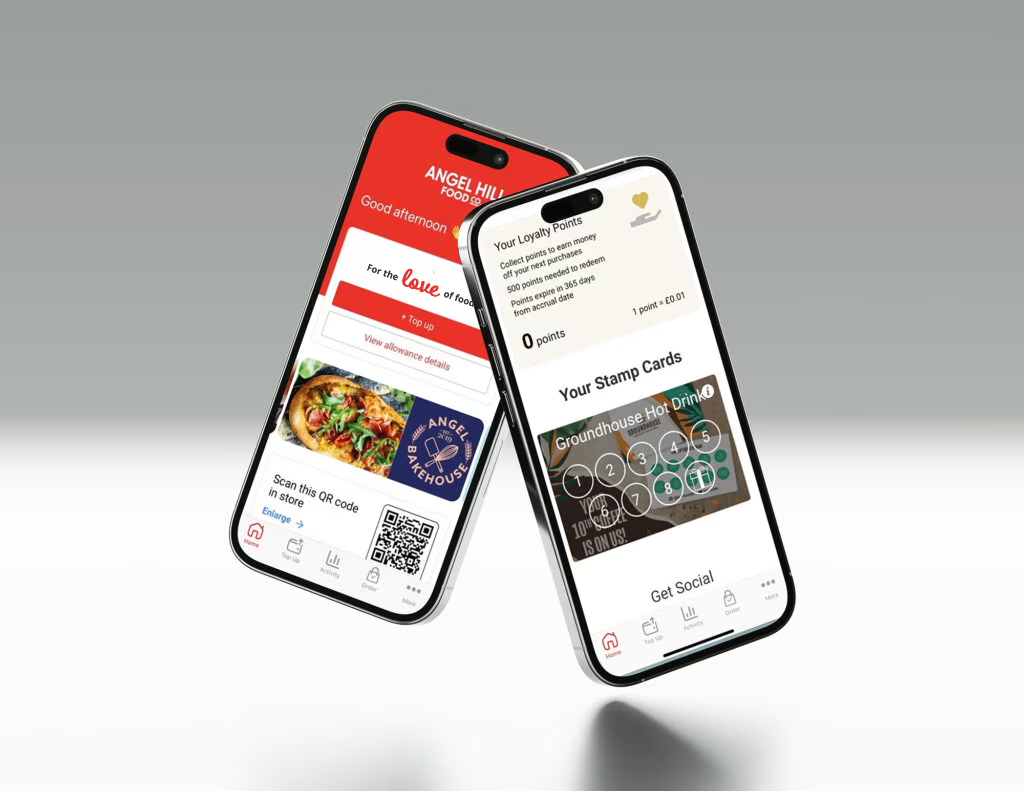
Robert Jessey, Operations Director at Angel Hill Food Co., explains that these shifts in customer behaviour drove the development of a bespoke app. “We noticed the drive for quicker access to products and a clearer visibility of service,” he says. The goal was not simply to digitise existing processes, but to create solutions that reflect how people already shop and eat in their everyday lives.

A Connected Digital Journey

The heart of this transformation lies in connectivity. The new platform brings menus, pre-ordering, dietary data and feedback together – creating one consolidated experience for customers.

Robert highlights how Digital Innovation has enabled smoother integration between systems: from point-of-sale infrastructure to real-time data sharing between tools and teams. This connected approach ensures that production planning, stock tracking and menu management are more accurate and efficient.

You need that connectivity… because it all talks to each other, enabling us to connect the dots between the data quicker, providing a faster and more effective solution to the customer.

Using Data to Shape Better Food Choices

One of the most powerful aspects of Digital Innovation is the insight it generates.

By analysing how and when customers interact with the service – from ordering patterns to dietary preferences – colleagues can tailor food offers based on real behaviour rather than assumptions. These insights are helping teams:

  • Understand peak ordering times

  • Identify menu favourites and under-performers

  • Adapt food offers to specific site trends

This data-led approach supports more accurate production planning and reduces waste by aligning preparation with what customers actually want – a true demonstration of tech supporting sustainability.

Keeping the Human Touch at the Centre

Digital Innovation isn’t about replacing people – it’s about enhancing their ability to deliver excellent food experiences.

With routine tasks streamlined, colleagues spend less time managing queues and transactions, and more time engaging with customers personally. Whether answering questions, sharing recommendations or catering to individual dietary needs, the human element remains at the core of service.

Robert observes that, even amid digital transformation, people still seek connection with real colleagues – a reminder that technology should support, not replace, human interaction.

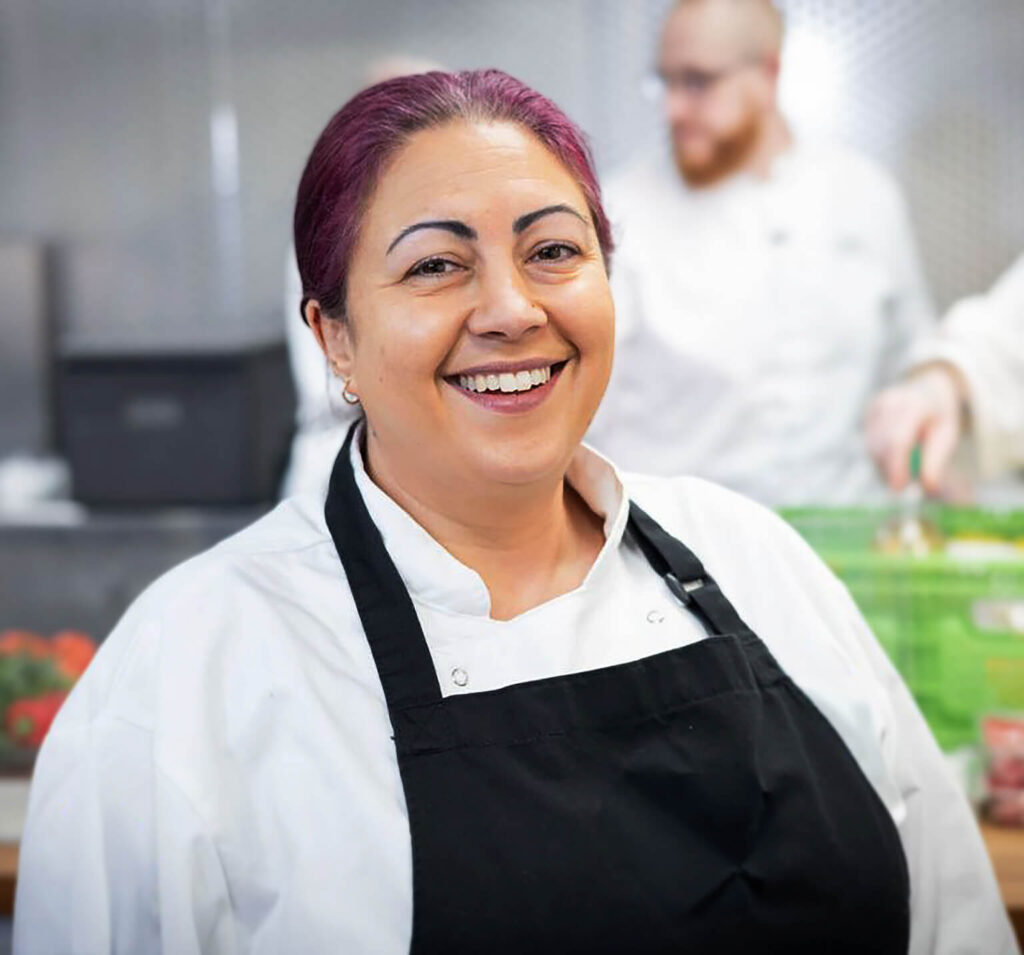
Angel Hill Food Co Chef

What Comes Next in Digital Innovation

Looking ahead, the potential for Digital Innovation continues to expand.

Robert sees opportunities for artificial intelligence to drive the next wave of transformation – from more personalised menu forecasting to tools that automatically tailor options based on allergens or sustainability criteria. Pilot programmes exploring AI-enabled food scanning and nutritional tracking are already underway.

He summarises the impact succinctly:

It makes things more convenient, sustainable and adds to the customer experience.

A Continuing Journey of Innovation

Digital Innovation is redefining how people choose, enjoy and connect over food. It supports better experiences by simplifying processes, deepening insight and enhancing the personal elements of service — all while keeping sustainability and relevance at the forefront.

As technology evolves, so too will the ways food is delivered, enjoyed and shaped by the people who eat it. What stays constant is this: innovation should always serve people, not just processes.

AI in Contract Catering: Driving Efficiency, Reducing Waste, and Enhancing Menus

Modern catering goes far beyond simply serving meals. Today’s chefs and catering teams must operate across diverse environments while ensuring that healthy, high-quality food is delivered safely, efficiently, and with minimal environmental impact. Customers increasingly expect locally sourced produce, and there is growing scrutiny of the sector’s carbon footprint. Artificial Intelligence (AI) has emerged as a powerful tool to meet these challenges, offering data-driven insights that support real-time decision-making and operational agility.

Smarter Demand Forecasting for Less Waste

One of AI’s most impactful applications in catering is demand forecasting. By analysing historical data and predicting footfall and meal uptake, AI algorithms can accurately anticipate daily customer needs.

This insight allows catering teams to reduce food waste by aligning production with real-time demand. According to the Waste and Resources Action Programme, food waste from the UK’s hospitality and foodservice sector costs an estimated £3.2 billion annually. AI-driven demand forecasting can directly reduce waste at the source, preventing uneaten meals from ending up in the bin.

Smart Menu Planning to Meet Diverse Needs

AI is also transforming menu development. Smart menu planning tools use AI to create tailored options based on dietary requirements, ingredient availability, and customer preferences. This technology is particularly valuable in environments such as schools, universities, and healthcare facilities, where meeting specific nutritional guidelines is essential.

By optimising menus in this way, catering teams can ensure variety, quality, and compliance without increasing costs or compromising taste.

Operational Efficiency Through AI-Driven Scheduling

AI is also revolutionising staff scheduling. Catering operations often run on tight timelines and with limited staff, making efficiency crucial. AI-powered scheduling tools optimise staff rotas based on peak service times, shift preferences, and operational demands.

This ensures the right people are in the right place at the right time, improving productivity and reducing administrative workloads. In high-volume catering settings, such as corporate offices or university cafeterias, these efficiencies can significantly enhance service delivery.

Hydroponics

The Future of AI in Catering

AI is proving to be a valuable asset for contract catering, helping businesses to cut waste, streamline operations, and create menus that balance taste, nutrition, and sustainability. As the technology continues to evolve, it offers the catering sector the ability to deliver exceptional dining experiences while meeting the growing demands for efficiency and environmental responsibility.

Contact us today to learn how our catering services use AI to improve performance and sustainability.

Growing Sustainability: Angel Hill Food Co. Brings Hydroponic Farming into the Workplace

As the food service landscape evolves, so too does the way we think about where our ingredients come from and how they are grown. Angel Hill Food Co. is embracing this shift with an exciting innovation that brings Hydroponic Farming directly into workplace environments – blending sustainability, education and fresh flavour into everyday catering experiences.

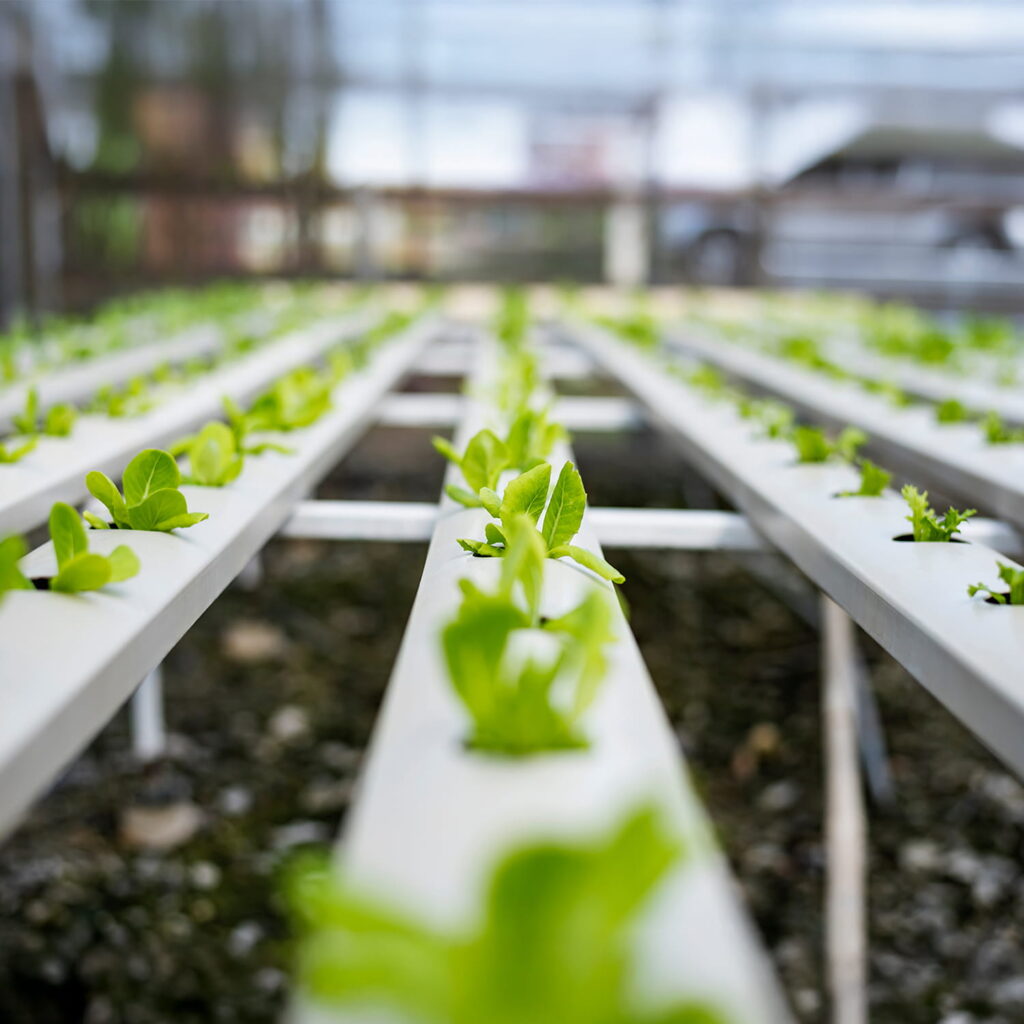
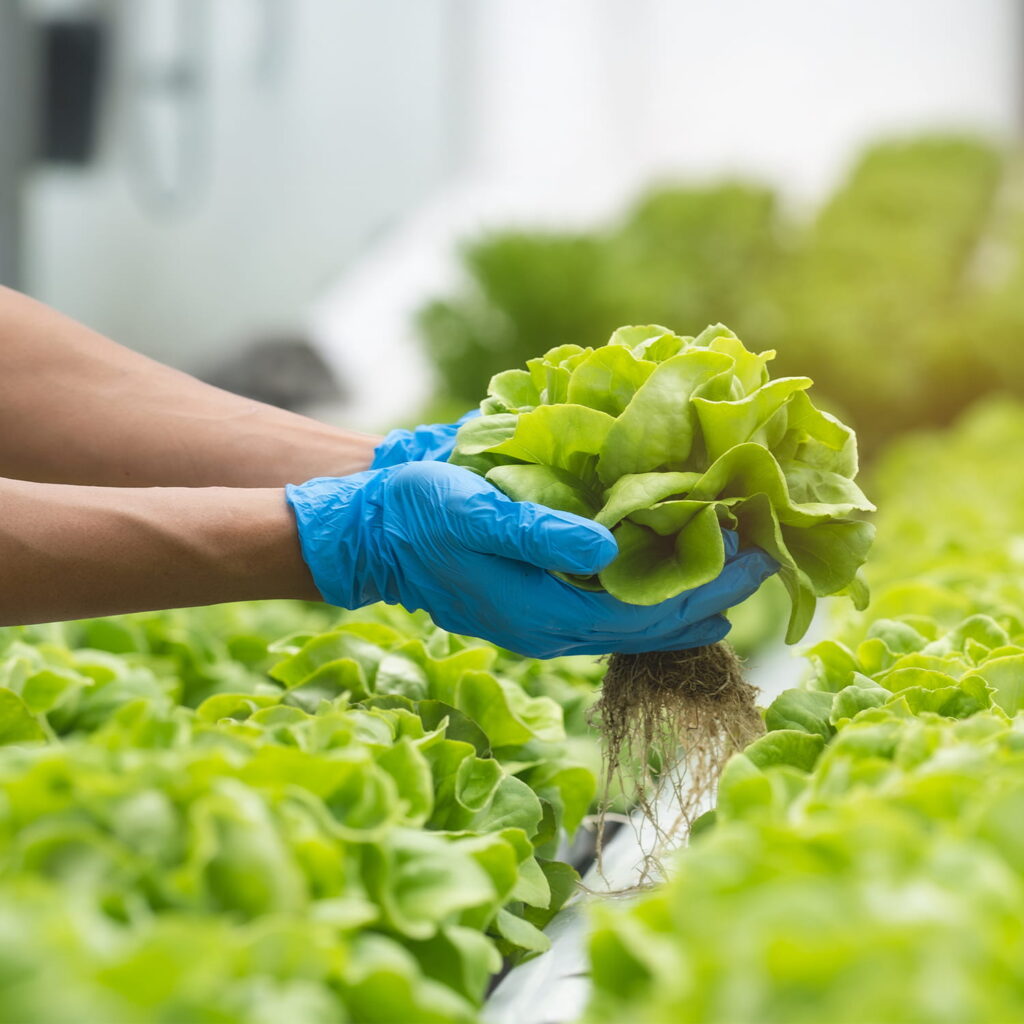
Hydroponic farming is a soilless cultivation method that allows plants to grow in a nutrient-rich water solution, using significantly less water and space than traditional agriculture. This controlled technique supports year-round production of fresh herbs and greens, making it an ideal fit for indoor environments such as offices, corporate sites and busy workplace hubs.

A New Kind of Workplace Garden

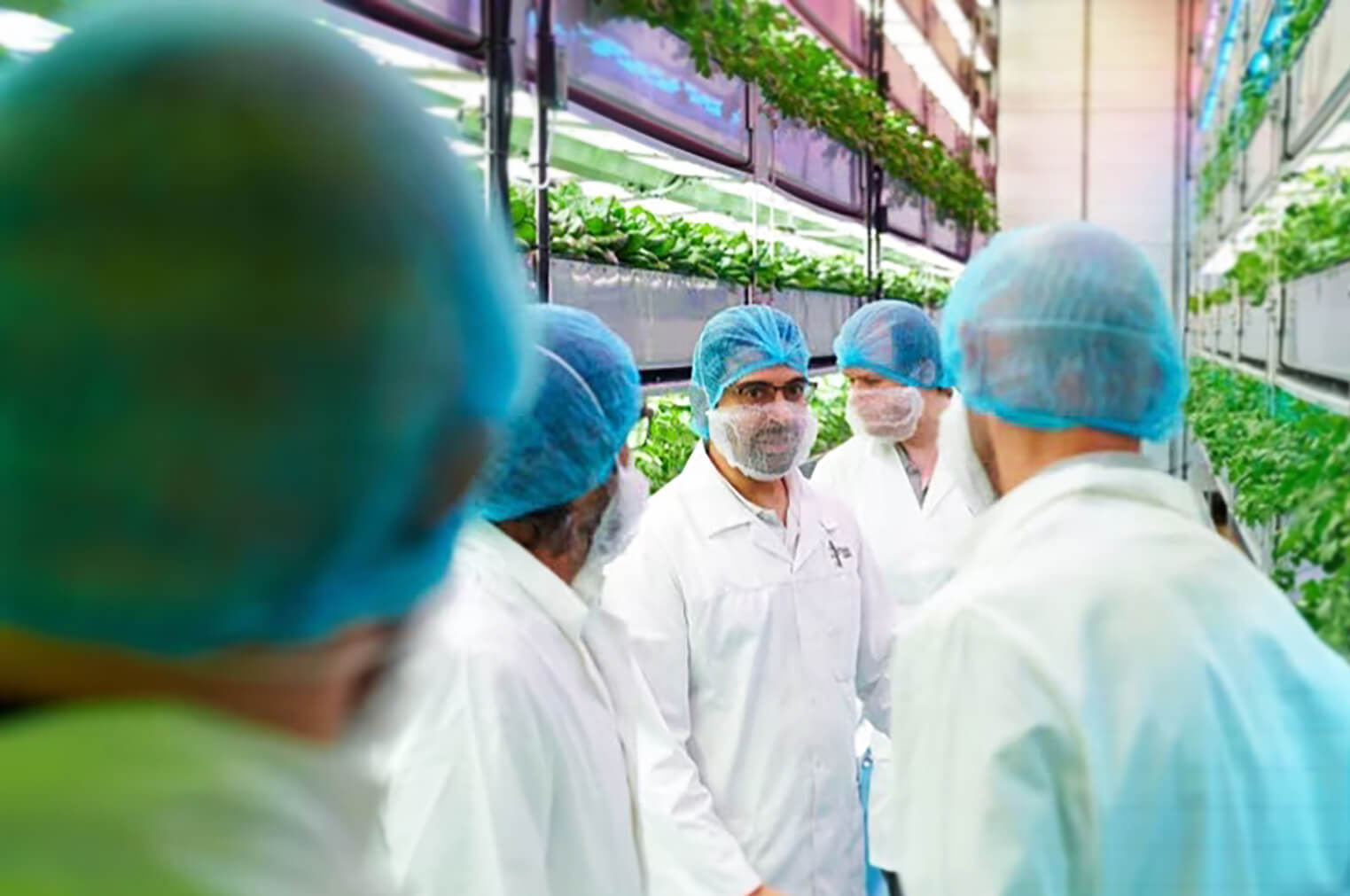
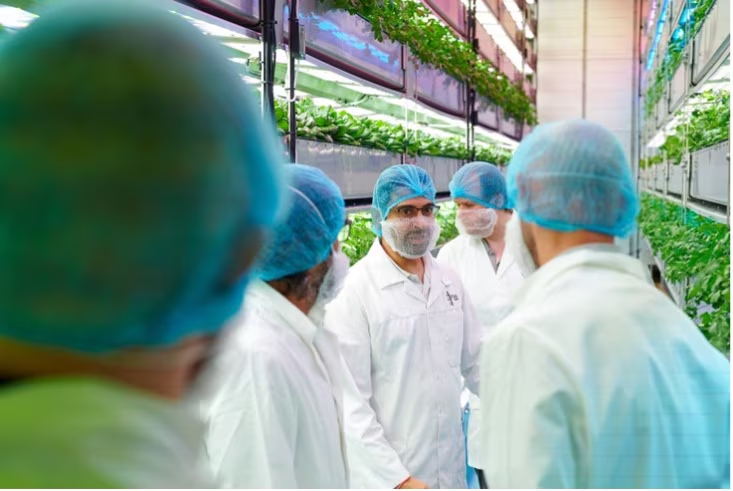
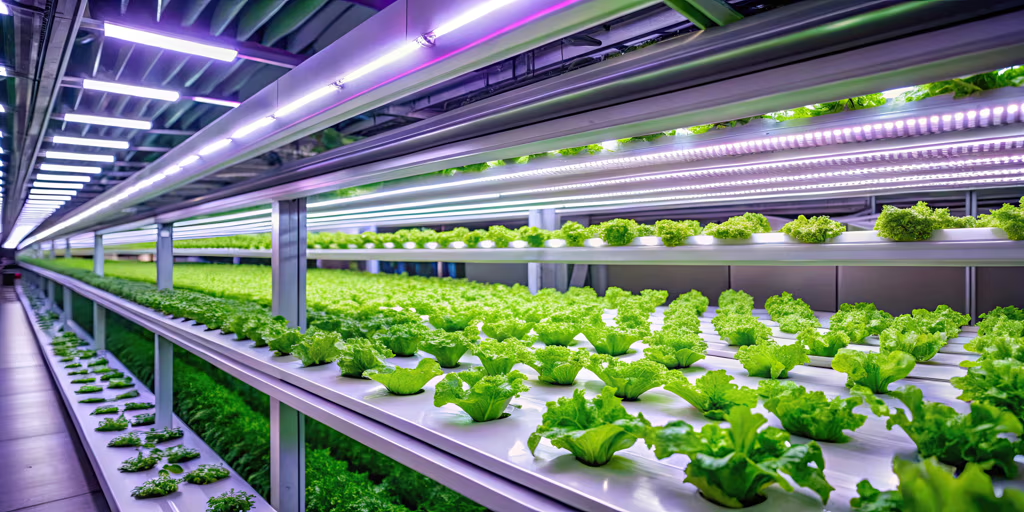
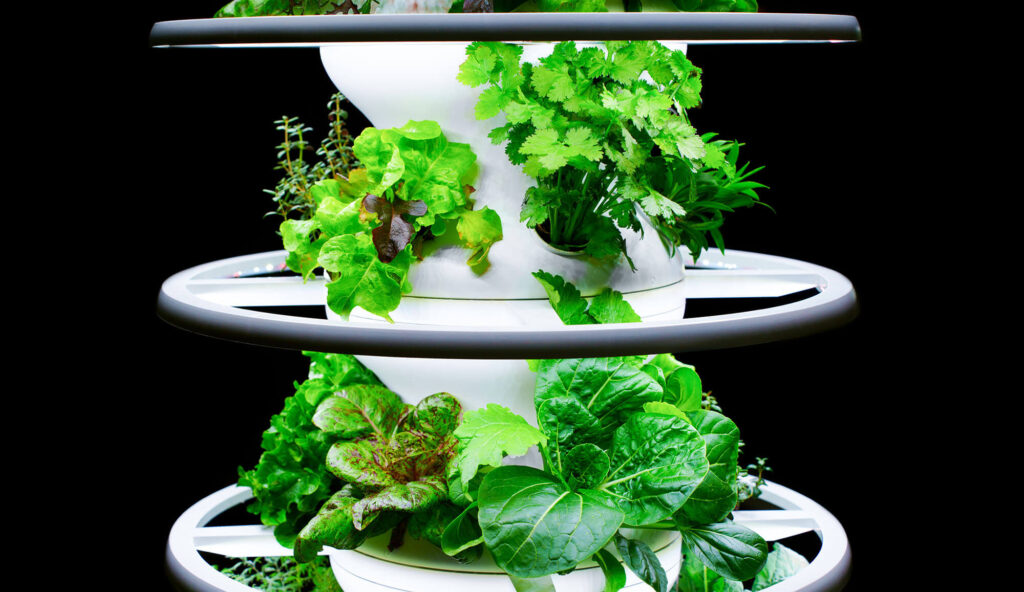
Angel Hill Food Co. has installed hydroponic farming pods at selected customer sites, transforming underutilised indoor spaces into vibrant micro-farms. These installations cultivate fresh produce – such as lemon basil, parsley and rainbow chard – that can be used directly in kitchen preparations or enjoyed by colleagues at harvest events. 

The hydroponic units are designed to operate independently of weather and seasonal constraints, ensuring a consistent supply of fresh greens year-round. This means workplaces can enjoy the benefits of fresh, locally grown produce regardless of outdoor conditions.

Sustainability Meets Engagement

Beyond supplying fresh ingredients, hydroponic farms spark meaningful conversations about Hydroponic Farming, nutrition and environmental stewardship. Colleagues are invited to observe plant growth, participate in harvest events, and even take part in workshops on growing food at home – all of which foster a deeper connection to the food they eat and the ecosystems that support it. 

These interactive initiatives have a dual purpose. Not only do they promote sustainability and wellbeing, but they also strengthen team cohesion and workplace culture. Seeing food grow from seed to plate encourages people to think differently about their relationship with food and sustainability – transforming what might be a passive catering experience into an active learning opportunity.

Bringing Freshness to the Community

Angel Hill Food Co.’s hydroponic farming project extends beyond the kitchen. The produce grown through these systems is being coordinated for donation to local charities, food banks and healthcare facilities, meaning the positive impact reaches community members who need fresh produce most. 

By linking workplace sustainability with community support, the initiative reinforces Angel Hill Food Co.’s commitment to responsible sourcing, social value and environmental stewardship – ensuring that innovation benefits people as well as the planet.

The Benefits of Hydroponic Farming

Hydroponic systems offer distinct advantages over conventional agriculture. They use significantly less water – in some cases up to 90-95% less – and eliminate the need for soil, pesticides and long-distance transportation. This not only reduces environmental impact but also enhances food freshness and safety. 

In addition, hydroponic farms can be scaled vertically or horizontally to fit diverse indoor spaces, making them highly adaptable to workplace environments without requiring extensive land or outdoor access.

A Fresh Approach to Workplace Wellbeing

Angel Hill Food Co.’s adoption of hydroponic technology is more than a sustainability statement – it’s a demonstration of how catering can evolve to meet the health, environmental and social expectations of modern workplaces.

By bringing hydroponic farming into corporate spaces, Angel Hill is not just growing produce; it’s cultivating awareness, encouraging healthier eating habits and inspiring colleagues to think differently about food systems.

As workplace dining increasingly aligns with wellness and sustainability goals, initiatives like this position Angel Hill Food Co. as a forward-thinking partner in creating healthier, greener, and more engaging food experiences – one leaf at a time.