World Sustainability Day: Making Lower-Carbon Choices Work at Scale

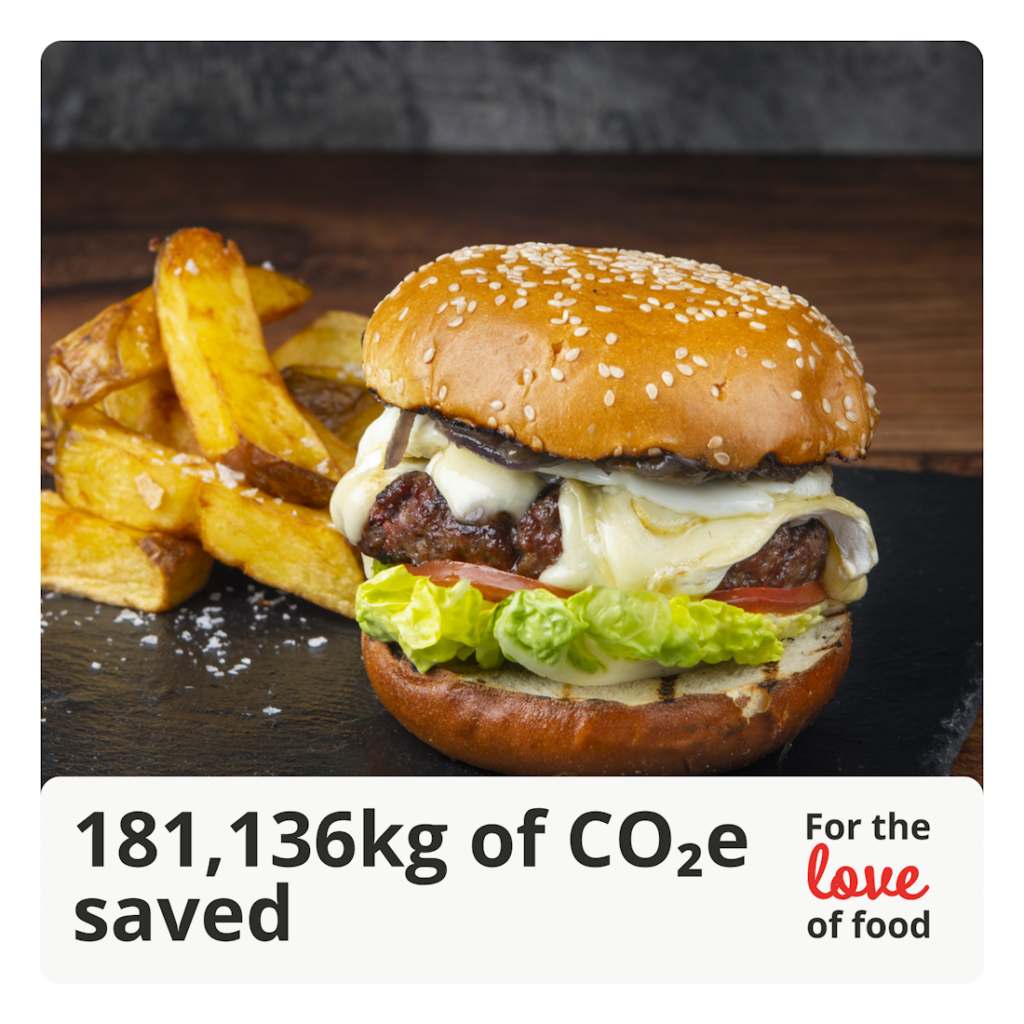
Angel Hill Food Co.’s Big Carbon Kick Out initiative has recorded 181,136kg of CO₂e savings since June 2024, across 70,319 dishes sold. The initiative demonstrates how menu development and supplier partnerships can help reduce the carbon impact of food while keeping familiar dishes on the menu.

For World Sustainability Day, the results highlight a practical opportunity for contract catering: develop food that meets customer expectations, works in busy kitchens and supports customers’ environmental objectives. By rethinking the ingredients in everyday favourites, Angel Hill Food Co. is building lower-carbon options into its catering offer.

The Opportunity Starts with Familiar Food

The Big Carbon Kick Out initiative focuses on reducing food-related carbon emissions through product development and menu choices. The approach centres on dishes people already recognise, making it possible to explore different ingredient combinations while maintaining flavour, quality, consistency and value.

This matters in contract catering, where a product needs to work for customers and catering teams as well as meet its environmental aims. Recipes must be straightforward to prepare at scale, suit different catering settings and offer a viable option for everyday service.

In 2026 to date, Big Carbon Kick Out has recorded 66,974kg of CO₂e savings across 24,919 dishes sold. September accounted for 8,292kg of reported savings from 3,301 dishes.

Matt Vernon, Who Leads Big Carbon Kick Out, said:

Big Carbon Kick Out is about turning our sustainability ambitions into practical action through the food we serve every day. By working with our suppliers to rethink familiar dishes and develop products with a lower carbon impact, we can give customers more options to support their own sustainability goals while maintaining the flavour, quality and value they expect.

Since launching the initiative, we’ve recorded more than 181,000kg of CO₂e savings across over 70,000 dishes sold. That progress shows the potential of making changes that work in real catering environments. Our focus now is on building on that progress, developing products that customers want to choose and identifying opportunities to extend their impact across our operations.

The Angel Hill Burger Shows how Familiar Favourites can Change

Developed with Eat Curious and heritage butcher William White Meats Ltd, the Angel Hill Burger combines plant-based textured vegetable protein with British beef. It was developed through Angel Hill Food Co.’s Culinary Classroom chef programme, informed by consumer insight and designed for the Business, Industry and Education sectors.

The product gives catering teams another option for burger menus, using a blend of ingredients to reduce its reported carbon impact while retaining the familiarity customers expect.

Since its launch in September 2025, 82,686 burgers have been ordered, with reported savings of 95,916kg of CO₂e. In September 2026, 3,072 burgers were ordered, representing reported savings of 3,564kg of CO₂e.

A wider rollout across all sites is projected to deliver annual savings equivalent to one million miles driven by a car. This is a forecast based on adoption across the estate, separate from the savings recorded to date.

Thomas White, Director at William White Meats Ltd, said:

As a family-run butcher, this partnership allows us to stay true to our values while embracing innovation. It’s a new way to enjoy great British meat responsibly.

The partnership brings together butchery expertise and product development to create an option suited to commercial catering. Its projected impact also illustrates why adoption matters: the potential carbon saving depends on how widely the product is used.
Supplier Partnerships Help Turn Data into Decisions

Big Carbon Kick Out  depends on collaboration with suppliers to develop products, understand their performance and assess opportunities for wider use. Angel Hill Food Co. also works with Saffron in relation to the Angel Hill Burger.

Clear, consistent measurement is essential when reporting environmental progress. The carbon savings for each product need to be assessed against a defined comparison, such as an existing recipe or equivalent product, using an agreed methodology. This allows Angel Hill Food Co. to explain what each figure represents and make informed decisions about future menu development.

Measuring Progress Through Everyday Choices

Big Carbon Kick Out demonstrates how sustainability can be built into the commercial decisions behind menu planning. The Angel Hill Burger and blended beef show how product development can create alternatives for familiar dishes, while the programme’s reported results provide a way to track progress.

For customers working towards their own environmental objectives, this offers a practical area for collaboration: identifying suitable products, understanding their carbon impact and considering where they can be introduced across catering operations.

This World Sustainability Day, the focus is on progress that can be put into practice.

The opportunity is to make lower-carbon choices part of the food people already enjoy, and to measure the difference those choices can make.
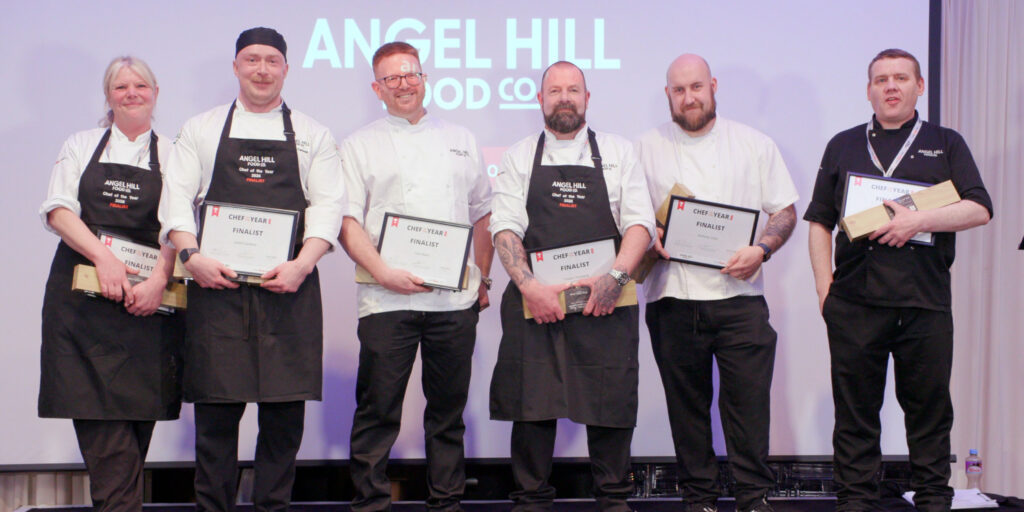
International Chefs Day: The People, Passion and Adaptability Behind Our Food

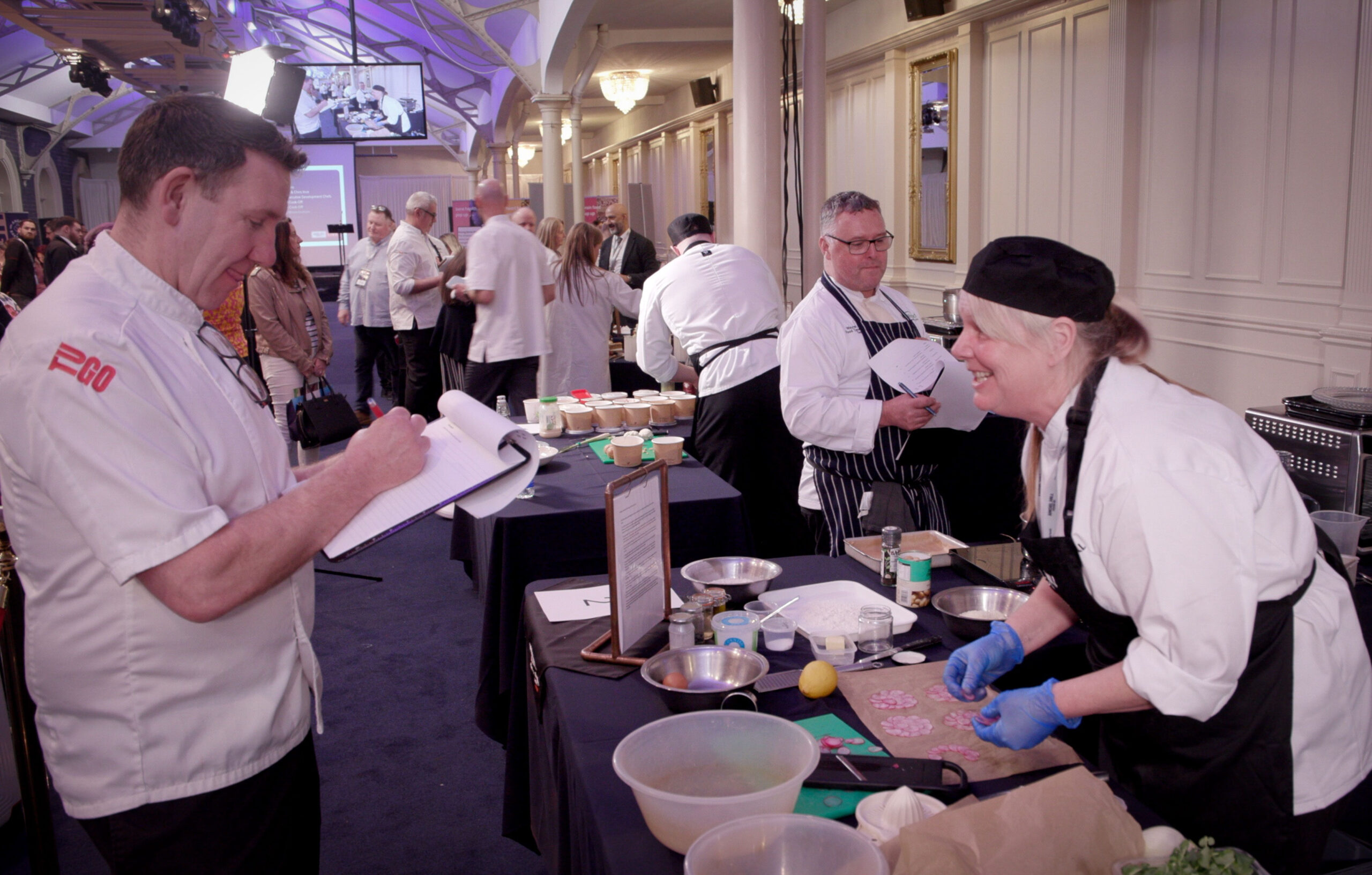
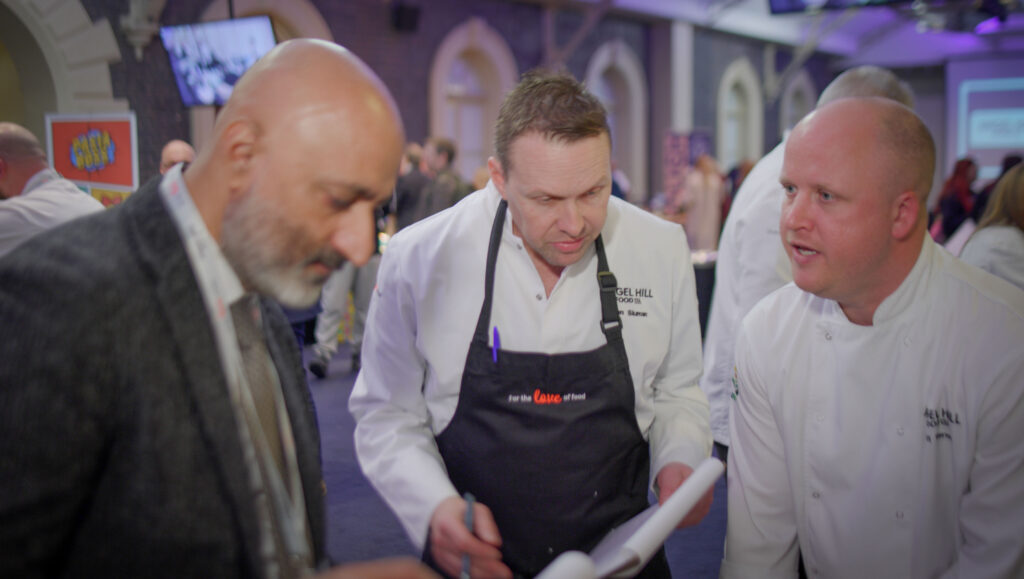
Every day, across Angel Hill Food Co., chefs bring together culinary skill, creativity and practical experience to deliver food for the people and communities we serve. As our business grows, so does the range of customers, settings and expectations our teams respond to, requiring colleagues to adapt their approach while maintaining the care and attention that go into every plate.

International Chefs Day is an opportunity to recognise the people behind that work. From developing new dishes and working with seasonal ingredients to adapting menus and service to different environments, our chefs play an important role in how customers experience Angel Hill Food Co.

Their stories are different, shaped by family, culture, experience and the opportunities they have taken throughout their careers. What connects them is a shared love of food and a commitment to bringing that into their work every day.

A Love of Food, Rooted in Everyday Life

For Alex Metcalf, Chef Manager, Healthcare & Education, a love of food begins with the ingredients nature provides and the connections created around the table.

“My Love of Food comes from the seasonal foods our planet naturally gives us, eating seasonally allows us to enjoy foods when they are at their very best. I also enjoy food when eating with friends, family. Food has an ability to bring so many people together and create strong memories.”

Alex’s perspective reflects the many reasons people choose a career in food. Seasonal ingredients offer inspiration for menus, while shared meals create opportunities for people to connect. For chefs, these experiences can influence everything from the ingredients they select to the dishes they develop and the way they approach service.

Adapting as the Business Grows

As Angel Hill Food Co. continues to develop, our chefs and catering teams work across a broad range of environments, each with its own requirements. A school kitchen, a healthcare setting and a busy workplace restaurant all demand different approaches to menus, service and the people being catered for.

Responding to those differences takes culinary knowledge, teamwork and an understanding of the customer. It can mean developing new concepts, introducing different ingredients, responding to feedback or finding practical ways to deliver a consistent service as expectations change.

Our colleagues bring that adaptability to their work every day. Their experience helps translate the wider direction of the business into food and service that work for individual customers and the people they serve.

Different Journeys, Shared Commitment

There is no single route into a career in catering. Some colleagues find their inspiration at home, learning from family and the food they grew up with. Others discover their interest through training, early kitchen roles or the chance to explore new cuisines and techniques.

Those different experiences help shape the breadth of knowledge across our teams. Food carries cultural influences, personal memories and regional traditions, giving chefs a wealth of inspiration to draw on. Sharing that knowledge helps introduce customers to new flavours while keeping familiar favourites on the menu.


Developing Skills and Creating Opportunities

A growing catering business also creates opportunities for colleagues to learn, develop and take on new responsibilities. Building culinary confidence, sharing knowledge between teams and giving chefs the chance to test ideas all help strengthen the food offer.

That development matters at every stage of a career, from colleagues building their foundations in the kitchen to experienced chefs taking on leadership responsibilities or helping develop menus and concepts across the business.

“The dough module for culinary classroom really excited me as I’ve had little experience in doughs and baking. I learnt a lot of new skills at this session and, as always, had a great day with the group.”

Amy Holland, Chef Supervisor, Distribution & Logistics 

For the Love of Food

Behind every meal is a team bringing together ingredients, knowledge, planning and skill. The work takes place in different kitchens and service environments, but it shares a common purpose: to serve food that people enjoy and to deliver an experience that reflects the needs of the customers and communities we work with.

International Chefs Day gives us a moment to recognise the people who make that possible. Their creativity, adaptability and willingness to share their knowledge help Angel Hill Food Co. continue to grow while developing the food and service we provide.

To our chefs and catering colleagues across the business, thank you for the work you do, the experience you share and the love of food you bring to every service.

For The Love Of Food.

From Single-Use to Circular: Practical Sustainability in Catering

Making sustainability part of everyday catering means looking across the whole operation, from the ingredients we source and the food we serve to the products used every day across our sites.

For Angel Hill Food Co., it’s about continually finding practical ways to reduce waste, use resources more effectively and make responsible choices that work in busy catering environments.

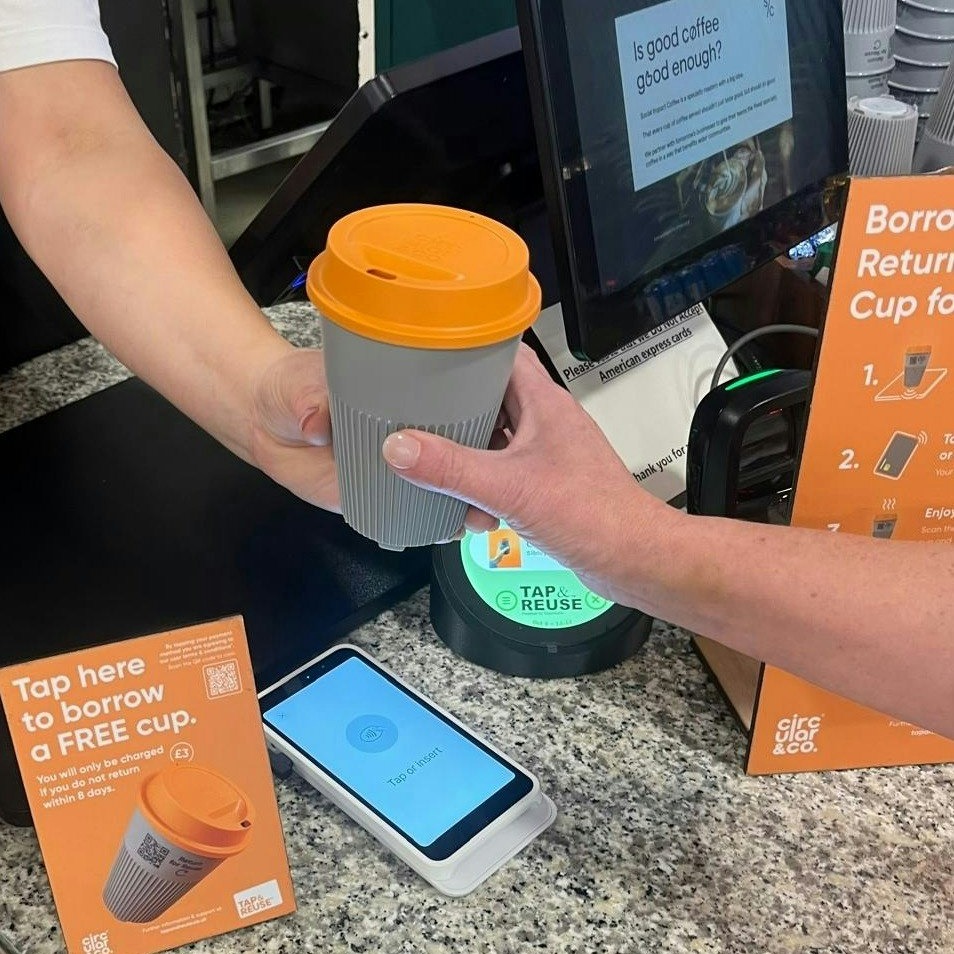
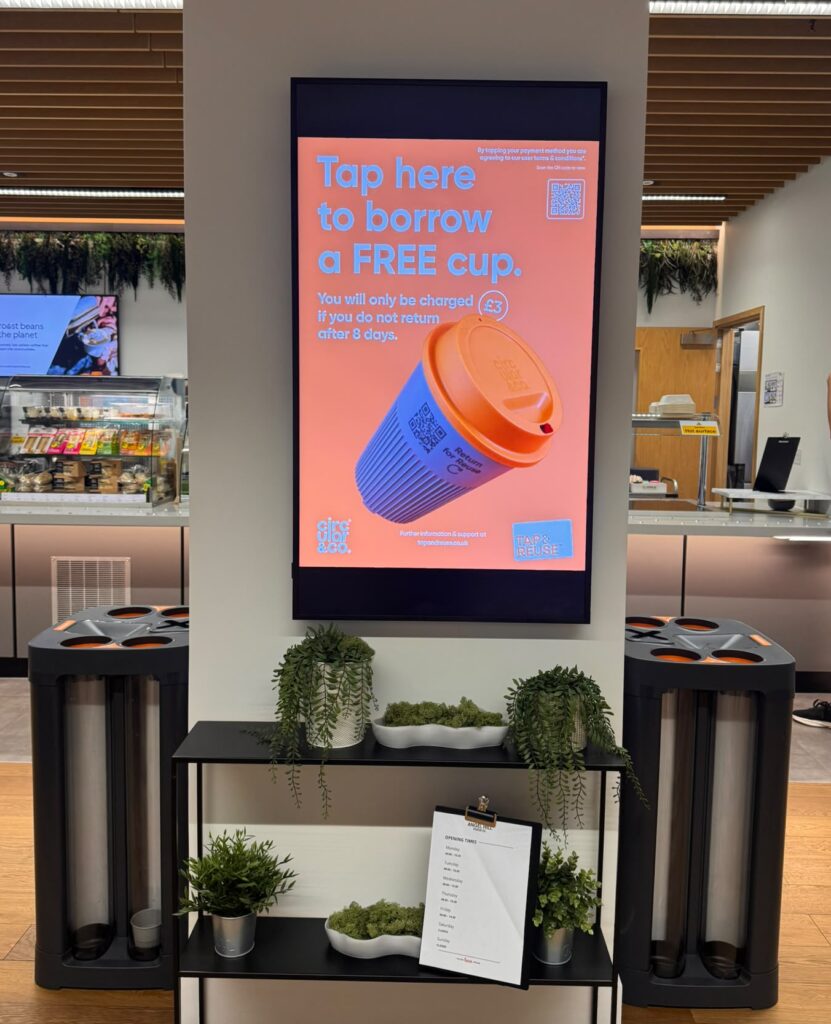
Reusable drinkware is one area we are exploring. Through our work with Circular&Co., we are looking at how reuse can become part of everyday operations, helping to reduce reliance on single-use products and supporting a more circular approach to the resources we use.

Looking Beyond the Plate

Food is central to our sustainability work, including our focus on responsible sourcing and carbon reduction. The wider catering environment also presents opportunities to make a difference, particularly where products are used frequently and can generate ongoing waste.

For contract catering, the opportunity lies in finding approaches that make sense environmentally and work within the practical demands of each site.

Making Reuse Work in Everyday Operations

Reusable drinkware can help reduce reliance on single-use alternatives, provided the system around it is designed well.

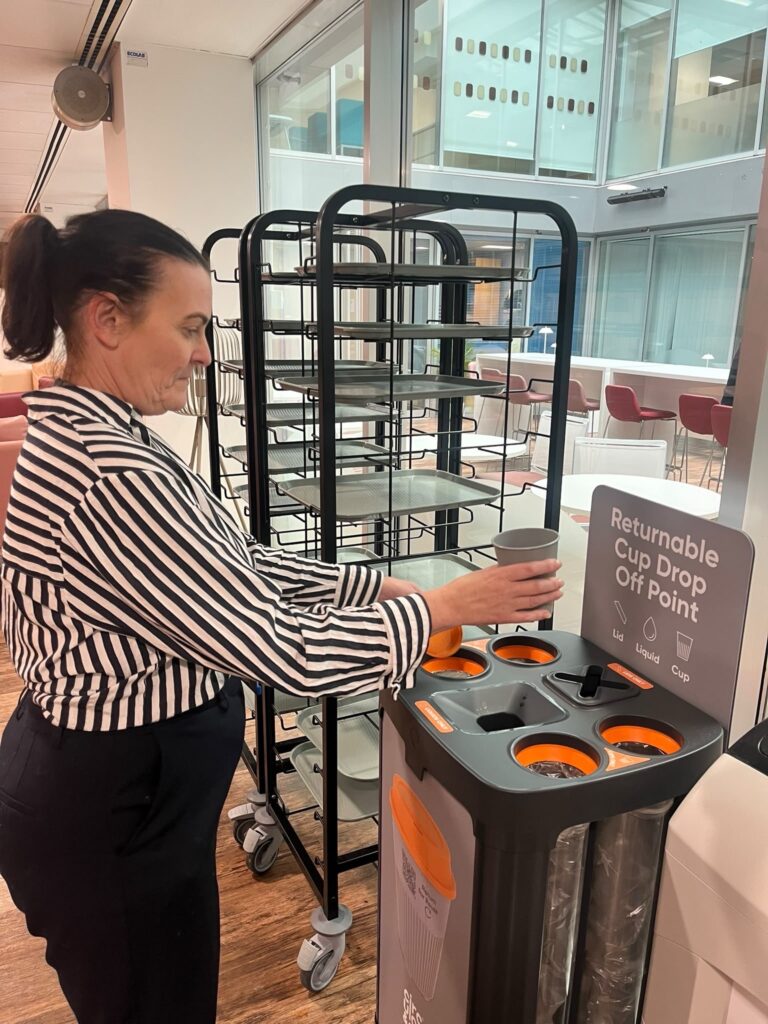
Return points need to be easy to find, processes must be straightforward, and customers and colleagues need to understand how the system works. The experience should fit naturally into the working day, with minimal disruption to service.

As we explore how reuse can work across our catering environments, it’s important to recognise that different sites have different layouts, customer needs and service routines. Any approach needs to reflect the setting in which it will operate.

Through our work with Circular&Co., including its Tap&Reuse™ approach, we are exploring the practical considerations involved in making reusable drinkware part of the catering experience.

Circular&Co. founder Dan Dicker has highlighted how return rates can exceed 95% in some environments when the process is straightforward and clearly communicated. This underlines the importance of designing the whole experience around the people using it, from the point of collection to the return of the cup.

Design, Behaviour and the Role of Technology

Successful reuse depends on products that are convenient, reliable and suitable for repeated use. It also depends on making the process clear and easy to follow.

Technology can help support this. QR codes and tracking systems, for example, can provide information about how reusable products move through a site and help make the process more transparent for users.

For our catering teams, these considerations need to be balanced with service requirements, practical routines and customer expectations. A reusable model has to work for the people delivering the service as well as those using it.

This is why collaboration with specialist partners can be valuable. It brings additional knowledge and experience to the process, helping us assess how different approaches might work in real operating environments.

Building Sustainability into Everyday Decisions

Sustainability is an ongoing part of how we develop our services. Our work on food sourcing and carbon reduction continues alongside opportunities to improve how resources are used across the wider catering operation.

Circularity offers a practical way to examine those opportunities. Reuse, repair and better resource management can help reduce waste and keep materials in use for longer. The potential impact depends on how these approaches are designed, adopted and maintained over time.

Our work with Circular&Co. is part of this wider consideration. It gives us an opportunity to explore how reusable drinkware could fit into contract catering and what needs to be in place to make it practical for customers, colleagues and site teams.

The next step is to keep the focus on workable solutions and the outcomes they can deliver. Understanding how people use a system, how it fits into service and how its environmental impact can be measured will all be important in assessing its value.

Practical Progress, Built Around People

Sustainable catering is shaped by decisions made throughout the operation. Ingredient choices, menu development, sourcing and the products used to deliver a service all have a role to play.

Progress means continuing to examine where changes can make a meaningful difference, while recognising the operational realities of the environments in which we work.

Reusable drinkware is one example of how we can approach that challenge. By working with specialist partners, listening to the needs of customers and colleagues, and focusing on practical implementation, we can continue to explore ways to reduce waste and use resources more effectively.

The aim is to make sustainable choices workable in everyday catering, supporting better outcomes for customers, colleagues and the environment.