Why Local Partnerships Matter

Great food doesn’t begin in the kitchen. It begins with the ingredients behind it.

Long before it reaches a chef’s chopping board, someone has grown it, harvested it, packed it and delivered it. Behind every meal are producers, growers, suppliers and communities whose work shapes the quality of the food we serve.

As customer expectations continue to evolve, those relationships matter more than ever.

For Angel Hill Food Co., local partnerships aren’t simply about shortening supply chains. They help strengthen communities, support regional businesses, develop future talent and give customers greater confidence in what’s on their plate.

As part of our #ForTheLoveOfLocal campaign, we spoke to Tony Winterbottom, Sales Director for Catering, about why local matters and how it will continue to shape the future of workplace catering.

What Does ‘Local’ Mean to You?

“When people think about local, they often think about where food comes from. That’s important, but it’s only part of the story. For me, local is about creating opportunity.

It’s about investing in growers, producers and businesses within the communities we serve. It’s about helping those organisations develop, creating employment, supporting apprenticeships and giving local businesses the confidence to grow.

At the same time, we’re bringing fresher produce into our kitchens, reducing food miles where possible and delivering better food to our customers.

Ultimately, local benefits producers, businesses, communities and the people who enjoy the food.”

Tony believes that’s exactly where the real value lies.

It is more than fresh food or local produce. It’s about benefiting the local economy, generating jobs, creating opportunities and helping businesses develop. As a major catering organisation, that’s something we absolutely want to promote.

For Angel Hill Food Co., every supplier relationship has the potential to create a wider impact.

Working with regional producers strengthens local economies. As businesses grow, they create employment, develop skills and invest back into their communities.

The result reaches far beyond the kitchen.
Why Has Local Become More Important to Customers?

“Customers understand food differently today,” Tony explains.

“They’re more interested in where ingredients come from, how they’re produced and the story behind them.

There’s now an expectation that food should come from local sources wherever possible.

People recognise that local produce is often fresher, tastes better and supports the communities they live and work in. That shift has accelerated across every sector we operate in, whether that’s workplaces, education or healthcare.”

For customers, quality and provenance increasingly go hand in hand.

What Changes When You Know the People Behind the Ingredients?

This is where Tony believes workplace catering can tell a much richer story.

“When you genuinely know the people behind your ingredients, you know their heritage. You know where the food was grown, who produced it and the journey it’s taken before arriving in the kitchen.

That creates opportunities to tell customers something meaningful about what’s on their plate.

Imagine being able to say today’s vegetables came from a farm just a few miles away. That connection changes how people experience food.”

Understanding provenance doesn’t just strengthen customer confidence.

It gives chefs a deeper appreciation of every ingredient they work with.

How Do You See Local Partnerships Evolving?

Tony believes the next stage will be collaboration.

Rather than expecting every independent producer to develop complex logistics networks, he sees opportunities for regional producers to work together through local supply hubs.

“Smaller growers may not have the infrastructure to supply national caterers on their own.

But by working together through regional networks, they can create opportunities that simply wouldn’t exist individually.

That gives businesses the chance to grow while allowing organisations like ours to bring even more local produce into our kitchens.”

He believes that approach has the potential to strengthen regional economies while creating more resilient supply chains for customers.

What Does Local Mean to You Personally?

After more than three decades in catering, Tony’s answer comes back to one thing.

Quality.

“After more than 30 years in catering, local partnerships represent what quality means to me.

Better ingredients. Better produce. Better food on the plate.

Knowing where our food comes from gives confidence to our chefs, reassurance to our customers and recognition to the people who’ve produced it.

That’s why local matters. Not because it’s fashionable, but because it helps us serve better food while supporting the communities behind it.”

Local partnerships don’t happen by accident.

They are built over time, strengthened through trust and sustained through shared success.

Every producer, supplier, college and community partner plays a role in shaping the food we serve.

Because great workplace catering starts long before the kitchen. It starts with the people behind every ingredient.
The People Behind Every Plate

Long before ingredients reach the kitchen, there are growers harvesting seasonal produce, suppliers refining their craft, educators developing future chefs and colleagues building relationships that strengthen the communities where they work. 

These partnerships shape every stage of the food journey. They influence the ingredients our chefs cook with, the skills they continue to develop and the experiences delivered to customers every day. 

The quality of our food is shaped by the people behind it. Every local supplier, education partner and producer brings knowledge, expertise and pride that strengthens the service we deliver. Investing in those relationships helps us build more resilient supply chains, develop future talent and create lasting value in the communities where we operateThat’s how stronger partnerships become better food experiences.

Henry Watts, Managing Director

Building a Stronger Local Supply Network

Every ingredient has a journey. 

Understanding where food comes from gives chefs a greater appreciation of the work behind every plate, while strong supplier relationships create consistency, resilience and the flexibility to respond to changing customer needs. 

Across Angel Hill Food Co., local partnerships are embedded throughout our supply network. NCB sources fresh produce and meat through suppliers closest to the sites they serve, while Kale & Damson, based near Cambridge, supports our kitchens with regional produce. West Country Milk works with local and regional dairy suppliers, Samworth Brothers supplies sandwiches to our Ipswich Head Office from its Bury St Edmunds depot, and Bidfood operates depots within 29 miles of every catering site, helping maintain responsive, efficient deliveries across our business.

These partnerships give our chefs confidence in the ingredients they use while strengthening the regional businesses and communities that support them. 

Relationships like these allow our culinary teams to learn directly from producers, understand provenance and build menus with confidence in the ingredients they use. 

As customer expectations continue to evolve, knowing where food comes from has become an increasingly important part of creating workplace dining experiences that are authentic, seasonal and high in quality. 

Local partnerships create value at every stage of the journey. They strengthen our supply chain, support regional businesses, give our chefs a better understanding of the ingredients they use and help us deliver better food experiences for our customers.

Tony Winterbottom, Sales Director

Developing Tomorrow’s Chefs

The future of hospitality depends on the people entering the industry today. 

Angel Hill Food Co. works closely with education partners to help students bridge the gap between college kitchens and professional catering environments. 

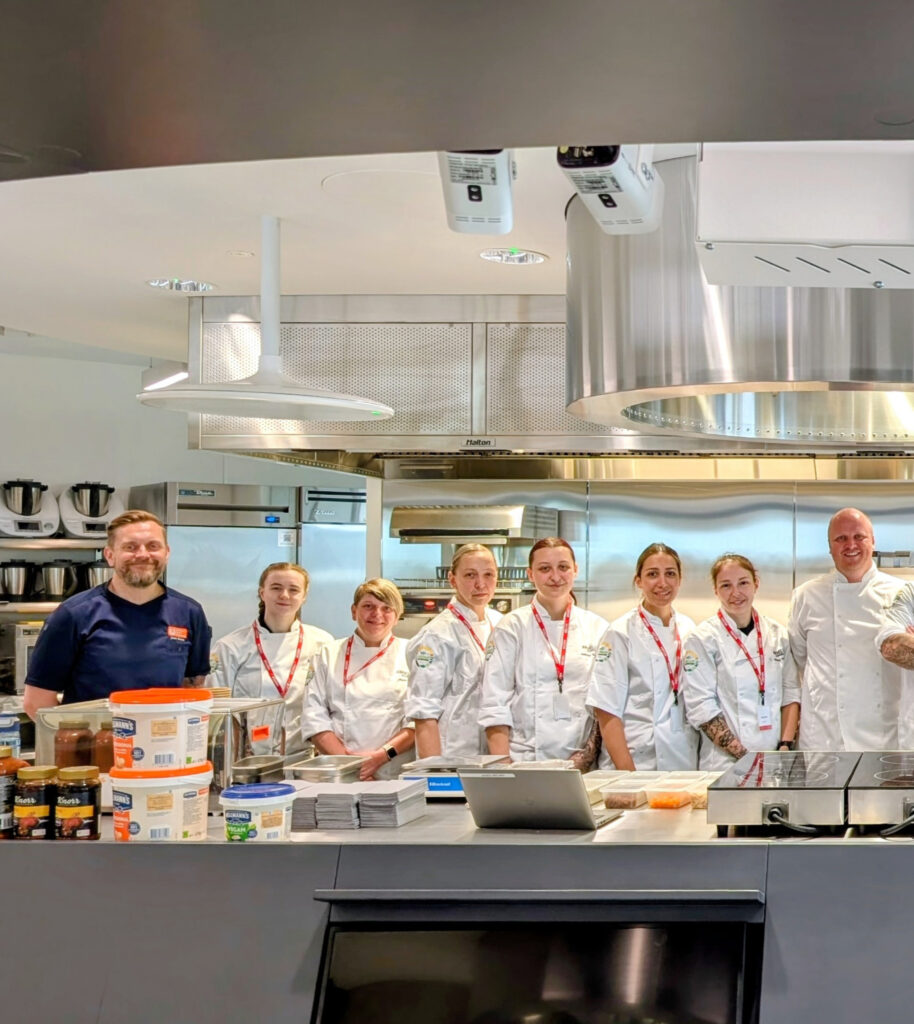
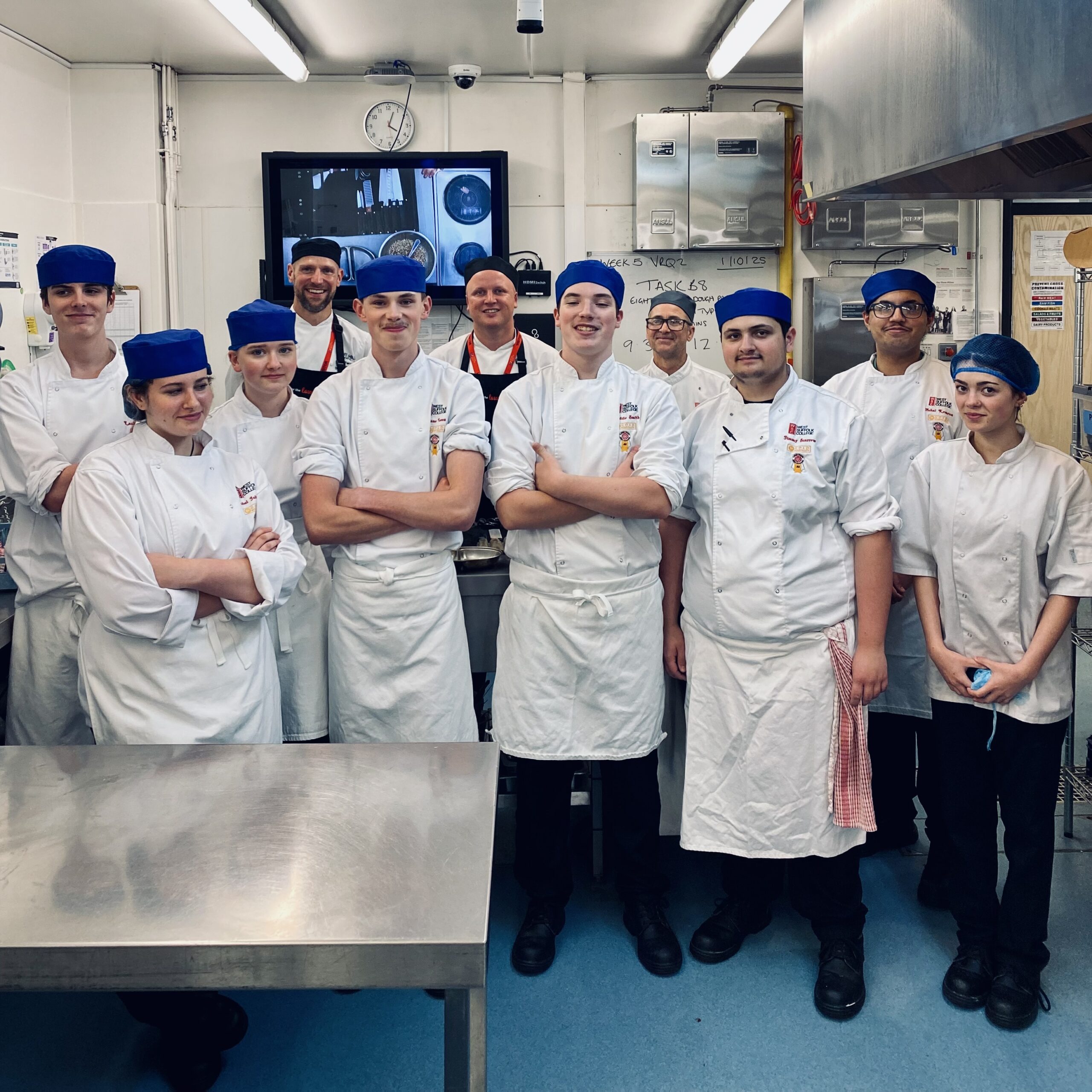
Earlier this year, nine catering students from West Suffolk College joined our Chef Development team for a filled pasta workshop, learning fresh dough techniques, preparing fillings and developing sauces alongside experienced chefs. 

The workshop was designed to build practical skills while giving students an insight into the standards, pace and teamwork required in a professional kitchen. 

The partnership continues later this year with a butchery workshop, giving students further opportunities to develop techniques that support their transition into industry. 

Supporting future chefs strengthens the wider hospitality sector while helping ensure valuable skills continue to develop within local communities. 

Every opportunity to work alongside experienced chefs helps build confidence as well as capability. By working with education partners, we’re giving students practical experience, exposing them to professional kitchens and helping them develop the skills they’ll need as they begin their careers. Investing in future talent is one of the most important ways we can support the long-term success of our industry.

Dawn Whitworth, People Development Manager 

Learning Beyond the Kitchen

Professional development doesn’t stop once a chef joins the business.

Each year, Angel Hill Food Co.’s Culinary Classroom programme gives a group of chefs the opportunity to step away from day-to-day operations and explore the wider food journey.

This year, 12 chefs are taking part in the programme, visiting producers, manufacturers and industry partners to better understand ingredients, supply chains, sustainability and culinary innovation.

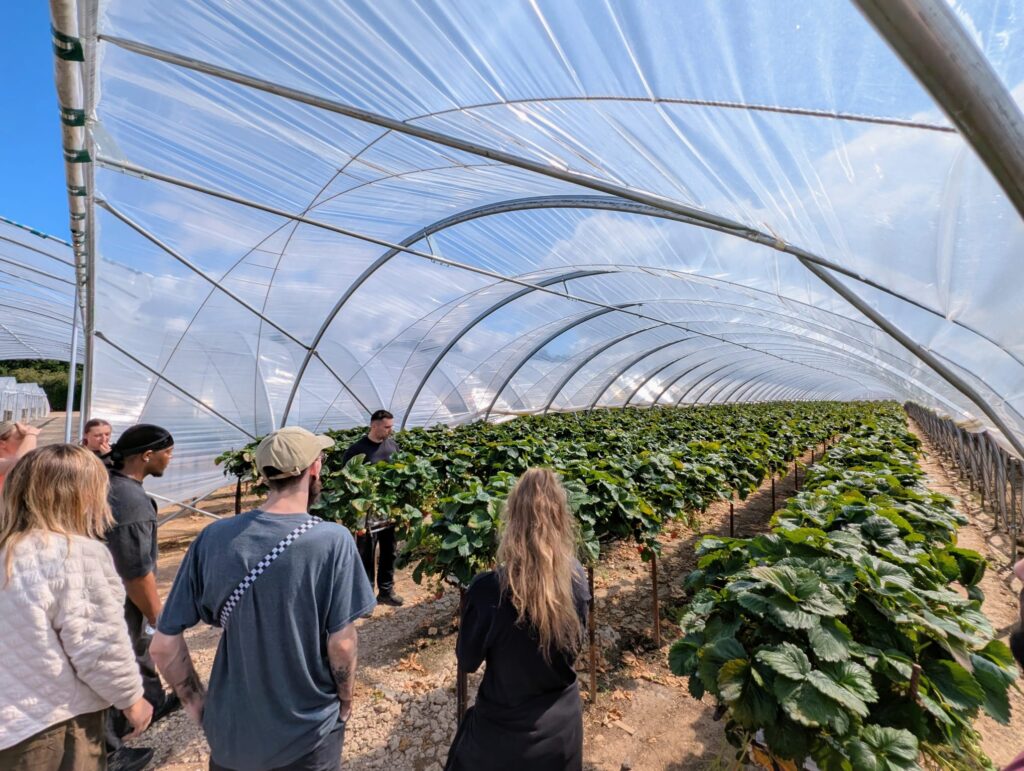
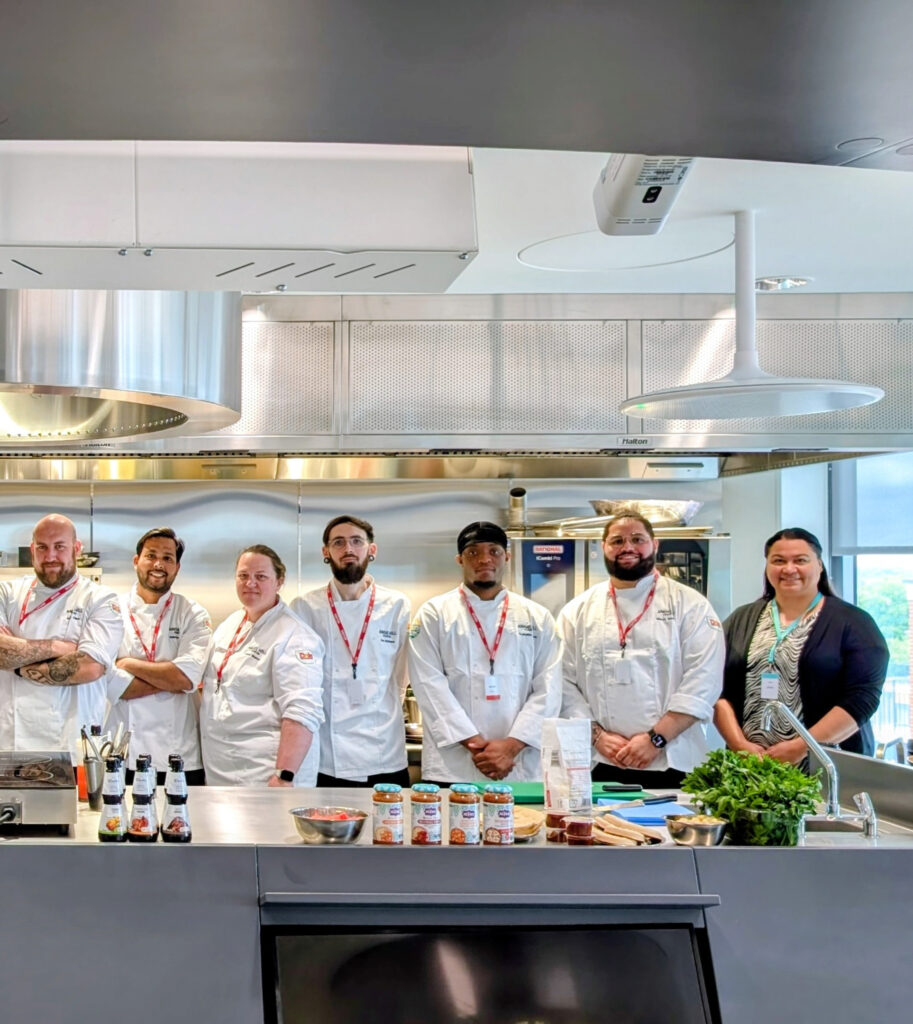
Recent visits have included Unilever, where chefs explored stocks, sauces and flavour development, alongside Oaklands Fruit Farm in the Vale of Evesham. There, chefs learned how seasonal strawberries are grown, harvested and handled before reaching commercial kitchens, gaining first-hand insight into the expertise behind every crop.

Experiences like these deepen chefs’ understanding of provenance while strengthening the connection between field and fork.

Great chefs never stop learning. Culinary Classroom gives our chefs the opportunity to step outside their own kitchens and understand the journey behind the ingredients they work with every day. Visiting farms, producers and manufacturers builds knowledge that can’t be learnt from a recipe. It develops curiosity, strengthens technical understanding and gives our chefs fresh ideas they can bring back into kitchens across the business.

Chris Ince, Chef Director

Stronger Partnerships, Stronger Communities

The partnerships behind Angel Hill Food Co. extend beyond ingredients.

They connect producers with chefs, education with employment and local expertise with national capability.

Every workshop delivered, every supplier relationship developed and every learning opportunity created contributes to something much bigger than a single meal. Together, they help strengthen local businesses, develop future talent and create opportunities that remain within the communities where we operate.

That collective approach continues to shape how Angel Hill Food Co. develops its services, supports customers and invests in the future of hospitality.

Every experienced chef started by learning from someone else or finding inspiration from something or someone. Creating opportunities for students to work alongside our culinary teams helps bridge the gap between education and industry, giving them practical experience, confidence, and a clearer understanding of what a career in hospitality can offer. Investing time in future talent is one of the most important investments we can make, not just for Angel Hill Food Co., but for the future of our industry.

Martyn Stockwin, Business Director