Seeing the Reality Behind Water Access
For Angel Hill Food Co., selling One Water | B Corp™ has always been connected to something bigger than the product itself. It forms part of a wider commitment to supporting access to clean water, sanitation, and long-term community resilience.
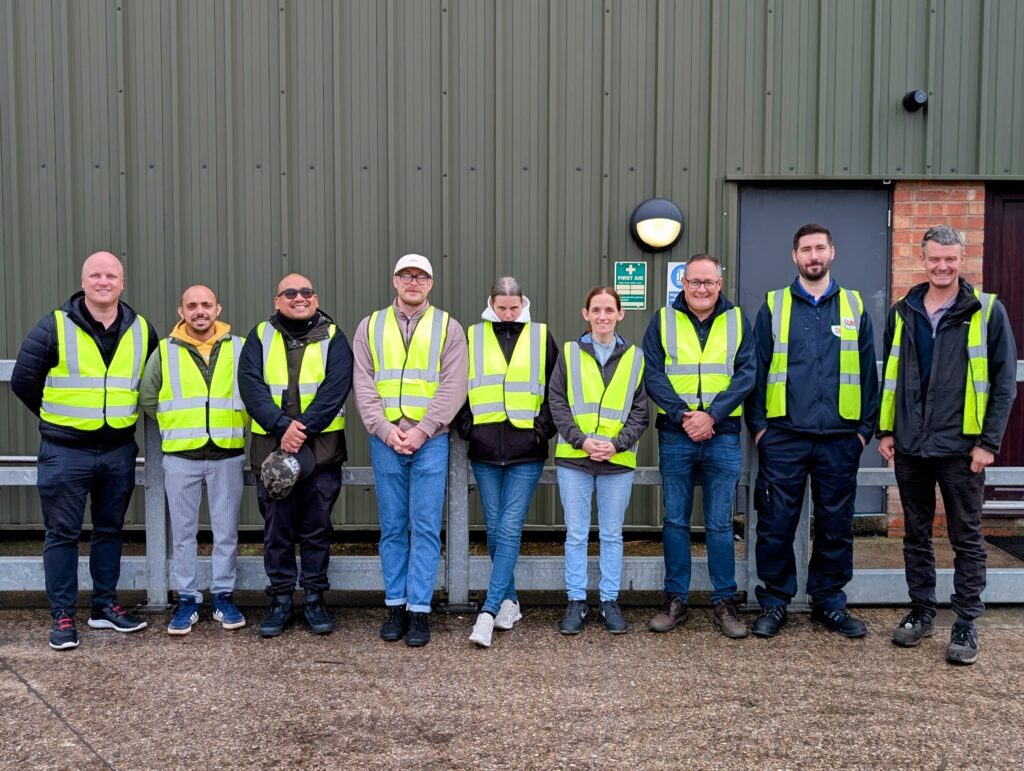
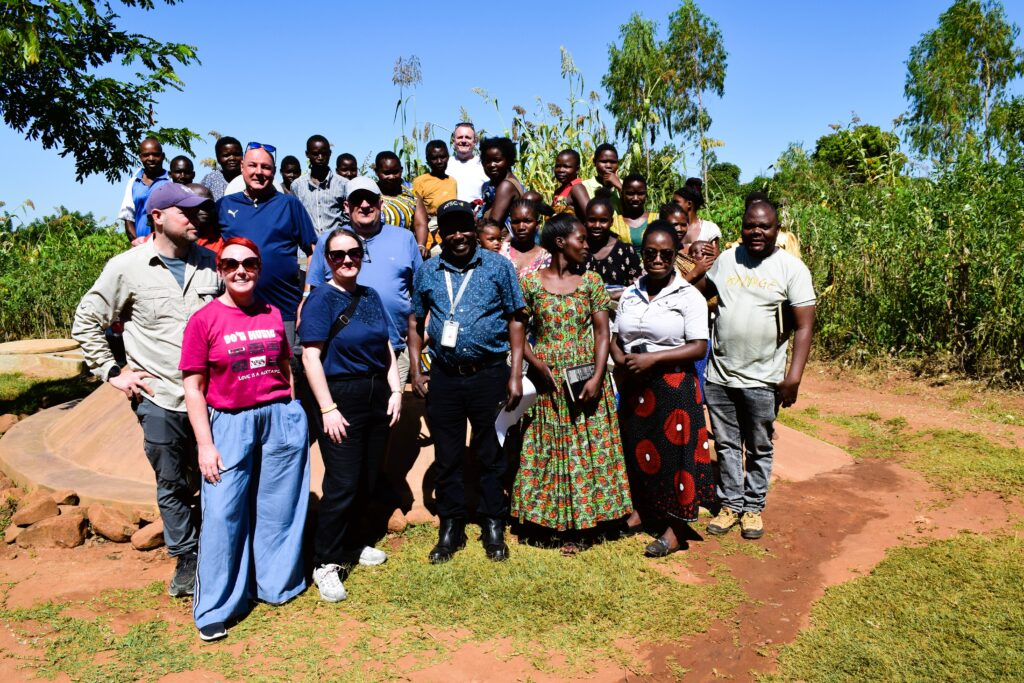
Last week, Angel Hill Food Co. Business Director Martyn Stockwin and Operations Director Robert Jessey travelled to Malawi with The One Foundation to see first-hand how water and sanitation programmes are helping strengthen communities across Thyolo and Chikwawa, towns in the southern region of Malawi. The visit formed part of Angel Hill Food Co.’s ambition to sell one million One Water bottles during 2026, helping fund sustainable clean water projects across Africa.
The week began in Blantyre, Malawi’s economic centre, before the team travelled into rural communities where access to safe water remains a daily challenge for many families. According to the World Health Organisation and UNICEF, nearly one in 10 people globally do not have clean water close to their home, affecting around 703 million people worldwide.
Supporting Resilient Water Infrastructure
Throughout the visit, Martyn and Robert met local communities, water committees, trained pump mechanics, and programme teams working to strengthen long-term access to safe water.
While boreholes can transform access to clean water, maintaining reliable access remains a major challenge across rural Malawi. Flooding, climate pressures, overuse, and limited access to repairs can leave community water points out of action for extended periods, forcing families to return to unsafe water sources or travel long distances again to collect water.
In Thyolo District, the visit highlighted the growing impact climate change is having on water infrastructure across southern Malawi. Communities described how flooding and extreme weather continue to damage water sources and increase pressure on already limited resources.
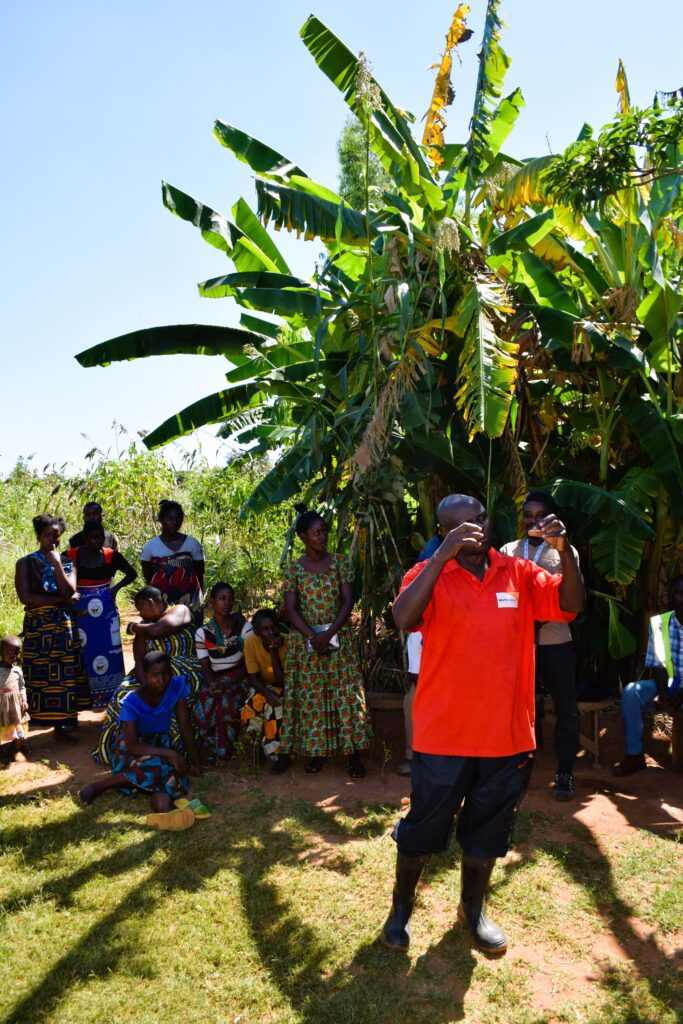
The team visited rehabilitated boreholes designed to withstand flooding, observed pump maintenance and repair work, and learned how local spare parts networks and trained mechanics are helping communities reduce downtime when pumps fail. They also saw how water catchment protection and reforestation projects are helping protect vulnerable water systems from climate-related damage.
Recent studies have shown that only around half of community water points in Malawi are fully functional at any one time, highlighting the importance of long-term maintenance and locally-led support rather than short-term infrastructure alone.
Funds raised through One Water help support projects focused on sustainable water resilience, including borehole rehabilitation, sanitation programmes, local maintenance training, climate resilience initiatives, and environmental protection.
The scale of the challenge remains significant. More than 1,300 children under the age of five die every day because of diseases linked to unsafe drinking water, poor sanitation, and poor hygiene, according to the United Nations.
Walking Six Kilometres for Water
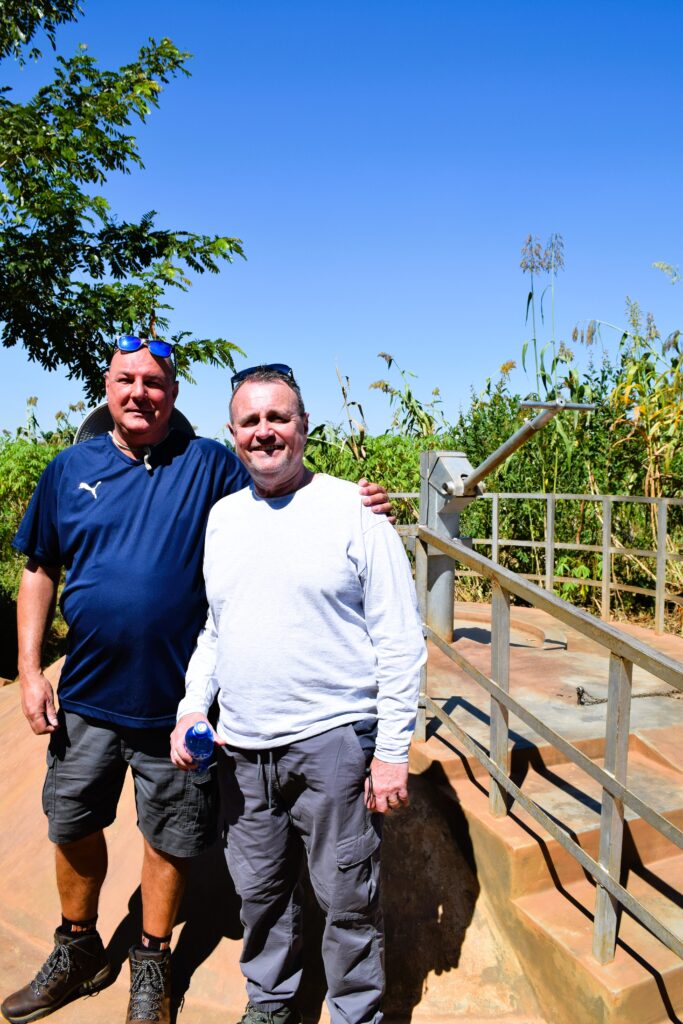
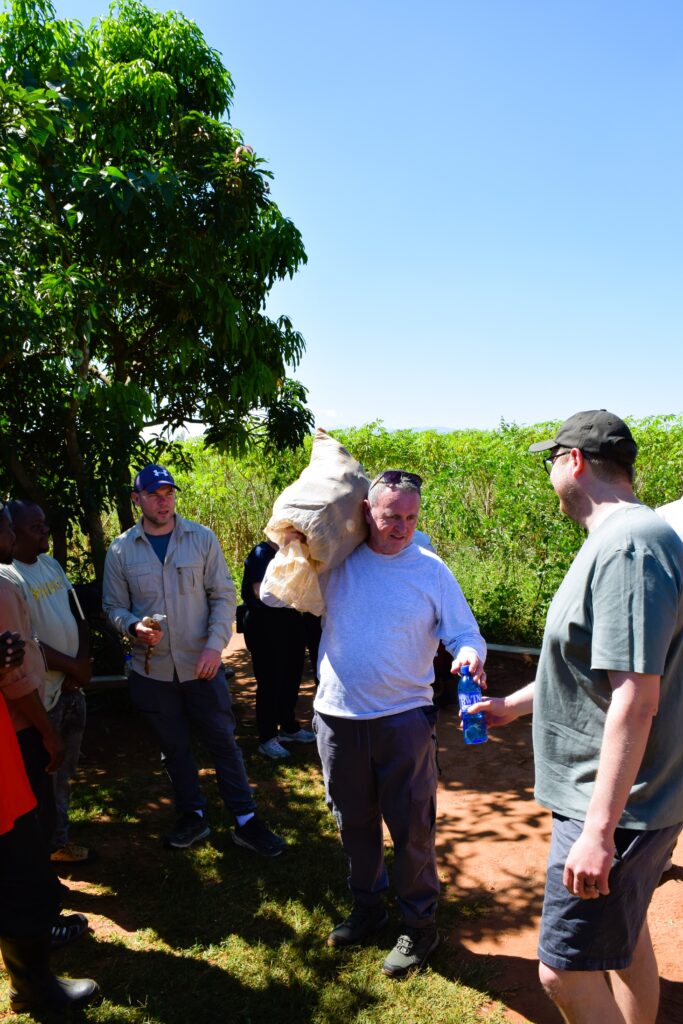
The team also joined the Walk for Water initiative, walking six kilometres alongside local communities to reflect the average daily reality many women and girls face when collecting water for their households. Containers carried during these journeys can weigh up to 20 kilograms when full.
For many families, these journeys are completed multiple times each day, often limiting time available for education, childcare, work, and household responsibilities.
Walking the route first-hand provided a deeper understanding of the physical and emotional impact unreliable water access can have on communities when local pumps fail or safe water sources are too far from home.
UNICEF reports that household taps and toilets can save women between two and three hours each day previously spent collecting water and washing clothes at rivers. That time can then support education, childcare, work, and household stability.
Local Knowledge and Long-Term Partnerships
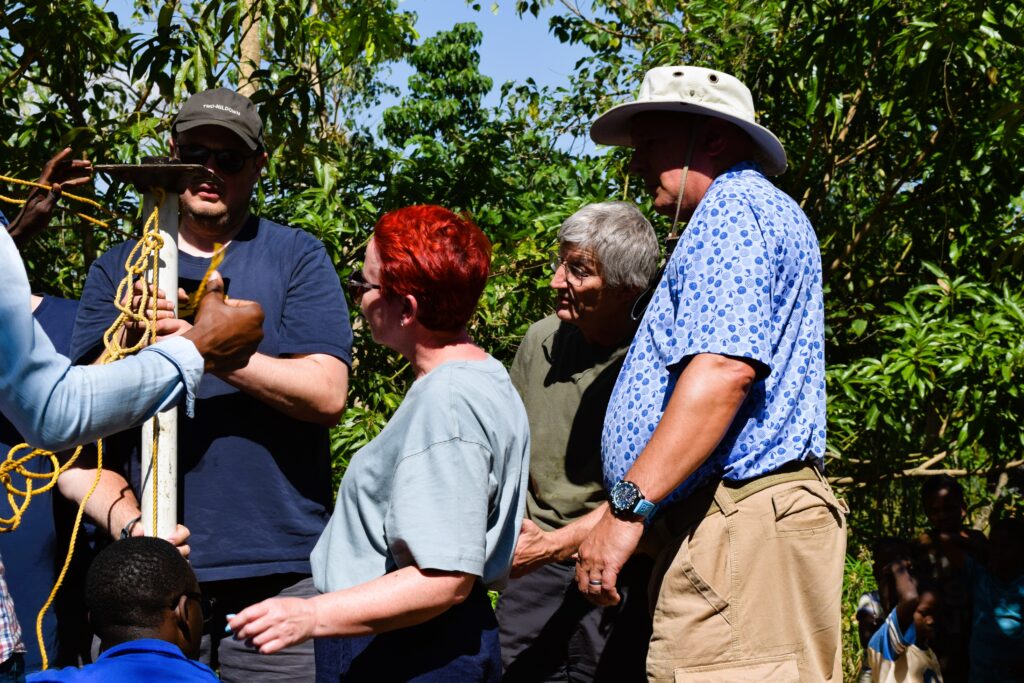
During the visit to the Madzi Alipo pump repair programme in Chikwawa, Martyn and Robert spent time with local mechanics and programme teams learning how community-led maintenance networks are helping keep water systems operational long-term. The programme has repaired more than 3,000 community pumps to date, helping reduce breakdown times and improve reliable access to safe water across rural communities.
The visit also explored the close connection between water access, conservation, and reforestation. Tree planting, riverbank protection, and climate-smart agriculture are helping strengthen environmental resilience while protecting the water systems communities depend on every day.
Seeing the impact of these projects first-hand completely changes your understanding of what access to clean water really means. Communities showed us how reliable water sources, better farming methods, and practical local solutions are improving health, education, and daily life across Malawi. What stayed with me most was the resilience and positivity of the people we met, despite the challenges they face every day.
-Martyn Stockwin, Business Director
The visit to Malawi was incredibly powerful and gave me a much deeper understanding of the challenges many communities face every day accessing clean water and sanitation. It’s changed the way I think about simple things we often take for granted, and reinforced how important it is that we use our role and scale as a business to help drive meaningful, lasting impact.
-Robert Jessey, Operations Director
Turning Scale into Measurable Impact
The visit reinforced the importance of programmes designed for long-term sustainability, combining infrastructure investment with local training, knowledge, maintenance, and environmental protection.
Since 2006, The One Foundation and its partners have helped change the lives of more than five million people through water, sanitation, and hygiene programmes across Africa.
With Angel Hill Food Co. targeting the sale of one million One Water bottles during 2026, the partnership continues to focus on creating measurable, lasting impact for communities most affected by water insecurity.