Executive Summary
Kings Norton Girls’ School is an all-girls academy school and sixth form in Birmingham for students aged 11–19. They welcome around 1,100 students and according to the Parent Power Guide, it’s ranked among the top secondary schools in Birmingham. Kings Norton Girls’ School appointed Angel Hill Food Co. in 2024 to focus on optimising its catering service, which was facing challenges such as high food costs, significant waste, low student engagement, and slow service times.
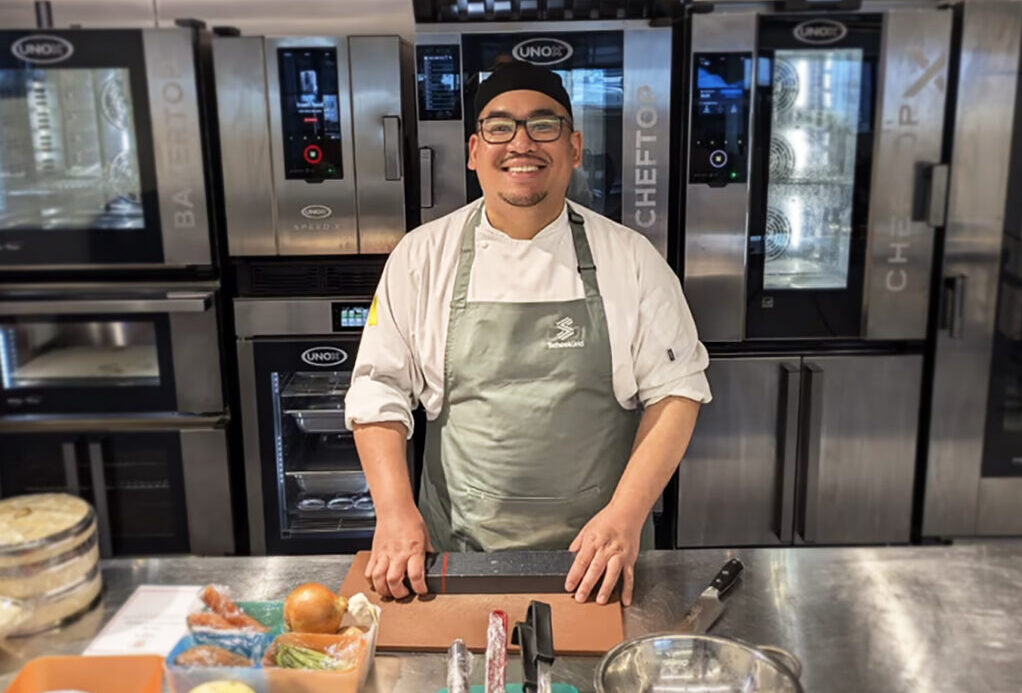
Led by Catering Manager Andre Alto, we implemented a refreshed approach focused on cost control, food quality, staff training, and student engagement. A 12-month food calendar, themed events, reduced packaging, and stronger collaboration with students, parents, and school staff helped transform the dining experience and support a healthier, more sustainable food culture.

The Brief
The catering service at the school faced many challenges left over from the incumbent service provider including:
- High food costs and significant food waste (affecting profitability)
- Poor communication between the kitchen team and school staff, leading to a lack of motivation in the kitchen.
- Service times were also causing delays and student-parent dissatisfaction
- Low student engagement
The Outcome
Providing nutritious, fresh, and diverse meals in schools is crucial for several reasons, including promoting healthy eating habits and addressing food insecurity. In 2024, Clare Skinner, Business Manager at Kings Norton Girls’ School, appointed Angel Hill Food Co. to optimise their catering service. Our Angel Hill Food Co. team, led by Catering Manager Andre Alto, set to work implementing interventions. These interventions spanned the food supply chain to supercharge our service.
Andre implemented a system to monitor food expenditures to revitalise the catering service. He collaborated with suppliers and the purchasing team to ensure optimal price and quality. He also trained kitchen colleagues on portion control and food preparation techniques. These measures led to a noticeable reduction in food costs and waste, improving the profit margin.
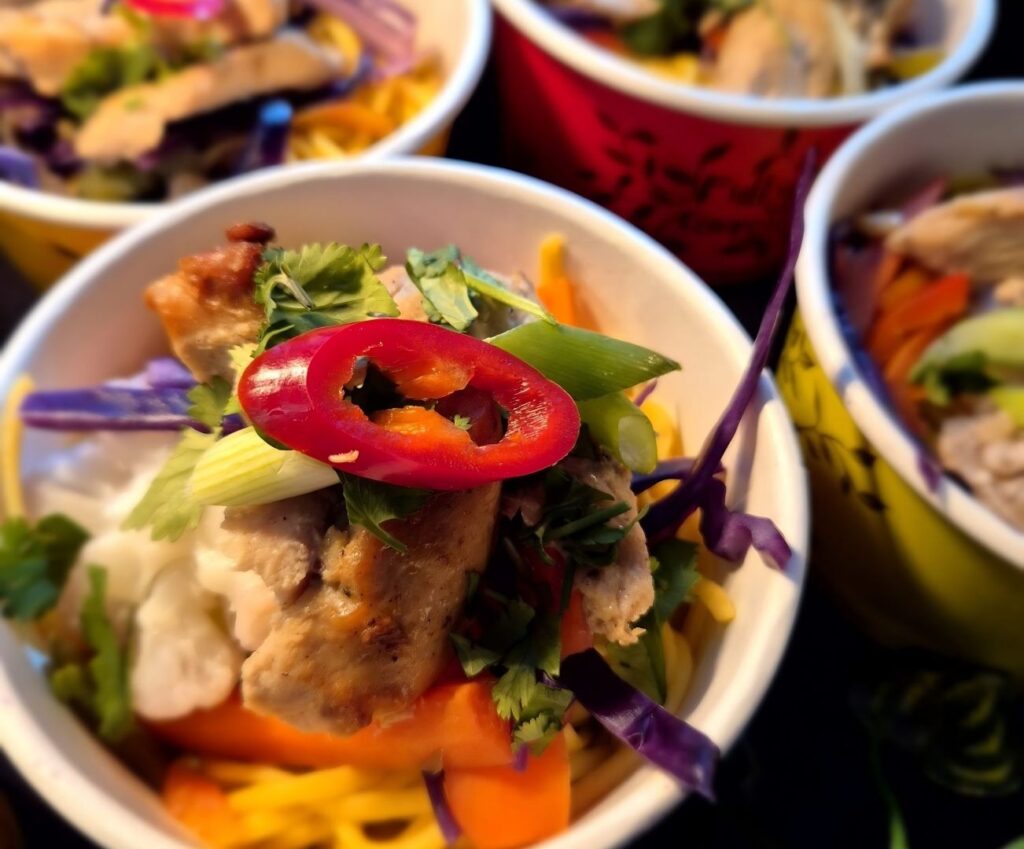
A 12-month food plan was presented to the school, featuring an exciting calendar of events to engage students and sixth-formers. The plan introduced new recipes and raised awareness of key food campaigns promoting healthy eating. Calendar highlights included Build Your Own Burrito Day and the Academy Cookery Show. Special catering efforts were also made for families attending the school’s theatre performances.
These changes significantly boosted student engagement and school spirit. Overall, it not only drove sales but sparked a positive shift in school culture.
BEST Outcomes
Best Experiences: Collaborative planning with students and parents created a more inclusive and enjoyable dining experience, boosting engagement and school spirit.
Best Productivity: Delegating kitchen responsibilities based on individual strengths led to faster service, improved food quality, and greater team efficiency.
Best Practices: Introducing regular audits and aligning menus with the seasonal food plan ensured consistent quality and nutritional balance.
Best Resilience: The kitchen team adapted quickly to new systems and embraced continuous improvement, even under pressure, maintaining high standards throughout.
Best Outcomes: The combined efforts resulted in a 15% uplift in daily sales and a 91% audit score, highlighting the transformation of the entire catering provision.