Men’s Health Month: How Angel Hill Food Co. puts Wellbeing on the Menu

Men’s Health Month in November highlights the role that everyday habits play in physical and mental wellbeing. For workplaces and catering teams, it also creates an opportunity to consider how food provision can help people make informed choices throughout the working day.

Angel Hill Food Co. recognises that workplace catering has a practical role to play in supporting wellbeing. Menu development, the availability of balanced meals and clear nutrition information can help customers provide food that meets the needs of their workforce, while making healthier options accessible and appealing.

Putting Nutrition into Practice

A balanced diet provides the foundation for good health. Meals containing fibre-rich carbohydrates, a variety of protein sources, healthy fats, fruit and vegetables can support energy levels, digestive health and overall wellbeing.

For catering teams, this means considering how nutritional principles translate into everyday menus. Wholegrains, oats, beans, lentils and vegetables can increase fibre intake. Eggs, fish, poultry, lean meat, dairy and plant-based proteins provide options to support muscle maintenance and repair. Nuts, seeds, avocado, oily fish and vegetable oils can contribute healthier fats.

Angel Hill Food Co. can bring these considerations into menu planning by offering variety across meals and snacks, with options that suit different tastes, routines and dietary needs. The aim is to make balanced choices part of the normal catering offer, rather than something customers have to seek out separately.

Making Healthier Choices Work for Customers

Workplace catering needs to work in practice. Food must be appealing, convenient and suitable for the environment in which it is served. Nutrition is one consideration alongside flavour, value, consistency and the needs of the people using each site.

Men’s Health Month provides a useful prompt for catering teams to review the choices available across menus and food-to-go ranges. Options could include protein overnight oats, Greek yoghurt, eggs, wholegrain bowls, salads with chicken, tuna, prawns or pulses, and snacks such as fruit, roasted chickpeas, carrots and hummus.

Recipe development also provides opportunities to increase fibre, measure salt and oils carefully, and manage added sugar. These are practical steps that can support a more balanced food offer while giving customers a range of choices throughout the day.

Supporting Heart and Muscle Health

Nutrition can contribute to heart health and muscle maintenance when it forms part of a wider healthy lifestyle.

Fibre-rich foods, including wholegrains, beans, pulses, fruit and vegetables, can help support heart health. Choosing unsaturated fats in place of foods high in saturated fat, managing salt intake and staying physically active are also important considerations.

Amy Teichman, Head of Nutrition at Angel Hill Food Co., explains:

Protein helps maintain and repair muscle. Eggs, yoghurt, fish, chicken, lean meat, beans and lentils offer catering teams a range of ingredients to use across breakfast, lunch and snacks. Our nutrition approach translates this information into accessible menu choices, supported by recipes and clear information that helps people understand what is available.
Wellbeing Extends Beyond the Plate

Food is one part of the wider picture. Sleep, physical activity, mental wellbeing and access to appropriate health advice all contribute to health over time.

Most adults should aim for around seven to nine hours of sleep each night. Regular movement, consistent sleep routines and staying connected with others can also support wellbeing. Men’s Health Month is an opportunity to encourage open conversations about mental health and remind people that seeking support is an important part of looking after themselves.

Health checks matter, too. High blood pressure and cholesterol can have no obvious symptoms, so routine checks can help identify potential concerns. Catering teams can contribute to a wider wellbeing culture, while recognising that medical advice and health screening sit with qualified healthcare professionals.

Vitamin D is another consideration during the UK autumn and winter. Adults are commonly advised to consider a daily 10 microgram supplement during these months. Supplements should complement a balanced diet, with additional products used where there is a clear need or professional advice.

Turning Awareness into Action Across Catering Sites

Campaigns such as Men’s Health Month give catering teams a reason to bring nutrition messages to the forefront and engage customers in practical ways.

Angel Hill Food Co. sites can draw on the campaign’s available Goodness recipes, posters, digital-screen content, health-claim cards and takeaway information sheets. The Nutrition Team can also support workshops and pop-up activities, helping colleagues bring the topic to life through food, conversation and useful information.

Sites can develop their own heart-health recipes and share activity on Viva Engage, creating opportunities for colleagues to exchange ideas and learn from what works in different settings.

For customers, this kind of activity can support wider workplace wellbeing priorities and help make nutrition part of the everyday experience of catering. It also gives catering teams a practical way to connect menu choices with the needs and interests of the people they serve.

A Practical Role in Everyday Wellbeing

Men’s Health Month is a reminder that health is influenced by a range of everyday choices. For Angel Hill Food Co., it is an opportunity to consider how menu planning, nutrition knowledge and customer engagement can help make balanced food choices easier to access.

By bringing these considerations into the catering offer, Angel Hill Food Co. can support customers’ wellbeing priorities while continuing to focus on food that is enjoyable, practical and suited to the people eating it.


From Army Apprentice Chef to Catering Leader: Shane Gautry’s Story of Service

Shane Gautry has spent much of his working life making sure people are supported through food. Before becoming Group Manager Catering at Angel Hill Food Co., he served 24 years in the British Army, progressing from apprentice chef to Warrant Officer Class 1 and Brigade Catering Warrant Officer. His military career took him across Europe, Central America and Northern Ireland, with responsibilities that grew from learning his trade to advising senior military leadership on catering operations.

As Remembrance Day approaches, Shane reflects on a career built around service, the lessons he carried into civilian life and the pride he takes in the people and responsibilities that have shaped his journey.

A Career that Began with a Love of the Army and Food

Shane knew from an early age that he wanted to join the Army. He attended cadets as a young man, and when the opportunity came to train as a chef, he saw a way to bring two interests together.

I wanted to follow in my mum’s footsteps and decided I could do both this way.

He joined the Army in 1981 and qualified as a chef in 1983. Training combined learning to cook with the discipline and practical demands of becoming a soldier. For Shane, developing his catering skills was part of a much wider commitment to military life.

His career progressed through a series of postings and promotions, including roles with the Parachute Regiment, the Royal Gurkha Rifles and the Royal Artillery. He also served in Rwanda during the 1994 genocide and spent time in Belize, where he became Master Chef.

One of the most significant milestones came when Shane reached Warrant Officer Class 1, the highest warrant officer rank in the Army. He remembers being a cheeky young man who had once been told he would go nowhere in the Army.

Being told I would go nowhere, then reaching the top of my trade, is probably the moment I am proudest of.

His progression reflects the experience and responsibility he built over more than two decades of service, alongside the medals and awards he received during his career.

Catering Wherever the Job Takes You

Military catering presented a wide range of challenges. Shane worked across different countries and environments, each with its own cultural expectations, supply arrangements and operational demands.

Understanding the people being served was essential. So was planning ahead, particularly when access to ingredients and supplies was limited.

Shane recalls his time in Belize, where food had to be ordered six months in advance because of the location. Catering teams had to anticipate requirements carefully and improvise when circumstances called for it.

There were many challenges as we served in many countries. We had to embrace everybody’s culture and beliefs. There were also the demographics of where you could be posted and issues with supply and demand, so a lot of improvisation was required.

These experiences gave Shane a practical understanding of what it takes to deliver catering in complex operating environments. Menus and supplies needed careful planning, while teams had to remain flexible enough to respond to changing circumstances and the needs of the people they supported.

Those considerations remain relevant to his work today, where catering services must respond to different sites, customer expectations and operational requirements.

Responsibility, Standards and Looking After People

As Shane progressed from apprentice chef to Brigade Catering Warrant Officer, his responsibilities changed significantly. He moved from learning the fundamentals of his trade to becoming a subject matter expert, advising a one-star General on catering matters.

The role demanded detailed knowledge of catering regulations and a clear understanding of the standards expected across the service. It also meant recognising the responsibility that came with that knowledge, including protecting colleagues and the organisation from fraud and misconduct.

Shane sees clear links between the training he received in the Army and the standards expected in business today. He points to the importance of ethical decision-making, structured training and following the right processes, including areas such as bribery and corruption.

He also credits his military background with developing a logical and organised approach to work. Planning carefully, managing competing priorities and thinking clearly under pressure are skills he continues to draw on when supporting site operations and mobilisations at Angel Hill Food Co.

I believe the training I received during my military service has enabled me to reach the standards and professionalism I use when approaching tasks such as mobilisations and running the sites that I look after.

For Shane, these skills are most valuable when they help teams deliver consistently and meet the responsibilities placed on them. His experience provides a foundation for approaching operational challenges methodically, while working with colleagues to keep services running to the required standard.

What Remembrance Day Means to Shane

For Shane, Remembrance Day is an opportunity for people who have served and those who have not to recognise the lives lost in conflict, as well as those who continue to make sacrifices in the hope of world peace.

He also sees it as a time to reflect on the devastating effects of war and the experiences of those who have lived through it.

Over the years, Shane has visited war memorials and taken part in battlefield tours, hearing first-hand accounts of courage, sacrifice and the experiences of service personnel. These visits have strengthened his appreciation of the people behind the histories being remembered.

He encourages others to visit battlefields and memorials to hear these stories for themselves and gain a deeper understanding of the people and events they commemorate.

His reflections bring a personal perspective to Remembrance Day, shaped by 24 years in the Army and the people he encountered throughout his service.

A Lasting Sense of Pride

Shane completed his military career in 2005, exactly 24 years after joining. Since then, he has continued working in catering, bringing the experience and standards developed during his service into his role at Angel Hill Food Co., where he is Regional Group Manager for East Anglia and the Home Counties.

Looking back, he remains proud of the journey from a young apprentice chef to reaching the highest warrant officer rank in his trade. His medals and awards are important reminders of that time, but so too is the knowledge that he served and earned the respect associated with that commitment.

His story also highlights the role catering plays in supporting people. Across military and civilian settings, good catering relies on planning, professional standards, adaptability and an understanding of the people being served.

This Remembrance Day, Shane’s reflections offer a reminder of the experiences carried by those who have served, and of the skills, values and sense of responsibility they continue to bring to their working lives.

National School Meals Week: Preparing for the Next Chapter of School Food

School meals play an important role in children’s health, wellbeing and readiness to learn. During National School Meals Week, the sector has an opportunity to recognise that contribution and look ahead to the changes shaping school food provision across England.

For schools and caterers, the coming months will bring important decisions about funding, free school meal eligibility and the standards that govern what children are served. These changes will affect budgets, menus, procurement and day-to-day service delivery, making early planning and close collaboration increasingly important.

Recent discussions through The School Food People, including a South West regional meeting hosted by Angel Hill Food Co. Operations Manager Rob Cass, have highlighted the practical questions facing schools and catering teams as the sector prepares for the next stage.

For education customers, the priority is clear: understand what is changing, plan for the operational impact and continue delivering nutritious, appealing meals that meet pupils’ needs.

Free School Meal Eligibility is Expanding

From the start of the 2026/27 academic year, free school meal eligibility in England has expanded to all children in households receiving Universal Credit, regardless of household income. The Department for Education estimates that more than 500,000 additional children will become eligible.

The expansion has implications for school budgets, meal uptake and catering capacity. Schools and their catering partners will need to understand how pupil numbers and demand are changing, while ensuring that services remain properly planned and resourced.

For the 2026/27 academic year, funding for the expanded entitlement is being provided through an FSM expansion grant covering September 2026 to March 2027. The grant is calculated using the difference in eligible pupil numbers between the October 2025 and October 2026 censuses. Allocations are due to be published in February 2027, with payments made to maintained schools through local authorities in February and to academies in March.

This timetable means schools must manage provision during the academic year while awaiting confirmation of their grant allocation. Open communication between schools and caterers will be important when reviewing expected meal volumes, staffing, food purchasing and service requirements.

New School Food Standards will Shape Future Menus

Changes to the School Food Standards are also on the horizon.

Following consultation, the Department for Education published updated guidance on 14 September 2026. Subject to Parliamentary approval, revised mandatory standards are expected to come into force from September 2027. The changes are intended to reflect the latest government dietary recommendations and include specific standards for breakfast provision.

Some secondary school requirements, including those relating to healthier drinks, cheese and pulses, are expected to apply from September 2028.

The implementation timetable gives schools, caterers and suppliers time to prepare. It also creates an opportunity to review menus, ingredients and processes well ahead of the changes taking effect.

For catering teams, the work involves translating the requirements into practical menus that meet nutritional standards and appeal to pupils. Menu development needs to take account of the school community, the ingredients available, kitchen capacity and the resources required to deliver meals consistently.

The Department for Education has also indicated that further guidance will cover implementation, school food governance and transparency, including expectations around school food policies and menus. Schools and catering partners will need to keep these developments under review as further details emerge.

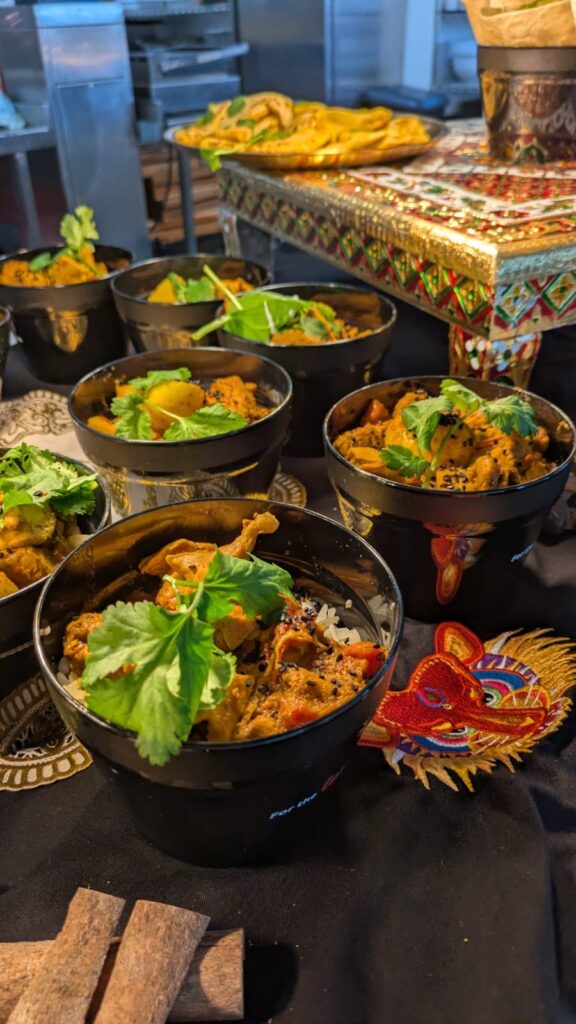
Asian Pots at Kings Norton Girls School

Early Planning Helps Schools Manage Change

The combined impact of expanded free school meal eligibility and revised food standards makes the next 12 to 18 months an important planning period for education customers.

Schools will need to consider how changes affect their budgets, meal uptake, menus and procurement. Catering teams will need to assess the operational implications, from food volumes and staffing to kitchen capacity and service arrangements.

Working through these questions early gives schools and caterers more time to identify practical solutions, understand potential pressures and prepare for implementation.

At Angel Hill Food Co., our education teams work across menu development, nutrition and operational delivery to help schools provide food that supports children’s health, wellbeing and ability to learn. Close collaboration with education customers helps ensure that decisions reflect the needs of each school and the realities of its catering service.

Listening to Schools and the Wider Sector

Rob Cass’s involvement with The School Food People helps maintain a connection to discussions taking place across the school food sector. Engagement with sector organisations, education teams and customers provides insight into the challenges schools are working through and the questions that need practical answers.

That understanding matters as funding arrangements and food standards evolve. Schools need catering partners who can work with them on the detail, from assessing the impact of changing meal numbers to reviewing menus and preparing for new requirements.

National School Meals Week is an opportunity to recognise the contribution school food makes every day, while looking ahead to the decisions that will shape its future.

For schools, now is the time to review the changes, consider what they mean for their individual provision and start conversations with their catering partners.

Angel Hill Food Co. will continue working with education customers to help them prepare for the changes ahead and deliver nutritious, appealing school meals that support pupils and the wider school community.