Big Carbon Kick Out: A Conversation with Matt Vernon

As pressure mounts on the food and hospitality sector to reduce environmental impact, the role of catering has never been more critical. Food sits at the intersection of sustainability, nutrition and human behaviour – and change at scale can only happen if solutions are practical, appealing and commercially viable.

Big Carbon Kick Out was created to address exactly that challenge. Rather than asking customers to change what they eat, the initiative focuses on rethinking how familiar, high-volume dishes are made – delivering meaningful carbon reduction without compromising on flavour, nutrition or experience.

We sat down with Matt Vernon, Executive Development Chef, to explore the thinking behind Big Carbon Kick Out, the data driving decisions, and why small changes applied consistently can deliver industry-level impact.

Matt, what problem was Big Carbon Kick Out designed to solve?

Matt Vernon:

We were seeing a real gap between sustainability ambition and what actually works in catering environments. There’s a lot of pressure to ‘do something green’, but often that results in niche menus or bolt-on initiatives that don’t scale.

Big Carbon Kick Out was designed to close that gap. Instead of asking customers to change their behaviour, we focused on changing the food itself – improving the dishes people already choose every day. That’s where scale, and therefore real impact, comes from.

Why was it important to focus on everyday dishes?

Matt Vernon:

Familiarity drives uptake. If you want carbon reduction to work at scale, you have to work with human behaviour, not against it.

When people recognise a dish and trust it, they order it without hesitation. That gives us an opportunity to reduce carbon quietly and consistently, without turning sustainability into a barrier or a ‘worthy choice’. The customer just experiences good food – and the impact happens in the background.

How did nutrition and data shape the development process?

Matt Vernon:

Nutrition was central from day one. We worked very closely with our nutrition team to ensure that any carbon reduction didn’t come at the expense of nutritional balance.

A lot of carbon impact sits in meat and dairy, so we focused on where those ingredients could be reduced or rebalanced responsibly. That doesn’t mean removing protein or satisfaction – it means rebuilding dishes intelligently using pulses, vegetables and technique to deliver the same experience in a lower-carbon way.

Can you share a clear example of the impact this approach delivers?

Matt Vernon:

Lasagna is one of the best examples because it’s a classic, high-volume dish. By reducing animal products by around 30% in our lasagna recipe, we saved approximately 162 kilos of carbon emissions per 100 portions.

To put that into perspective, that’s the equivalent of driving a petrol-powered car from London to Milan – from a single recipe change. When you apply that level of thinking across multiple everyday dishes, the cumulative impact becomes genuinely significant.

What has Big Carbon Kick Out achieved so far at scale?

Matt Vernon:

So far, we’ve served more than 3,000 Big Carbon Kick Out dishes, resulting in a saving of around 3,724 kg of CO₂e. That’s roughly the equivalent of driving over 9,500 miles in a petrol-powered car.

What’s important is that this impact hasn’t come from one big intervention. It’s come from lots of small, smart changes applied consistently. That’s the model we believe in – because it’s sustainable operationally as well as environmentally.

How are chefs responding to this way of working?

Matt Vernon:

Really positively. Big Carbon Kick Out respects the craft of cooking. It challenges chefs to think differently about ingredients and technique, but it doesn’t limit creativity or strip dishes back.

Once chefs see that customers still enjoy the food – sometimes even more – confidence grows quickly. It becomes something they feel proud of, not something they feel restricted by.

And how does this land with customers?

Matt Vernon:

That’s the real test – and it’s where the initiative has been most successful. Customers aren’t being asked to make a conscious ‘green choice’. They’re simply enjoying food that tastes great and feels familiar.

Sustainability becomes effortless. There’s no compromise, no lecture, no sense of loss – just better food with a lower footprint.

Looking ahead, what’s the next evolution of Big Carbon Kick Out?

Matt Vernon:

We’re continuing to expand the programme through new recipes, ingredient innovation and supplier partnerships. In some cases, we’re exploring ways to reduce animal products by up to 50%, while still delivering flavour, nutrition and satisfaction.

The ambition is for Big Carbon Kick Out to become a normal way of thinking about food – not a campaign, but a long-term framework for responsible, flavour-first catering.

From Initiative to Mindset

Big Carbon Kick Out demonstrates that carbon reduction in catering doesn’t have to be disruptive or restrictive. By focusing on everyday dishes, grounding decisions in nutrition and data, and empowering chefs to innovate within familiar formats, Angel Hill Food Co. is showing how sustainability can be embedded into daily operations – quietly, confidently and at scale.

For the wider catering industry, the message is clear: real change doesn’t always come from radical reinvention. Often, it comes from doing the basics better, more thoughtfully, and more consistently.

And when that happens, the impact speaks for itself.

Growing Sustainability: Angel Hill Food Co. Brings Hydroponic Farming into the Workplace

As the food service landscape evolves, so too does the way we think about where our ingredients come from and how they are grown. Angel Hill Food Co. is embracing this shift with an exciting innovation that brings Hydroponic Farming directly into workplace environments – blending sustainability, education and fresh flavour into everyday catering experiences.

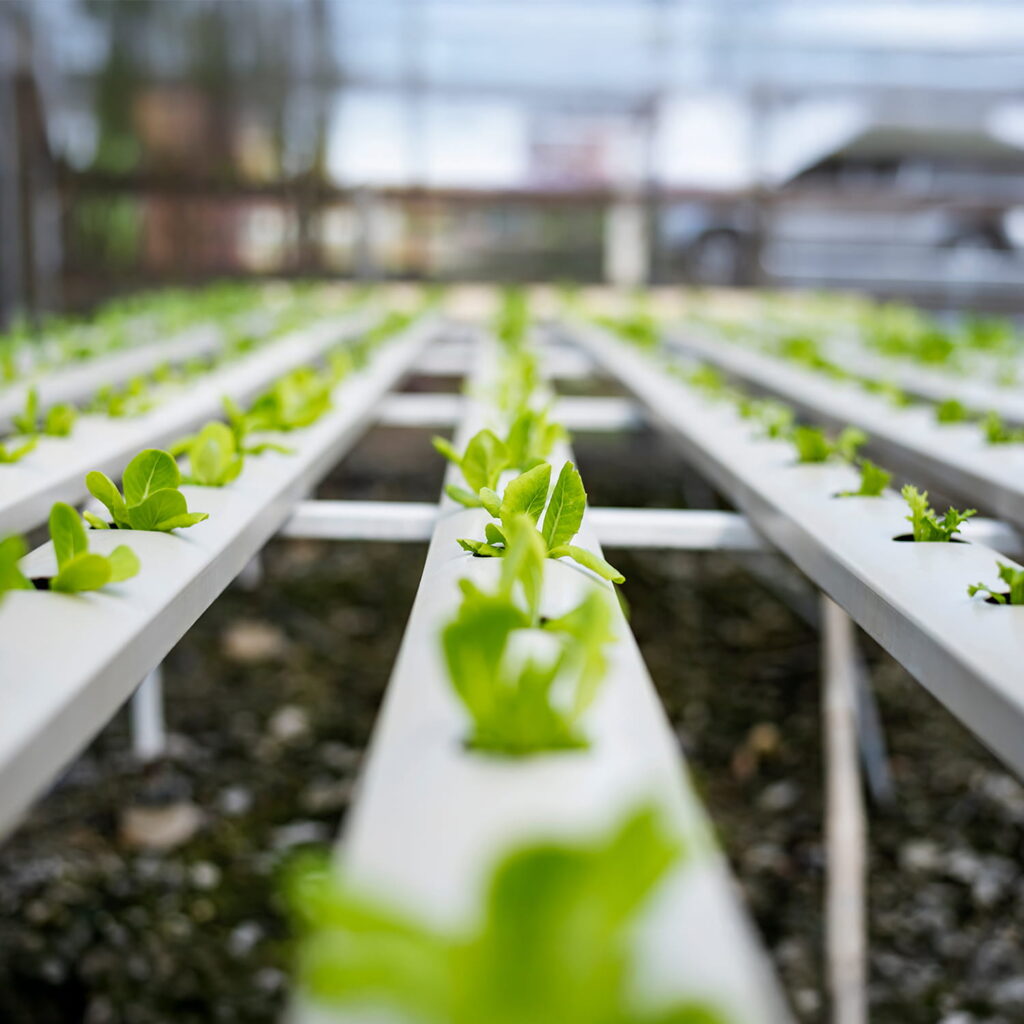
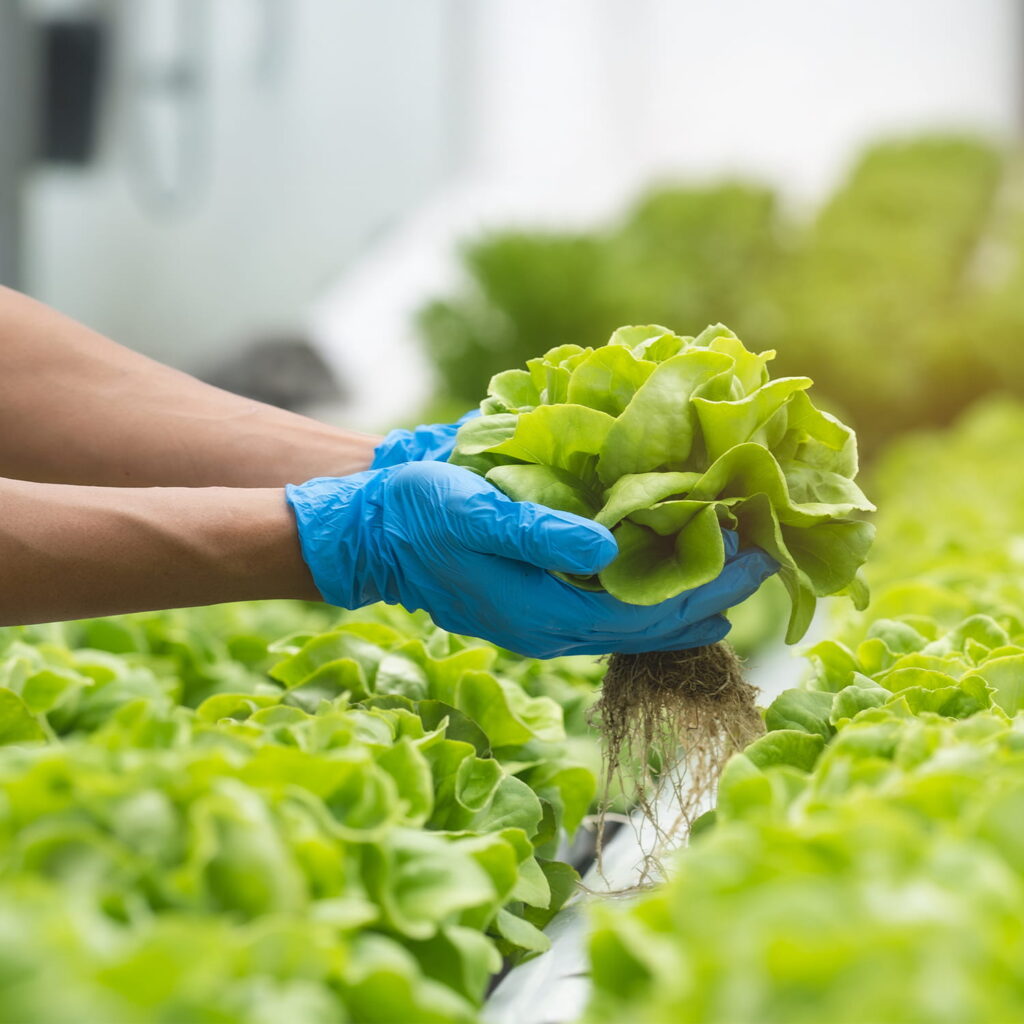
Hydroponic farming is a soilless cultivation method that allows plants to grow in a nutrient-rich water solution, using significantly less water and space than traditional agriculture. This controlled technique supports year-round production of fresh herbs and greens, making it an ideal fit for indoor environments such as offices, corporate sites and busy workplace hubs.

A New Kind of Workplace Garden

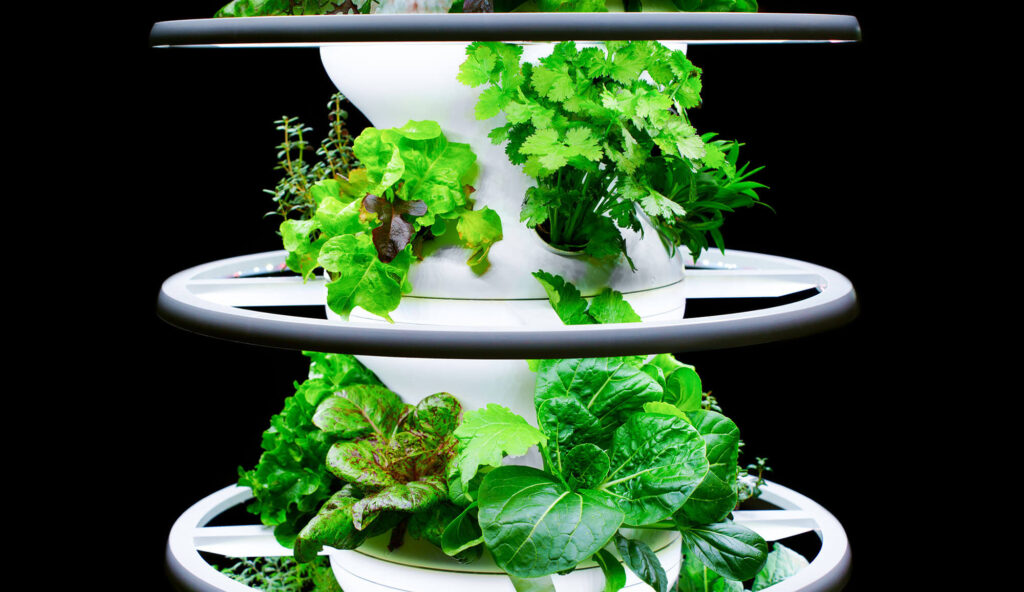
Angel Hill Food Co. has installed hydroponic farming pods at selected customer sites, transforming underutilised indoor spaces into vibrant micro-farms. These installations cultivate fresh produce – such as lemon basil, parsley and rainbow chard – that can be used directly in kitchen preparations or enjoyed by colleagues at harvest events. 

The hydroponic units are designed to operate independently of weather and seasonal constraints, ensuring a consistent supply of fresh greens year-round. This means workplaces can enjoy the benefits of fresh, locally grown produce regardless of outdoor conditions.

Sustainability Meets Engagement

Beyond supplying fresh ingredients, hydroponic farms spark meaningful conversations about Hydroponic Farming, nutrition and environmental stewardship. Colleagues are invited to observe plant growth, participate in harvest events, and even take part in workshops on growing food at home – all of which foster a deeper connection to the food they eat and the ecosystems that support it. 

These interactive initiatives have a dual purpose. Not only do they promote sustainability and wellbeing, but they also strengthen team cohesion and workplace culture. Seeing food grow from seed to plate encourages people to think differently about their relationship with food and sustainability – transforming what might be a passive catering experience into an active learning opportunity.

Bringing Freshness to the Community

Angel Hill Food Co.’s hydroponic farming project extends beyond the kitchen. The produce grown through these systems is being coordinated for donation to local charities, food banks and healthcare facilities, meaning the positive impact reaches community members who need fresh produce most. 

By linking workplace sustainability with community support, the initiative reinforces Angel Hill Food Co.’s commitment to responsible sourcing, social value and environmental stewardship – ensuring that innovation benefits people as well as the planet.

The Benefits of Hydroponic Farming

Hydroponic systems offer distinct advantages over conventional agriculture. They use significantly less water – in some cases up to 90-95% less – and eliminate the need for soil, pesticides and long-distance transportation. This not only reduces environmental impact but also enhances food freshness and safety. 

In addition, hydroponic farms can be scaled vertically or horizontally to fit diverse indoor spaces, making them highly adaptable to workplace environments without requiring extensive land or outdoor access.

A Fresh Approach to Workplace Wellbeing

Angel Hill Food Co.’s adoption of hydroponic technology is more than a sustainability statement – it’s a demonstration of how catering can evolve to meet the health, environmental and social expectations of modern workplaces.

By bringing hydroponic farming into corporate spaces, Angel Hill is not just growing produce; it’s cultivating awareness, encouraging healthier eating habits and inspiring colleagues to think differently about food systems.

As workplace dining increasingly aligns with wellness and sustainability goals, initiatives like this position Angel Hill Food Co. as a forward-thinking partner in creating healthier, greener, and more engaging food experiences – one leaf at a time.