Innovation on the Plate: A Conversation with Chris Ince, Chef Director

Innovation has become a defining force in modern food service. As expectations rise across workplace dining, caterers are being challenged to deliver food that is creative, relevant, responsible and operationally sound. At Angel Hill Food Co., catering innovation is not a trend-driven exercise – it is a disciplined, collaborative approach to shaping the future of food at work.

We sat down with Chris Ince, Chef Director, to explore what innovation really means in today’s catering landscape, how ideas are brought to life, and how Angel Hill continues to innovate catering in ways that matter to customers and colleagues alike.

Chris, what does “innovation” actually mean in a catering context today?

Chris Ince:

For me, innovation in catering is about progress, not novelty. It’s easy to chase trends, but real innovation solves problems for customers and improves how food performs in a live environment. That might mean improving nutritional balance, reducing carbon impact, speeding up service, or making food more accessible to different audiences.

True catering innovation balances creativity with consistency. If an idea can’t be delivered at scale, or doesn’t resonate with customers, then it isn’t innovation – it’s just experimentation.
Where does innovation start at Angel Hill Food Co.?

Chris Ince:

It always starts with listening. We listen to our customers, our site teams and our chefs. They are closest to the reality of service – they know what customers ask for, what sells, and what causes friction.

From there, ideas are developed collaboratively. We test concepts in real kitchens, refine them based on feedback, and pressure-test them operationally. That process ensures we innovate catering in a way that works day in, day out – not just on paper.

How do you balance creativity with operational delivery at scale?

Chris Ince:

That’s one of the biggest challenges in food service. You can create the most exciting dish in the world, but if it slows service, requires specialist skills, or creates waste, it won’t succeed in a workplace setting.

Our approach to catering innovation is rooted in practicality. We look at ingredient availability, preparation time, training requirements and equipment from the outset. Creativity has to live within those parameters – and often that’s where the best ideas emerge.

Innovation is often associated with new flavours – but is that enough to deliver real progress in catering?

Chris Ince:

Flavours are important, but innovation goes far beyond that. Some of the most impactful changes happens quietly – reformulating recipes, improving sourcing, or redesigning formats to suit how people actually eat at work.

For example, improving a familiar dish by lowering its carbon footprint or enhancing its nutritional profile without changing the eating experience is a powerful way to innovate catering. Customers still get what they love, but with added value behind the scenes.

How does sustainability influence catering innovation across modern food service?

Chris Ince:

Sustainability is inseparable from innovation now. Any new concept or recipe has to be assessed through environmental, nutritional and commercial lenses. Our Big Carbon Kick Out programme is a great example – it challenges us to rethink everyday dishes and make smarter ingredient choices that reduce impact without sacrificing flavour.

This isn’t about telling customers what they should eat. It’s about making better choices the default, so sustainability becomes effortless.

How do you encourage chefs to innovate?

Chris Ince:

Culture is everything. Chefs need structure, but they also need trust. We give our teams clear frameworks and objectives, then empower them to explore ideas within those boundaries.

Initiatives like our Culinary Classroom bring chefs together to share knowledge, test concepts and learn from one another. When people feel invested and heard, innovation becomes part of everyday thinking – not something reserved for special projects.

What role does customer insight play in innovation?

Chris Ince:

A huge one. Innovation only succeeds if customers buy into it. That’s why we involve them early – through tastings, trials and feedback loops.

When customers help shape the outcome, adoption is faster and confidence is higher. That’s how we innovate catering with relevance, rather than assumption.

Looking ahead, what excites you most about the future of catering innovation?

Chris Ince:

The opportunity to rethink formats and experiences. As workplaces evolve, food needs to work harder – it has to be flexible, engaging and meaningful.

Whether it’s street-food-inspired concepts, smarter grab-and-go options, or reimagined classics, the future of catering innovation lies in blending creativity with insight. If we stay curious, collaborative and grounded in reality, there’s enormous potential ahead.

A Considered Approach to Innovating Catering

Innovation is not about reinvention for its own sake. It’s about thoughtful progress – improving how food tastes, how it’s delivered, and how it supports people and the planet.

By embedding catering innovation into everyday thinking and continuing to innovate catering through collaboration and insight, Angel Hill Food Co. is shaping a future where workplace food is not just served – it’s genuinely valued.
Shaping Better Food Experiences Through Nutrition

We believe food should do more than fuel the day. It should support wellbeing, productivity and enjoyment — wherever people work, learn or connect. That belief sits at the heart of our approach to Nutrition, Healthy Catering and Workplace Nutrition.

To bring this to life, we spoke with Amy Teichman, our Nutrition and Development Lead, about how Angel Hill Food Co. is reshaping food experiences through evidence-based nutrition, data-led insight and a deep understanding of how people eat today.

Why Nutrition Matters in Modern Catering

Nutrition is no longer a “nice to have”. Across workplaces, education settings and public-facing environments, people expect food that supports both physical and mental well-being – without compromising on taste.

Our role as a caterer has changed,” Amy explains.

“Customers don’t just want great food – they want reassurance. They want to know it’s balanced, responsibly sourced and aligned to how people actually live and work.

This shift has placed Healthy Catering at the centre of service design. From portion balance and ingredient quality to allergen transparency and dietary inclusion, nutrition now underpins every menu decision we make.

Amy Teichman – Head of Nutrition, Angel Hill Food Co.

Designing Healthy Catering Without Compromise

Healthy Catering shouldn’t feel restrictive or clinical. Our philosophy is simple: nutrition-led food that people genuinely want to eat.

Amy describes the approach as “quietly intentional”:

“We don’t shout about ‘healthy’ on every dish. Instead, we design menus where balance is built in – through cooking methods, recipe development and smart ingredient choices.”

This includes:

  • Naturally balanced menus with a focus on whole ingredients

  • Reduced reliance on ultra-processed foods

  • Thoughtful use of plant-forward dishes alongside quality proteins

  • Clear nutritional consideration without sacrificing flavour or comfort

The result is catering that feels indulgent, familiar and exciting – while still supporting healthier choices every day.


Workplace Nutrition: Supporting Performance, Not Just Appetite

The conversation around Workplace Nutrition has evolved rapidly. With hybrid working, changing shift patterns and increased focus on wellbeing, food now plays a critical role in how people perform at work.

“Food impacts energy, concentration and mood more than people realise,” Amy says.

“In workplace environments, nutrition isn’t about restriction – it’s about sustaining people through long days, varied shifts and high-pressure roles.”

Angel Hill Food Co. designs Workplace Nutrition strategies that reflect how different environments operate – from corporate offices and distribution centres to education and high-footfall locations.

This includes:

  • Menus that support sustained energy levels

  • Flexible food offers aligned to working patterns

  • Clear labelling to support informed choice

  • Data-led insights to refine menus over time

By aligning food to the realities of the workplace, we help customers create environments where people feel supported, not slowed down.

Angel Hill Chef

Turning Nutritional Insight Into Real-World Impact

What sets Angel Hill Food Co. apart is how nutrition translates into delivery. This isn’t theory – it’s practical, measurable and embedded into day-to-day operations.

Amy highlights the importance of collaboration:

“Nutrition works best when it’s integrated – with chefs, operations teams and customers all aligned. That’s how you move from policy to plate.”

Our teams work closely with customers to ensure nutrition supports wider goals, from wellbeing strategies to sustainability commitments and social value outcomes.

A Nutrition-Led Future for Food at Work

As expectations continue to rise, Angel Hill Food Co. remains committed to leading the way in Nutrition, Healthy Catering and Workplace Nutrition – creating food experiences that are thoughtful, inclusive and genuinely impactful.

Because when food is designed with care, backed by insight and delivered with passion, it does more than feed people.

It helps them thrive.

For the Love of Food: Celebrating Our Chefs on International Chef’s Day

Honouring the Passion, Creativity and Journeys Behind the Food We Serve Every Day

Every October 20th, kitchens across the globe mark International Chef’s Day, an annual celebration of the creativity, passion and dedication that chefs bring to their craft. First established in 2004 by the late Chef Dr. Bill Gallagher to honour the culinary profession and inspire future generations, International Chef’s Day is a global moment to recognise the people behind the plates – the professionals who transform everyday ingredients into memorable meals. 

We believe great food is more than just sustenance – it is connection, culture, and creativity brought to life through skill, curiosity and heart. This year’s International Chef’s Day gave us a chance to reflect on the stories and journeys of our own chefs whose passion fuels everything we do.

Passion That Started at Home

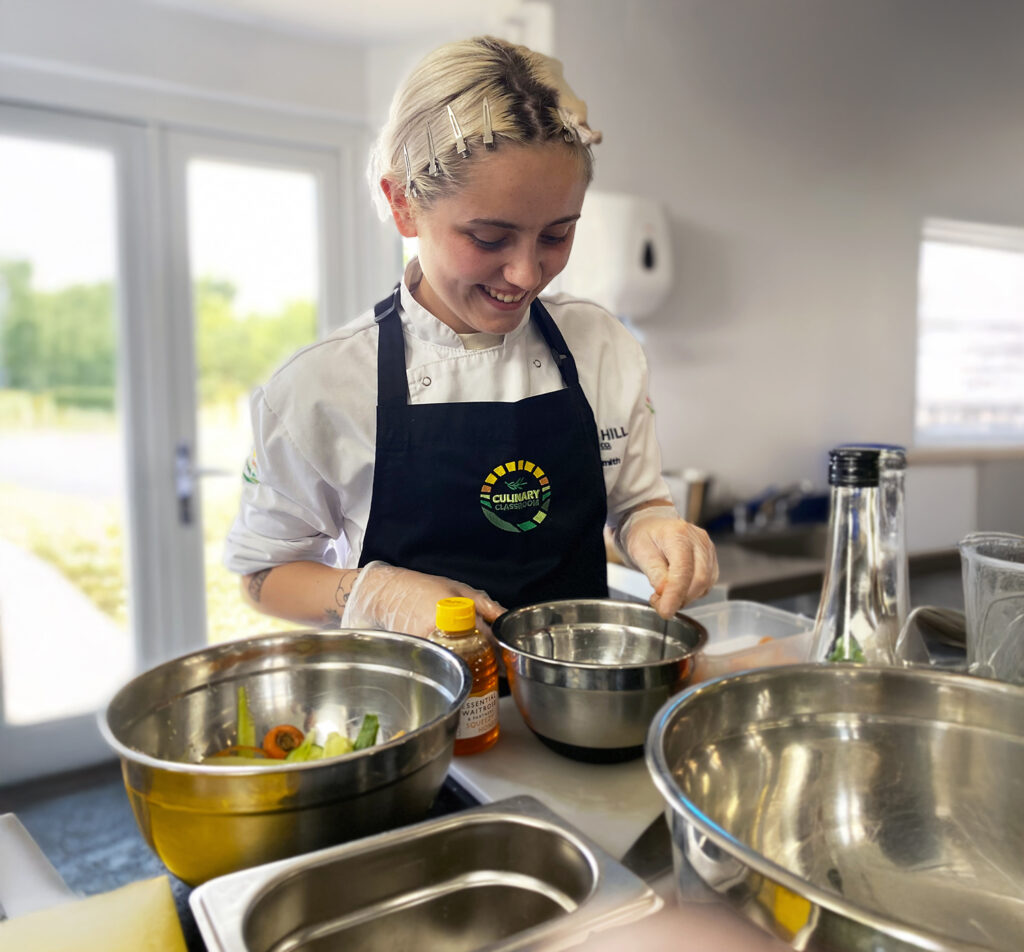
For many chefs, the joy of cooking begins long before formal training or professional accolades. For Chef Daisy Smith, it was family that sparked that flame.

“My love for food all came from my dad,” Daisy recalls. “He had me cooking with him from about three years old. He’s definitely my biggest inspiration and one of the reasons I wanted to get into catering in the first place.” Growing up, Daisy learned more than just recipes – she learned the rhythm of family kitchens, the joy of shared meals, and the creative freedom that comes with trying new flavours.

That early inspiration eventually became Daisy’s career. Today she brings that same warmth and adventurous spirit into her work, creating dishes that are rich in flavour and connection. Her story – from helping in the kitchen as a child to thriving as a professional chef – was shared as part of our TRUE Story series, where she highlighted how Angel Hill Food Co. has supported her growth and nurtured her talent.

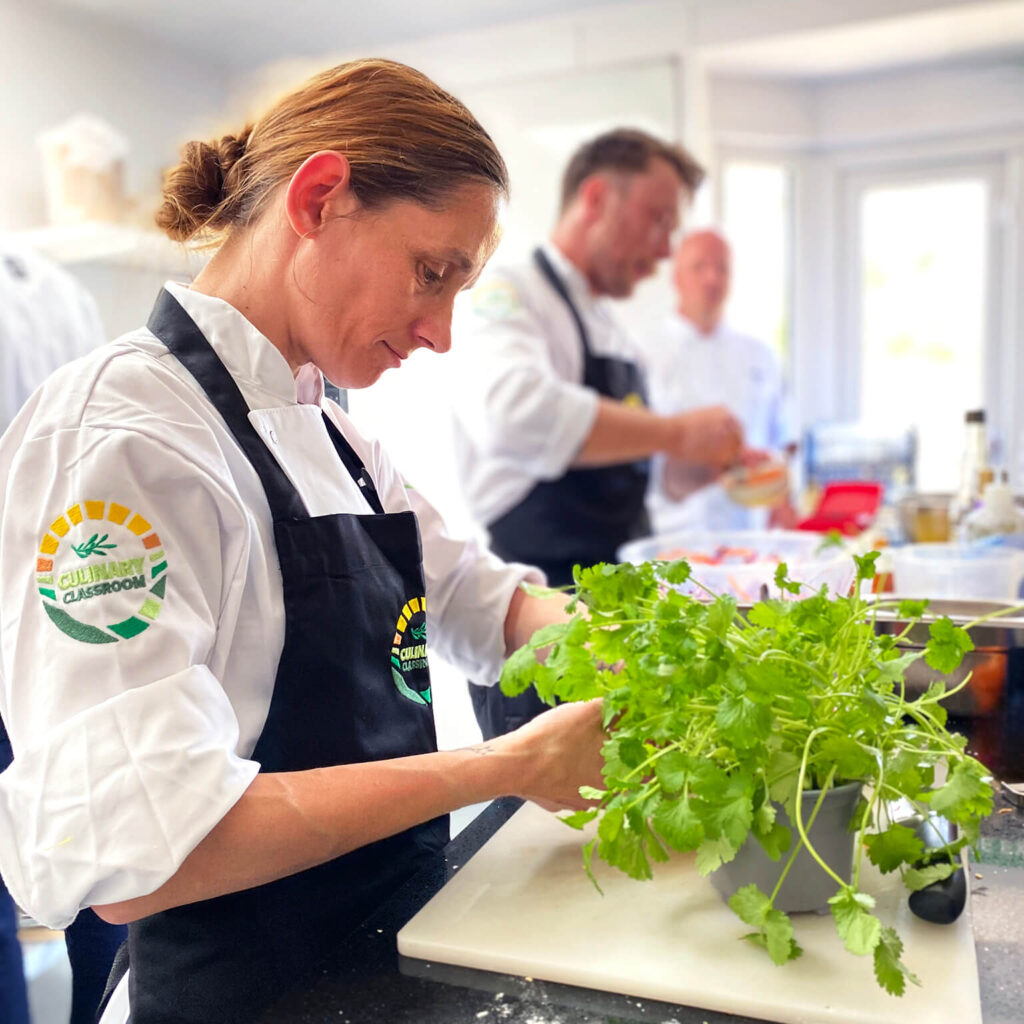
Culinary Classroom

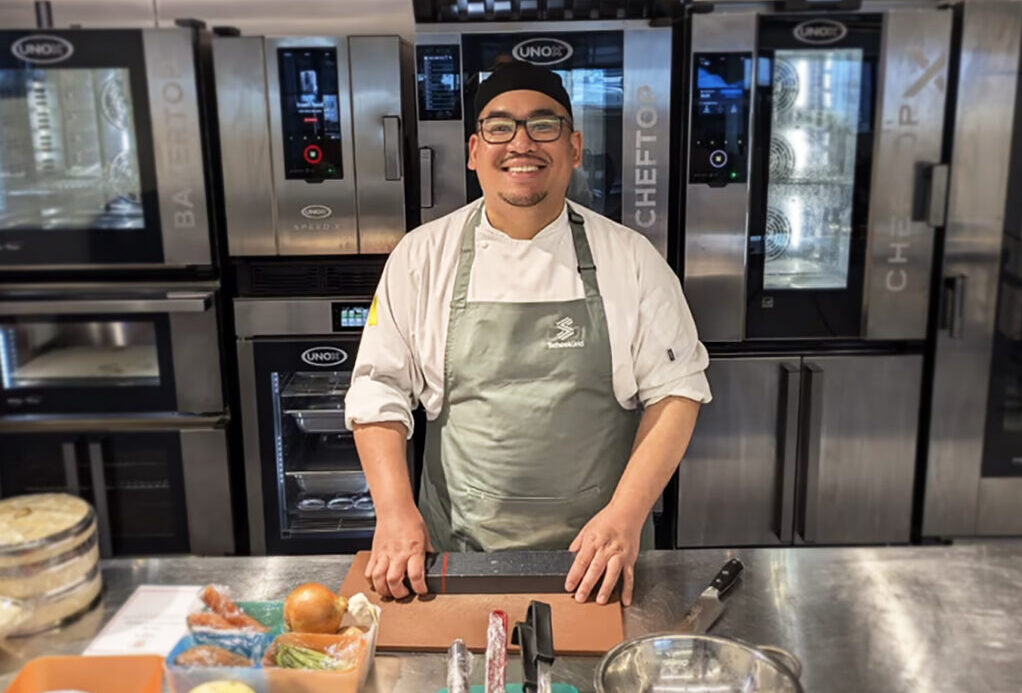
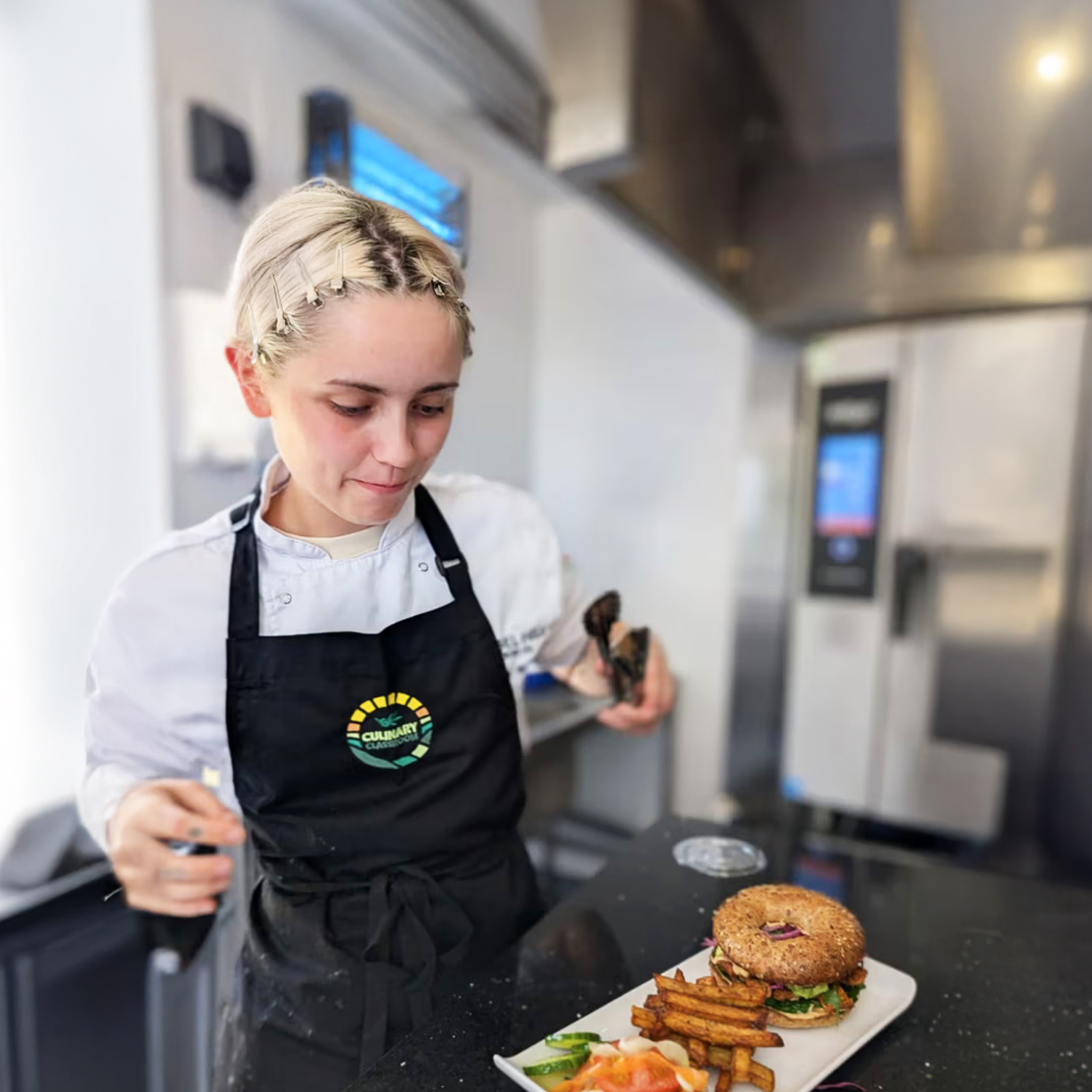
Daisy Smith – Chef, Business & Industry

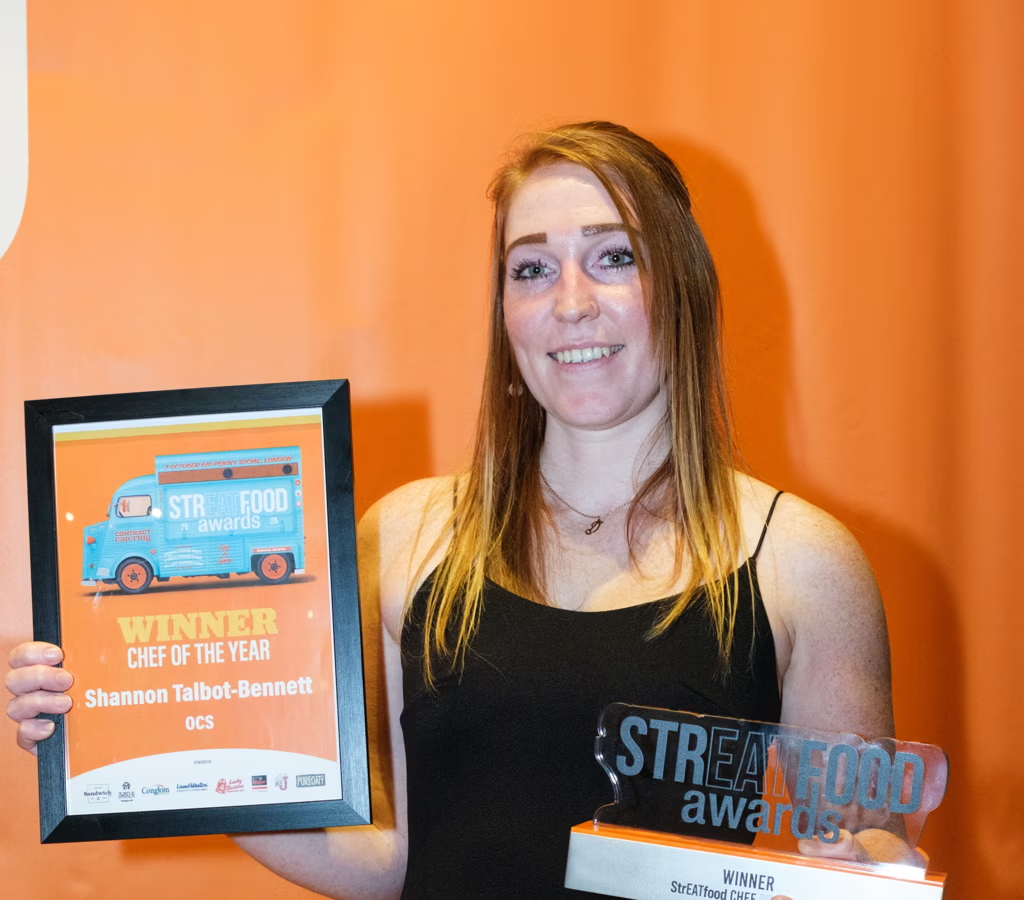
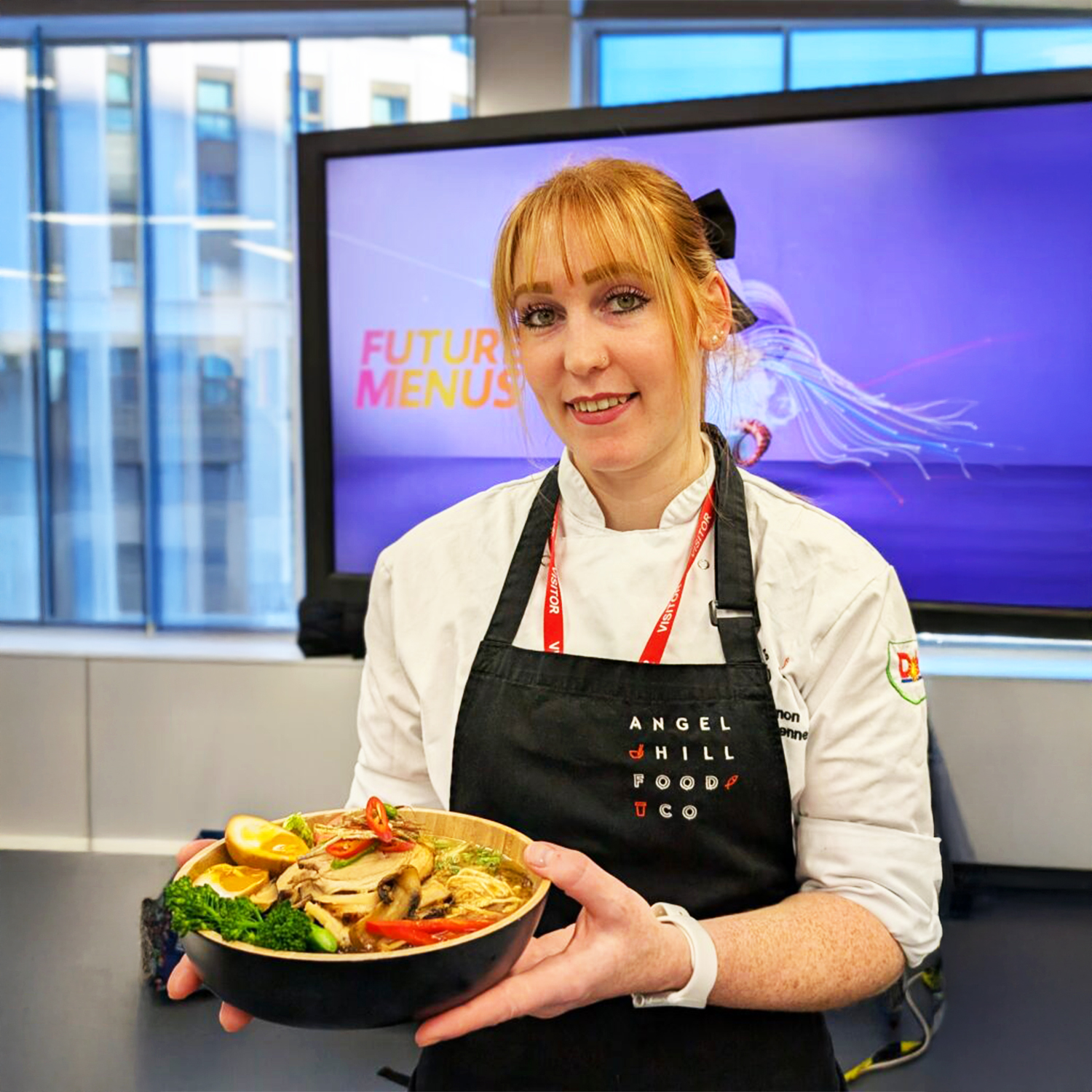
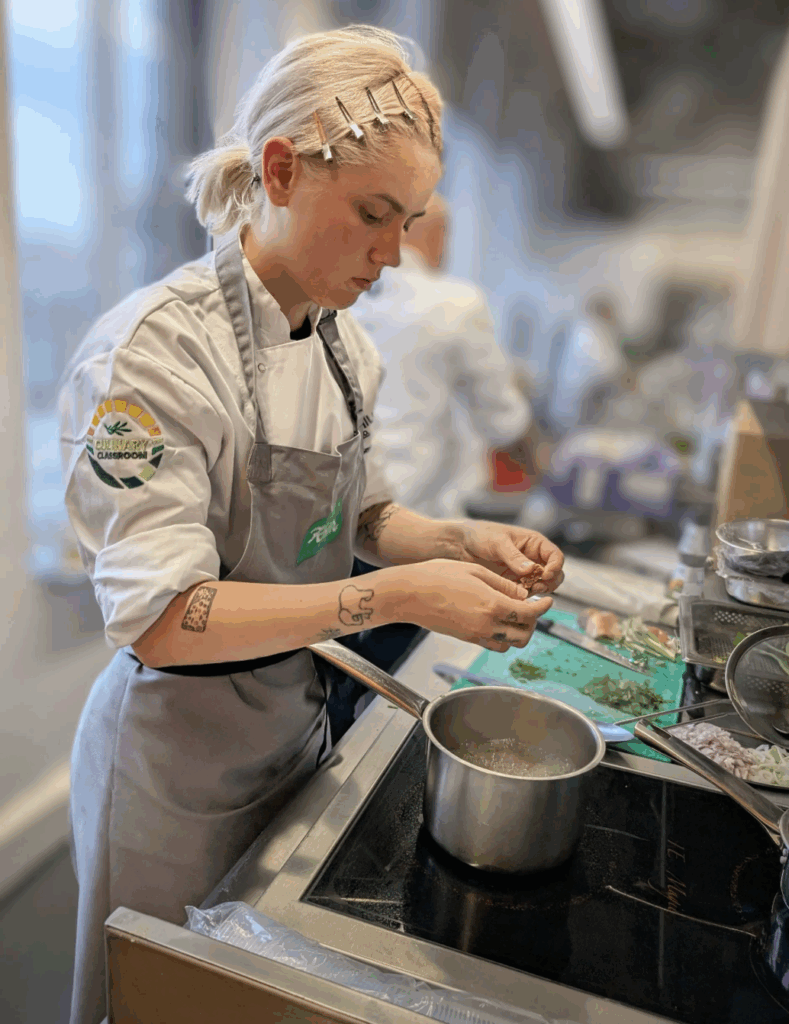
Shannon Talbot-Bennett – Chef, Business & Industry

A Global Palette and Confidence on the Plate

For Shannon Talbot-Bennett, cooking is both a cultural expression and a way of connecting communities. Originally from South Africa, Shannon’s culinary journey began around barbecues with her family – a space where food was both celebration and tradition.

“Food was always part of how we connected,” she says. “Back home it was about outdoor cooking, shared meals and learning different ways of preparing food. Moving to the UK opened up even more opportunities to explore new cuisines and techniques.”

Shannon’s passion and skill have translated into experiences that blend her roots with a modern, global approach to food. Her achievements, including recognition at major food awards, reflect both confidence on the plate and a dedication to continuous culinary growth.

Tradition Meets Innovation

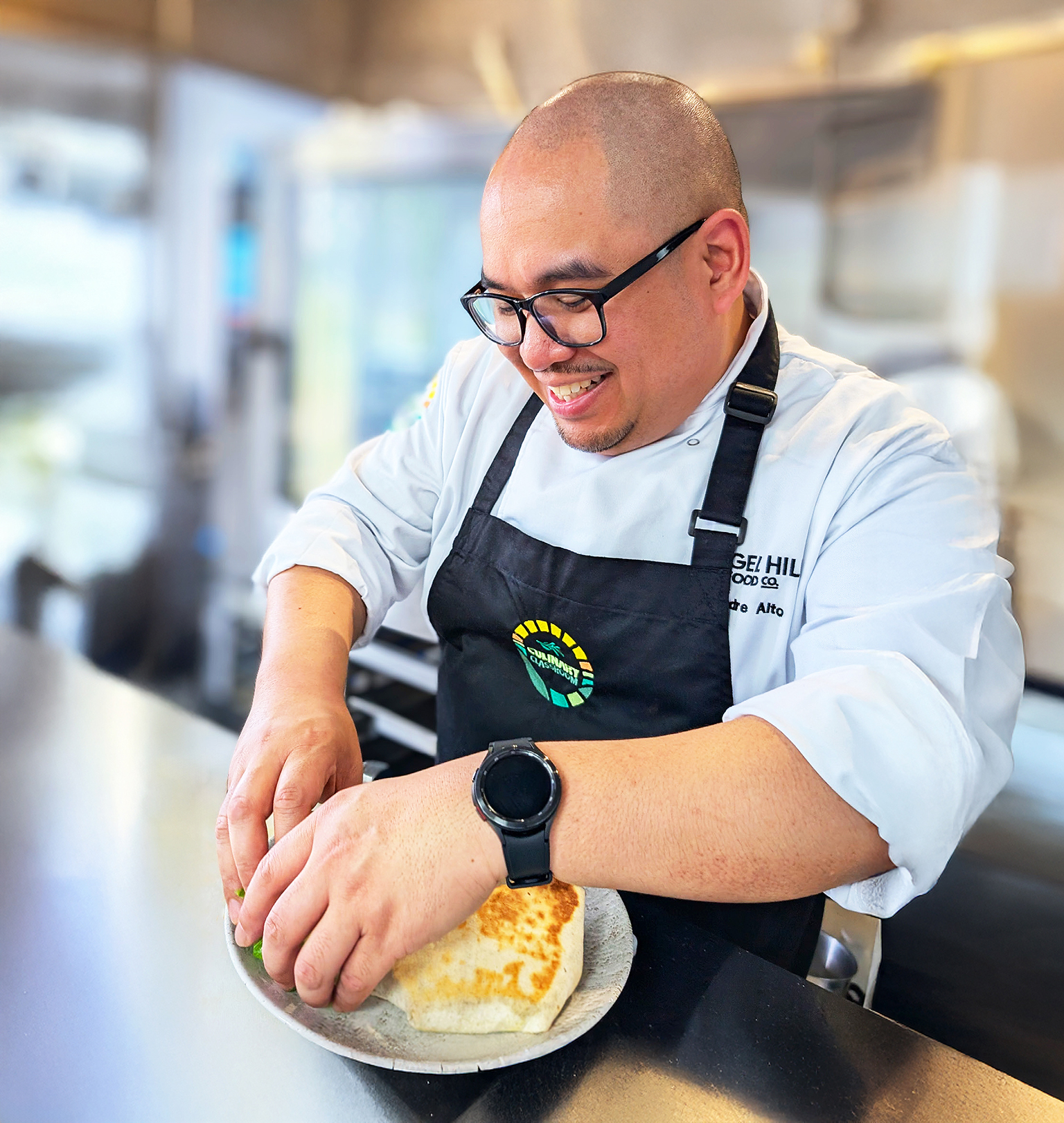
Chef Andre Alto brings a different perspective to the kitchen – one that marries tradition with innovation. For Andre, food was woven into family life from a young age, thanks to a household that valued curiosity at the table and encouraged trying everything placed in front of him.

“My mother and family were my first teachers,” Andre explains. “We were always encouraged to try new things. That curiosity has stayed with me throughout my career.”

Today, Andre channels that same spirit into his role as a Catering Manager, where he has transformed school kitchens into hubs of nutritional excellence and efficiency. His approach balances classic technique with thoughtful innovation, proving that great food can be both familiar and forward-looking.

Andre Alto – Chef, Education

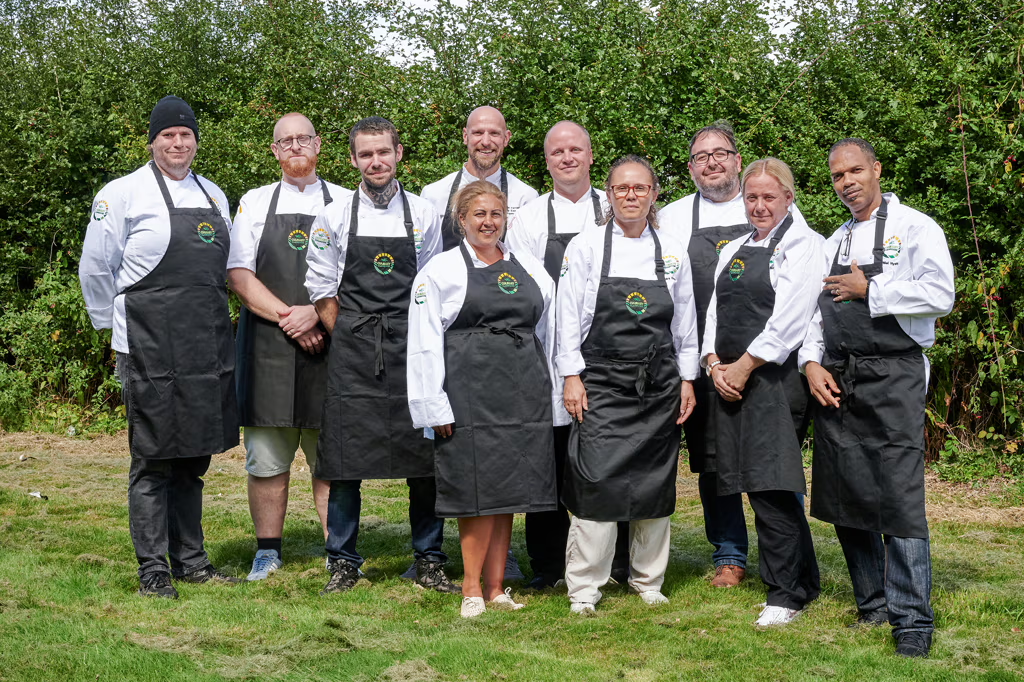
Our Culinary Classroom 2024/2025 cohort

For the Love of Food

We believe that every dish our chefs craft carries meaning. Speaks to culture, memory, aspiration and care. From large-scale plated services to everyday meals in workplace dining spaces, our chefs bring joy and connection to every table they serve.

International Chef’s Day is more than a date on the calendar. It’s a reminder of the passion that shapes the food experience every day of the year. It’s a moment to celebrate those whose creativity elevates what we eat and enriches how we live.

To all the chefs – in our kitchens, in our communities and around the world – Happy International Chef’s Day. Thank you for your dedication, your stories, and the love you bring to food.

How Shannon Talbot Served Up Success at the StrEAT Food Awards 2025

Confidence, Culture and Craft Behind an Award Winning Street Food Moment

Winning an industry award is rarely about a single moment on the day. More often, it is the result of confidence built over time, inspiration drawn from personal experiences, and a clear belief in the food on the plate. For Chef Shannon Talbot, success at the StrEAT Food Awards 2025 was exactly that – a reflection of her journey as a chef, her cultural influences, and her thoughtful approach to street-food-inspired cooking.

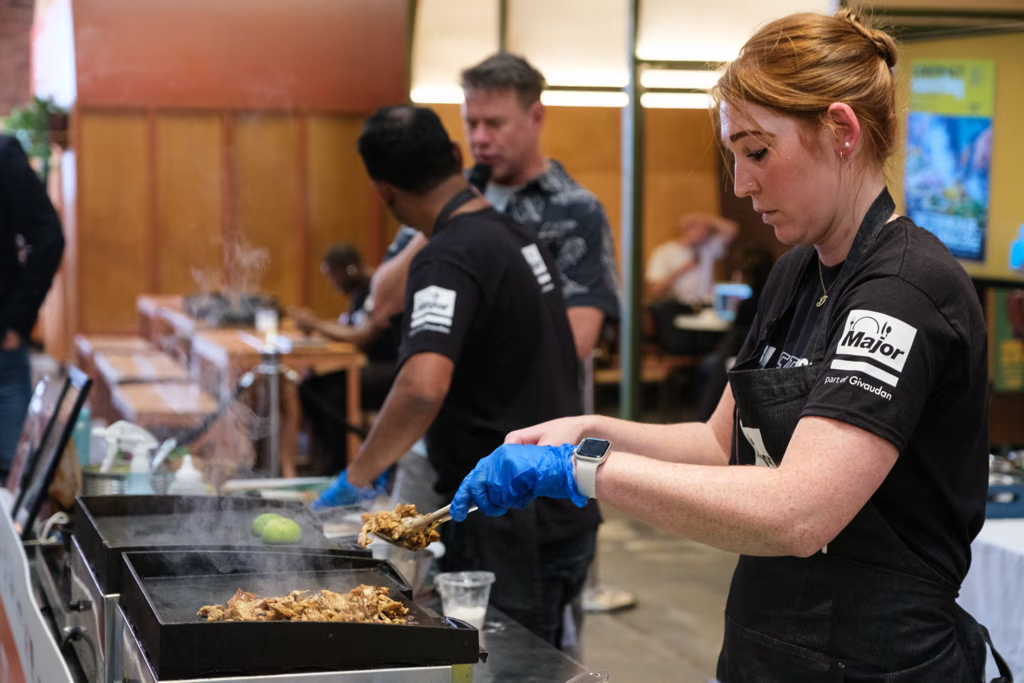
Held at Big Penny Social in London, the StrEAT Food Awards bring together chefs from across the contract catering and street food sectors to showcase creativity, flavour and technical ability in a live competition environment. In her first year entering the awards, Shannon achieved an exceptional result – taking home StrEAT Food Chef of the Year and securing second place in the Dish of the Year category – a rare double recognition that underlines both skill and consistency.

Yet for Shannon, the experience was about more than trophies.

“I believed in the food I was putting forward, but I never expected to place first and second,” she says. “I went in wanting to challenge myself and prove that my ideas had a place on that stage.”

Cooking With Confidence and Intention

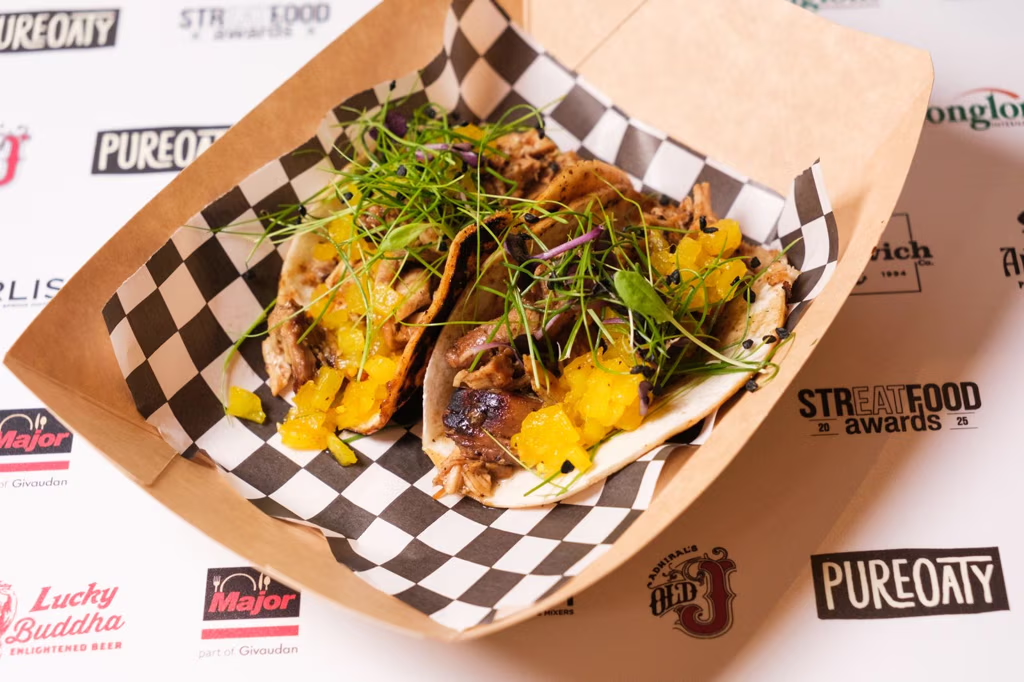
Shannon’s winning dish was a Caribbean-inspired jerk chicken taco, paired with a vibrant pineapple salsa and finished with delicate micro herbs. Inspired by the warmth and energy of Jamaican street food, the dish focused on bold, well-balanced flavours rather than complexity for complexity’s sake.

“I wanted to create something that felt approachable and exciting at the same time,” Shannon explains. “Street food should feel fun, full of flavour and easy to enjoy – not overworked.”

Judges praised the dish for its clarity, execution and confident flavour profile – a reflection of Shannon’s belief that strong ideas don’t need excessive embellishment to stand out.

“Sometimes less really is more,” she adds. “If the flavours are right, you don’t need to overcomplicate things.”

Drawing Inspiration From Heritage and Experience

Food has always been deeply personal for Shannon. Growing up, cooking was central to family life, with her father and brother playing key roles in shaping her relationship with food. Those early experiences continue to influence her cooking today, particularly her willingness to draw from cultural traditions and reinterpret them in modern ways.

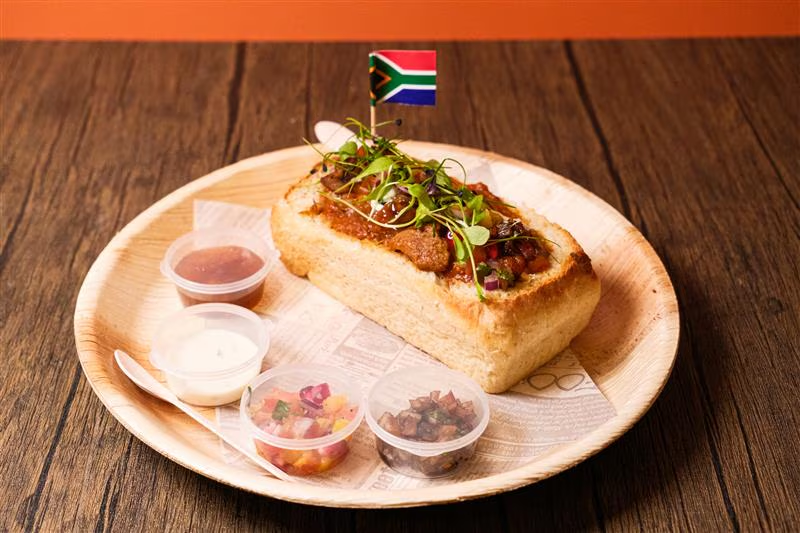
Her second dish at the StrEAT Food Awards 2025 paid homage to her South African roots, reimagining the traditional bunny chow in a contemporary street-food format. The dish demonstrated both technical skill and storytelling – two qualities that have become hallmarks of Shannon’s style.

“I like food that has meaning behind it,” she says. “If a dish connects to who you are or where you come from, it naturally carries more confidence.”

Growth Through Challenge

That confidence was built well before the StrEAT Food Awards 2025. The year prior, Shannon was crowned OCS Chef of the Year, an internal competition celebrating culinary excellence, creativity and consistency across the business. The experience proved to be a pivotal moment, giving her the belief to push herself further and test her skills on a national stage.

“Winning OCS Chef of the Year made me realise I could trust my instincts,” Shannon reflects. “It gave me the confidence to take on bigger challenges and believe that my ideas had real value.”

That momentum carried directly into her preparation for the StrEAT Food Awards, where the same self-belief, clarity of flavour and calm approach under pressure helped set her apart from the competition.

Originally trained as a pastry chef, Shannon brings precision, patience and attention to detail into every dish she creates. That technical foundation has shaped her savoury cooking, particularly in fast-paced, high-pressure environments where balance, timing and execution are critical.

More Than an Award

Shannon Talbot’s success at the StrEAT Food Awards 2025 is a powerful example of how confidence, culture and creativity come together on the plate. It’s a reminder that great food doesn’t start with accolades – it starts with belief, intention and a genuine connection to the food being served.

For Shannon, the awards marked not an endpoint, but a moment of affirmation – proof that her voice, her flavour and her approach belong firmly within the evolving world of modern street-food-led catering.

Feeding Minds, Fuelling Futures: Why School Nutrition Matters More Than Ever

Food Setting the Foundation for Learning and Wellbeing

As the new academic year gets underway, millions of children across the UK are returning to classrooms with renewed energy and enthusiasm for learning. But before students can absorb that first lesson, answer that first question, or engage in that first group activity, they need something foundational: nutritious food that fuels their bodies and minds.

This is where school catering plays an undeniably critical role. In today’s increasingly challenging economic and social landscape, the food children eat at school is far more than a break in the day – it is part of their daily foundation for learning, health and long-term wellbeing.

The Link Between School Nutrition and Success

Robust evidence shows that well-balanced nutrition supports children’s ability to concentrate, retain information and regulate their behaviour in the classroom. Meals that include complex carbohydrates, protein, fibre and healthy fats help maintain stable blood sugar levels, giving students the sustained energy they need to stay alert and engaged throughout the school day. Conversely, poor nutrition – or starting the day without enough to eat – leads quickly to declining attention, low motivation, and even behavioural challenges that teachers and school leaders can see in real time. 

This insight underscores a simple but vital truth: nutrition drives learning. When a child is properly nourished, they are more receptive to instruction, better equipped for physical activity, and more ready to interact socially. This is the essential part of school life.

School Catering: A Frontline Nutritional Safety Net

For many children, school meals represent the most substantial and balanced portion of nutrition they receive in a day. In some cases, particularly for families under financial strain, these meals might be the most consistent source of nourishment available. As pressures on household budgets continue to rise across the UK, school catering companies have become an essential part of the safety net that supports families and ensures children don’t go hungry. 

This isn’t just about filling plates – it’s about providing meals that deliver essential nutrients and encourage positive eating habits. Opening students up to a broader range of flavours and foods they might not otherwise experience. Whether it’s introducing oily fish, pulses, a variety of vegetables, or seasonal fruit, the meals served have a long-term impact on dietary preferences and health outcomes.

Balancing Standards With Appeal

Meeting statutory school food standards is fundamental – but it’s not enough on its own. The real test of a successful school catering programme is whether children actually choose to eat what’s served. Achieving compliance with nutritional guidelines is one thing; making those meals appealing, tasty and engaging is another.

Working in partnership with schools, school catering companies are continuously innovating menus to strike that balance – ensuring dishes are packed with nutrients but also appealing to young tastes. This means carefully planning ingredients, experimenting with flavours, and creatively presenting food so students feel excited about what’s on offer. 

At the same time, rising food and labour costs pose ongoing challenges in maintaining variety and quality without passing those costs on. The expertise and commitment of experienced school catering teams make all the difference – helping schools navigate financial pressures without compromising on nutrition or taste.

A Collaborative Future for School Nutrition

Improving school nutrition and expanding the quality of school catering requires a collaborative effort – between schools, caterers, nutritionists, policymakers and families. Sustainable models that reflect contemporary dining habits and the diverse nutritional needs of children will help ensure all students are set up for success.

Investment in nutritious school food is far more than a line item in a budget: it’s an investment in our future – supporting cognitive development, promoting healthy habits and building resilience in the next generation. And as evidence grows around the links between school nutrition and both academic and long-term outcomes, the priority placed on quality school meals must remain high.

School Catering Companies: Partners in Learning

School catering companies are more than just food providers – they’re partners in education, health and community wellbeing. By delivering meals that nourish body and mind, they help create environments where children can flourish academically, socially and physically.

As we look ahead, one thing is clear: feeding young minds with nutritious food lays the groundwork for a brighter future – both inside and outside the classroom.

Chef Shannon Talbot-Bennett Shortlisted for StrEATfood Awards

We’re excited to share that our talented chef, Shannon Talbot-Bennett, has been shortlisted for the prestigious StrEATfood Awards 2025 for her standout dish, Next Level Bunny Chow.

About the StrEATfood Awards

Organised by Contract Catering Magazine, the StrEATfood Awards celebrate the UK’s most innovative street food chefs in workplace and event catering. This year, the final will take place on 7 October at Big Penny Social, London. Where 16 finalists will compete in two live challenges. First, they showcase their signature dishes in front of expert judges. Later, the second round will follow by a technical round, featuring surprise ingredients revealed on the day.

Celebrating Culinary Creativity

Shannon’s nomination highlights her exceptional culinary creativity, skill, and dedication to storytelling through food. Reflecting on this achievement, she said:

I’m honoured to be nominated for the StrEATfood Awards. This recognition motivates me to keep pushing boundaries and celebrating the bold flavours and stories behind every dish, including my South African bunny chow. Being born and raised in South Africa, this dish holds a close place to my heart, and my South African heritage is the inspiration behind it.

Bunny chow, a vibrant street food dish traditionally served in a hollowed-out loaf of bread and filled with spicy curry, showcases Shannon’s dedication to bringing authentic, culturally rich flavours to the workplace dining experience.

This nomination continues a strong tradition of success for OCS at the StrEATfood Awards. In 2024, our chefs impressed judges with bold, globally inspired dishes, earning recognition for creativity and excellence. The year before, Angel Hill Food Co. chef Matt Chapman was named StrEATfood Chef of the Year 2023 for his outstanding culinary performance. These achievements reflect the passion and innovation our chefs bring to every dish.

We extend our warmest congratulations to Shannon on this remarkable achievement and wish her the very best in the final. The entire team is cheering her on.

Chef Spotlight: Daisy Smith, Turning Childhood Dreams into a Catering Career

A Passion Sparked in the Kitchen

For Daisy Smith, the kitchen has always been a place of joy, creativity, and inspiration. Her journey into catering and hospitality began long before she became a chef.

“As a child, I used to spend school holidays with my dad, who was a chef at a private school in Rugby,” Daisy shares. “I’d join him at work, and we’d cook together in the kitchen. It was such a fun experience and it taught me so much about food. Looking back, those times were a huge inspiration for me.”

A Love of Food That Started Early

That early passion soon shaped Daisy’s career path. After leaving school, she began working as a kitchen porter at Weetabix in Burton Latimer. It wasn’t long before she moved into the kitchen, helping with food preparation and cooking breakfasts, mains, and now home baking.

“Once I started working with ingredients, something clicked,” Daisy explains. “I realised I had a passion for food and I wanted to turn it into a career.”

Now three years on, Daisy has developed a love for baking. “Over the past year, I’ve really gotten into baking, and I absolutely love it,” she says. “There’s something so rewarding about creating something from scratch and seeing how much people enjoy it.”

Culinary Classroom

Creativity and Support at Angel Hill Food Co.

Her role at Angel Hill Food Co. has given Daisy the freedom to be creative and push her skills further. “What I enjoy most is being able to try new ideas and bring them to life on the menu. The feedback from customers is instant, and when they love what I’ve made, it makes everything worthwhile. I’ve also been really lucky to work with such a supportive and welcoming team, it’s made my journey so special.”

As part of her development, Daisy has also joined the Culinary Classroom, a programme designed to inspire and support chefs across Angel Hill Food Co. For Daisy, it has been a key source of creativity.

“I’ve had such a great time in the Culinary Classroom so far. It’s given me loads of new ideas, and one of the highlights was the street food safari in Bristol. Trying so many different flavours opened my eyes to new ways of thinking about food, and I can’t wait to bring some of those dishes into my own menus.”

A Journey Driven by Passion

Daisy’s story is proof that passion, creativity, and hands-on experience can shape a career in catering and hospitality. From cooking alongside her dad to creating exciting new dishes for customers, her journey shows what’s possible when you truly LOVE food.

The Marching Chef: Angel Hill Food Co. Chef Walks Miles for Teenage Cancer Trust

Passion for food is matched by passion for making a difference. Rob Cass, Operations Manager, is well-known among colleagues and customers as “The Marching Chef”, a nickname earned through his tireless fundraising efforts for the Teenage Cancer Trust.

To date, Rob has raised nearly £800 towards Angel Hill’s ambitious £20,000 target for 2025, building on last year’s impressive contribution that helped the team reach £17,000.

Walking for a Worthy Cause

By day, Rob manages multiple education catering contracts; by night (and early mornings), he’s training for a series of Ultra Challenges:

  • Saturday, 3 May: Bristol to Bath circular – 50km (31 miles)

  • Saturday, 23 August: Non-stop 50km (31 miles) across London, wearing his chef’s jacket sponsored by Russums

  • Saturday, 25 October: 25km Halloween fancy-dress walk across London

Rob’s commitment is fuelled by a simple philosophy: every step counts when it’s for a cause that changes lives.

Walking has always been a passion, so being able to clock up the miles and raise funds for such a worthy cause makes it even more fulfilling.

Inspired to Make a Difference

Motivated by the desire to support young people battling cancer, Rob uses his skills in catering and event organisation to create unique fundraising opportunities. His determination and enthusiasm inspire not only his team but the wider industry.

Mark Argent, Regional Operations Director and Rob’s line manager, notes:

Rob’s commitment extends beyond the individual schools he looks after – he brings exemplary dedication to everything he does, especially his fundraising.

Recognition for Excellence

Rob’s efforts haven’t gone unnoticed. He was recently shortlisted for Area Manager of the Year at the 2025 Contract Catering Awards, recognising both his professional achievements and his charitable work.

Support Rob’s journey by following The Marching Chef on Instagram and TikTok, or donate via his JustGiving page to help the Teenage Cancer Trust continue its vital work.

Inspiring Future Talent Through Catering Work Experience

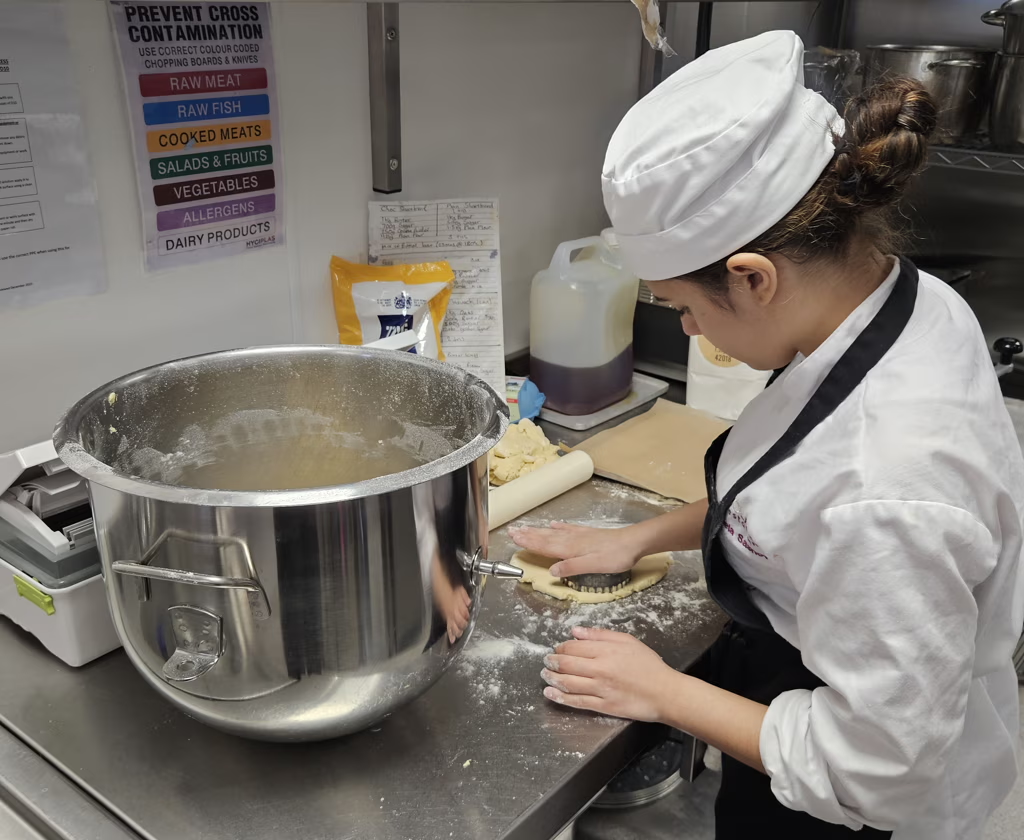
At Angel Hill Food Co., we’re passionate about supporting young people into the workplace and introducing them to exciting career paths within the facilities management and catering industry. As part of this commitment, our team in the Education Sector at North Shropshire College recently hosted two first-year catering students, Zoe and Gabby, for a hands-on work experience placement.

Real-World Catering Skills

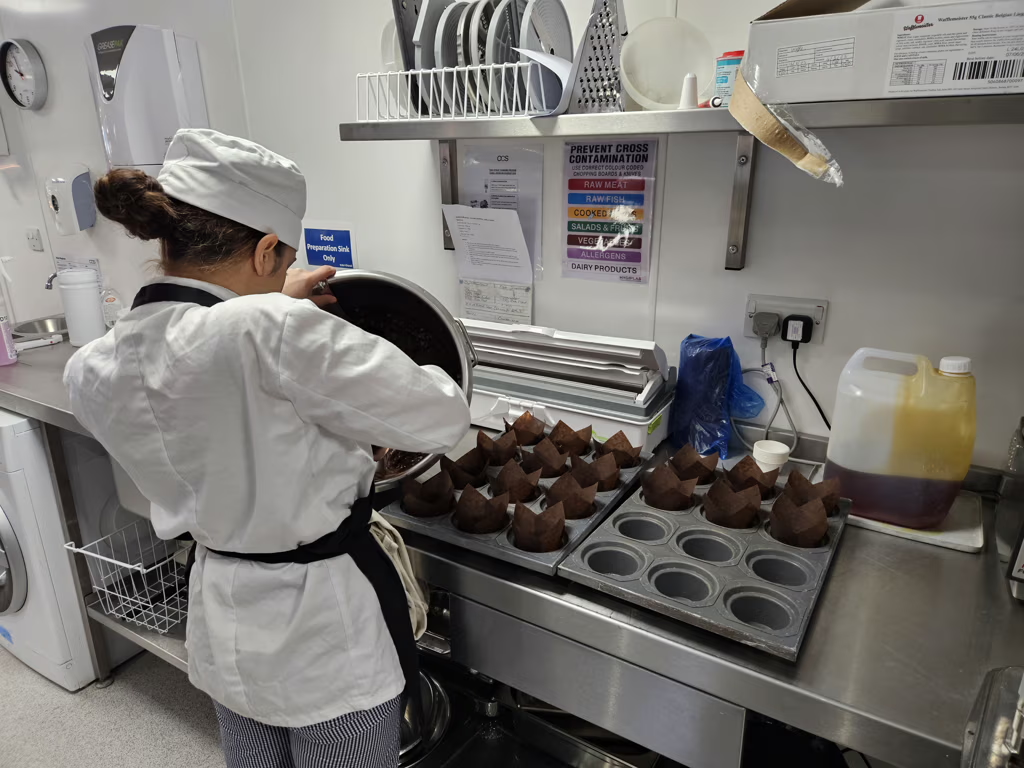
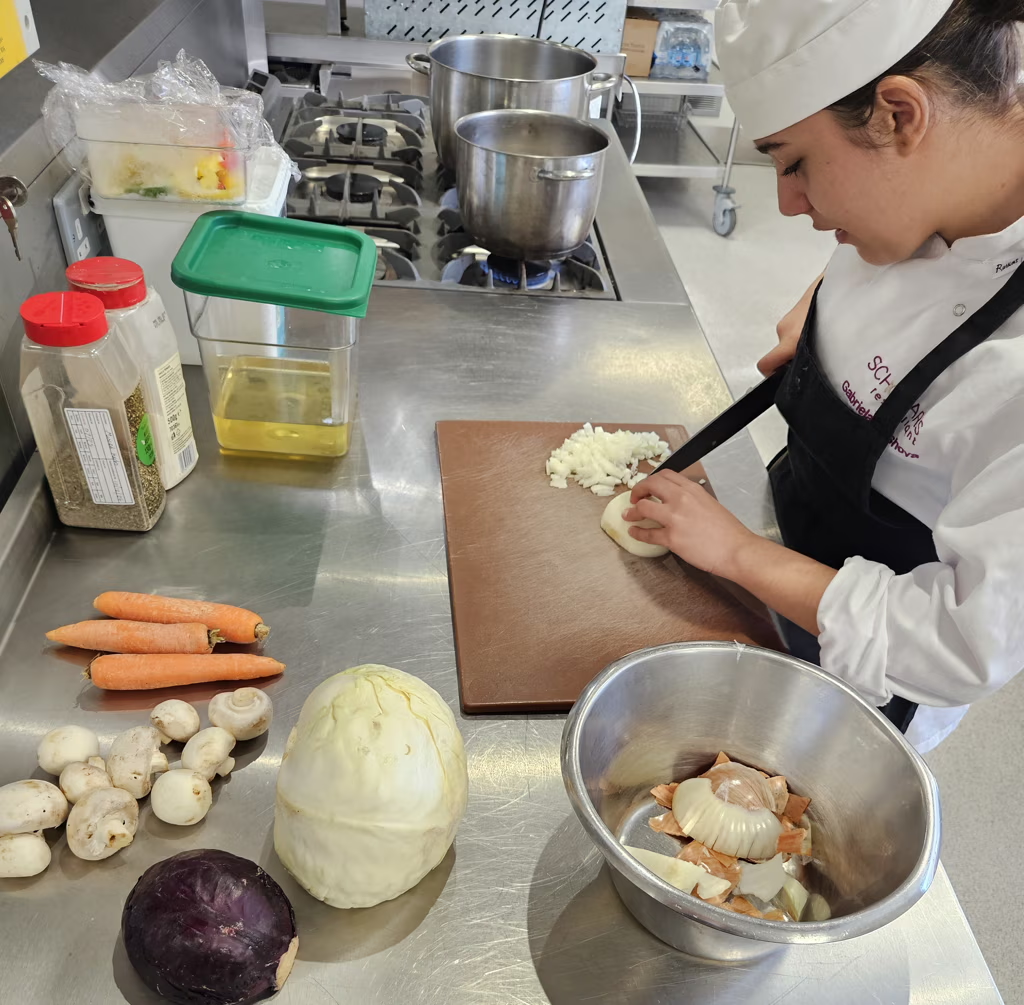
Over two days at the Walford Campus, Zoe and Gabby gained practical experience across all aspects of catering operations. Their activities included stock and delivery management, food and menu preparation, counter service, health and safety management, and kitchen operations.

The students also shadowed Estate Chef Manager, Francesca Gilmore, learning essential back-of-house skills such as income administration, product ordering, and menu planning.

Francesca emphasised the value of the experience:

This two-day placement gave both students a clear insight into a typical day in the further education catering sector. It showcased an alternative catering career path and could be a stepping stone toward an apprenticeship or a long-term role in our industry.

Inspiring the Next Generation of Chefs

For Zoe and Gabby, the placement was both educational and motivating:

  • Zoe: “The placement was very welcoming, and I received outstanding support and guidance. I took on a variety of tasks and improved my communication skills, which boosted my confidence.”

  • Gabby: “I loved it! This experience confirmed my passion for catering as a career. I enjoyed the variety of tasks and working with such a friendly and supportive team.”

Building Careers in Catering and Facilities Management

We believe in nurturing future talent by giving young people the opportunity to explore fulfilling careers through work experience and apprenticeships. By doing so, we help to shape the workforce of the future and strengthen the catering industry.

If you’re interested in offering or taking part in work experience programmes, get in touch to learn how OCS and Angel Hill Food Co. are developing the next generation of catering professionals.

Culinary Classroom: Wrapping Up an Inspiring Year of Learning

This year’s Culinary Classroom has come to a memorable close, marking the end of an intensive and inspiring 10-month journey for ten chefs from Angel Hill Food Co. The programme culminated at the prestigious International Salon Culinaire, bringing together months of exploration, growth and hands-on experience that has broadened both culinary skills and professional perspectives. 

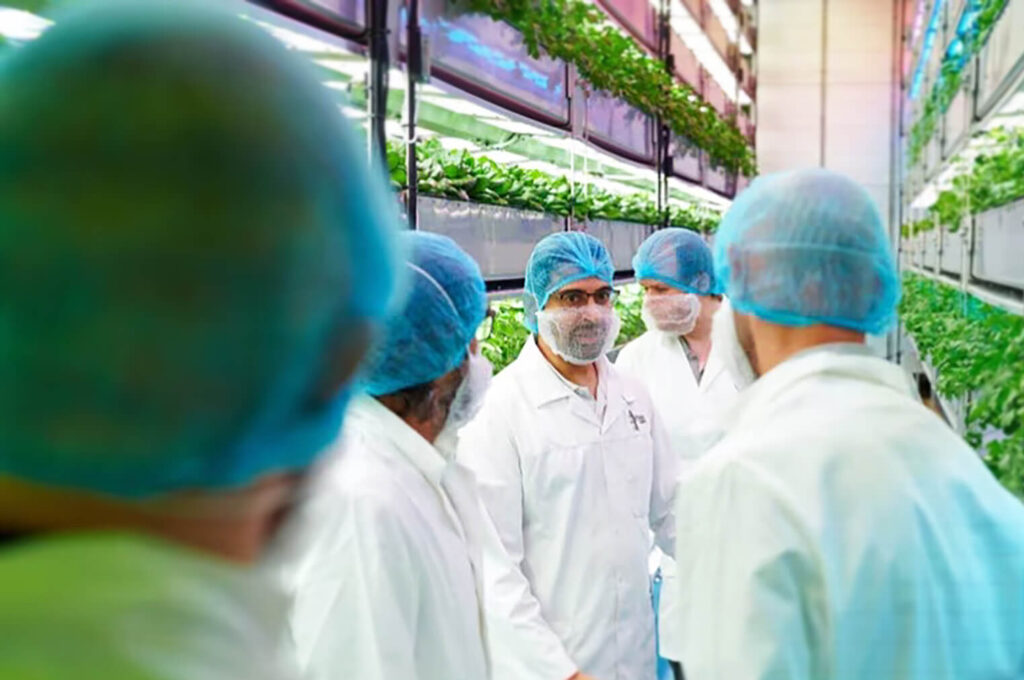
The Culinary Classroom is more than traditional training – it’s a transformative experience designed to deepen a chef’s understanding of food from every angle. Over the past year, participants have immersed themselves in a wide range of culinary disciplines, from sustainable vertical farming and low-carbon kitchen techniques to traditional craft skills such as bread-making and butchery. 

Each monthly module provided chefs with the opportunity to expand their knowledge and refine their craft in areas they may not encounter in day-to-day kitchen operations. This holistic approach not only strengthened technical skills, but also fostered a deeper appreciation of the journey food takes from farm to plate – an understanding that enriches both creativity and execution back in the kitchen.

AI in contract catering

Exploration, Immersion and Insight

A core strength of the Culinary Classroom is its combination of classroom learning and real-world application. Chefs participated in hands-on experiences at food roadshows and street food safaris across the UK, gaining first-hand exposure to food cultures, trends and supplier insights. These immersive experiences helped broaden perspectives on flavour, presentation and customer expectations – essential elements for any chef looking to innovate within modern catering. 

Importantly, the programme also built meaningful connections between chefs and suppliers. Through these interactions, participants learned about the passion and expertise behind quality ingredients and sustainable supply chains. Understanding a supplier’s craft nurtures respect for quality and drives better decision-making in menu development – a key focus of the Culinary Classroom experience.

Growing Skills Across the Board

Beyond practical techniques, the programme covered crucial aspects of professional growth. Modules led by Angel Hill Food Co.’s executive development team introduced robust training in menu planning, seasonal recipe development and even financial management – areas that equip chefs with the skills needed to think beyond the kitchen and understand the broader business of food service. By the end of the year, participants not only gained culinary depth but also essential business acumen that supports long-term success. 

Executive Development Chef, Matthew Vernon, reflected on the journey with pride:

Our Culinary Classroom chefs have been elevated within their profession and collaborative relationships have been nurtured. It’s been an incredible journey and a truly memorable class. I’m very proud of everyone and look forward to the reunion in 2026. It’s onwards and upwards for our chefs – exciting opportunities and competitions await in the future.

From Farm to Fork and Beyond

Participants gained deeper insights into the food ecosystem through visits that took them beyond standard kitchen walls. From mastering vertical farming techniques that maximise yield with minimal environmental impact to exploring how thoughtful ingredient selection influences flavour and sustainability, the Culinary Classroom emphasised that great cooking starts long before a dish hits the plate. 

Interaction with suppliers such as Syan Farm, which specialises in innovative protein solutions, and master butchers who provided expert technique sessions, highlighted the programme’s breadth and commitment to grounding chefs in real food knowledge – from field to fork.

A Future-Ready Culinary Community

As the curtain falls on this year’s Culinary Classroom, the growth and connections built by this cohort are clear. Participants return to their kitchens with a wider skill set, enriched confidence, and a fresh perspective on the craft of food. The programme stands as a testament to Angel Hill Food Co.’s commitment to Culinary Classroom learning – not just as a training initiative, but as a cornerstone of professional development and culinary excellence. 

With plans already in motion for next year’s expansion, the future looks bright for chefs who continue to push their craft, build community and champion creativity through lifelong learning.