How Digital Innovation is Transforming the Food Experience

How Technology Is Changing the Way People Choose, Order and Experience Food at Work

Digital Innovation is reshaping how people interact with food every day – from the moment they browse a menu to the way they order, enjoy and engage with food onsite. As customer expectations evolve, technology is becoming a core part of catering offers that are more convenient, personalised and sustainable.

Across workplace environments, where time is precious and preferences are diverse, Digital Innovation is helping food services work smarter – giving people choice, reducing waste and freeing up onsite teams to focus on what matters most: great food and warm human connection.

Bringing Technology and Taste Together

Changing expectations in the modern workplace have created a clear role for Digital Innovation in catering. People want seamless access to information, quicker service and more control over how they enjoy food – all of which technology can enable.

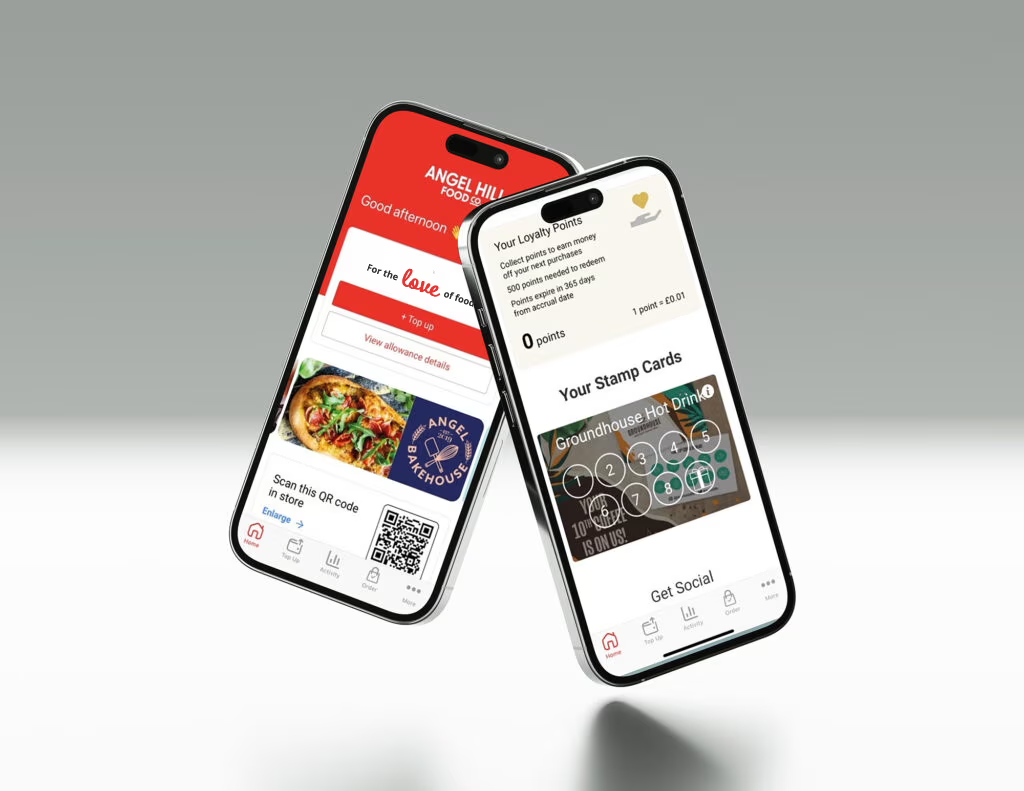
Robert Jessey, Operations Director at Angel Hill Food Co., explains that these shifts in customer behaviour drove the development of a bespoke app. “We noticed the drive for quicker access to products and a clearer visibility of service,” he says. The goal was not simply to digitise existing processes, but to create solutions that reflect how people already shop and eat in their everyday lives.
A Connected Digital Journey

The heart of this transformation lies in connectivity. The new platform brings menus, pre-ordering, dietary data and feedback together – creating one consolidated experience for customers.

Robert highlights how Digital Innovation has enabled smoother integration between systems: from point-of-sale infrastructure to real-time data sharing between tools and teams. This connected approach ensures that production planning, stock tracking and menu management are more accurate and efficient.

You need that connectivity… because it all talks to each other, enabling us to connect the dots between the data quicker, providing a faster and more effective solution to the customer.

Using Data to Shape Better Food Choices

One of the most powerful aspects of Digital Innovation is the insight it generates.

By analysing how and when customers interact with the service – from ordering patterns to dietary preferences – colleagues can tailor food offers based on real behaviour rather than assumptions. These insights are helping teams:

  • Understand peak ordering times

  • Identify menu favourites and under-performers

  • Adapt food offers to specific site trends

This data-led approach supports more accurate production planning and reduces waste by aligning preparation with what customers actually want – a true demonstration of tech supporting sustainability.

Keeping the Human Touch at the Centre

Digital Innovation isn’t about replacing people – it’s about enhancing their ability to deliver excellent food experiences.

With routine tasks streamlined, colleagues spend less time managing queues and transactions, and more time engaging with customers personally. Whether answering questions, sharing recommendations or catering to individual dietary needs, the human element remains at the core of service.

Robert observes that, even amid digital transformation, people still seek connection with real colleagues – a reminder that technology should support, not replace, human interaction.
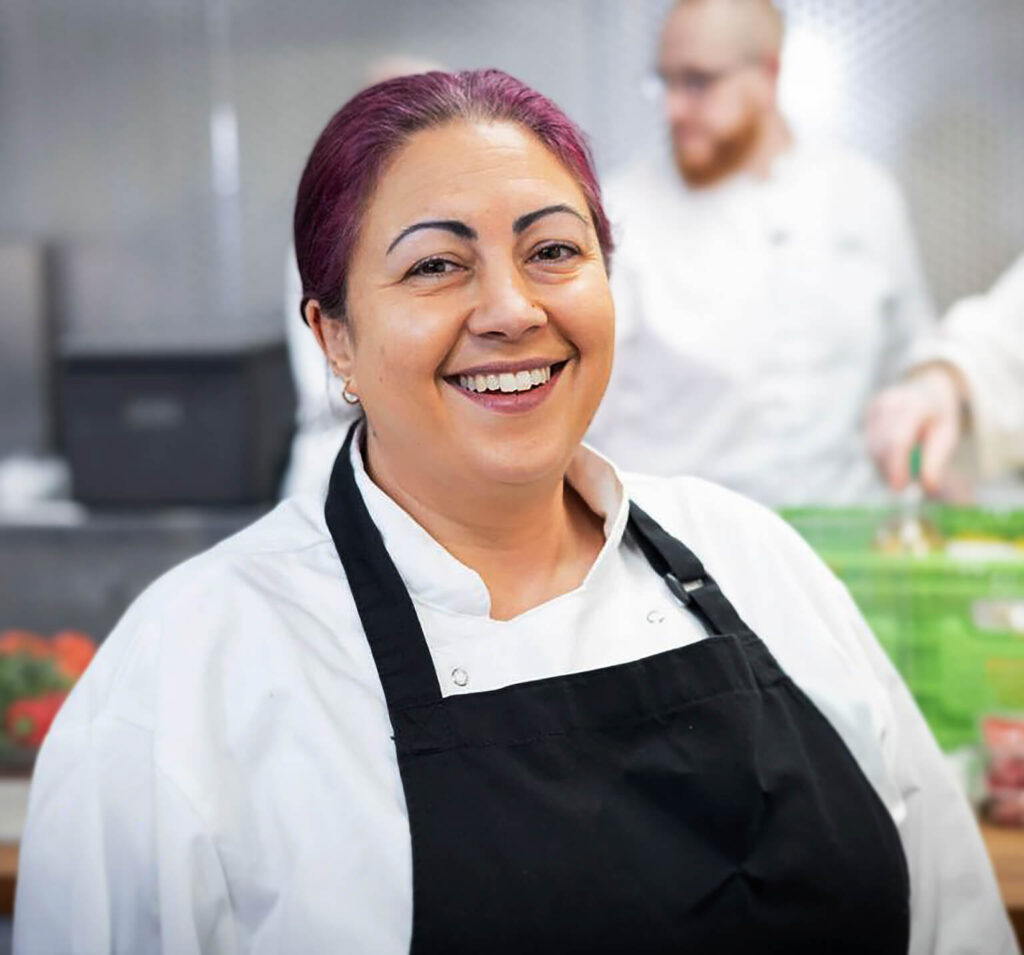

Angel Hill Food Co Chef

What Comes Next in Digital Innovation

Looking ahead, the potential for Digital Innovation continues to expand.

Robert sees opportunities for artificial intelligence to drive the next wave of transformation – from more personalised menu forecasting to tools that automatically tailor options based on allergens or sustainability criteria. Pilot programmes exploring AI-enabled food scanning and nutritional tracking are already underway.

He summarises the impact succinctly:

It makes things more convenient, sustainable and adds to the customer experience.

A Continuing Journey of Innovation

Digital Innovation is redefining how people choose, enjoy and connect over food. It supports better experiences by simplifying processes, deepening insight and enhancing the personal elements of service — all while keeping sustainability and relevance at the forefront.

As technology evolves, so too will the ways food is delivered, enjoyed and shaped by the people who eat it. What stays constant is this: innovation should always serve people, not just processes.
AI in Contract Catering: Driving Efficiency, Reducing Waste, and Enhancing Menus

Modern catering goes far beyond simply serving meals. Today’s chefs and catering teams must operate across diverse environments while ensuring that healthy, high-quality food is delivered safely, efficiently, and with minimal environmental impact. Customers increasingly expect locally sourced produce, and there is growing scrutiny of the sector’s carbon footprint. Artificial Intelligence (AI) has emerged as a powerful tool to meet these challenges, offering data-driven insights that support real-time decision-making and operational agility.

Smarter Demand Forecasting for Less Waste

One of AI’s most impactful applications in catering is demand forecasting. By analysing historical data and predicting footfall and meal uptake, AI algorithms can accurately anticipate daily customer needs.

This insight allows catering teams to reduce food waste by aligning production with real-time demand. According to the Waste and Resources Action Programme, food waste from the UK’s hospitality and foodservice sector costs an estimated £3.2 billion annually. AI-driven demand forecasting can directly reduce waste at the source, preventing uneaten meals from ending up in the bin.

Smart Menu Planning to Meet Diverse Needs

AI is also transforming menu development. Smart menu planning tools use AI to create tailored options based on dietary requirements, ingredient availability, and customer preferences. This technology is particularly valuable in environments such as schools, universities, and healthcare facilities, where meeting specific nutritional guidelines is essential.

By optimising menus in this way, catering teams can ensure variety, quality, and compliance without increasing costs or compromising taste.

Operational Efficiency Through AI-Driven Scheduling

AI is also revolutionising staff scheduling. Catering operations often run on tight timelines and with limited staff, making efficiency crucial. AI-powered scheduling tools optimise staff rotas based on peak service times, shift preferences, and operational demands.

This ensures the right people are in the right place at the right time, improving productivity and reducing administrative workloads. In high-volume catering settings, such as corporate offices or university cafeterias, these efficiencies can significantly enhance service delivery.

Hydroponics

The Future of AI in Catering

AI is proving to be a valuable asset for contract catering, helping businesses to cut waste, streamline operations, and create menus that balance taste, nutrition, and sustainability. As the technology continues to evolve, it offers the catering sector the ability to deliver exceptional dining experiences while meeting the growing demands for efficiency and environmental responsibility.

Contact us today to learn how our catering services use AI to improve performance and sustainability.

Growing Sustainability: Angel Hill Food Co. Brings Hydroponic Farming into the Workplace

As the food service landscape evolves, so too does the way we think about where our ingredients come from and how they are grown. Angel Hill Food Co. is embracing this shift with an exciting innovation that brings Hydroponic Farming directly into workplace environments – blending sustainability, education and fresh flavour into everyday catering experiences.

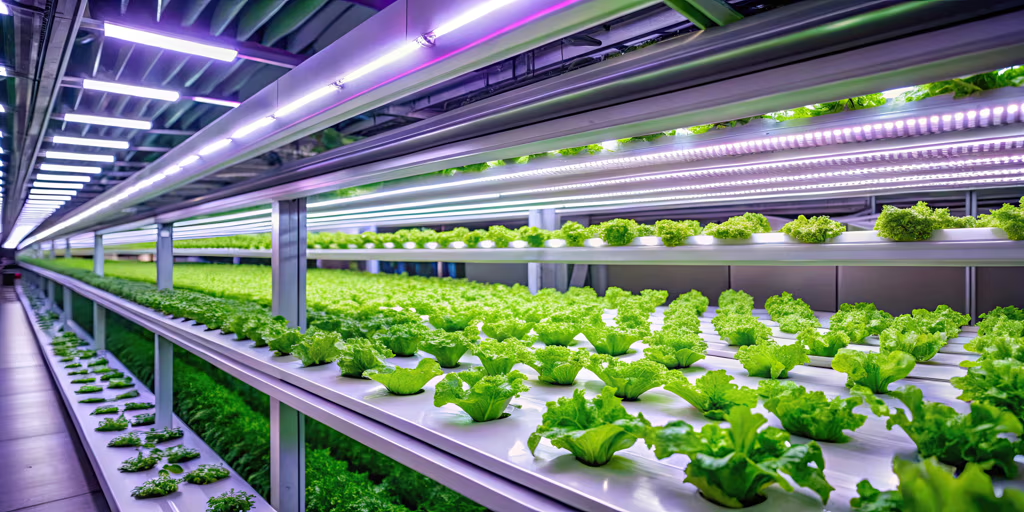
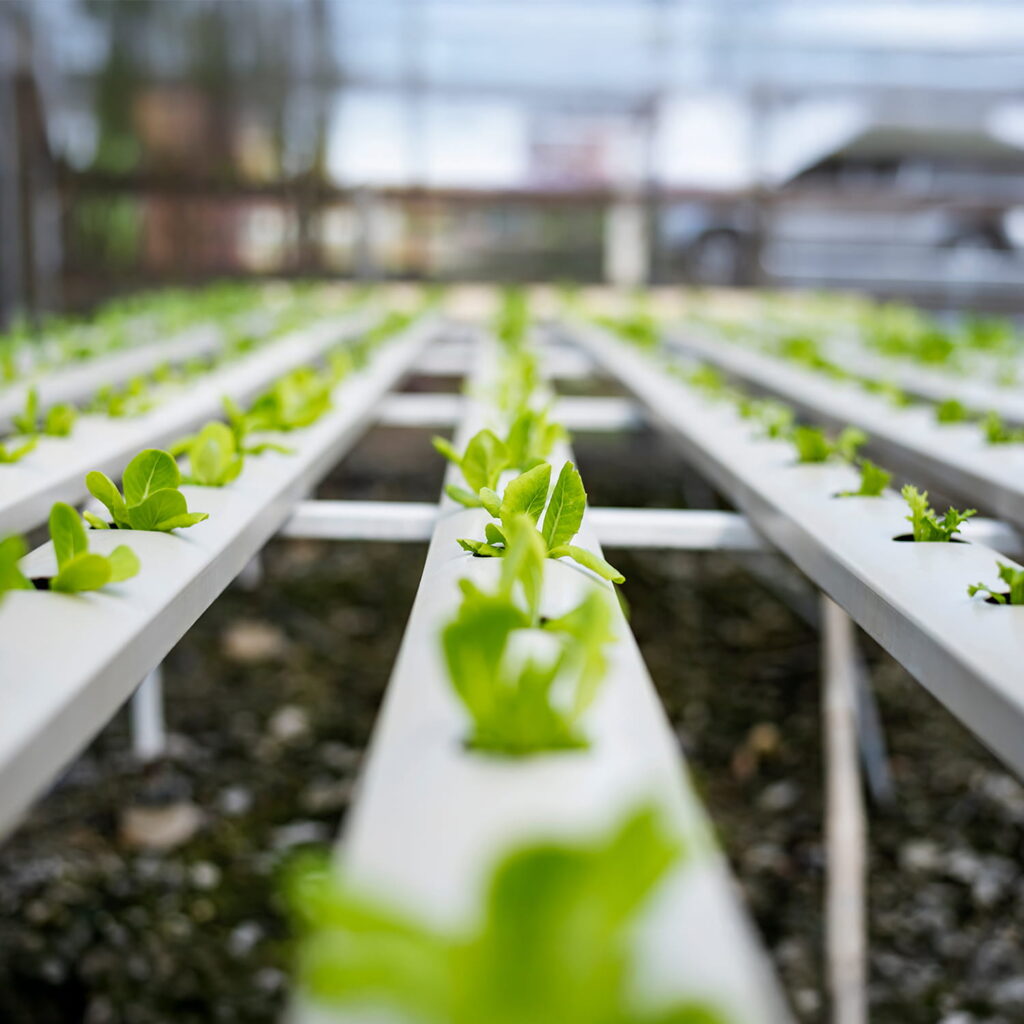
Hydroponic farming is a soilless cultivation method that allows plants to grow in a nutrient-rich water solution, using significantly less water and space than traditional agriculture. This controlled technique supports year-round production of fresh herbs and greens, making it an ideal fit for indoor environments such as offices, corporate sites and busy workplace hubs.

A New Kind of Workplace Garden

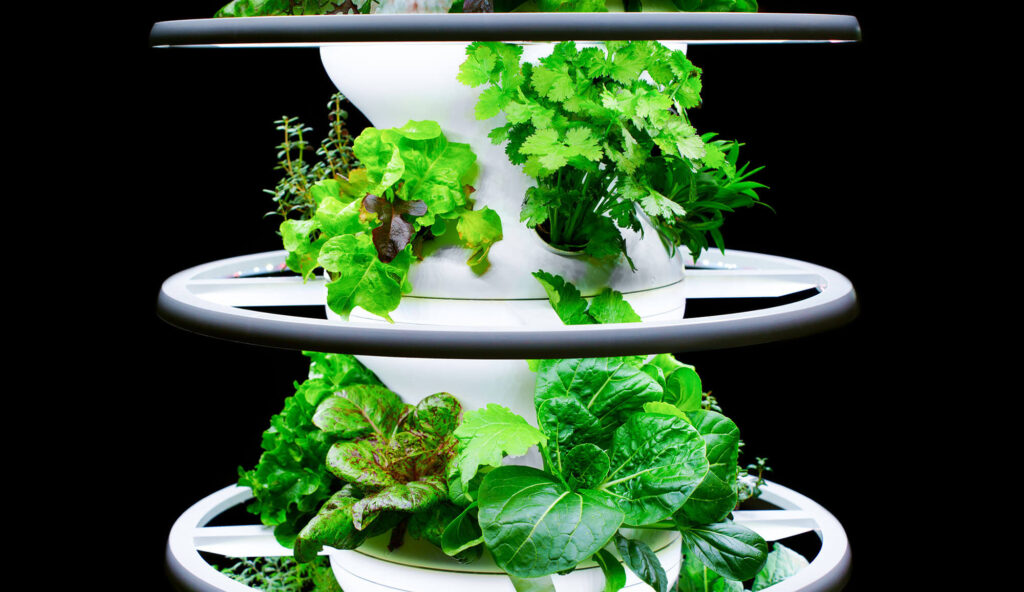
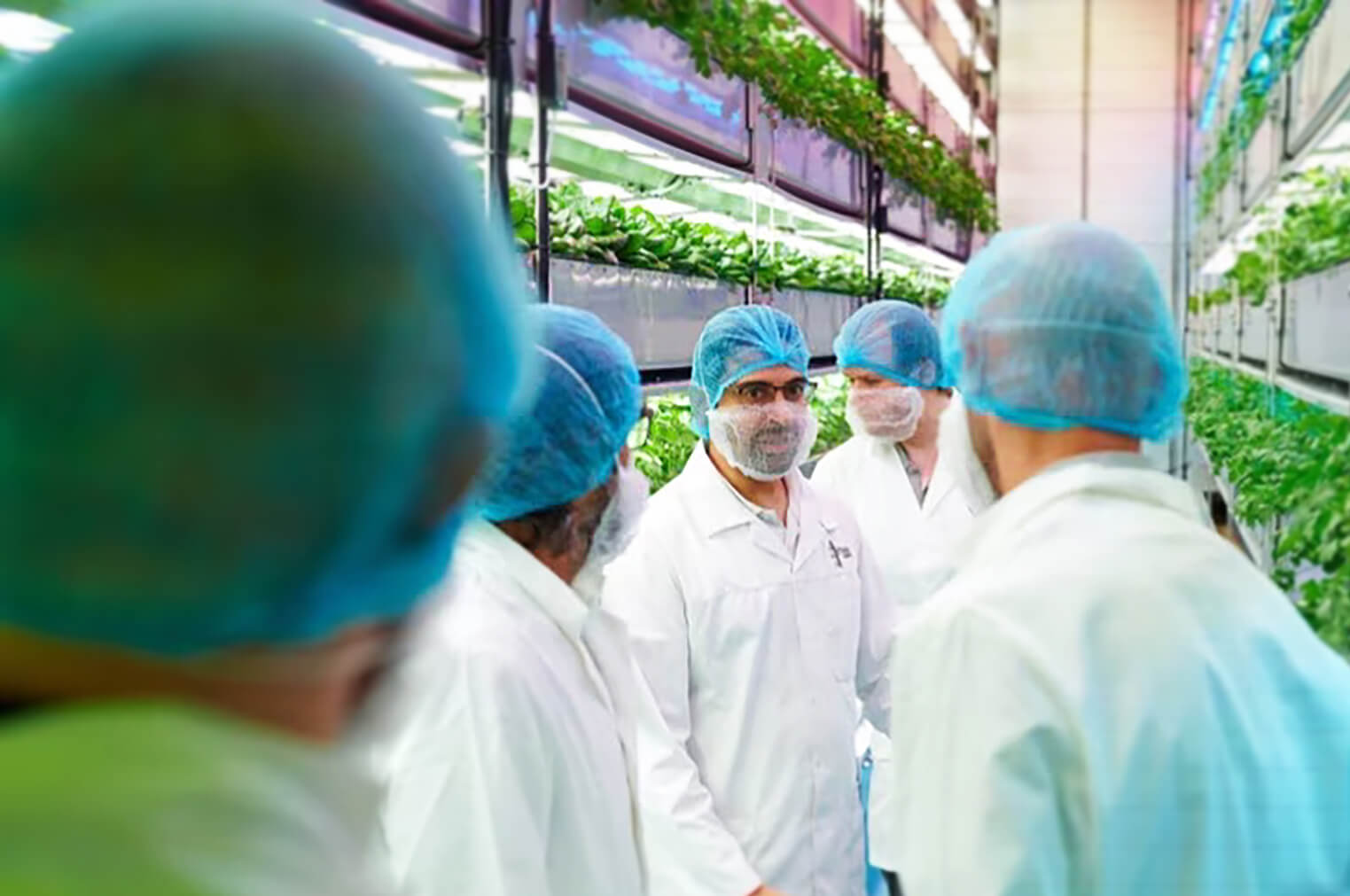
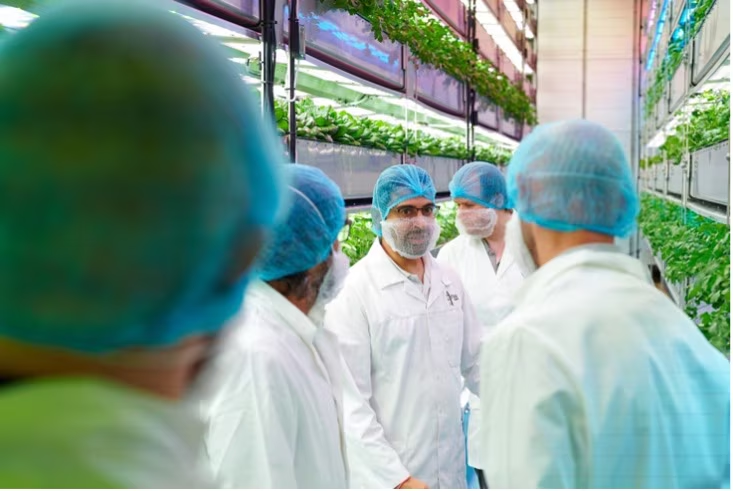
Angel Hill Food Co. has installed hydroponic farming pods at selected customer sites, transforming underutilised indoor spaces into vibrant micro-farms. These installations cultivate fresh produce – such as lemon basil, parsley and rainbow chard – that can be used directly in kitchen preparations or enjoyed by colleagues at harvest events. 

The hydroponic units are designed to operate independently of weather and seasonal constraints, ensuring a consistent supply of fresh greens year-round. This means workplaces can enjoy the benefits of fresh, locally grown produce regardless of outdoor conditions.

Sustainability Meets Engagement

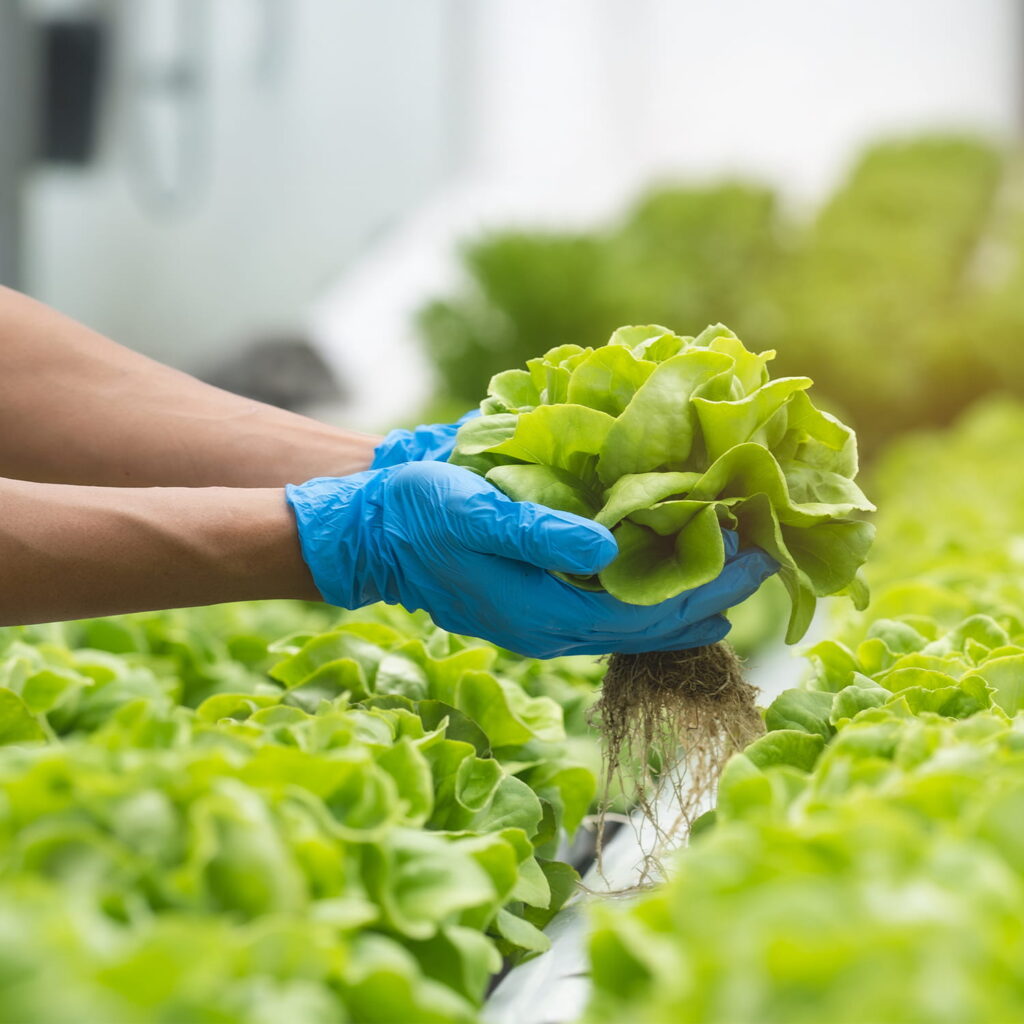
Beyond supplying fresh ingredients, hydroponic farms spark meaningful conversations about Hydroponic Farming, nutrition and environmental stewardship. Colleagues are invited to observe plant growth, participate in harvest events, and even take part in workshops on growing food at home – all of which foster a deeper connection to the food they eat and the ecosystems that support it. 

These interactive initiatives have a dual purpose. Not only do they promote sustainability and wellbeing, but they also strengthen team cohesion and workplace culture. Seeing food grow from seed to plate encourages people to think differently about their relationship with food and sustainability – transforming what might be a passive catering experience into an active learning opportunity.

Bringing Freshness to the Community

Angel Hill Food Co.’s hydroponic farming project extends beyond the kitchen. The produce grown through these systems is being coordinated for donation to local charities, food banks and healthcare facilities, meaning the positive impact reaches community members who need fresh produce most. 

By linking workplace sustainability with community support, the initiative reinforces Angel Hill Food Co.’s commitment to responsible sourcing, social value and environmental stewardship – ensuring that innovation benefits people as well as the planet.

The Benefits of Hydroponic Farming

Hydroponic systems offer distinct advantages over conventional agriculture. They use significantly less water – in some cases up to 90-95% less – and eliminate the need for soil, pesticides and long-distance transportation. This not only reduces environmental impact but also enhances food freshness and safety. 

In addition, hydroponic farms can be scaled vertically or horizontally to fit diverse indoor spaces, making them highly adaptable to workplace environments without requiring extensive land or outdoor access.

A Fresh Approach to Workplace Wellbeing

Angel Hill Food Co.’s adoption of hydroponic technology is more than a sustainability statement – it’s a demonstration of how catering can evolve to meet the health, environmental and social expectations of modern workplaces.

By bringing hydroponic farming into corporate spaces, Angel Hill is not just growing produce; it’s cultivating awareness, encouraging healthier eating habits and inspiring colleagues to think differently about food systems.

As workplace dining increasingly aligns with wellness and sustainability goals, initiatives like this position Angel Hill Food Co. as a forward-thinking partner in creating healthier, greener, and more engaging food experiences – one leaf at a time.