Reframing Nutrition Education For Today’s Students

Hannah Parish works across schools and colleges as a Nutritionist, supporting catering teams to translate nutrition guidance into food that young people will actually choose to eat. Working closely with chefs, site teams and education partners, she focuses on practical nutrition, building healthier habits through everyday meals, clear education and accessible choices that support learning, wellbeing and long-term health.

Understanding How Students Engage With Food and Information

Nutrition education in schools and colleges is changing. Young people are exposed to more information than ever, much of it conflicting or misleading. Rather than seeing this as a barrier, Angel Hill Food Co. treats it as an opportunity to rebuild curiosity and confidence around food.

“The focus is on making healthier choices feel practical, enjoyable and relevant. Nutritious meals need to compete with what students already know and like, so flavour, familiarity and accessibility matter as much as nutritional value. By positioning healthy food as something students want to choose, rather than feel they should choose, nutrition education becomes more effective and more lasting.”

Designing Food That Supports Learning, Health and Growth

Recipe development plays a central role in this approach. Menus are being enhanced through higher fibre content, smarter protein strategies and a clearer focus on nutrients that support brain health, concentration, immunity and physical development.

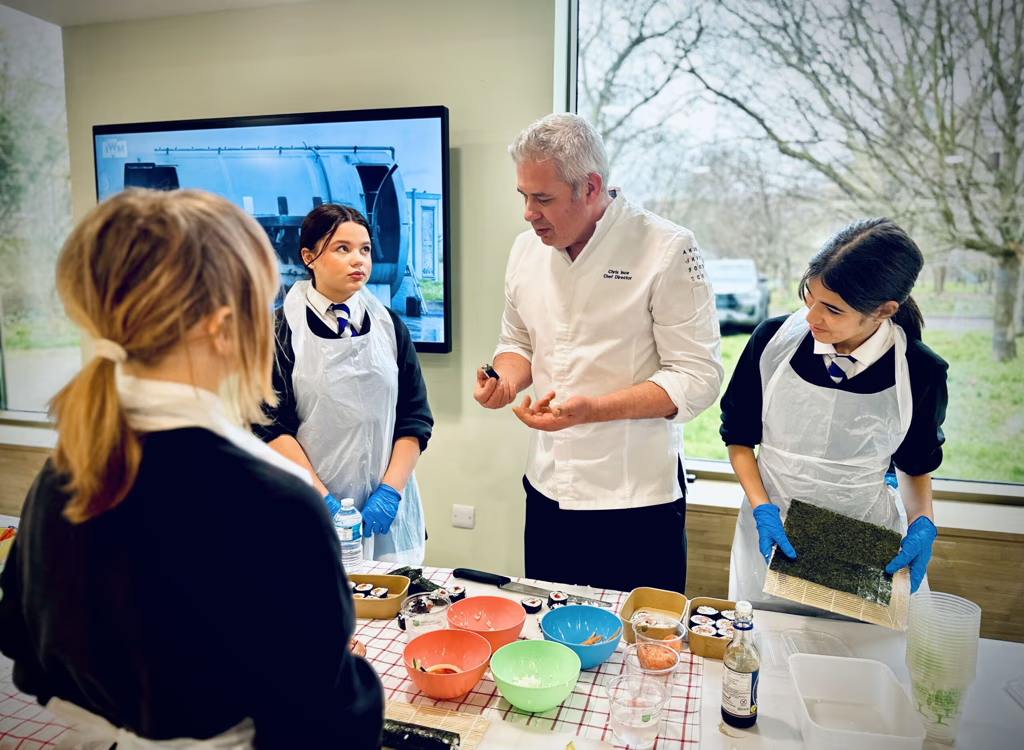
A key priority is exposure. Many students will not choose unfamiliar foods without encouragement, so Angel Hill Food Co. creates safe, engaging opportunities to try something new. Inspired by the Food Foundation’s Eat More Beans campaign, bean-based recipes are being increased across menus, supported by interactive, bean-themed sessions in schools. These sessions show how versatile, filling and appealing plant-based ingredients can be, helping students build familiarity and confidence over time.

Keeping Nutrition Education Relevant Throughout the Year

To maintain momentum, Angel Hill has developed a 2026 Nutrition Calendar, giving each month a clear theme, from gut health to sustainability. This allows schools and colleges to engage with fresh, timely topics rather than one-off initiatives that quickly lose impact.

Content is adapted by age group so messages remain meaningful and memorable. New concepts are also being developed around hormone health and bone health, recognising the importance of these areas for children and young adults. This ensures nutrition education supports both male and female health in a way that reflects real developmental needs.

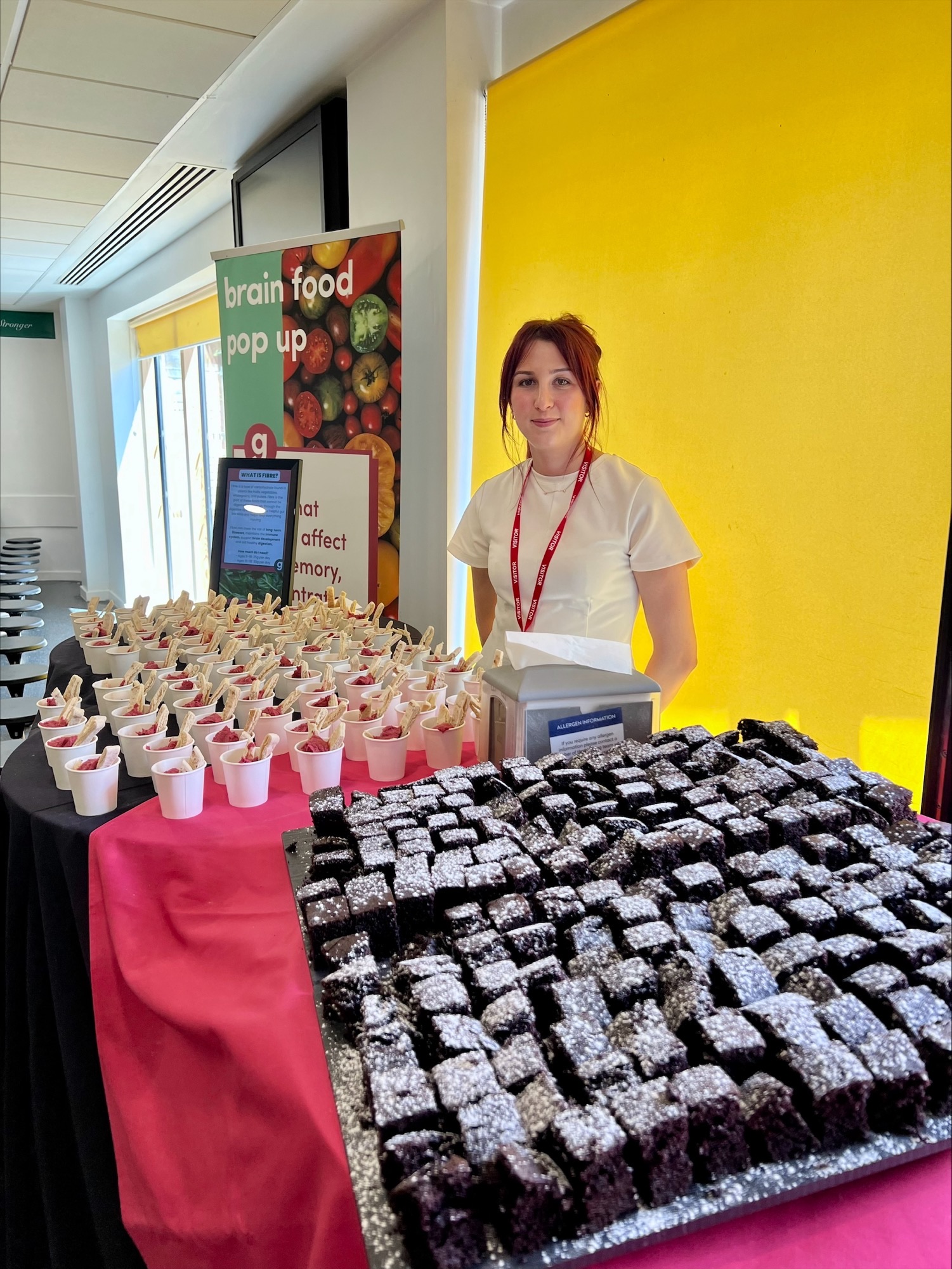
Alongside this, Goodness Pop-Up Toolkits provide sites with ready-to-use, evidence-based materials. These resources are regularly refreshed to keep conversations active and visible, helping students feel informed and empowered in their everyday choices.
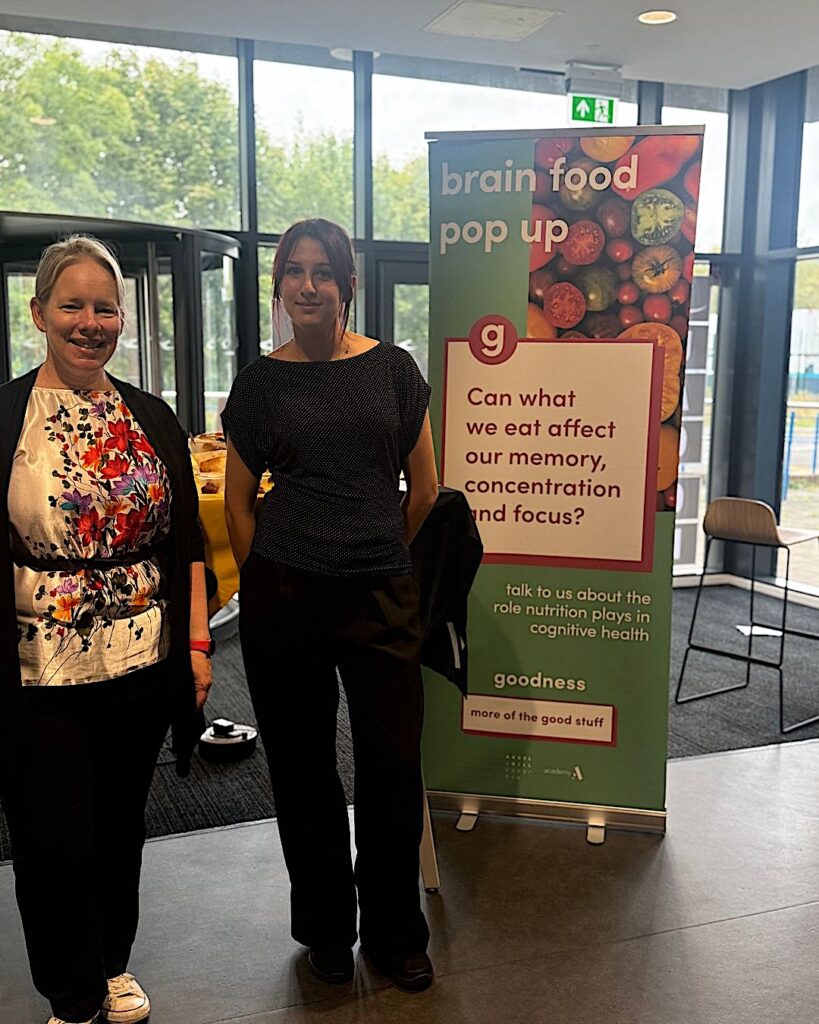
Learning From 2025 and Shaping the Year Ahead

Campaigns delivered in 2025 reinforced that engagement matters most when education is interactive. While pop-ups are valuable for introducing new foods and gathering feedback, workshops and classroom-based sessions create deeper understanding. They allow teams to build on what students already know and tailor discussions to their interests and stage of life.

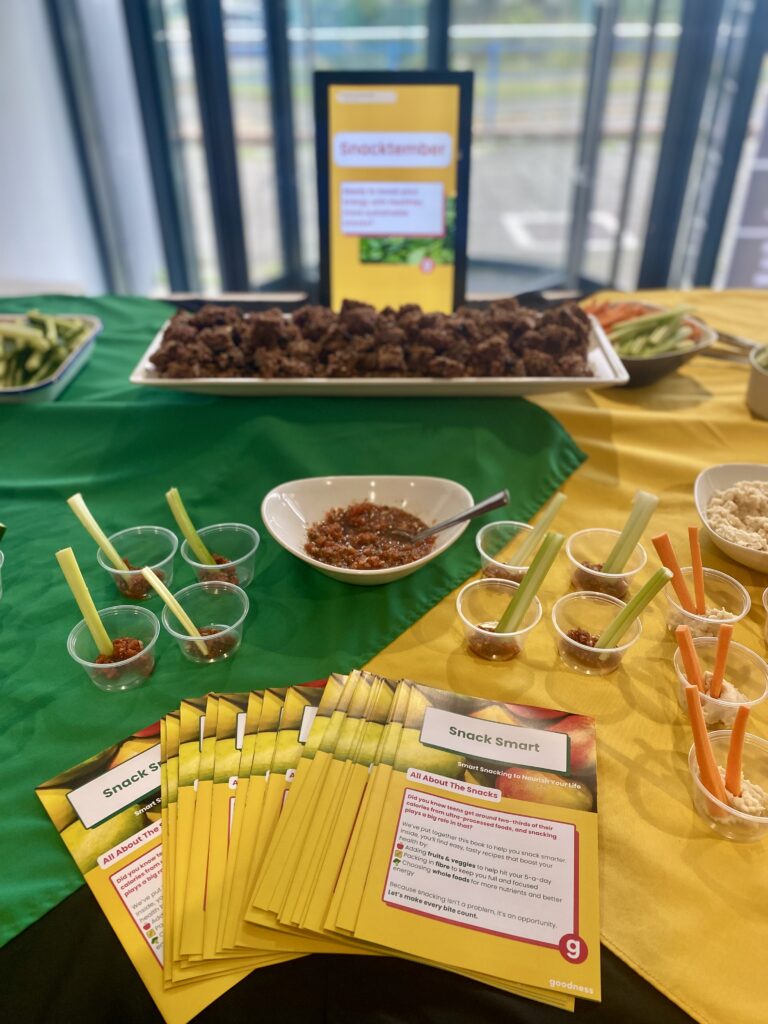
Participation in the British Nutrition Foundation’s Snacktember campaign highlighted the scale of snacking among children and teenagers, and its impact on energy, mood and concentration. In response, Angel Hill is launching a Snack Smart concept for schools, supporting better snacking habits year-round through more fruit and vegetables, higher fibre options and whole-food choices.

Accessibility was another key learning. Catering teams want to stay involved, even when specialist teams are not on site. For 2026, this has led to a stronger focus on simple, practical tools, such as printable nutrition cards that can be displayed instantly at counters. This keeps nutrition education consistent, visible and easy to deliver.


Turning Small Changes Into Lasting Habits

Work with chefs and catering teams shows that meaningful improvements often come from small, achievable changes. Familiar recipes are used as a base, with gradual additions such as wholegrains, extra vegetables or lower-sugar alternatives. These steps improve nutrition without increasing costs or disrupting service.

Menu planning also balances appeal, affordability and nutritional value through smart ingredient choices. Beans and pulses, including Future 50 foods, are used alongside meat to increase fibre and protein, reduce saturated fat and support sustainability. Hybrid recipes using allergen-free plant proteins allow costs and carbon impact to be reduced while maintaining flavours students enjoy.

Looking ahead, the strongest influence on education catering is a shift in how nutrition is discussed. Moving away from labels of “good” and “bad” food, Angel Hill focuses on adding more goodness to everyday meals. More fibre, more whole foods and more nutrients that help students feel energised, focused and emotionally steady.

By supporting chefs to talk confidently with students and explain why food matters, catering becomes part of the learning environment. The result is a positive food culture where students stay on site, feel included, and begin to build habits that support their wellbeing now and into adulthood.

Q&A with Jennifer Brown, Catering Manager at Sarum Academy

Jennifer Brown has dedicated more than a decade to supporting students and the wider community through her work in school catering. Her career has taken her from pubs and hotels to chalets, delis and seasonal work, eventually leading her to Sarum Academy, where she now manages a close-knit team committed to creating a warm, welcoming environment for pupils every day. In this conversation, Jennifer speaks about her journey, her passion for food, and the importance of supporting young people through nutritious, reliable meals.

Tell me a bit about yourself, your role and what led you here.

My name is Jennifer Brown and I work at Sarum Academy in Salisbury. I have an amazing team of four. I’ve worked in all sorts of places over the years, mainly pubs, and I previously managed pubs before moving into seasonal work. I’ve worked in chalets, hotels, delis, anything food related really. I’ve been in the food industry since leaving college.

When I had my children, the hours in pubs became difficult, so joining Sarum Academy fitted my life perfectly. That was ten years ago and I’ve been with the company ever since, with almost the same team the whole time. We all get on well, and that makes a real difference. We also supported a satellite school, Springfields, which we used to provide food for.

You’ve also been involved in community work. Can you talk about that?

Yes, through our work with Springfields we were approached by Salisbury District Council to support an OAP lunch club. We supplied meals every Thursday and did Christmas lunches for the elderly. My team have always backed me in things like this. I also took part in the Culinary Classroom and later led a Game Workshop, which was special for me. It felt like coming full circle, going from being the one learning to being the one giving something back.

Was there anything early in your life that made you want to work in catering?

My grandmother was a huge influence. She grew up in an era where you had to be thrifty and she was an amazing cook. She made everything from scratch, including pickles and preserves. I learned so much from watching and helping her. It made going into food feel very natural.

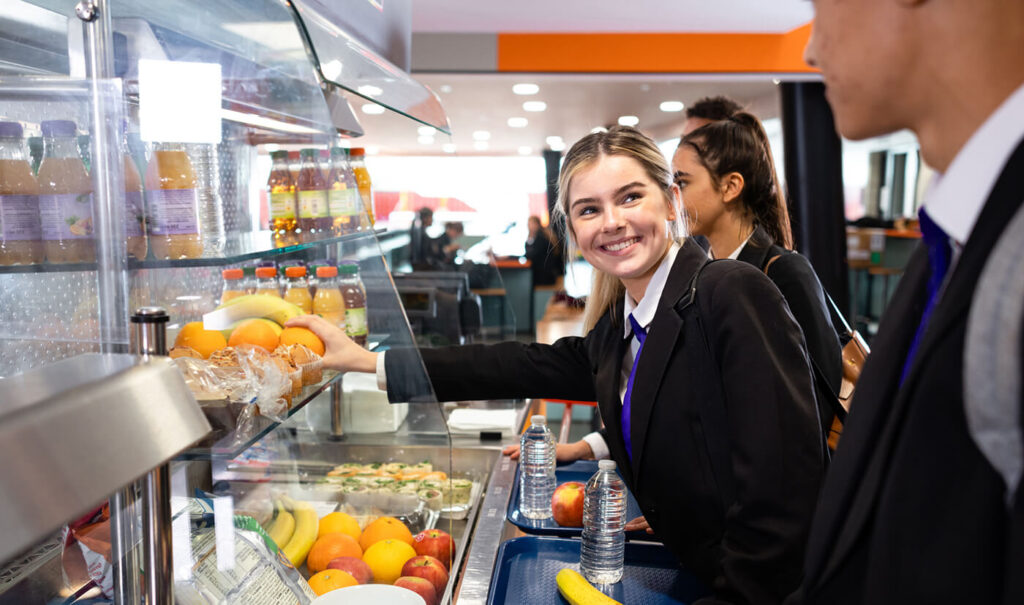
Pupils eating lunch

What has evolved for you over that time and what keeps you passionate about the job over the time you’ve been here?

Winning SCOTY was a big moment because I had entered for four years before finally winning. But the real learning came from understanding the value of school meals. I didn’t realise how many children rely on school for their main meal of the day. It opened my eyes.

Kids need good food to learn, concentrate and get through exams. There are children who arrive without breakfast or who may not have had dinner the night before. COVID made that even clearer. What we do matters, and we are not just “dinner ladies”. We’re helping children achieve their best.

You’ve won several awards. How has that recognition shaped you?

I still work closely with LACA and I’m currently their treasurer. It gives me a strong network of people to learn from. I’ve represented school meals at the House of Commons, taken part in Salon Culinaire where I won bronze, and won Dish of the Year at the Food Co. competition.

Culinary Classroom really started it all. It encouraged me to compete, which pushed me to grow, and eventually led to SCOTY. That programme is brilliant for developing people and helping you see what you’re capable of.

What sets your team apart within the catering industry?

We’re a very close team. My colleagues know every child by name and we all genuinely care. We may not have the biggest budget, but we work creatively and make things look great with what we have. We run theme days, workshops and always try to make food fun.

One project I’m particularly proud of is Cook Together, Eat Together, run with the council. We invited families without a dining table at home to come in, cook a meal with us, learn the recipes, and then take home a hamper of ingredients. We dressed the tables beautifully so families could enjoy a meal together, maybe for the first time in a long time. That’s what sets us apart. We genuinely care about the children and their families.

What has been one of the most rewarding moments of your career?

SCOTY has to be the biggest one. Winning it with my husband sitting next to me was incredible. I also cherish the bronze at Salon Culinaire because that was against chefs from across the whole industry. But SCOTY is the highlight.

Looking ahead, what goals or ideas are you excited about for next year?

I’d like to do more workshops and more theatre cooking with the students. I also want to keep developing the dish I entered before and see if I can push it from bronze to silver. I’m grateful to everyone who has supported me: Matt and Rob, my team, Sarum Academy and the programmes that encouraged me to learn and grow. Without their encouragement, none of this would have happened.

Jennifer’s work reflects the heart of OCS’s mission to make people and places the best they can be. Her commitment to students, families and the wider community shows the difference that caring, skilled colleagues can make every day. Through her leadership, creativity and passion for food, she continues to support young people and help create an environment where everyone has the opportunity to thrive.

Feeding Minds, Fuelling Futures: Why School Nutrition Matters More Than Ever

Food Setting the Foundation for Learning and Wellbeing

As the new academic year gets underway, millions of children across the UK are returning to classrooms with renewed energy and enthusiasm for learning. But before students can absorb that first lesson, answer that first question, or engage in that first group activity, they need something foundational: nutritious food that fuels their bodies and minds.

This is where school catering plays an undeniably critical role. In today’s increasingly challenging economic and social landscape, the food children eat at school is far more than a break in the day – it is part of their daily foundation for learning, health and long-term wellbeing.

The Link Between School Nutrition and Success

Robust evidence shows that well-balanced nutrition supports children’s ability to concentrate, retain information and regulate their behaviour in the classroom. Meals that include complex carbohydrates, protein, fibre and healthy fats help maintain stable blood sugar levels, giving students the sustained energy they need to stay alert and engaged throughout the school day. Conversely, poor nutrition – or starting the day without enough to eat – leads quickly to declining attention, low motivation, and even behavioural challenges that teachers and school leaders can see in real time. 

This insight underscores a simple but vital truth: nutrition drives learning. When a child is properly nourished, they are more receptive to instruction, better equipped for physical activity, and more ready to interact socially. This is the essential part of school life.

School Catering: A Frontline Nutritional Safety Net

For many children, school meals represent the most substantial and balanced portion of nutrition they receive in a day. In some cases, particularly for families under financial strain, these meals might be the most consistent source of nourishment available. As pressures on household budgets continue to rise across the UK, school catering companies have become an essential part of the safety net that supports families and ensures children don’t go hungry. 

This isn’t just about filling plates – it’s about providing meals that deliver essential nutrients and encourage positive eating habits. Opening students up to a broader range of flavours and foods they might not otherwise experience. Whether it’s introducing oily fish, pulses, a variety of vegetables, or seasonal fruit, the meals served have a long-term impact on dietary preferences and health outcomes.

Balancing Standards With Appeal

Meeting statutory school food standards is fundamental – but it’s not enough on its own. The real test of a successful school catering programme is whether children actually choose to eat what’s served. Achieving compliance with nutritional guidelines is one thing; making those meals appealing, tasty and engaging is another.

Working in partnership with schools, school catering companies are continuously innovating menus to strike that balance – ensuring dishes are packed with nutrients but also appealing to young tastes. This means carefully planning ingredients, experimenting with flavours, and creatively presenting food so students feel excited about what’s on offer. 

At the same time, rising food and labour costs pose ongoing challenges in maintaining variety and quality without passing those costs on. The expertise and commitment of experienced school catering teams make all the difference – helping schools navigate financial pressures without compromising on nutrition or taste.

A Collaborative Future for School Nutrition

Improving school nutrition and expanding the quality of school catering requires a collaborative effort – between schools, caterers, nutritionists, policymakers and families. Sustainable models that reflect contemporary dining habits and the diverse nutritional needs of children will help ensure all students are set up for success.

Investment in nutritious school food is far more than a line item in a budget: it’s an investment in our future – supporting cognitive development, promoting healthy habits and building resilience in the next generation. And as evidence grows around the links between school nutrition and both academic and long-term outcomes, the priority placed on quality school meals must remain high.

School Catering Companies: Partners in Learning

School catering companies are more than just food providers – they’re partners in education, health and community wellbeing. By delivering meals that nourish body and mind, they help create environments where children can flourish academically, socially and physically.

As we look ahead, one thing is clear: feeding young minds with nutritious food lays the groundwork for a brighter future – both inside and outside the classroom.

Optimising Food Service at Kings Norton Girls’ School

Executive Summary

Kings Norton Girls’ School is an all-girls academy school and sixth form in Birmingham for students aged 11–19. They welcome around 1,100 students and according to the Parent Power Guide, it’s ranked among the top secondary schools in Birmingham. Kings Norton Girls’ School appointed Angel Hill Food Co. in 2024 to revitalise its catering service, which was facing challenges such as high food costs, significant waste, low student engagement, and slow service times.

Led by Catering Manager Andre Alto, we implemented a refreshed approach focused on cost control, food quality, staff training, and student engagement. A 12-month food calendar, themed events, reduced packaging, and stronger collaboration with students, parents, and school staff helped transform the dining experience and support a healthier, more sustainable food culture.

The Brief

The food service at the school faced many challenges left over from the incumbent service provider including:

  • High food costs and significant food waste (affecting profitability)
  • Poor communication between the kitchen team and school staff, leading to a lack of motivation in the kitchen.
  • Service times were also causing delays and student-parent dissatisfaction
  • Low student engagement

The Outcome

Providing nutritious, fresh, and diverse meals in schools is crucial for several reasons,including promoting healthy eating habits and addressing food insecurity. In 2024 Clare Skinner, Business Manager at Kings Norton Girls’ School appointed Angel Hill Food Co. to revive their catering efforts.Our Angel Hill Food Co. team, led by Catering Manager Andre Alto, set to work implementing interventions. These interventions spanned the food supply chain to supercharge our service.

Andre implemented a system to monitor food expenditures. He collaborated with suppliers and the purchasing team to ensure optimal price and quality. He also trained kitchen colleagues on portion control and food preparation techniques. These measures led to a noticeable reduction in food costs and waste, improving the profit margin.

A 12-month food plan was presented to the school, featuring an exciting calendar of events to engage students and sixth-formers. The plan introduced new recipes and raised awareness around key food campaigns that promote healthy eating. Calendar highlights included Build Your Own Burrito Day and the Academy Cookery Show. Special catering efforts were also made for families attending the schools theatre performances.

These changes significantly boosted student engagement and school spirit. Overall, it not only drove sales but sparked a positive shift in school culture.

BEST Outcomes

Best Experiences: Collaborative planning with students and parents created a more inclusive and enjoyable dining experience, boosting engagement and school spirit.

Best Productivity: Delegating kitchen responsibilities based on individual strengths led to faster service, improved food quality, and greater team efficiency.

Best Practices: Introducing regular audits and aligning menus with the seasonal food plan ensured consistent quality and nutritional balance.

Best Resilience: The kitchen team adapted quickly to new systems and embraced continuous improvement, even under pressure, maintaining high standards throughout.

Best Outcomes: The combined efforts resulted in a 15% uplift in daily sales and a 91% audit score, highlighting the transformation of the entire catering provision.

Key Statistics:

  • 15% Daily sales increase.
  • 1,100 Students attending Kings Norton Girls’ School.
  • 91% Score in an unannounced WLP audit – 5-star EHO rating.
  • 12 Month food plan was introduced.

Angel Hill Food Co. Launches Revolutionary Sustainable Hybrid Burger

Angel Hill Food Co. is proud to introduce a groundbreaking hybrid sustainable burger created in partnership with flavour innovators Eat Curious and heritage butchers William White Meats Ltd.

This innovative burger combines Eat Curious’ plant-based textured vegetable protein with high-quality British beef, delivering a nutritious, sustainable and delicious option for customers in the Business, Industry and Education sectors.

Why this burger matters

Developed through our Culinary Classroom chef programme and driven by consumer insight, this burger is designed to meet both flavour expectations and sustainability goals.

Switching to this hybrid burger across all our sites is expected to save the carbon equivalent of one million car miles each year, proving it’s more than just a menu change, it’s a step towards real environmental impact.

Nutritional and environmental benefits

Every burger offers:

  • 16g protein per 100g for a satisfying meal

  • Just 3.6g saturated fat for heart health

  • 2g fibre to support gut health

  • 1.66kg CO₂e reduction per portion

  • 100% allergen free

By blending plant-based protein with beef, this burger is higher in protein, lower in saturated fat, and more environmentally responsible, without sacrificing taste.

A bold move for a better burger

We’ve gone all in – this is now the only burger we serve across our sites.

We’re evolving the burger by combining the best of both worlds, plant-based innovation and traditional butchery, to deliver a burger that’s better for people and the planet.

– Matt Vernon, Executive Development Chef, Angel Hill Food Co.

This burger is a brilliant example of how we can innovate without compromise. It’s a smarter, more balanced choice and a big step forward in how we nourish our customers.

– Amy Teichman, Head of Nutrition, Angel Hill Food Co.

Partnering for change

Our partnerships with Eat Curious and William White Meats Ltd made this innovation possible:

By combining our Eat Curious mince with high-quality beef, we’ve created a burger that delivers on taste, sustainability and future-focused eating.

– Resh Diu, CEO, Eat Curious

As a family-run butcher, this partnership allows us to stay true to our values while embracing innovation. It’s a new way to enjoy great British meat responsibly.

– Thomas White, Director, William White Meats Ltd

Customer feedback from trials

The burger has been tried and loved in schools, workplaces and catering sites:

  • Ocado – Trident Place: “The taste is spot on. You’d never guess it’s part plant-based. Great for sustainability goals.”

  • Marshalls Park School: “Packed with protein, lower in saturated fat, and still something students are excited to eat.”

  • Winterbourne Academy: “A standout product that meets the demands of both sustainability and taste.”

Coming to education sites this autumn

From the new school year, our hybrid burger will be available across Angel Hill Food Co. education sites, giving students a nutritious, high-protein, planet-friendly lunch option.

Bring the hybrid burger to your site

Want to serve delicious, sustainable meals that your customers will love? Contact the Angel Hill Food Co. team today to find out how to bring our hybrid burger to your menu.

Free School Meals Expansion Supports Angel Hill Food Co.’s Mission

The UK government has announced a major step in tackling child poverty: an estimated half a million more children in England will now qualify for free school meals, expanding access through Universal Credit eligibility. This offers vital support to families under pressure from rising living costs. 

For Angel Hill Food Co., part of OCS, this aligns closely with our belief that every child deserves a nutritious meal to fuel learning and growth. Across UK schools, our teams deliver imaginative, wholesome meals that do more than nourish; they inspire and foster a sense of belonging.

Champions of Nutritional Creativity

  • Jennifer Brown, LACA 2024 School Chef of the Year, uses fermentation, pickling, and school gardens to stretch budgets and deliver flavourful, nutritious meals that educate as well as satisfy. 

  • Chef Manager Andre Alto at Kings Norton Girls’ School has transformed the catering experience by refreshing menus and investing in team training, introducing sustainable and cost-effective practices. 

Why Nutritious School Meals Matter

Amy Teichman, Head of Nutrition at Angel Hill Food Co., highlights some eye-opening statistics: only 4% of teenagers and 14% of primary-aged children meet recommended daily fibre intake, and fewer than 9% of teens get their “5 a day.” She notes that school meals aren’t just about nutrition—they are vital for learning and reaching full potential. “When a child is hungry, learning becomes nearly impossible,” she says. 

She adds that the company looks forward to working with education partners to increase freshly prepared meals and help update the standards for school meals. 

More Than Policy – It’s Our Purpose

As part of the broader OCS Group, Angel Hill Food Co. is committed to nurturing young people in more ways than one. The relaunched OCS Foundation supports children through partnerships with charities like the Irish Youth Foundation, Brighten the Corners, Teenage Cancer Trust, and Scotty’s Little Soldiers. Their mission: ensure every child can reach their full potential. 

This free school meal extension is a welcome advance, but for Angel Hill Food Co., meaningful impact goes beyond policy. It’s embedded in our daily actions, our teams, and our purpose.

Championing Healthy Eating Through Veg Power Campaign

In March, more than 10,000 primary school pupils joined the national Eat Them To Defeat Them initiative, an award-winning Veg Power campaign aimed at boosting children’s vegetable intake in a fun and engaging way. Spanning 36 schools from Southend-on-Sea to Huddersfield, the campaign gave Angel Hill Food Co. an opportunity to promote healthy eating habits among young learners and inspire a lasting love for vegetables.

Why Vegetables Are Vital for Growing Children

Vegetables are packed with essential vitamins, minerals, and fibre that support children’s growth, strengthen immune systems, and reduce the risk of chronic illnesses later in life. Yet 80% of UK primary school children are not eating enough vegetables.

As a leading education catering provider, Angel Hill Food Co. is committed to changing this by making vegetables appealing, accessible, and part of everyday meals.

Partnering with Veg Power for Positive Change

To support the seventh year of the Eat Them To Defeat Them campaign, Angel Hill Food Co. partnered with Veg Power, a not-for-profit organisation dedicated to improving children’s diets.

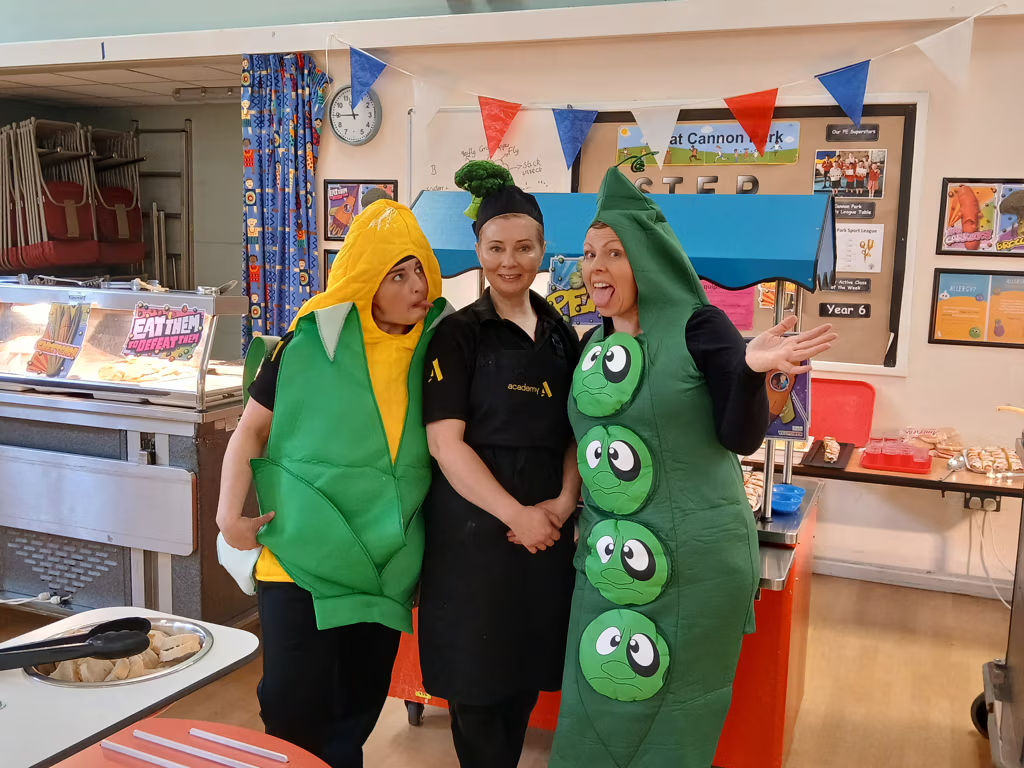
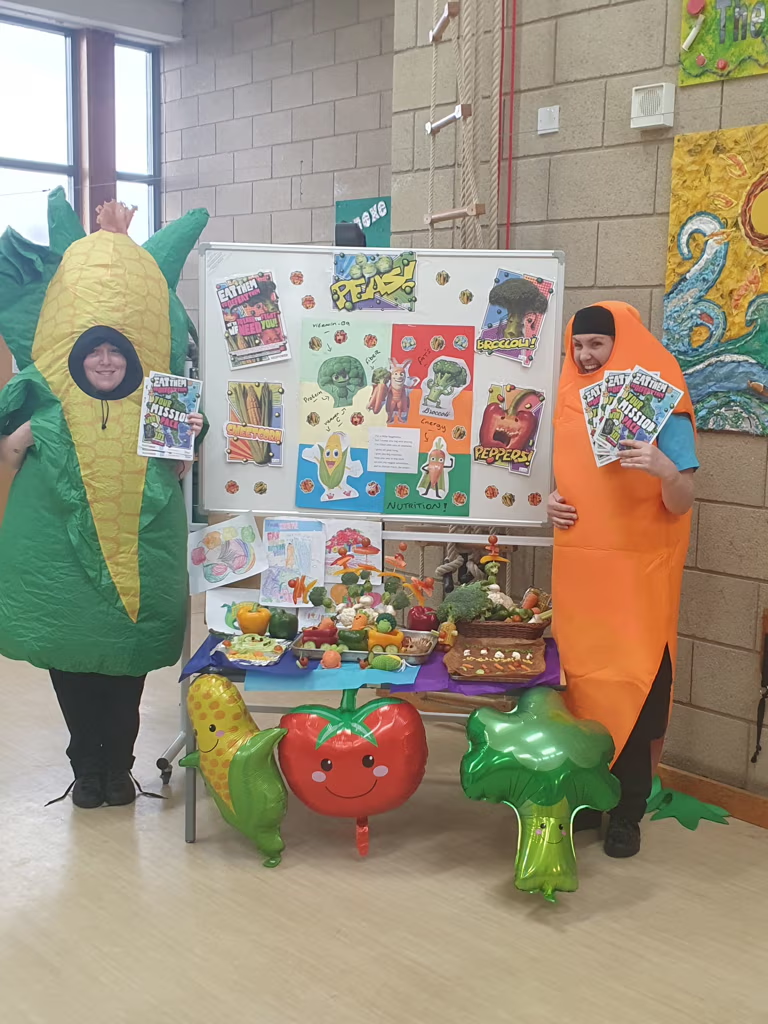
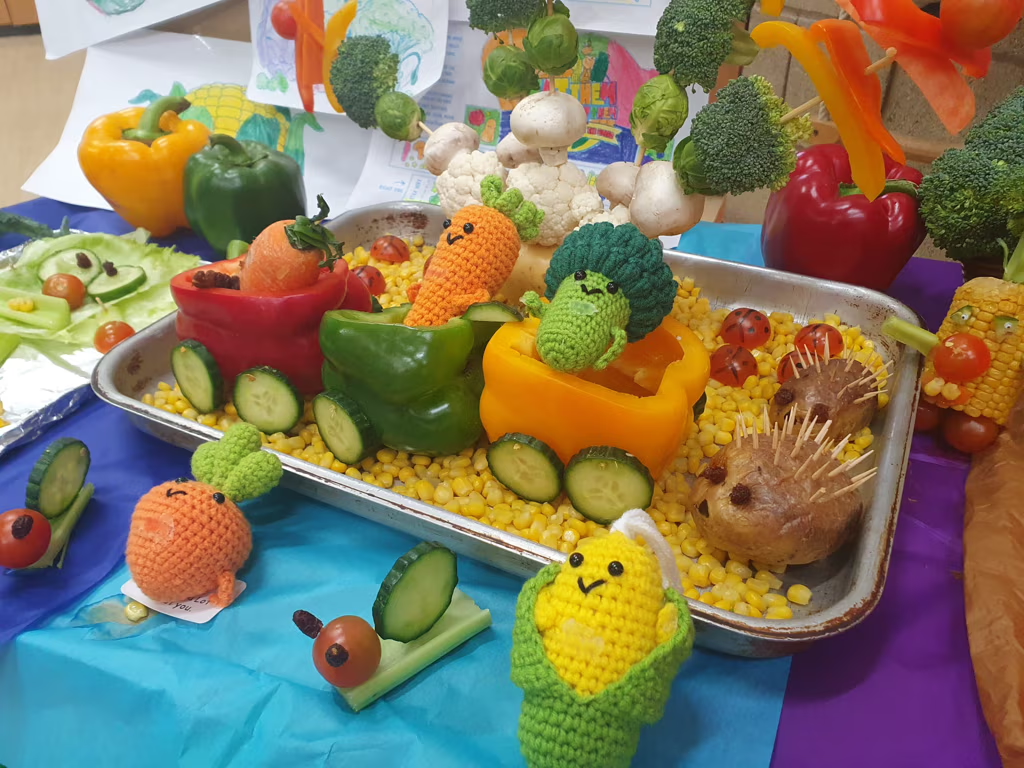
We provided participating schools with campaign packs, including posters, stickers, activity sheets, and take-home materials, as well as hosting online training sessions to help school teams get involved. Our catering teams brought the campaign to life through tasting workshops, vibrant displays, and even dressing up as vegetables to capture pupils’ imaginations.

The official focus week began on 10 March, but many schools continued activities beyond that date. At one school in Shrewsbury, Veg Power representatives hosted a special assembly and filmed the event for national promotion. Sweetcorn topped the popularity list among pupils, closely followed by carrots.

Celebrating Creativity and Impact

Several of our schools also entered the Veg Power Caterers Challenge, which recognises the most innovative campaign efforts with prizes of up to £500. After last year’s success, when Redhill Primary earned a Silver Award, we are hopeful for more recognition this year.

Feedback from our teams highlighted the positive reception:

The children truly embraced the challenge, and we’re excited to keep the momentum going.

– Karen Hodson, Operations Manager

Many children tried vegetables for the first time, and we’re looking forward to more initiatives like this.

– Kate Venables, Chef Manager

Continuing the Momentum for a Healthier Future

Although the campaign has ended, Angel Hill Food Co. remains dedicated to encouraging children to eat more vegetables. Through initiatives like Junior Chef’s Club and Lunchathon, we aim to inspire lifelong healthy eating habits and provide fun, educational food experiences.

By working alongside Veg Power, we are helping to shape a healthier future, one vegetable at a time.

Get in touch with our team to learn more about our education catering services and how we can support your school.

Advocating for Healthy School Meals at Westminster

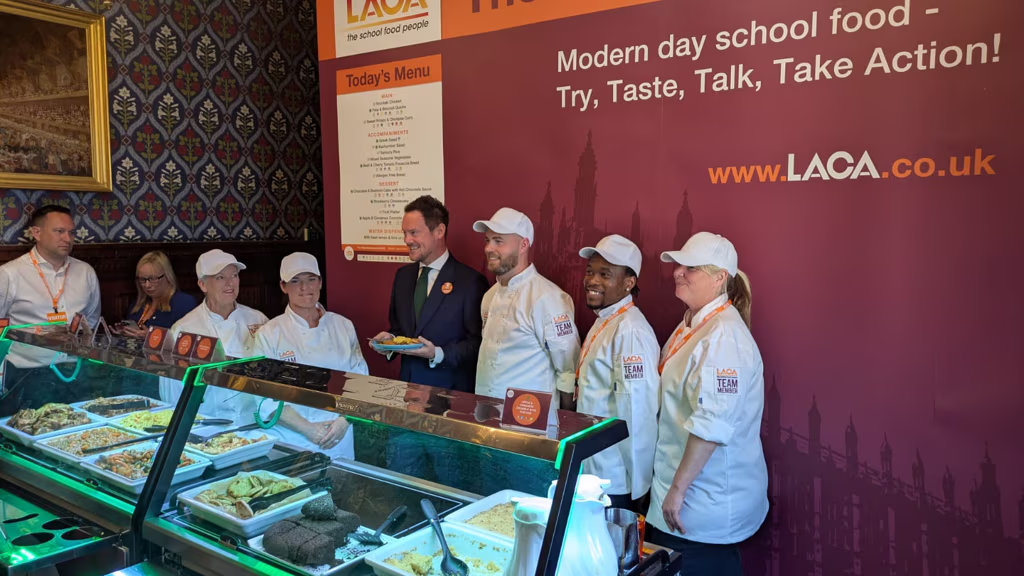
Angel Hill Food Co. proudly joined LACA’s Great School Lunch event at the House of Commons on 29 April 2025, reinforcing its commitment to healthy, high-quality school meals. Representing the company were Jennifer Brown, Catering Manager, and Rob Cass, Operations Manager, who showcased the passion, innovation, and care that go into every meal served to pupils across the UK.

Supporting the Call for Increased Free School Meals Funding

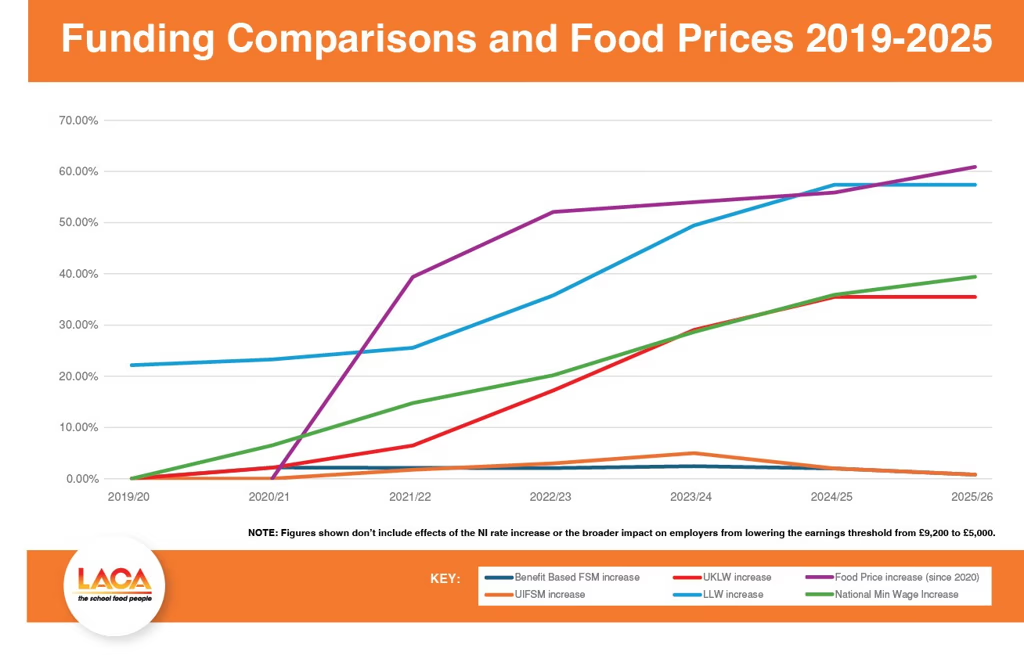
The event formed part of LACA’s national campaign to raise the Free School Meals allowance in England to £3.16 per meal. This funding increase would help schools and families during the cost-of-living crisis, ensuring children continue to receive nutritious, hot meals.

Rob and Jennifer joined catering and education leaders to highlight the importance of nutritious food for every child and to address the challenges schools face — from rising food prices and limited budgets to maintaining high nutritional standards.

Award-Winning School Chef Displays Excellence

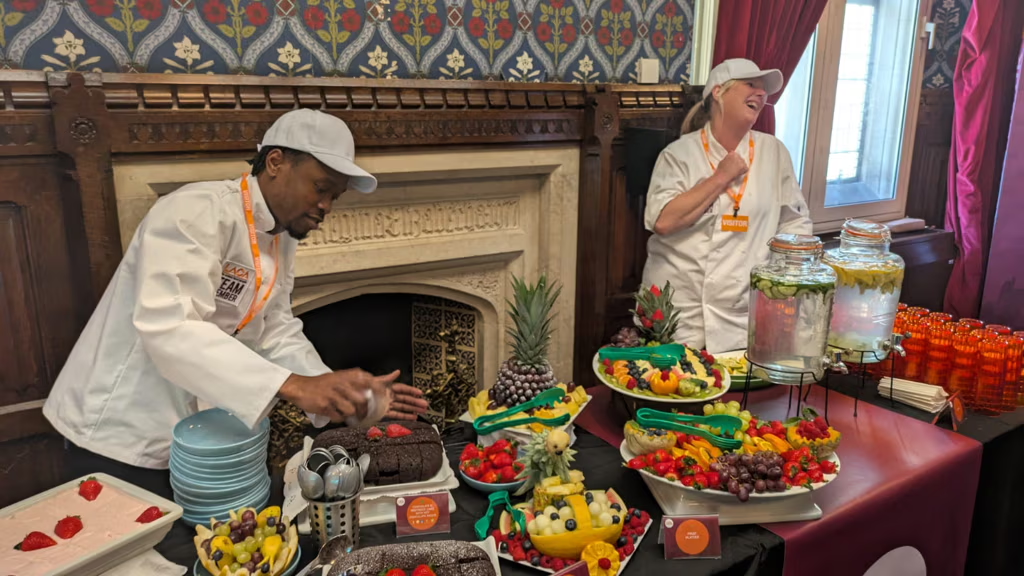
Jennifer Brown, LACA’s 2024 School Chef of the Year, prepared and served lunch to Members of Parliament, offering a first-hand taste of the balanced and appealing meals served in schools nationwide.

Menu highlights included:

  • Mains: Souvlaki chicken, feta & broccoli quiche, sweet potato & chickpea curry

  • Sides: Greek salad, kachumber salad, savoury rice, seasonal vegetables, focaccia

  • Desserts: Chocolate & beetroot cake with hot sauce, strawberry cheesecake, fresh fruit, apple & cinnamon crumble with custard

Jennifer’s participation demonstrated the expertise, creativity, and dedication behind every school meal served by Angel Hill Food Co.

Championing the Future of School Catering

Angel Hill Food Co., part of the OCS Group, supports LACA’s mission to ensure healthy, accessible meals for all pupils. The event also provided Rob Cass, LACA Southwest Vice Chair, with an opportunity to engage MPs on the vital role of school catering teams and the pressing need for better funding.

The presence of Angel Hill at Westminster underscored its leadership in education catering – balancing quality, sustainability, and value – and its commitment to shaping a healthier future for children.

Inspiring Future Talent Through Catering Work Experience

At Angel Hill Food Co., we’re passionate about supporting young people into the workplace and introducing them to exciting career paths within the facilities management and catering industry. As part of this commitment, our team in the Education Sector at North Shropshire College recently hosted two first-year catering students, Zoe and Gabby, for a hands-on work experience placement.

Real-World Catering Skills

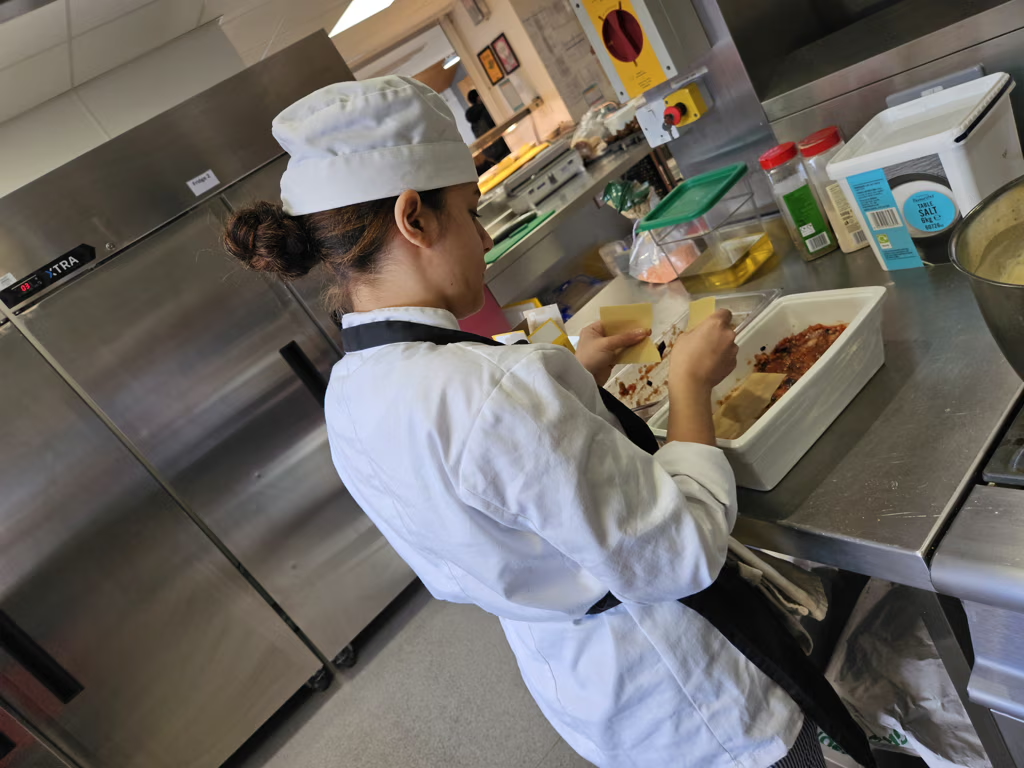
Over two days at the Walford Campus, Zoe and Gabby gained practical experience across all aspects of catering operations. Their activities included stock and delivery management, food and menu preparation, counter service, health and safety management, and kitchen operations.

The students also shadowed Estate Chef Manager, Francesca Gilmore, learning essential back-of-house skills such as income administration, product ordering, and menu planning.

Francesca emphasised the value of the experience:

This two-day placement gave both students a clear insight into a typical day in the further education catering sector. It showcased an alternative catering career path and could be a stepping stone toward an apprenticeship or a long-term role in our industry.

Inspiring the Next Generation of Chefs

For Zoe and Gabby, the placement was both educational and motivating:

  • Zoe: “The placement was very welcoming, and I received outstanding support and guidance. I took on a variety of tasks and improved my communication skills, which boosted my confidence.”

  • Gabby: “I loved it! This experience confirmed my passion for catering as a career. I enjoyed the variety of tasks and working with such a friendly and supportive team.”

Building Careers in Catering and Facilities Management

We believe in nurturing future talent by giving young people the opportunity to explore fulfilling careers through work experience and apprenticeships. By doing so, we help to shape the workforce of the future and strengthen the catering industry.

If you’re interested in offering or taking part in work experience programmes, get in touch to learn how OCS and Angel Hill Food Co. are developing the next generation of catering professionals.

Budgeting for Excellence: Catering in Education

Delivering high-quality food in schools has never been more complex. Education caterers are expected to meet strict nutritional standards, appeal to increasingly discerning young audiences and support wellbeing – all while operating within some of the tightest financial constraints in the sector. Achieving excellence under these conditions requires a thoughtful, strategic approach to budget school catering, where every decision is designed to balance cost, quality and long-term value.

In today’s education environment, budgeting is not simply about reducing spend. It’s about understanding where investment matters most, planning menus intelligently and empowering catering teams to work creatively within financial frameworks that are often under pressure.

Making smarter choices with limited resources

One of the defining challenges of budget school catering is managing rising costs across food, energy and labour, while funding levels remain largely fixed. This places significant responsibility on catering teams to plan menus that are both cost-effective and nutritionally robust.

Seasonal menu planning plays a vital role here. By building dishes around ingredients that are readily available and at their best, caterers can control costs while improving flavour and quality. Careful supplier partnerships, waste reduction strategies and forward planning all contribute to stretching budgets further – without compromising the meal experience for students.

This approach reinforces a key principle: value and quality are not opposites. With the right planning and expertise, simple ingredients can be transformed into meals that are appealing, nutritious and satisfying.

Expertise that drives excellence

Few people understand the realities of education catering better than Jennifer Brown, 2024 LACA School Chef of the Year. Her recognition reflects not only culinary skill, but an exceptional ability to deliver high standards within the financial pressures schools face every day.

Jennifer believes that success in budget school catering starts with people, not price points:

Great school food doesn’t start with a spreadsheet – it starts with skilled, confident teams who understand how to plan, cook and adapt. When chefs are properly supported, they can deliver nutritious, appealing meals while still working within very real budget constraints.

Her insight highlights a crucial truth across the sector: budgeting works best when it enables capability rather than restricting creativity.

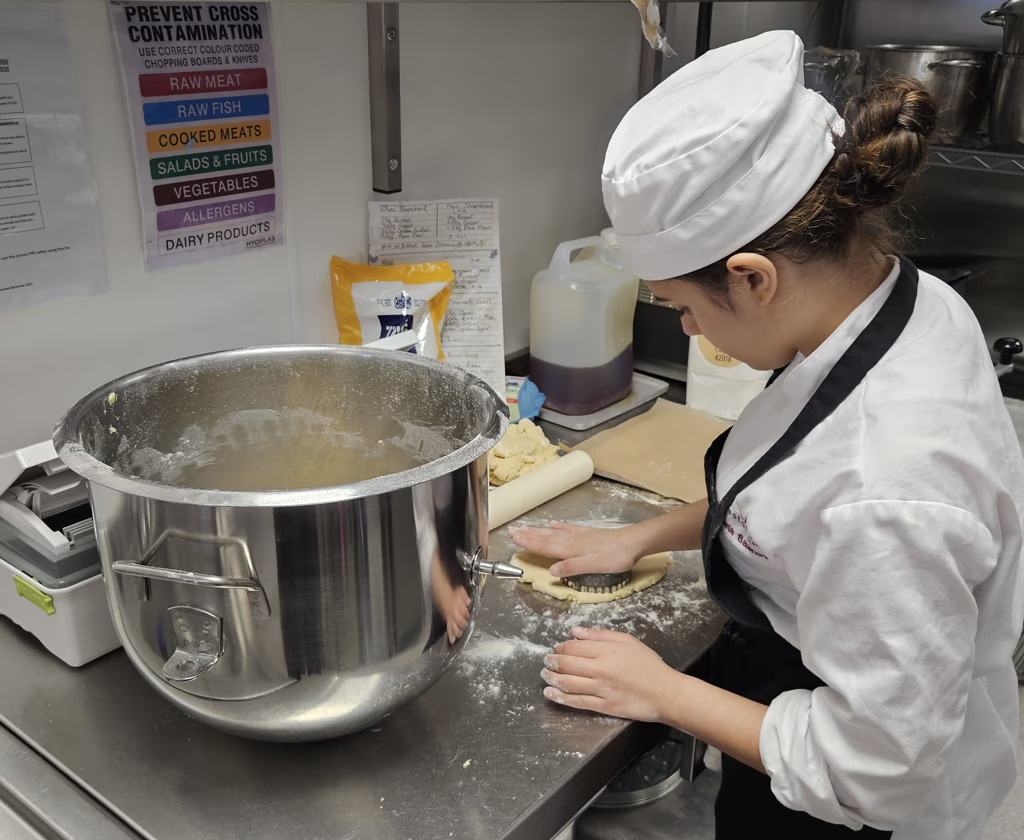
Jennifer Brown teaching the Culinary Classroom 24/25 cohort how to cook with underutilised British produce.

Investing in skills, not just systems

Training and development play a critical role in helping catering teams work effectively within tight budgets. When chefs are confident in portion control, ingredient utilisation and menu planning, they are far better equipped to reduce waste and maintain consistency – both of which directly protect margins.

Skilled teams can make thoughtful decisions about how ingredients are used across menus, ensuring that value is maximised without compromising quality. This not only improves financial performance but also boosts morale and pride in the food being served.

For many schools, investing in people is one of the most impactful ways to improve outcomes in budget school catering – creating kitchens that are resilient, adaptable and focused on continuous improvement.

Beyond the plate: the wider role of school catering

School catering has an influence that extends far beyond lunchtime. For many pupils, school meals provide the most balanced nutrition they receive in a day, making the role of caterers central to health, wellbeing and educational performance.

As a result, budget decisions carry long-term implications. Thoughtful planning can unlock wider benefits – from supporting food education and engagement to strengthening community connections through inclusive meal programmes.

Rather than limiting ambition, effective budgeting can act as a catalyst for smarter, more meaningful food provision.

Planning for a sustainable future

As costs continue to rise, the challenge for education catering will remain complex. Meeting it requires collaboration across schools, caterers and policymakers – alongside funding models that better reflect the true cost of delivering nutritious, high-quality meals.

In the meantime, the focus remains clear: skilled teams, smart planning and purposeful investment. When these elements come together, budget school catering can deliver far more than compliance – it can deliver excellence.

By treating budgets as a strategic tool rather than a limitation, education caterers can continue to serve food that nourishes bodies, supports learning and makes a lasting difference in young people’s lives.