Reframing Nutrition Education For Today’s Students

Hannah Parish works across schools and colleges as a Nutritionist, supporting catering teams to translate nutrition guidance into food that young people will actually choose to eat. Working closely with chefs, site teams and education partners, she focuses on practical nutrition, building healthier habits through everyday meals, clear education and accessible choices that support learning, wellbeing and long-term health.

Understanding How Students Engage With Food and Information

Nutrition education in schools and colleges is changing. Young people are exposed to more information than ever, much of it conflicting or misleading. Rather than seeing this as a barrier, Angel Hill Food Co. treats it as an opportunity to rebuild curiosity and confidence around food.

“The focus is on making healthier choices feel practical, enjoyable and relevant. Nutritious meals need to compete with what students already know and like, so flavour, familiarity and accessibility matter as much as nutritional value. By positioning healthy food as something students want to choose, rather than feel they should choose, nutrition education becomes more effective and more lasting.”

Designing Food That Supports Learning, Health and Growth

Recipe development plays a central role in this approach. Menus are being enhanced through higher fibre content, smarter protein strategies and a clearer focus on nutrients that support brain health, concentration, immunity and physical development.

A key priority is exposure. Many students will not choose unfamiliar foods without encouragement, so Angel Hill Food Co. creates safe, engaging opportunities to try something new. Inspired by the Food Foundation’s Eat More Beans campaign, bean-based recipes are being increased across menus, supported by interactive, bean-themed sessions in schools. These sessions show how versatile, filling and appealing plant-based ingredients can be, helping students build familiarity and confidence over time.

Keeping Nutrition Education Relevant Throughout the Year

To maintain momentum, Angel Hill has developed a 2026 Nutrition Calendar, giving each month a clear theme, from gut health to sustainability. This allows schools and colleges to engage with fresh, timely topics rather than one-off initiatives that quickly lose impact.

Content is adapted by age group so messages remain meaningful and memorable. New concepts are also being developed around hormone health and bone health, recognising the importance of these areas for children and young adults. This ensures nutrition education supports both male and female health in a way that reflects real developmental needs.

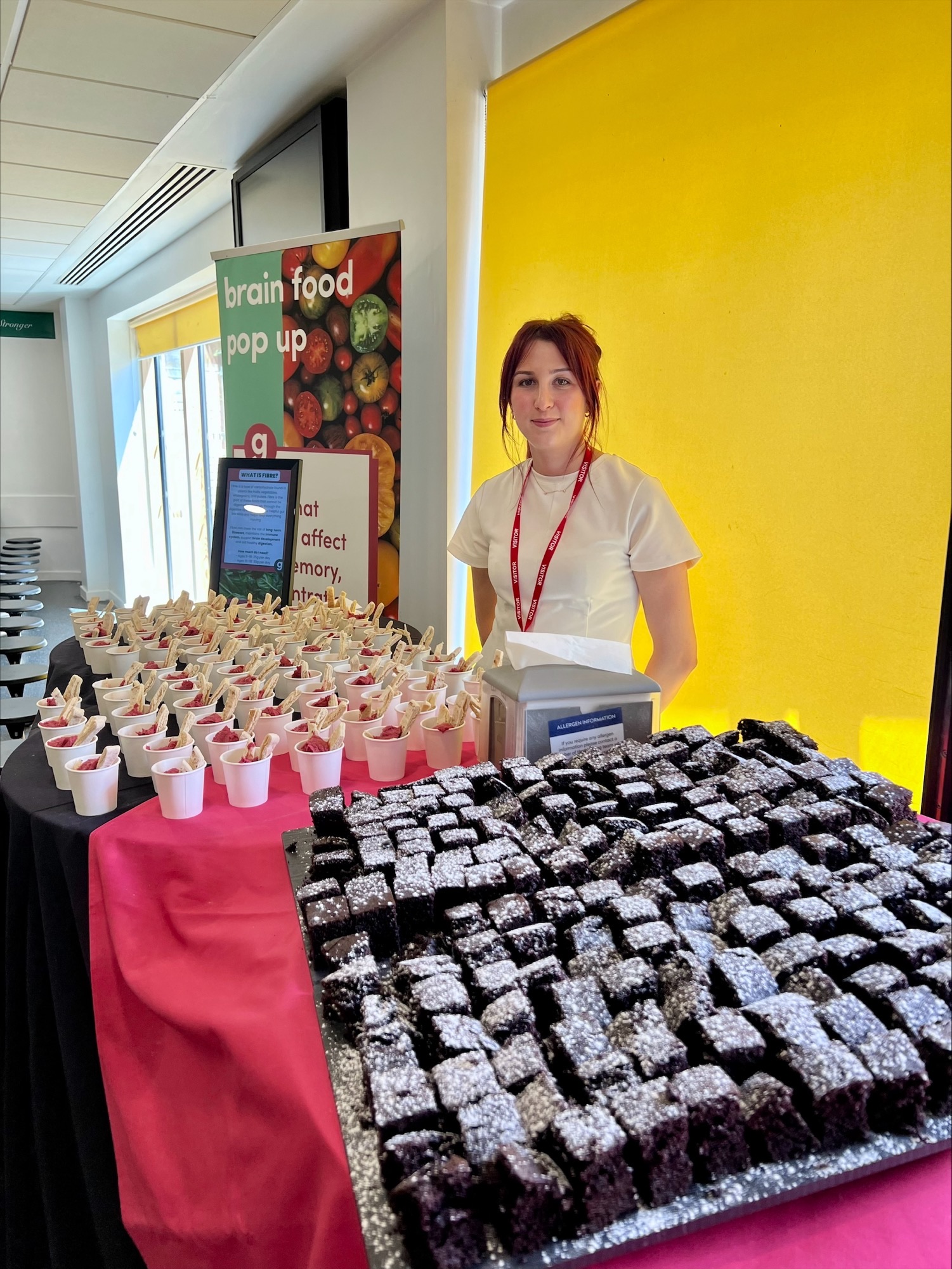
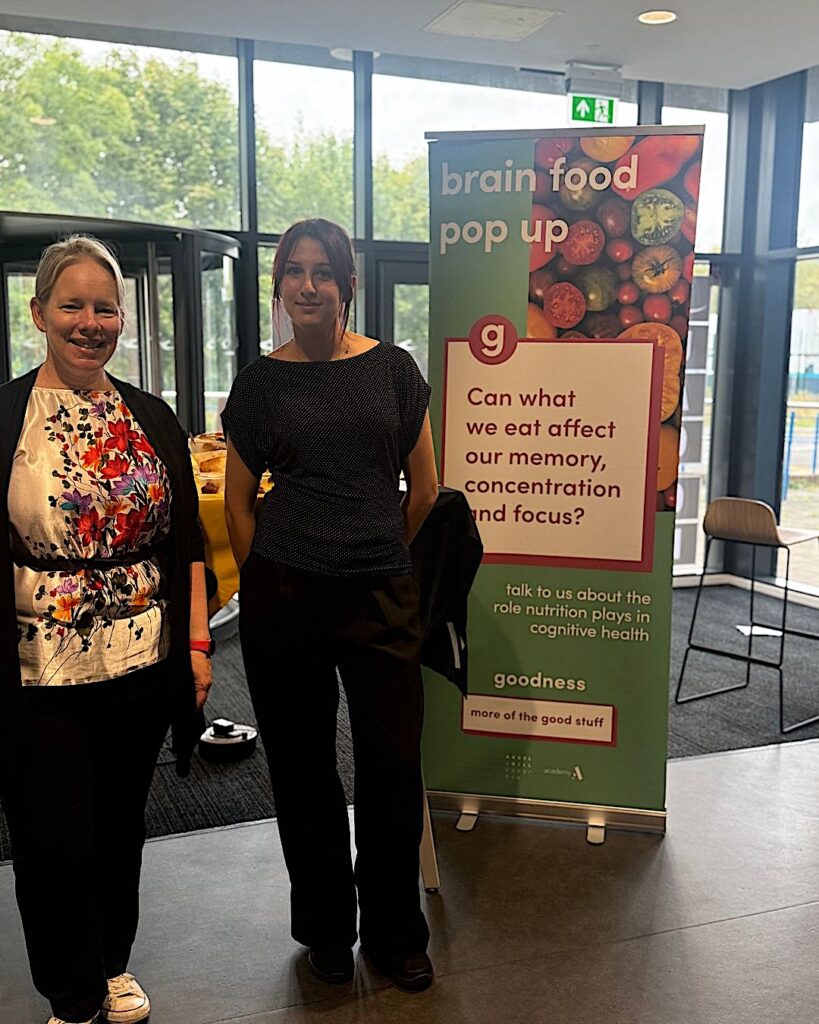
Alongside this, Goodness Pop-Up Toolkits provide sites with ready-to-use, evidence-based materials. These resources are regularly refreshed to keep conversations active and visible, helping students feel informed and empowered in their everyday choices.
Learning From 2025 and Shaping the Year Ahead

Campaigns delivered in 2025 reinforced that engagement matters most when education is interactive. While pop-ups are valuable for introducing new foods and gathering feedback, workshops and classroom-based sessions create deeper understanding. They allow teams to build on what students already know and tailor discussions to their interests and stage of life.

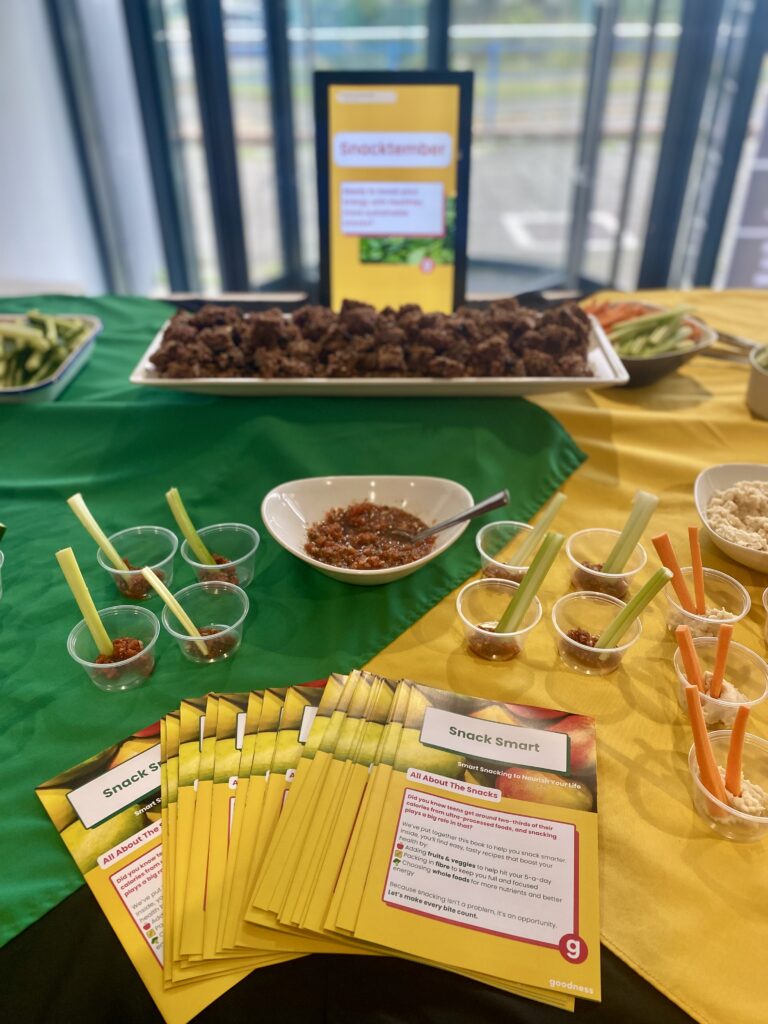
Participation in the British Nutrition Foundation’s Snacktember campaign highlighted the scale of snacking among children and teenagers, and its impact on energy, mood and concentration. In response, Angel Hill is launching a Snack Smart concept for schools, supporting better snacking habits year-round through more fruit and vegetables, higher fibre options and whole-food choices.

Accessibility was another key learning. Catering teams want to stay involved, even when specialist teams are not on site. For 2026, this has led to a stronger focus on simple, practical tools, such as printable nutrition cards that can be displayed instantly at counters. This keeps nutrition education consistent, visible and easy to deliver.

Turning Small Changes Into Lasting Habits

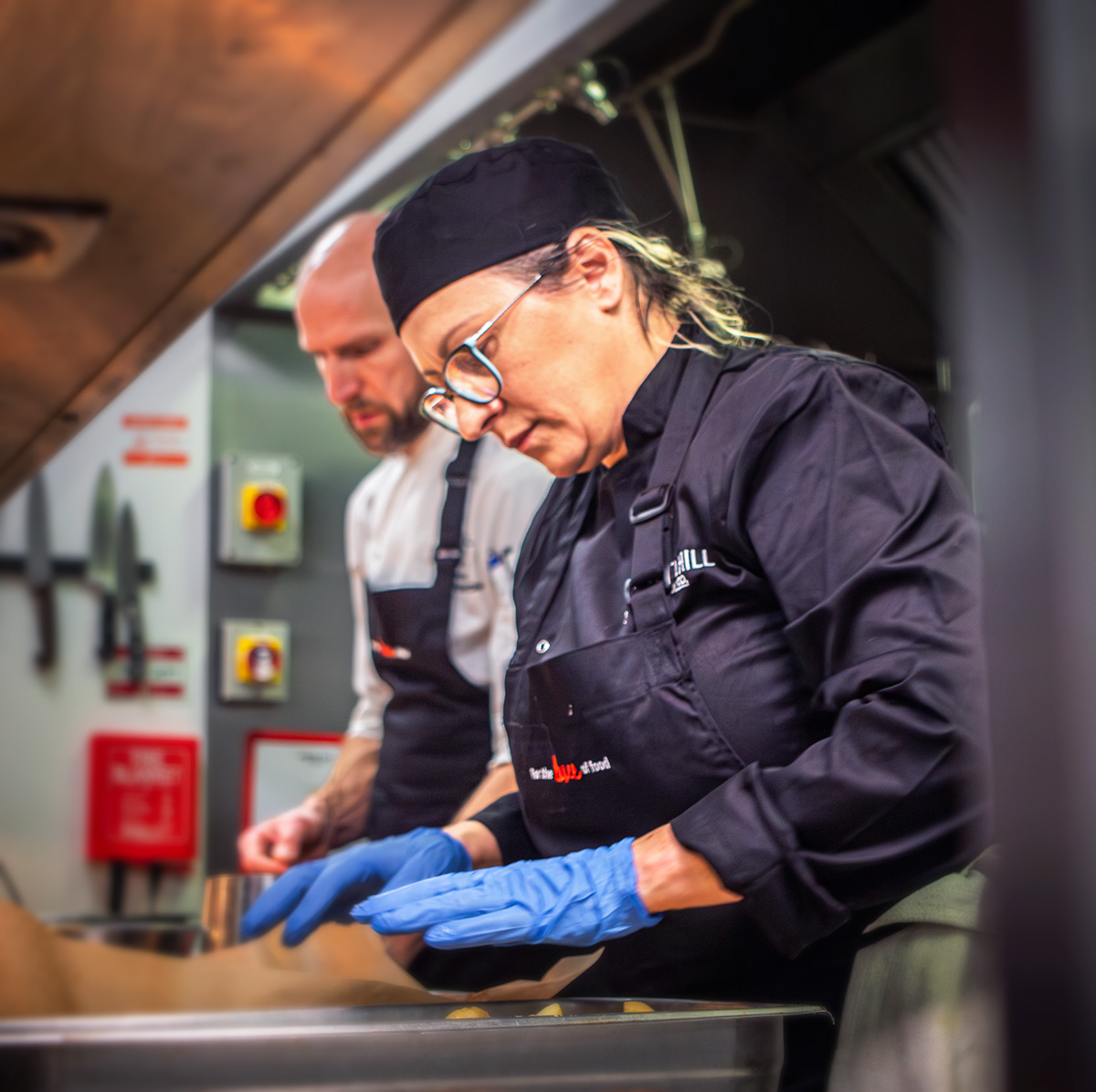
Work with chefs and catering teams shows that meaningful improvements often come from small, achievable changes. Familiar recipes are used as a base, with gradual additions such as wholegrains, extra vegetables or lower-sugar alternatives. These steps improve nutrition without increasing costs or disrupting service.

Menu planning also balances appeal, affordability and nutritional value through smart ingredient choices. Beans and pulses, including Future 50 foods, are used alongside meat to increase fibre and protein, reduce saturated fat and support sustainability. Hybrid recipes using allergen-free plant proteins allow costs and carbon impact to be reduced while maintaining flavours students enjoy.

Looking ahead, the strongest influence on education catering is a shift in how nutrition is discussed. Moving away from labels of “good” and “bad” food, Angel Hill focuses on adding more goodness to everyday meals. More fibre, more whole foods and more nutrients that help students feel energised, focused and emotionally steady.

By supporting chefs to talk confidently with students and explain why food matters, catering becomes part of the learning environment. The result is a positive food culture where students stay on site, feel included, and begin to build habits that support their wellbeing now and into adulthood.

Night-Time Neglect – Designing Nourishment Throughout The 24-hour Operating Cycle

In shift-based work environments, food supports people as they move through physically demanding, sustained work within defined timeframes. Energy, concentration, and recovery are determined by what is consistently available across the working cycle, rather than by any single meal or moment. 

As organisations operate across evenings and nights, food provision becomes part of how those shifts are experienced. Across industry conversations in distribution, logistics and manufacturing, a recurring pattern is increasingly recognised: night-time neglect.

The phrase is typically used to describe a pattern that appears when food provision changes overnight, unlike during the day.

Understanding Night-Time Neglect as a Design Issue

From a nutrition perspective, night-time neglect can be most accurately described as a design consideration within catering models.

Overnight colleagues regularly work to the same physical and cognitive demands as daytime teams. Break windows remain fixed. Output expectations remain consistent. Nutritional needs remain steady. Yet food provision can narrow gradually overnight as menus, formats, or replenishment routines adapt to inherited assumptions about mealtimes. 

Recognising this pattern early matters. It allows food service to be shaped intentionally around the full operating cycle, rather than adjusted reactively once behaviours have already formed. 

Amy Teichman, Head of Nutrition

Nutrition That Works With Real Behaviour

One principle guides how nutrition should be applied in real-life contexts: meet people where they are. 

Sustainable improvement rarely comes from imposing idealised eating patterns onto busy sites. It stems from understanding what people choose today, why they choose it, and how small adjustments can improve nutritional value without changing the character of the offer. 

Fibre is a good example. It is one of the most effective nutritional levers and one of the most under-consumed nutrients among adults. Increasing fibre intake supports gut health, a steadier energy supply, and immune function, yet it can be achieved through familiar foods: grains, pulses, vegetables, and legumes already present in many kitchens. 

These changes don’t require resetting the menu. They require considered design and consistent application. 

Designing The Overnight Offer With Intent

Addressing night-time neglect begins with how the overnight offer is planned. 

Different shifts have different rhythms, and food service must reflect that. What matters is that overnight colleagues have access to meals that support steady energy and recovery, and that those options feel intentional and worth choosing. 

In practice, this involves close attention to: 

  • balance and composition of meals 
  • ease in the navigation of choices during short breaks 
  • consistency of standards throughout all shifts 
  • food that feels designed, not residual

When these parts are in place, better nutrition comes naturally because the right choices are easier to make. 

Translating Nutrition Into Everyday Choices

A recent visit to DHL illustrates how nutrition-led design can translate into immediate, practical change. 

The site already produced good food, but one area, the salad bar, was not engaging customers as well as expected. Rather than redesigning the offer, the focus was on refining it. The team introduced a small number of additions they could already produce in-house, including a butter bean hummus and a Greek yoghurt dip.

The response was instant. Customers engaged with the offer because it felt more relevant and satisfying. The same thinking was applied to snacks, where in-house options such as energy balls and chickpea brownies were introduced. These were familiar, attractive and simple for teams to sustain. 

What changed was not the service’s structure, but how nutrition showed up in everyday choices. The food felt intentional and accessible, which is often where the most meaningful gains are made. 

Consistency Across Shifts

Nutrition influences more than physical health. It affects mood, focus and stamina, specifically in places where people work long or irregular hours. 

Balanced food supports gut health, which plays a role in energy regulation and immunity. During periods of increased illness, nutrition contributes to everyday resilience alongside good hygiene and rest. Food also interacts with stress and hormonal regulation in men and women alike, determining how people feel throughout the working day or night. 

Consistency matters here. When nourishment is planned across the full operating cycle, people experience a steadier relationship with food at work. Over time, that consistency supports attendance, engagement and performance. 

Designing Nourishment Into The System

Night-time neglect is best handled proactively, through design. 

Angel Hill Food Co. recognises night-time neglect as a known risk in operational catering environments and plans food services to avoid it. Nutrition insight is built into menu development, service design and the way onsite teams are supported, ensuring overnight provision is considered from the outset. 

The aim is not to change how people eat for the sake of it. It is to make nourishing choices easy, familiar, and repeatable, at any time a shift begins. 

Because nourishment doesn’t belong to one part of the day. It spans the entire operating cycle. 


Shaping Better Food Experiences Through Nutrition

We believe food should do more than fuel the day. It should support wellbeing, productivity and enjoyment — wherever people work, learn or connect. That belief sits at the heart of our approach to Nutrition, Healthy Catering and Workplace Nutrition.

To bring this to life, we spoke with Amy Teichman, our Nutrition and Development Lead, about how Angel Hill Food Co. is reshaping food experiences through evidence-based nutrition, data-led insight and a deep understanding of how people eat today.

Why Nutrition Matters in Modern Catering

Nutrition is no longer a “nice to have”. Across workplaces, education settings and public-facing environments, people expect food that supports both physical and mental well-being – without compromising on taste.

Our role as a caterer has changed,” Amy explains.

“Customers don’t just want great food – they want reassurance. They want to know it’s balanced, responsibly sourced and aligned to how people actually live and work.

This shift has placed Healthy Catering at the centre of service design. From portion balance and ingredient quality to allergen transparency and dietary inclusion, nutrition now underpins every menu decision we make.

Amy Teichman – Head of Nutrition, Angel Hill Food Co.

Designing Healthy Catering Without Compromise

Healthy Catering shouldn’t feel restrictive or clinical. Our philosophy is simple: nutrition-led food that people genuinely want to eat.

Amy describes the approach as “quietly intentional”:

“We don’t shout about ‘healthy’ on every dish. Instead, we design menus where balance is built in – through cooking methods, recipe development and smart ingredient choices.”

This includes:

  • Naturally balanced menus with a focus on whole ingredients

  • Reduced reliance on ultra-processed foods

  • Thoughtful use of plant-forward dishes alongside quality proteins

  • Clear nutritional consideration without sacrificing flavour or comfort

The result is catering that feels indulgent, familiar and exciting – while still supporting healthier choices every day.


Workplace Nutrition: Supporting Performance, Not Just Appetite

The conversation around Workplace Nutrition has evolved rapidly. With hybrid working, changing shift patterns and increased focus on wellbeing, food now plays a critical role in how people perform at work.

“Food impacts energy, concentration and mood more than people realise,” Amy says.

“In workplace environments, nutrition isn’t about restriction – it’s about sustaining people through long days, varied shifts and high-pressure roles.”

Angel Hill Food Co. designs Workplace Nutrition strategies that reflect how different environments operate – from corporate offices and distribution centres to education and high-footfall locations.

This includes:

  • Menus that support sustained energy levels

  • Flexible food offers aligned to working patterns

  • Clear labelling to support informed choice

  • Data-led insights to refine menus over time

By aligning food to the realities of the workplace, we help customers create environments where people feel supported, not slowed down.

Angel Hill Chef

Turning Nutritional Insight Into Real-World Impact

What sets Angel Hill Food Co. apart is how nutrition translates into delivery. This isn’t theory – it’s practical, measurable and embedded into day-to-day operations.

Amy highlights the importance of collaboration:

“Nutrition works best when it’s integrated – with chefs, operations teams and customers all aligned. That’s how you move from policy to plate.”

Our teams work closely with customers to ensure nutrition supports wider goals, from wellbeing strategies to sustainability commitments and social value outcomes.

A Nutrition-Led Future for Food at Work

As expectations continue to rise, Angel Hill Food Co. remains committed to leading the way in Nutrition, Healthy Catering and Workplace Nutrition – creating food experiences that are thoughtful, inclusive and genuinely impactful.

Because when food is designed with care, backed by insight and delivered with passion, it does more than feed people.

It helps them thrive.

Feeding Minds, Fuelling Futures: Why School Nutrition Matters More Than Ever

Food Setting the Foundation for Learning and Wellbeing

As the new academic year gets underway, millions of children across the UK are returning to classrooms with renewed energy and enthusiasm for learning. But before students can absorb that first lesson, answer that first question, or engage in that first group activity, they need something foundational: nutritious food that fuels their bodies and minds.

This is where school catering plays an undeniably critical role. In today’s increasingly challenging economic and social landscape, the food children eat at school is far more than a break in the day – it is part of their daily foundation for learning, health and long-term wellbeing.

The Link Between School Nutrition and Success

Robust evidence shows that well-balanced nutrition supports children’s ability to concentrate, retain information and regulate their behaviour in the classroom. Meals that include complex carbohydrates, protein, fibre and healthy fats help maintain stable blood sugar levels, giving students the sustained energy they need to stay alert and engaged throughout the school day. Conversely, poor nutrition – or starting the day without enough to eat – leads quickly to declining attention, low motivation, and even behavioural challenges that teachers and school leaders can see in real time. 

This insight underscores a simple but vital truth: nutrition drives learning. When a child is properly nourished, they are more receptive to instruction, better equipped for physical activity, and more ready to interact socially. This is the essential part of school life.

School Catering: A Frontline Nutritional Safety Net

For many children, school meals represent the most substantial and balanced portion of nutrition they receive in a day. In some cases, particularly for families under financial strain, these meals might be the most consistent source of nourishment available. As pressures on household budgets continue to rise across the UK, school catering companies have become an essential part of the safety net that supports families and ensures children don’t go hungry. 

This isn’t just about filling plates – it’s about providing meals that deliver essential nutrients and encourage positive eating habits. Opening students up to a broader range of flavours and foods they might not otherwise experience. Whether it’s introducing oily fish, pulses, a variety of vegetables, or seasonal fruit, the meals served have a long-term impact on dietary preferences and health outcomes.

Balancing Standards With Appeal

Meeting statutory school food standards is fundamental – but it’s not enough on its own. The real test of a successful school catering programme is whether children actually choose to eat what’s served. Achieving compliance with nutritional guidelines is one thing; making those meals appealing, tasty and engaging is another.

Working in partnership with schools, school catering companies are continuously innovating menus to strike that balance – ensuring dishes are packed with nutrients but also appealing to young tastes. This means carefully planning ingredients, experimenting with flavours, and creatively presenting food so students feel excited about what’s on offer. 

At the same time, rising food and labour costs pose ongoing challenges in maintaining variety and quality without passing those costs on. The expertise and commitment of experienced school catering teams make all the difference – helping schools navigate financial pressures without compromising on nutrition or taste.

A Collaborative Future for School Nutrition

Improving school nutrition and expanding the quality of school catering requires a collaborative effort – between schools, caterers, nutritionists, policymakers and families. Sustainable models that reflect contemporary dining habits and the diverse nutritional needs of children will help ensure all students are set up for success.

Investment in nutritious school food is far more than a line item in a budget: it’s an investment in our future – supporting cognitive development, promoting healthy habits and building resilience in the next generation. And as evidence grows around the links between school nutrition and both academic and long-term outcomes, the priority placed on quality school meals must remain high.

School Catering Companies: Partners in Learning

School catering companies are more than just food providers – they’re partners in education, health and community wellbeing. By delivering meals that nourish body and mind, they help create environments where children can flourish academically, socially and physically.

As we look ahead, one thing is clear: feeding young minds with nutritious food lays the groundwork for a brighter future – both inside and outside the classroom.