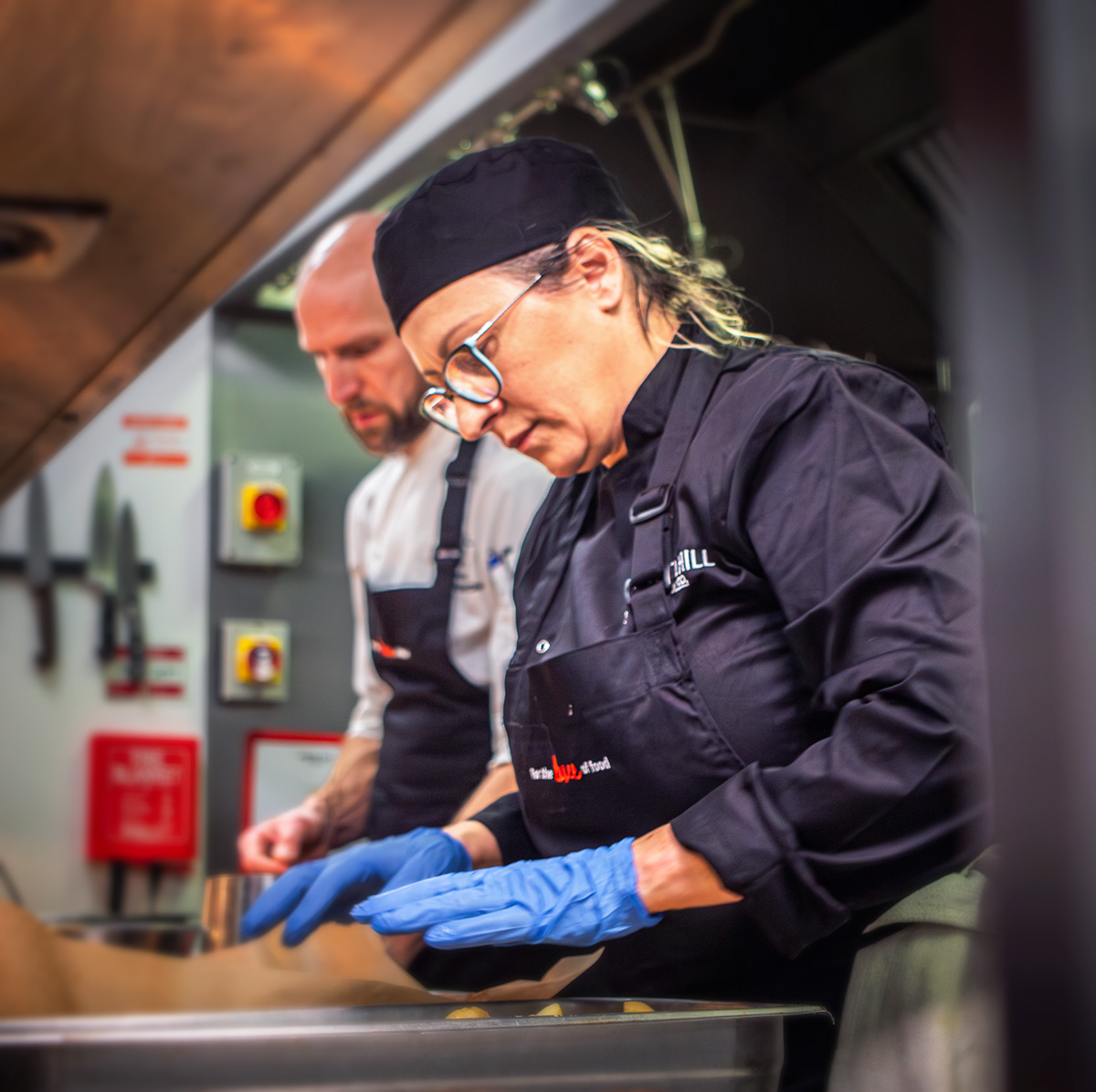
Night-Time Neglect – Designing Nourishment Throughout The 24-hour Operating Cycle

In shift-based work environments, food supports people as they move through physically demanding, sustained work within defined timeframes. Energy, concentration, and recovery are determined by what is consistently available across the working cycle, rather than by any single meal or moment. 

As organisations operate across evenings and nights, food provision becomes part of how those shifts are experienced. Across industry conversations in distribution, logistics and manufacturing, a recurring pattern is increasingly recognised: night-time neglect.

The phrase is typically used to describe a pattern that appears when food provision changes overnight, unlike during the day.

Understanding Night-Time Neglect as a Design Issue

From a nutrition perspective, night-time neglect can be most accurately described as a design consideration within catering models.

Overnight colleagues regularly work to the same physical and cognitive demands as daytime teams. Break windows remain fixed. Output expectations remain consistent. Nutritional needs remain steady. Yet food provision can narrow gradually overnight as menus, formats, or replenishment routines adapt to inherited assumptions about mealtimes. 

Recognising this pattern early matters. It allows food service to be shaped intentionally around the full operating cycle, rather than adjusted reactively once behaviours have already formed. 

Amy Teichman, Head of Nutrition
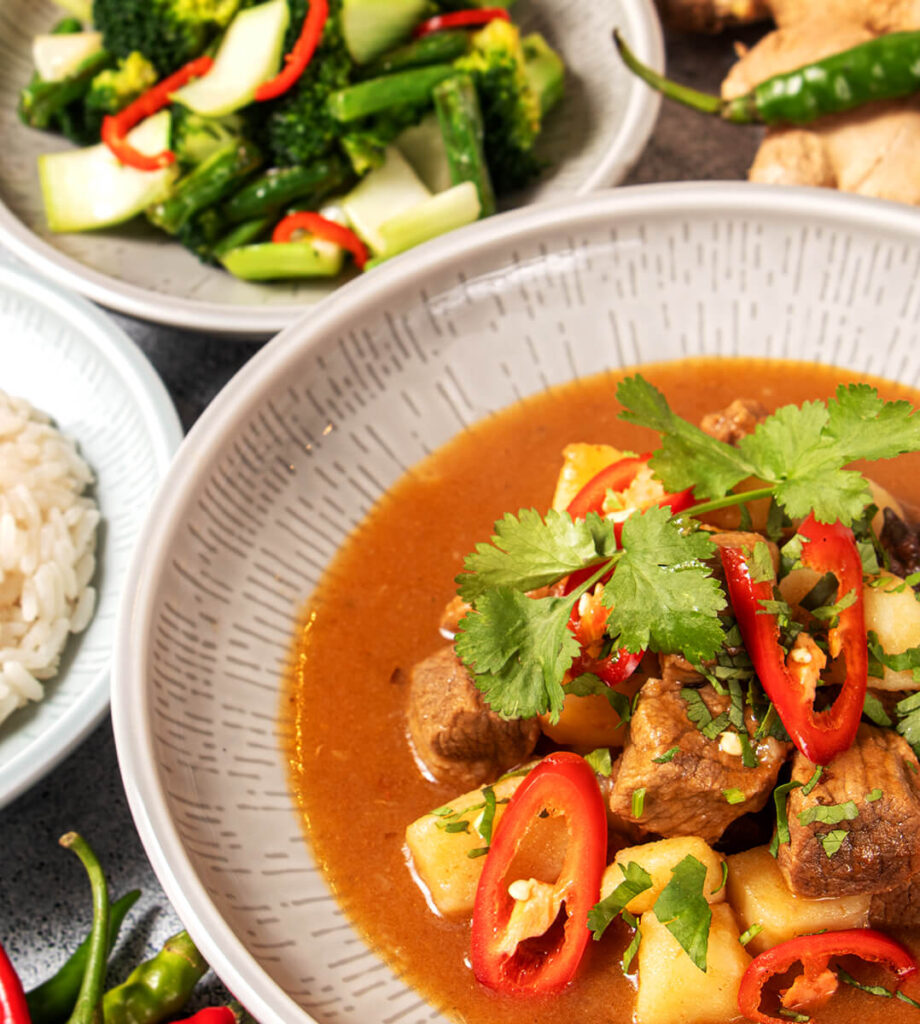
Nutrition That Works With Real Behaviour

One principle guides how nutrition should be applied in real-life contexts: meet people where they are. 

Sustainable improvement rarely comes from imposing idealised eating patterns onto busy sites. It stems from understanding what people choose today, why they choose it, and how small adjustments can improve nutritional value without changing the character of the offer. 

Fibre is a good example. It is one of the most effective nutritional levers and one of the most under-consumed nutrients among adults. Increasing fibre intake supports gut health, a steadier energy supply, and immune function, yet it can be achieved through familiar foods: grains, pulses, vegetables, and legumes already present in many kitchens. 

These changes don’t require resetting the menu. They require considered design and consistent application. 

Designing The Overnight Offer With Intent

Addressing night-time neglect begins with how the overnight offer is planned. 

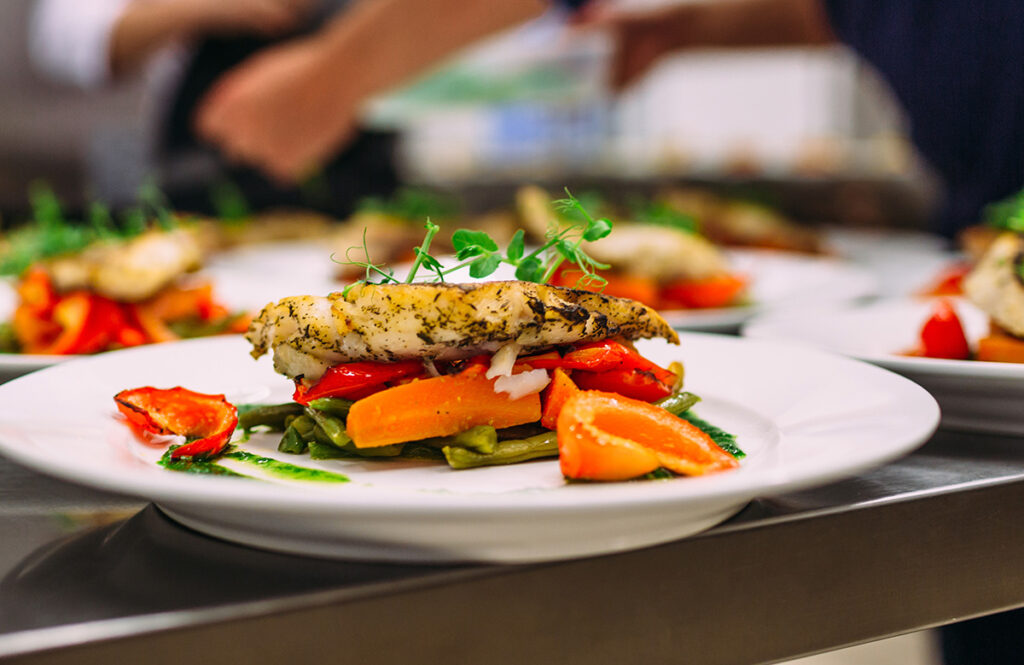
Different shifts have different rhythms, and food service must reflect that. What matters is that overnight colleagues have access to meals that support steady energy and recovery, and that those options feel intentional and worth choosing. 

In practice, this involves close attention to: 

  • balance and composition of meals 
  • ease in the navigation of choices during short breaks 
  • consistency of standards throughout all shifts 
  • food that feels designed, not residual

When these parts are in place, better nutrition comes naturally because the right choices are easier to make. 

Translating Nutrition Into Everyday Choices

A recent visit to DHL illustrates how nutrition-led design can translate into immediate, practical change. 

The site already produced good food, but one area, the salad bar, was not engaging customers as well as expected. Rather than redesigning the offer, the focus was on refining it. The team introduced a small number of additions they could already produce in-house, including a butter bean hummus and a Greek yoghurt dip.

The response was instant. Customers engaged with the offer because it felt more relevant and satisfying. The same thinking was applied to snacks, where in-house options such as energy balls and chickpea brownies were introduced. These were familiar, attractive and simple for teams to sustain. 

What changed was not the service’s structure, but how nutrition showed up in everyday choices. The food felt intentional and accessible, which is often where the most meaningful gains are made. 

Consistency Across Shifts

Nutrition influences more than physical health. It affects mood, focus and stamina, specifically in places where people work long or irregular hours. 

Balanced food supports gut health, which plays a role in energy regulation and immunity. During periods of increased illness, nutrition contributes to everyday resilience alongside good hygiene and rest. Food also interacts with stress and hormonal regulation in men and women alike, determining how people feel throughout the working day or night. 

Consistency matters here. When nourishment is planned across the full operating cycle, people experience a steadier relationship with food at work. Over time, that consistency supports attendance, engagement and performance. 

Designing Nourishment Into The System

Night-time neglect is best handled proactively, through design. 

Angel Hill Food Co. recognises night-time neglect as a known risk in operational catering environments and plans food services to avoid it. Nutrition insight is built into menu development, service design and the way onsite teams are supported, ensuring overnight provision is considered from the outset. 

The aim is not to change how people eat for the sake of it. It is to make nourishing choices easy, familiar, and repeatable, at any time a shift begins. 

Because nourishment doesn’t belong to one part of the day. It spans the entire operating cycle. 

 

For the Love of Food: Q&A with Henry Watts on the vision behind Angel Hill Food Co.

Following the launch of the refreshed brand, we spoke with Henry Watts, Managing Director for Angel Hill Food Co. about the thinking behind the relaunch, what customers and colleagues can expect, and why food and the people who prepare it sit at the heart of the vision.

What inspired the relaunch of Angel Hill Food Co.?

Angel Hill Food Co. sits on strong foundations, but it reached a natural moment of change. The business OCS acquired in 2012 had served the B&I market well for many years, but the brand no longer reflected where the offer had grown to or where it was heading.

The Angel Hill name itself is rooted in heritage. It comes from Bury St Edmunds, where the Servest business, a forerunner of OCS, began. Angel Hill is the street where that story started, being one of the oldest food markets in the country and a centre of culinary excellence and exploration. The relaunch reconnects the catering offer to its origin, while giving it a clearer, more contemporary identity that reflects the quality of food and service now being delivered.

What will customers notice first about the new brand?

The most important change is not visual; it is experiential. Food is centre stage. Angel Hill Food Co. is about fresh ingredients, freshly prepared food, and menus that change and evolve.

Food plays a much wider role in people’s lives than simply sustenance. It brings people together, marks occasions, reflects culture, and creates moments of connection. That belief underpins the strapline ‘For the Love of Food’. It is a simple expression of why the offer exists and of the teams that deliver every day.

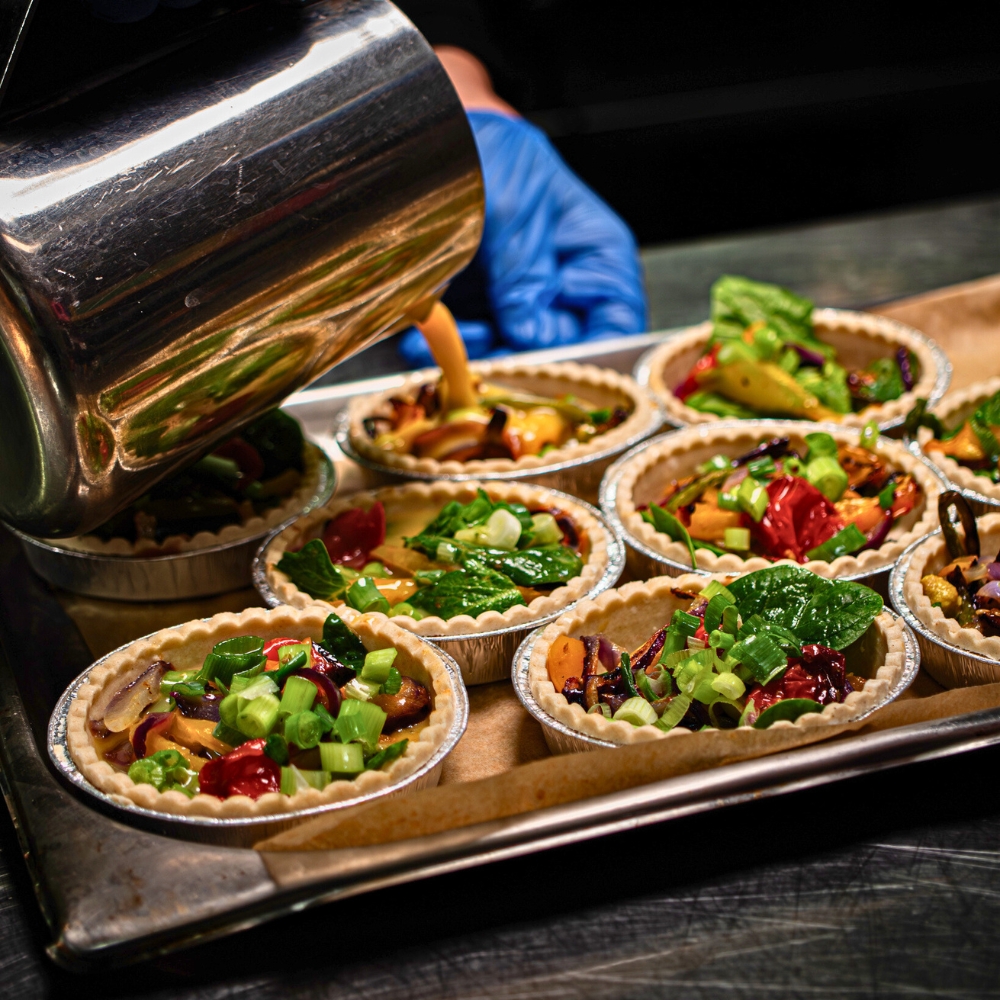
Customers should see food that looks appealing, tastes good, and is prepared with care, using responsibly sourced ingredients. The branding supports that story, but the proof sits on the counter.

How important are people in bringing the brand to life?

People are fundamental. Frontline colleagues are the face of the business. They interact with customers every day, they understand local preferences, and they shape the experience far more than any brand asset ever could.

The focus is always on having the right people in place. When colleagues share the right values, skills can be taught, and knowledge can be developed. That means investing in training, support, and the tools that make it easier to deliver great food and great service.

There is a simple truth behind the model. Great food leads to happy customers. Happy customers lead to strong customer relationships. None of that happens without colleagues who care about what they do.

How are teams empowered while maintaining consistency and safety?

Food safety and allergens are non-negotiable. Those standards create clear boundaries. Within them, colleagues are trusted to apply their local knowledge.

What works in Scotland may not work in Cornwall. Preferences vary by region, site, and customer group. Teams understand that detail better than anyone and are encouraged to adapt menus within agreed frameworks. That balance between consistency and empowerment is essential to delivering a safe, relevant, and engaging food offer.

What makes Angel Hill Food Co. different in a crowded catering market?

Angel Hill Food Co. benefits from being part of OCS while retaining the agility of a specialist catering business. That combination matters.

The business operates with the flexibility and responsiveness often associated with smaller operators, while drawing on the scale, resources, and support of a wider facilities management group. This allows Angel Hill Food Co. to work successfully as a standalone catering partner or as part of a broader, integrated offer.

For customers, it means access to a catering brand that feels personal and focused, but is backed by resilience, governance, and long-term capability.

What do you want customers and colleagues to feel when they experience the brand?

For customers, the experience should feel personal. Catering is the one service on-site people actively choose and pay for, which makes quality and value highly visible.

When people see the Angel Hill Food Co. name, they should associate it with fresh food, great service and food crafted with care and purpose. That means menus shaped with nutrition in mind – not as an add-on, but as part of how food supports people through their day, whether they’re working, learning or delivering essential services.

For colleagues, the brand should feel inclusive and supportive. Investment in training, development, and tools helps teams feel included in a greater entity, even when they are geographically distant from the head office. That sense of being part of a team directly influences consistency and pride in delivery.

How will the brand continue to develop over time?

Consistency matters as much as creativity. The ambition is not to have peaks and troughs, but to deliver a steadily improving service. New concepts, chef development, and menu evolution are all part of that journey, designed to keep customers engaged day after day.

Feedback from sites already shows growing confidence in the offer and stronger customer response. That momentum comes from clarity of purpose and having the right people delivering it. Retaining existing partnerships and earning new ones flows naturally from doing the basics well, every day.

Angel Hill Food Co.’s relaunch is about reaffirming a simple idea: when food is prepared with care by people who are supported and trusted, it creates better experiences for everyone.

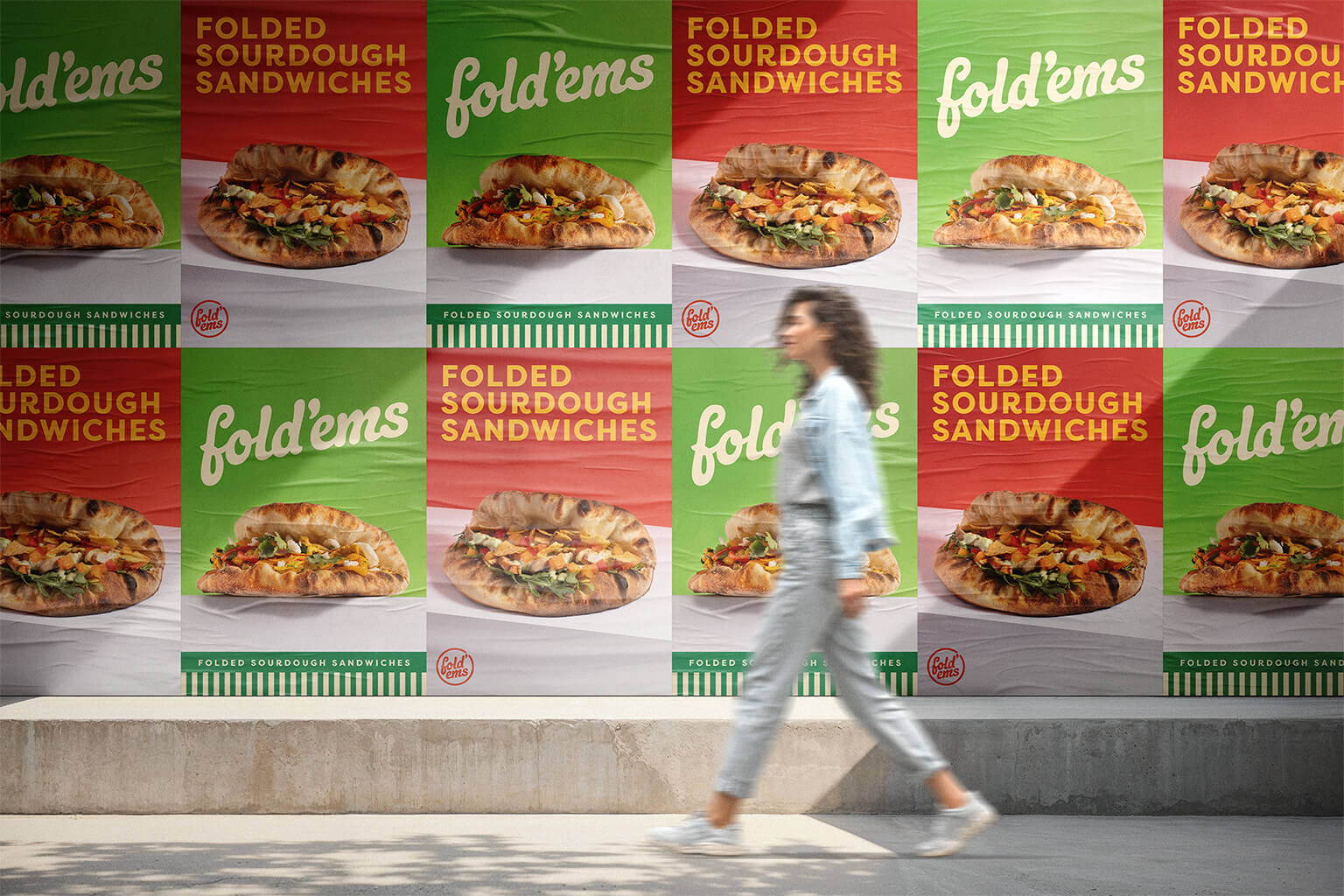
Introducing Fold’ems – A new Street-Food Concept Built for the Modern Workplace

A Street-Food Twist Built for the Modern Workplace

The way people eat at work is changing. Today’s corporate workplace demands food that is fast, flavour-led and flexible – without compromising on quality or craft. Responding to these shifting expectations, Angel Hill Food Co. is proud to launch Fold’ems: a bold new sourdough sandwich concept designed for busy workplaces that still crave something exciting.

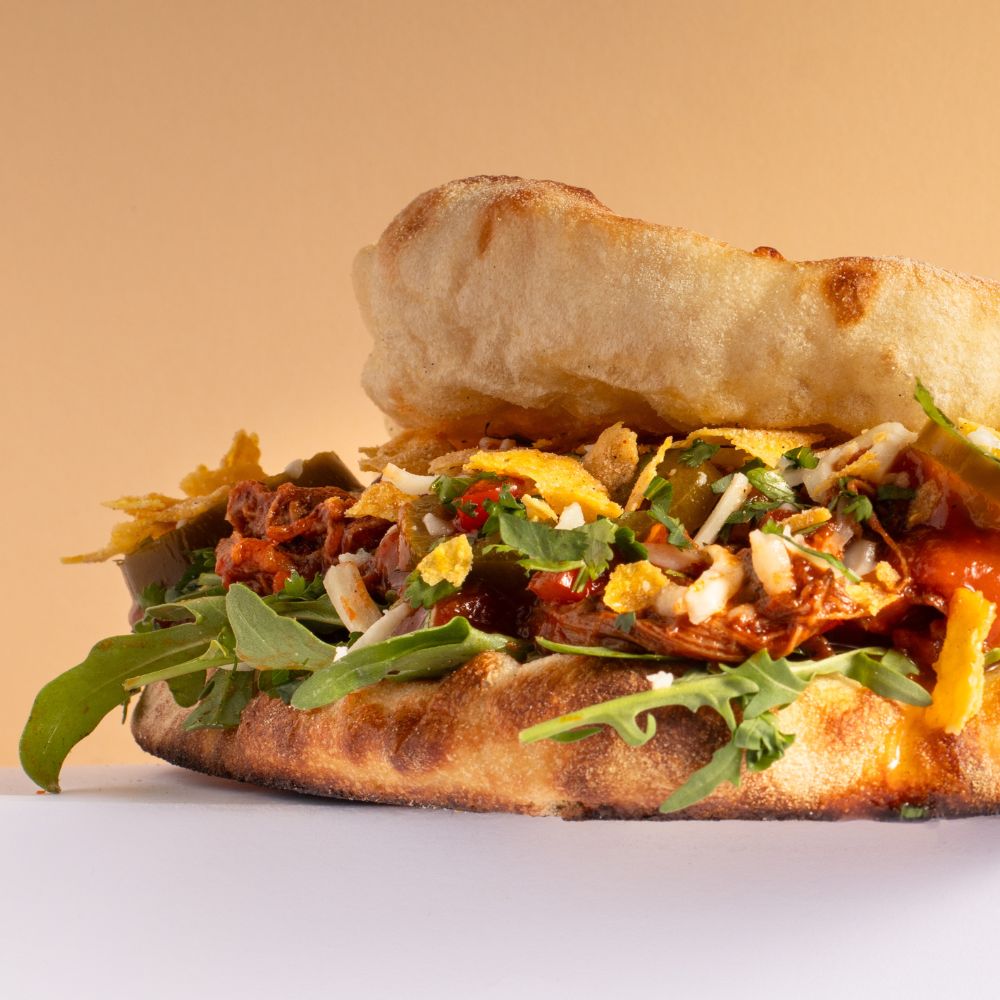
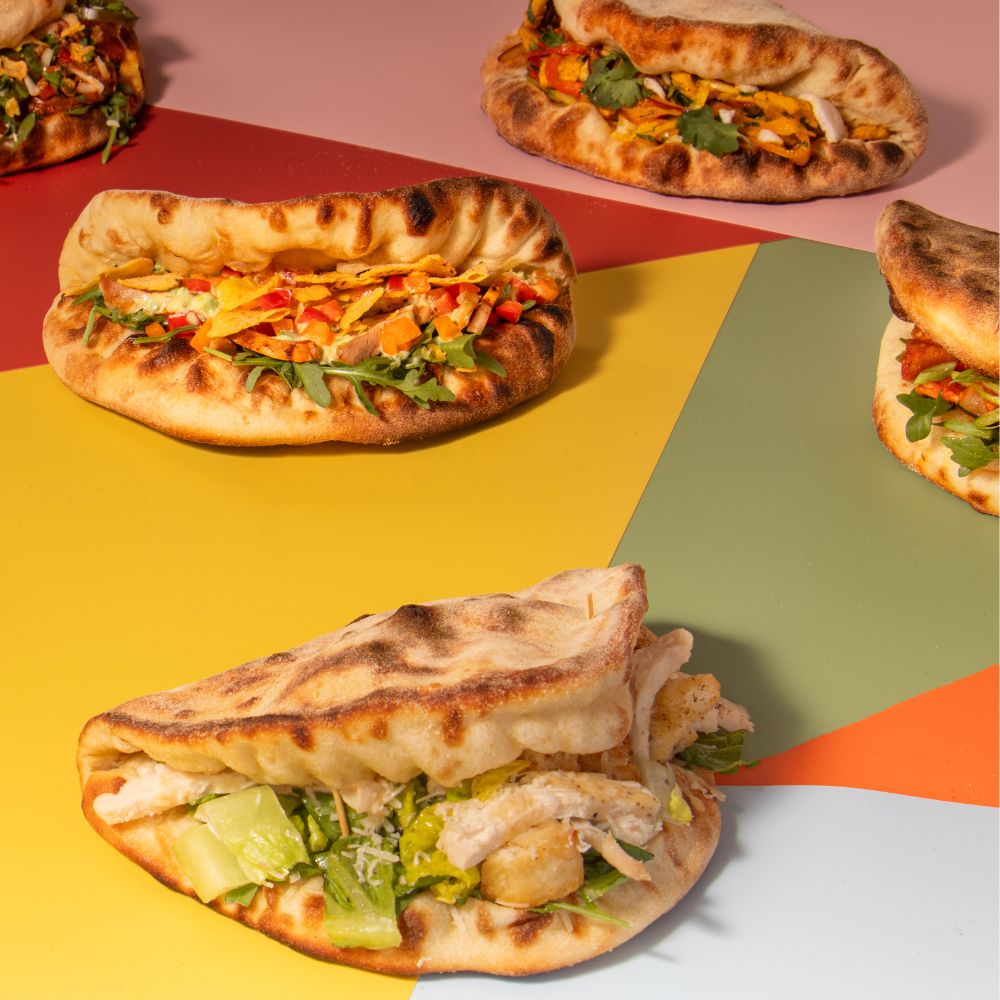
Fold’ems take the familiarity of pizza dough and reimagine it for the workday. Made using fermented sourdough, baked for flavour and texture, then folded and filled with vibrant, globally inspired ingredients, Fold’ems deliver a filling, satisfying meal that’s easy to eat on the move. They’re built for grab-and-go counters, pop-up activations and high-footfall catering environments where speed, consistency and quality matter equally.

At its heart, Fold’ems is a street-food concept – confident, modern and unpretentious – but carefully engineered for the realities of the corporate workplace.

Built for How People Really Eat at Work

As office attendance patterns continue to evolve, so do expectations around food. Employees want choice, convenience and quality without slowing down their day. Fold’ems answer that need perfectly: compact enough for a quick break, substantial enough to satisfy, and exciting enough to feel like a treat rather than a compromise.

“Fold’ems taps directly into what we’re seeing across the industry,” says Chris Ince, Chef Director at Angel Hill Food Co.

There’s a clear shift towards food that’s fast but still crafted, familiar but elevated. Fermented doughs, bold flavours and street-food influences are all huge right now, particularly in workplace dining. Fold’ems brings all of that together in a format that works operationally and delivers on taste.

The sourdough base provides depth of flavour and texture, while the folded format makes it practical for busy environments. From classic combinations to more adventurous flavour profiles, the menu has been designed to rotate easily, encourage repeat visits and sit comfortably alongside wider workplace food offers.

Innovation Shaped by Chefs, Sites and Customers

Fold’ems wasn’t developed in isolation. From the earliest stages, Angel Hill Food Co.’s culinary team worked closely with site chefs, operational teams and customers. Care was put in to testing, refining and pressure-testing the concept in real workplace environments.

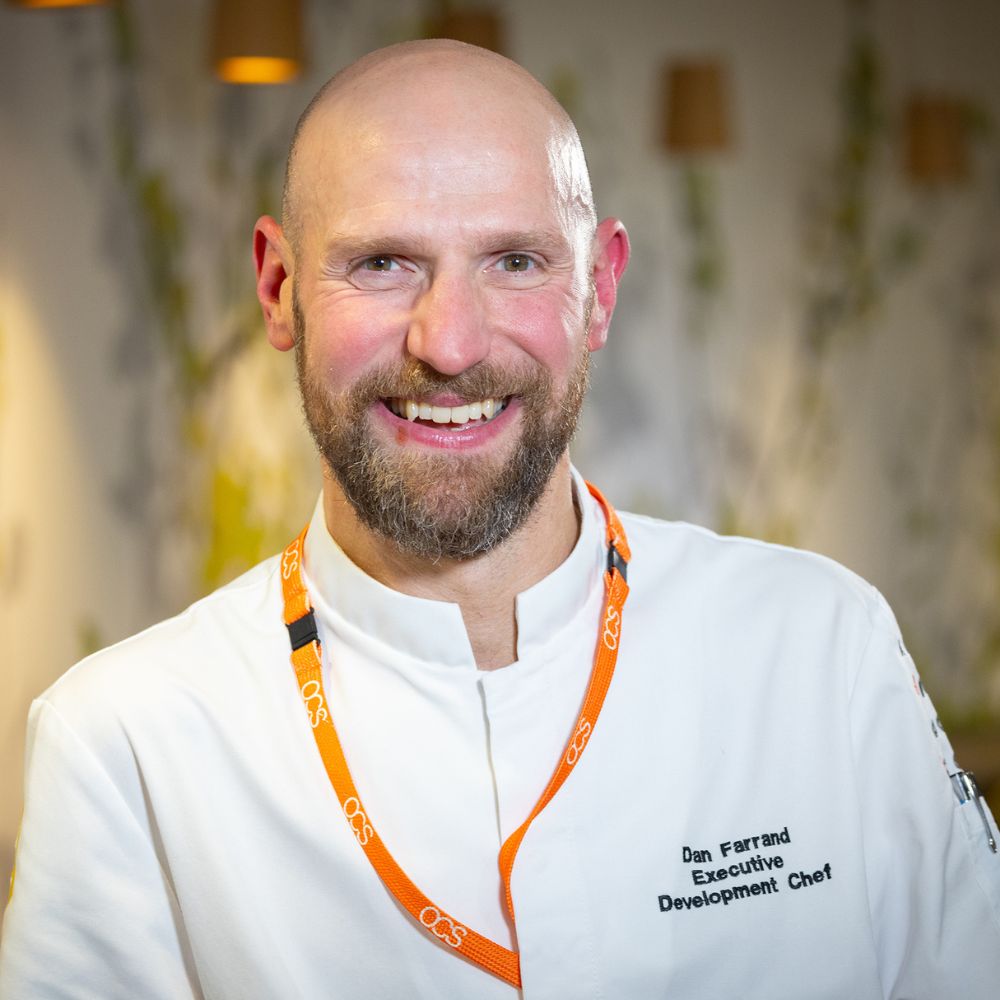
“Fold’ems came from listening,” explains Dan Farrand, the concept’s creator at Angel Hill Food Co.

We involved our site teams and customers throughout the process – from initial tastings to live trials. That feedback shaped everything: the dough, the folding method, the fillings and how it’s served. The aim was to create something genuinely new, but practical, exciting and relevant to the modern workplace.

That collaborative approach ensured Fold’ems delivers not just on creativity, but also on consistency, speed of service and scalability – all critical factors in corporate catering.

A Fresh Addition to the Angel Hill Food Co. Portfolio

Fold’ems reflects Angel Hill Food Co.’s ongoing commitment to innovation, quality and evolving workplace food culture. It complements the brand’s wider focus on flavour-first food, crafted by chefs who understand both culinary trends and operational realities.

Whether served as a lunchtime hero, a mid-afternoon pick-up or part of a rotating street-food offer, Fold’ems brings energy, choice and excitement to workplace dining – proving that fast food at work doesn’t have to feel rushed or ordinary.

Fold’ems is now rolling out across Angel Hill Food Co. sites, bringing a bold new way to eat to workplaces across the UK – for the love of food, folded perfectly.