Innovation has become a defining force in modern food service. As expectations rise across workplace dining, caterers are being challenged to deliver food that is creative, relevant, responsible and operationally sound. At Angel Hill Food Co., catering innovation is not a trend-driven exercise – it is a disciplined, collaborative approach to shaping the future of food at work.
We sat down with Chris Ince, Chef Director, to explore what innovation really means in today’s catering landscape, how ideas are brought to life, and how Angel Hill continues to innovate catering in ways that matter to customers and colleagues alike.
Chris, what does “innovation” actually mean in a catering context today?
Chris Ince:
For me, innovation in catering is about progress, not novelty. It’s easy to chase trends, but real innovation solves problems for customers and improves how food performs in a live environment. That might mean improving nutritional balance, reducing carbon impact, speeding up service, or making food more accessible to different audiences.
True catering innovation balances creativity with consistency. If an idea can’t be delivered at scale, or doesn’t resonate with customers, then it isn’t innovation – it’s just experimentation.

Where does innovation start at Angel Hill Food Co.?
Chris Ince:
It always starts with listening. We listen to our customers, our site teams and our chefs. They are closest to the reality of service – they know what customers ask for, what sells, and what causes friction.
From there, ideas are developed collaboratively. We test concepts in real kitchens, refine them based on feedback, and pressure-test them operationally. That process ensures we innovate catering in a way that works day in, day out – not just on paper.
How do you balance creativity with operational delivery at scale?
Chris Ince:
That’s one of the biggest challenges in food service. You can create the most exciting dish in the world, but if it slows service, requires specialist skills, or creates waste, it won’t succeed in a workplace setting.
Our approach to catering innovation is rooted in practicality. We look at ingredient availability, preparation time, training requirements and equipment from the outset. Creativity has to live within those parameters – and often that’s where the best ideas emerge.
Innovation is often associated with new flavours – but is that enough to deliver real progress in catering?
Chris Ince:
Flavours are important, but innovation goes far beyond that. Some of the most impactful changes happens quietly – reformulating recipes, improving sourcing, or redesigning formats to suit how people actually eat at work.
For example, improving a familiar dish by lowering its carbon footprint or enhancing its nutritional profile without changing the eating experience is a powerful way to innovate catering. Customers still get what they love, but with added value behind the scenes.
How does sustainability influence catering innovation across modern food service?
Chris Ince:
Sustainability is inseparable from innovation now. Any new concept or recipe has to be assessed through environmental, nutritional and commercial lenses. Our Big Carbon Kick Out programme is a great example – it challenges us to rethink everyday dishes and make smarter ingredient choices that reduce impact without sacrificing flavour.
This isn’t about telling customers what they should eat. It’s about making better choices the default, so sustainability becomes effortless.
How do you encourage chefs to innovate?
Chris Ince:
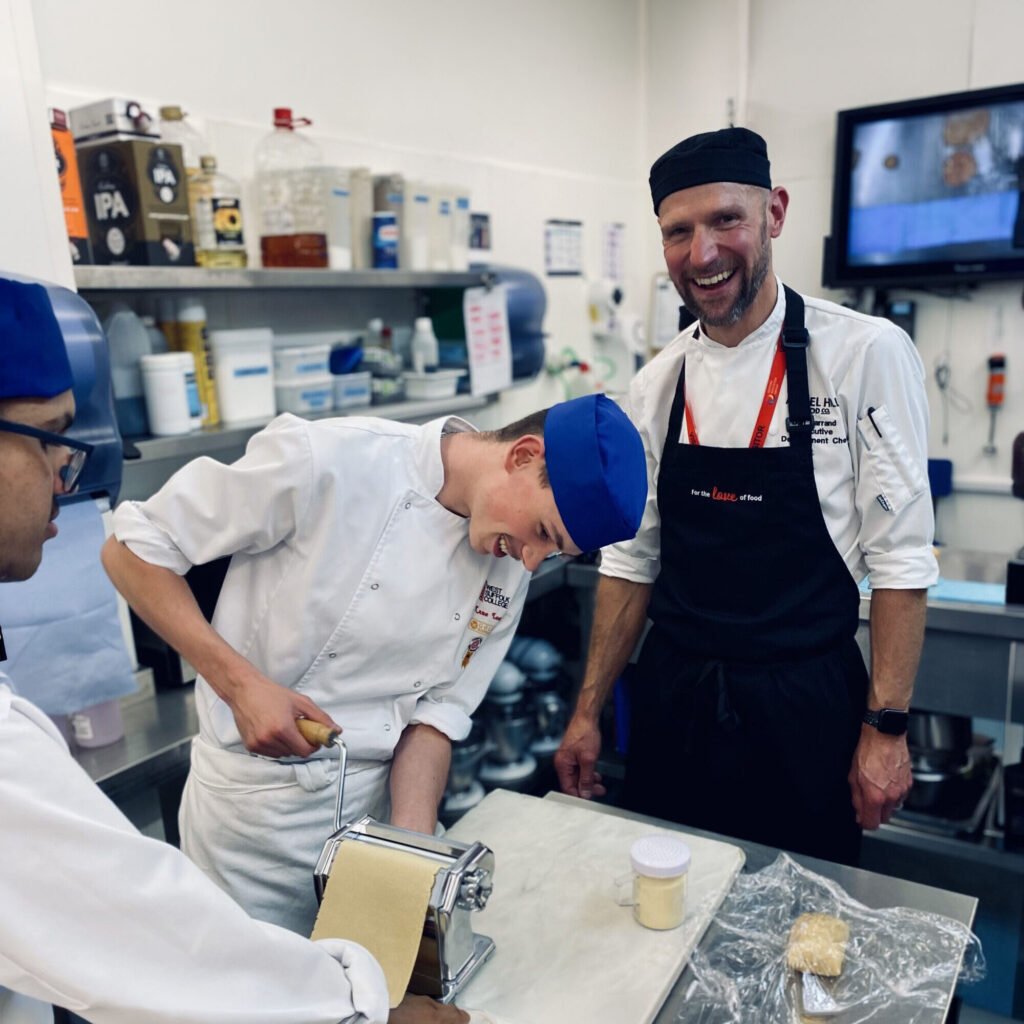
Culture is everything. Chefs need structure, but they also need trust. We give our teams clear frameworks and objectives, then empower them to explore ideas within those boundaries.
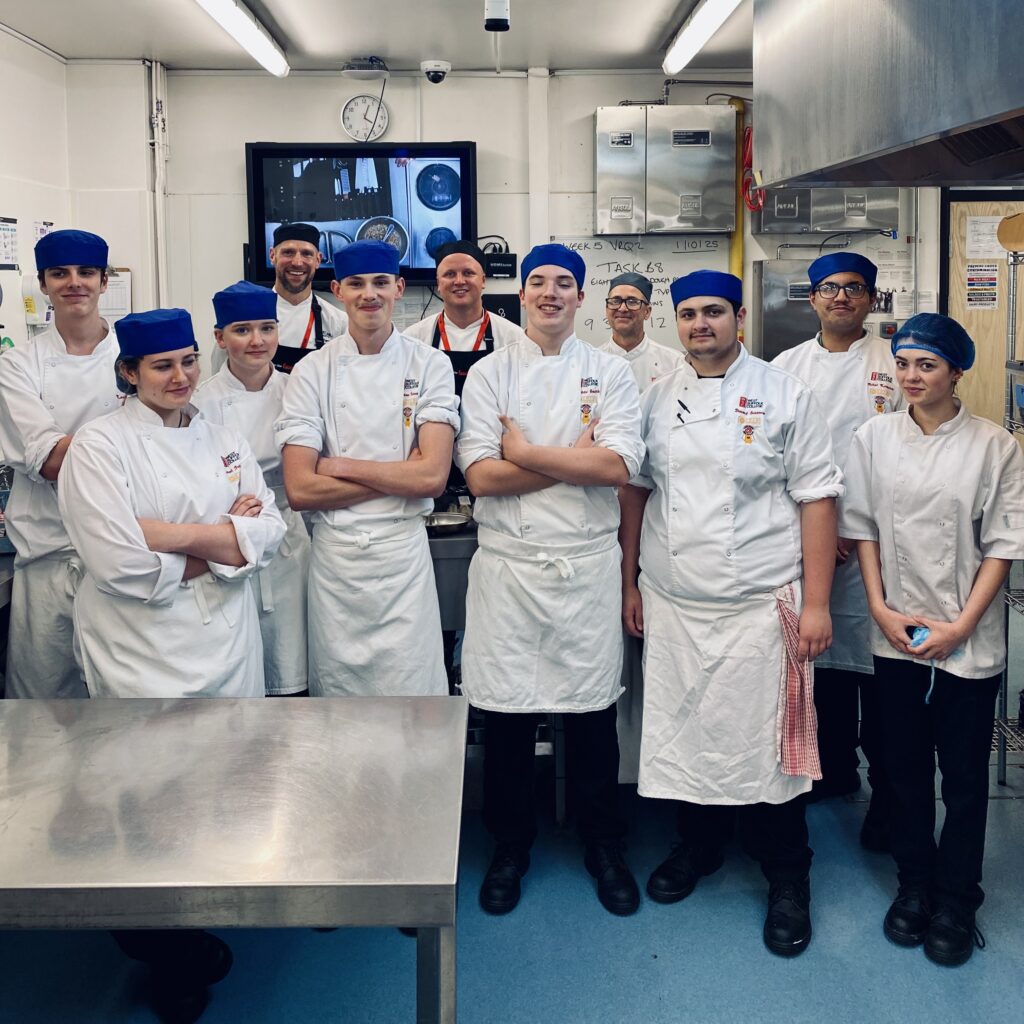
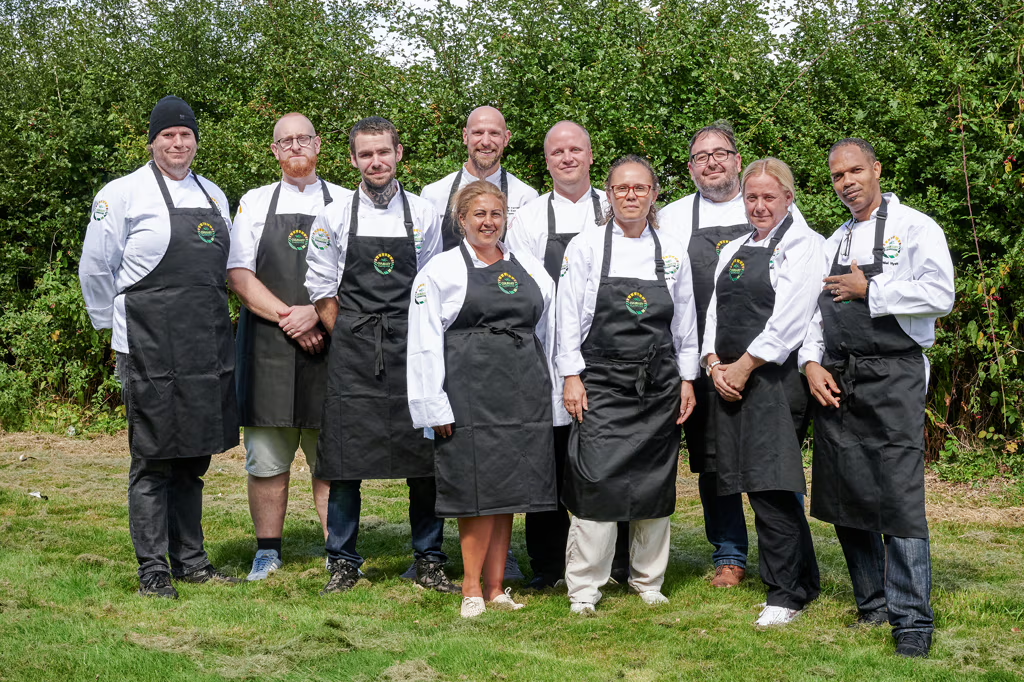
Initiatives like our Culinary Classroom bring chefs together to share knowledge, test concepts and learn from one another. When people feel invested and heard, innovation becomes part of everyday thinking – not something reserved for special projects.

What role does customer insight play in innovation?
Chris Ince:
A huge one. Innovation only succeeds if customers buy into it. That’s why we involve them early – through tastings, trials and feedback loops.
When customers help shape the outcome, adoption is faster and confidence is higher. That’s how we innovate catering with relevance, rather than assumption.
Looking ahead, what excites you most about the future of catering innovation?
Chris Ince:
The opportunity to rethink formats and experiences. As workplaces evolve, food needs to work harder – it has to be flexible, engaging and meaningful.
Whether it’s street-food-inspired concepts, smarter grab-and-go options, or reimagined classics, the future of catering innovation lies in blending creativity with insight. If we stay curious, collaborative and grounded in reality, there’s enormous potential ahead.
A Considered Approach to Innovating Catering
Innovation is not about reinvention for its own sake. It’s about thoughtful progress – improving how food tastes, how it’s delivered, and how it supports people and the planet.
By embedding catering innovation into everyday thinking and continuing to innovate catering through collaboration and insight, Angel Hill Food Co. is shaping a future where workplace food is not just served – it’s genuinely valued.