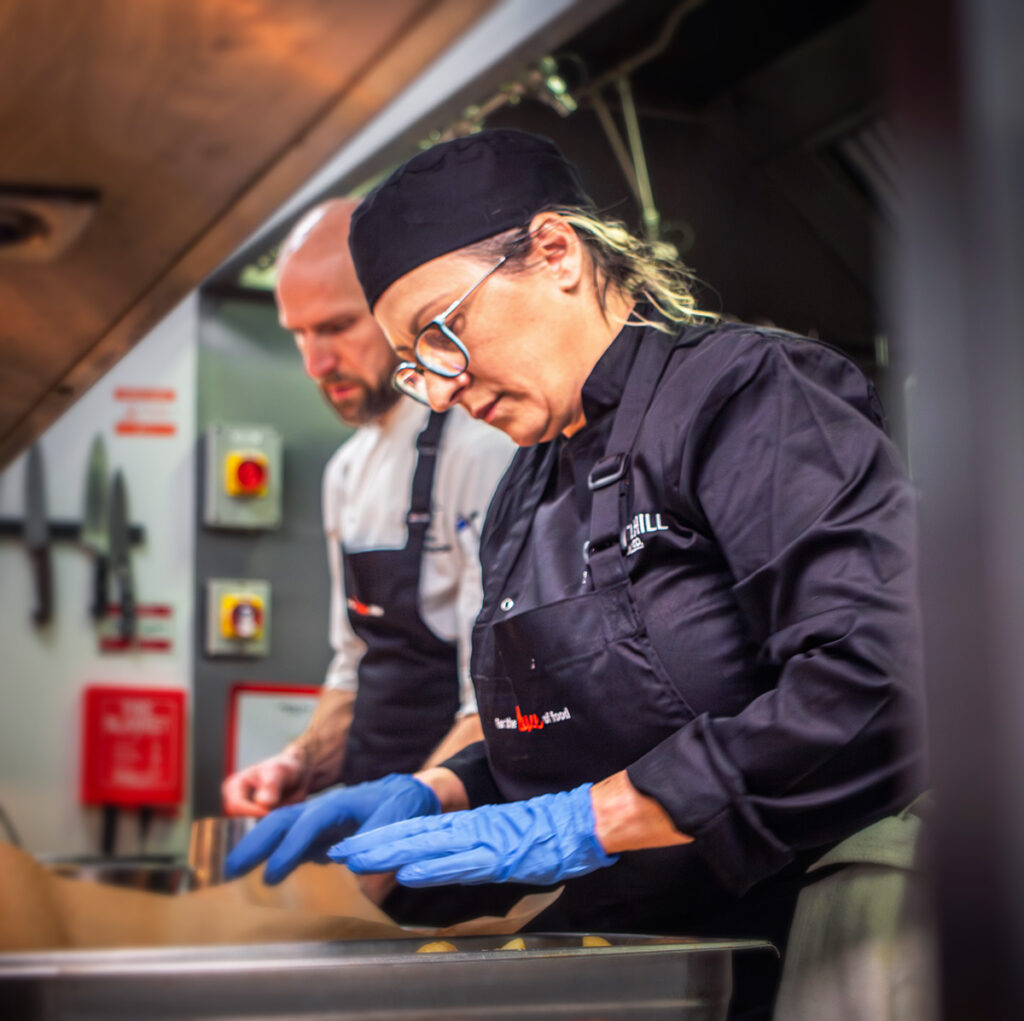
Hannah Parish works across schools and colleges as a Nutritionist, supporting catering teams to translate nutrition guidance into food that young people will actually choose to eat. Working closely with chefs, site teams and education partners, she focuses on practical nutrition, building healthier habits through everyday meals, clear education and accessible choices that support learning, wellbeing and long-term health.
Understanding How Students Engage With Food and Information
Nutrition education in schools and colleges is changing. Young people are exposed to more information than ever, much of it conflicting or misleading. Rather than seeing this as a barrier, Angel Hill Food Co. treats it as an opportunity to rebuild curiosity and confidence around food.
“The focus is on making healthier choices feel practical, enjoyable and relevant. Nutritious meals need to compete with what students already know and like, so flavour, familiarity and accessibility matter as much as nutritional value. By positioning healthy food as something students want to choose, rather than feel they should choose, nutrition education becomes more effective and more lasting.”
Designing Food That Supports Learning, Health and Growth
Recipe development plays a central role in this approach. Menus are being enhanced through higher fibre content, smarter protein strategies and a clearer focus on nutrients that support brain health, concentration, immunity and physical development.
A key priority is exposure. Many students will not choose unfamiliar foods without encouragement, so Angel Hill Food Co. creates safe, engaging opportunities to try something new. Inspired by the Food Foundation’s Eat More Beans campaign, bean-based recipes are being increased across menus, supported by interactive, bean-themed sessions in schools. These sessions show how versatile, filling and appealing plant-based ingredients can be, helping students build familiarity and confidence over time.
Keeping Nutrition Education Relevant Throughout the Year
To maintain momentum, Angel Hill has developed a 2026 Nutrition Calendar, giving each month a clear theme, from gut health to sustainability. This allows schools and colleges to engage with fresh, timely topics rather than one-off initiatives that quickly lose impact.
Content is adapted by age group so messages remain meaningful and memorable. New concepts are also being developed around hormone health and bone health, recognising the importance of these areas for children and young adults. This ensures nutrition education supports both male and female health in a way that reflects real developmental needs.
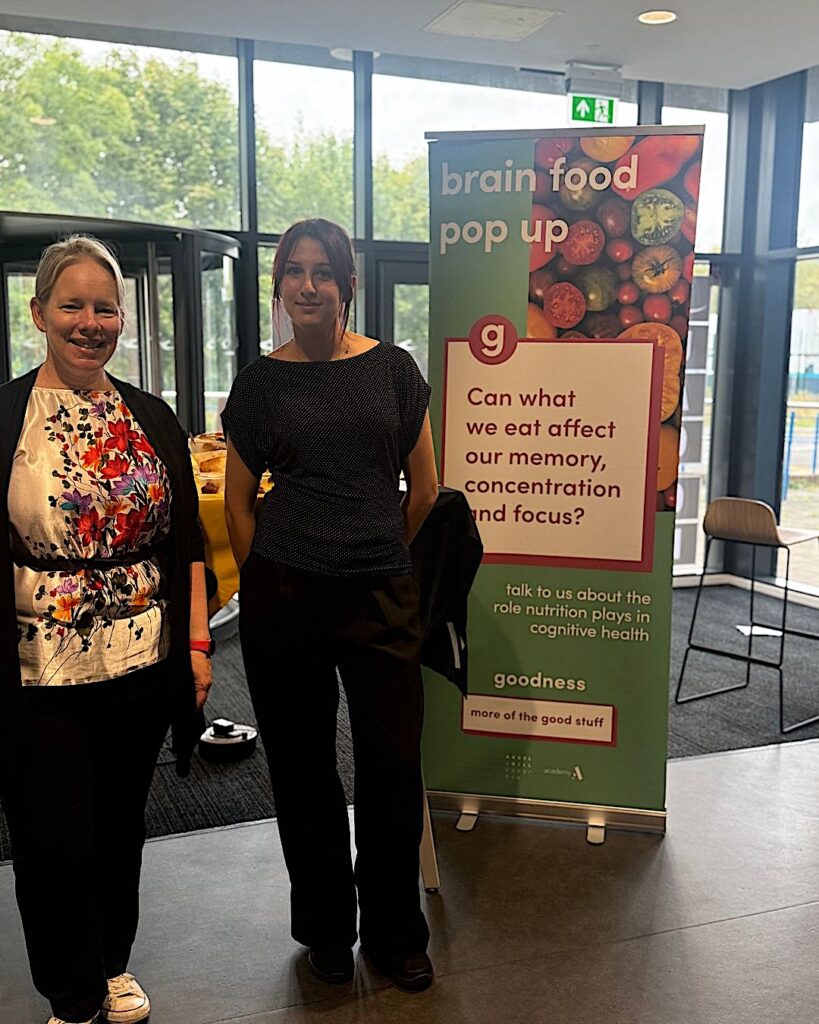
Alongside this, Goodness Pop-Up Toolkits provide sites with ready-to-use, evidence-based materials. These resources are regularly refreshed to keep conversations active and visible, helping students feel informed and empowered in their everyday choices.
Learning From 2025 and Shaping the Year Ahead
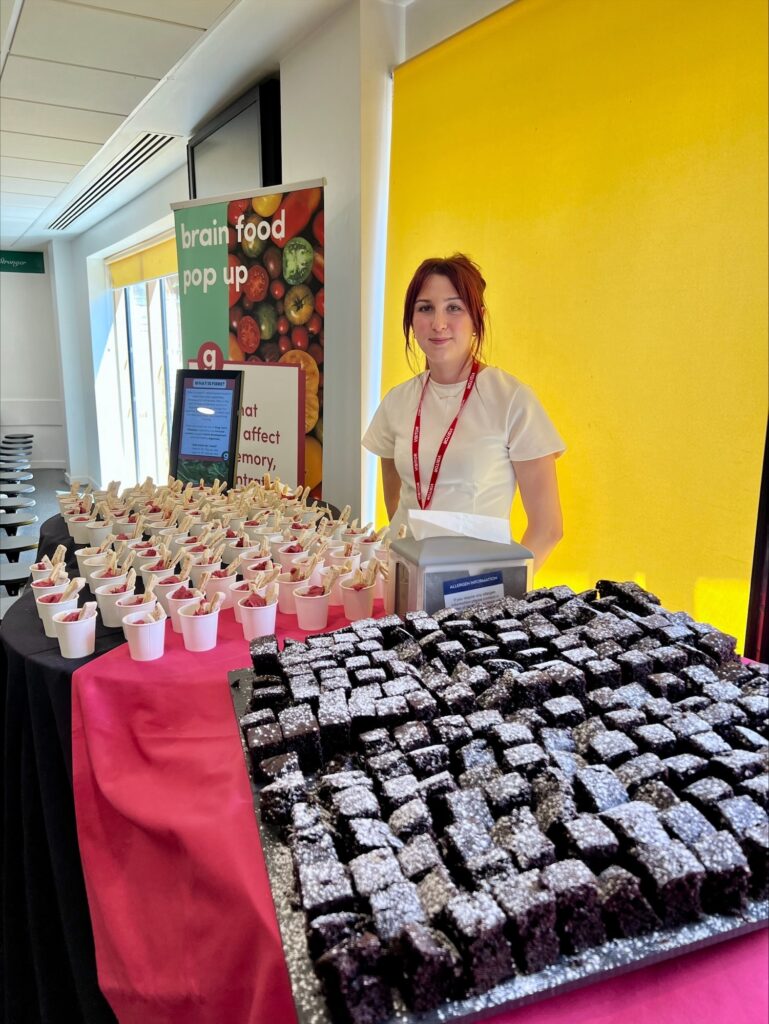
Campaigns delivered in 2025 reinforced that engagement matters most when education is interactive. While pop-ups are valuable for introducing new foods and gathering feedback, workshops and classroom-based sessions create deeper understanding. They allow teams to build on what students already know and tailor discussions to their interests and stage of life.
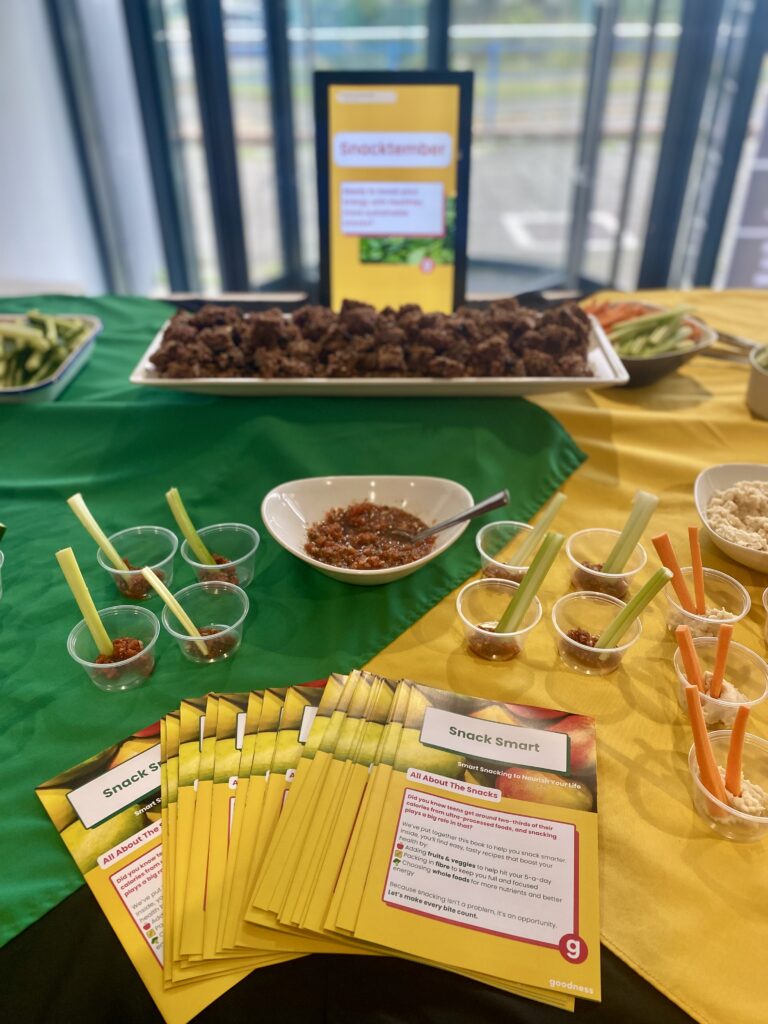
Participation in the British Nutrition Foundation’s Snacktember campaign highlighted the scale of snacking among children and teenagers, and its impact on energy, mood and concentration. In response, Angel Hill is launching a Snack Smart concept for schools, supporting better snacking habits year-round through more fruit and vegetables, higher fibre options and whole-food choices.
Accessibility was another key learning. Catering teams want to stay involved, even when specialist teams are not on site. For 2026, this has led to a stronger focus on simple, practical tools, such as printable nutrition cards that can be displayed instantly at counters. This keeps nutrition education consistent, visible and easy to deliver.