How Technology Is Changing the Way People Choose, Order and Experience Food at Work
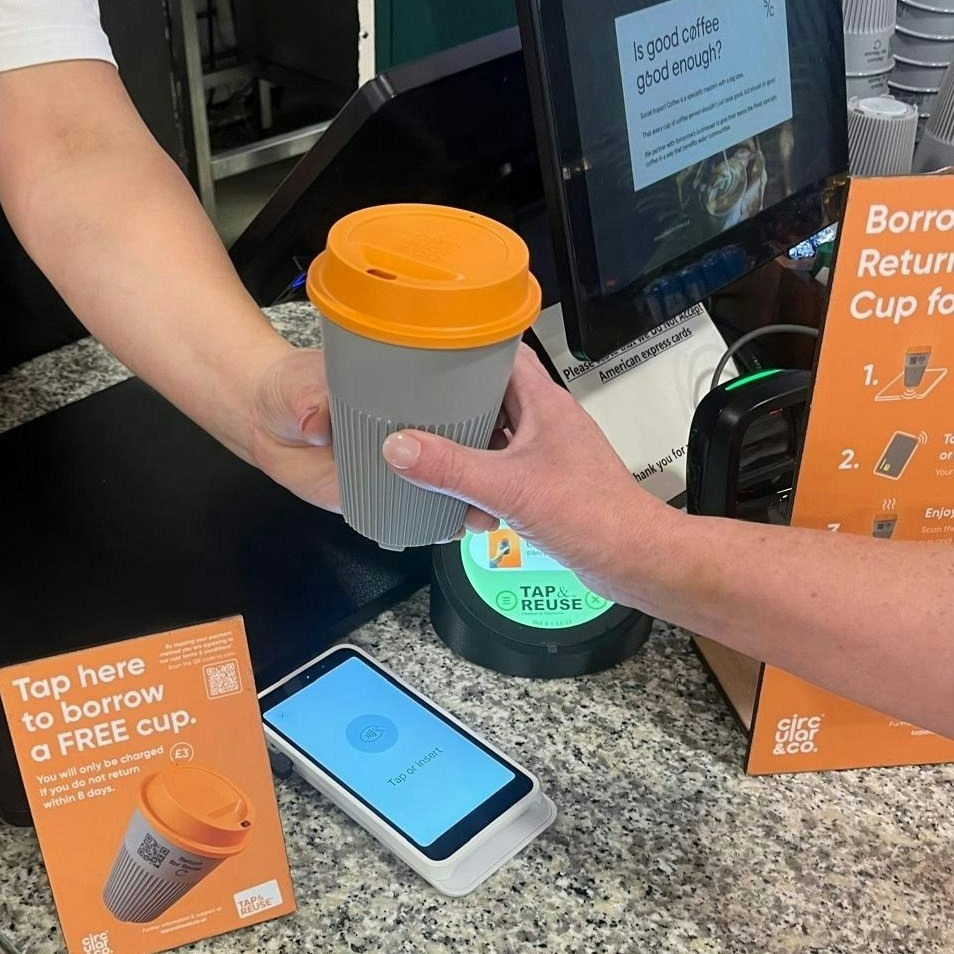
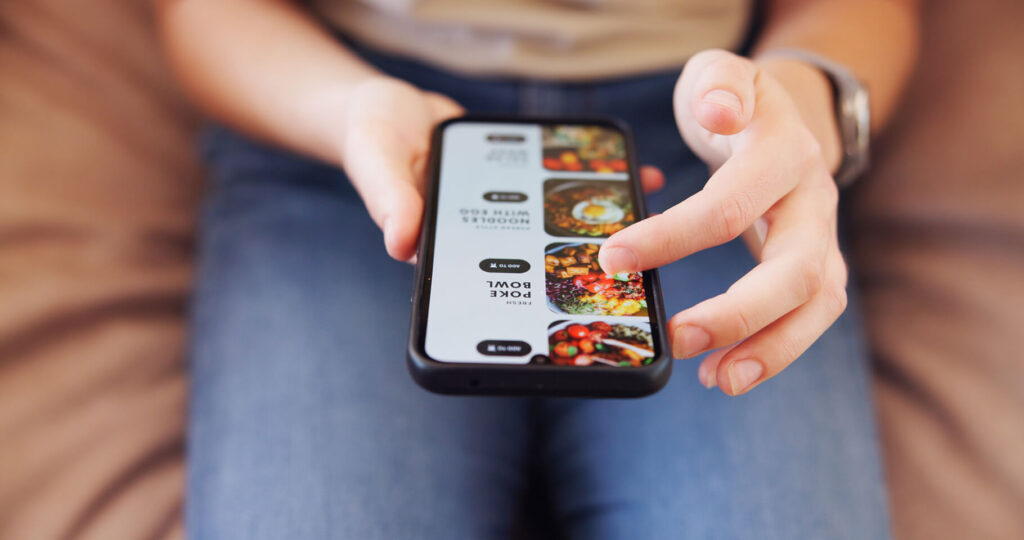
Digital Innovation is reshaping how people interact with food every day – from the moment they browse a menu to the way they order, enjoy and engage with food onsite. As customer expectations evolve, technology is becoming a core part of catering offers that are more convenient, personalised and sustainable.
Across workplace environments, where time is precious and preferences are diverse, Digital Innovation is helping food services work smarter – giving people choice, reducing waste and freeing up onsite teams to focus on what matters most: great food and warm human connection.
Bringing Technology and Taste Together
Changing expectations in the modern workplace have created a clear role for Digital Innovation in catering. People want seamless access to information, quicker service and more control over how they enjoy food – all of which technology can enable.
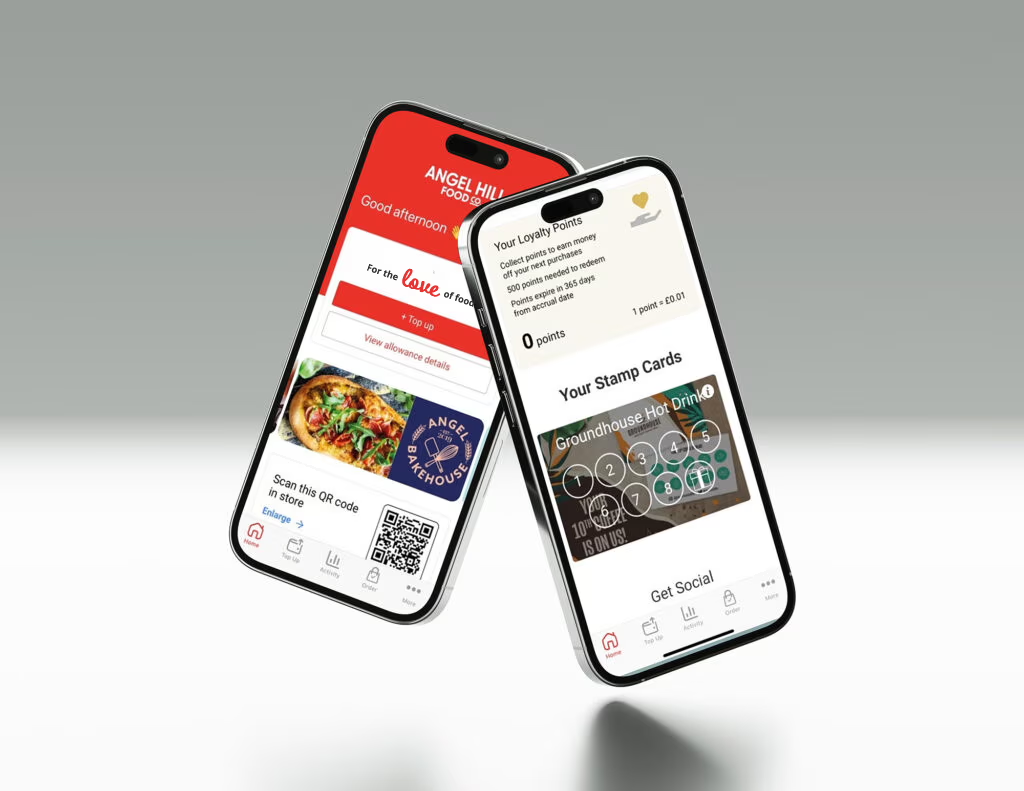
Robert Jessey, Operations Director at Angel Hill Food Co., explains that these shifts in customer behaviour drove the development of a bespoke app. “We noticed the drive for quicker access to products and a clearer visibility of service,” he says. The goal was not simply to digitise existing processes, but to create solutions that reflect how people already shop and eat in their everyday lives.
A Connected Digital Journey
The heart of this transformation lies in connectivity. The new platform brings menus, pre-ordering, dietary data and feedback together – creating one consolidated experience for customers.
Robert highlights how Digital Innovation has enabled smoother integration between systems: from point-of-sale infrastructure to real-time data sharing between tools and teams. This connected approach ensures that production planning, stock tracking and menu management are more accurate and efficient.
You need that connectivity… because it all talks to each other, enabling us to connect the dots between the data quicker, providing a faster and more effective solution to the customer.
Using Data to Shape Better Food Choices
One of the most powerful aspects of Digital Innovation is the insight it generates.
By analysing how and when customers interact with the service – from ordering patterns to dietary preferences – colleagues can tailor food offers based on real behaviour rather than assumptions. These insights are helping teams:
-
Understand peak ordering times
-
Identify menu favourites and under-performers
-
Adapt food offers to specific site trends
This data-led approach supports more accurate production planning and reduces waste by aligning preparation with what customers actually want – a true demonstration of tech supporting sustainability.
Keeping the Human Touch at the Centre
Digital Innovation isn’t about replacing people – it’s about enhancing their ability to deliver excellent food experiences.
With routine tasks streamlined, colleagues spend less time managing queues and transactions, and more time engaging with customers personally. Whether answering questions, sharing recommendations or catering to individual dietary needs, the human element remains at the core of service.
Robert observes that, even amid digital transformation, people still seek connection with real colleagues – a reminder that technology should support, not replace, human interaction.

What Comes Next in Digital Innovation
Looking ahead, the potential for Digital Innovation continues to expand.
Robert sees opportunities for artificial intelligence to drive the next wave of transformation – from more personalised menu forecasting to tools that automatically tailor options based on allergens or sustainability criteria. Pilot programmes exploring AI-enabled food scanning and nutritional tracking are already underway.
He summarises the impact succinctly:
It makes things more convenient, sustainable and adds to the customer experience.
A Continuing Journey of Innovation
Digital Innovation is redefining how people choose, enjoy and connect over food. It supports better experiences by simplifying processes, deepening insight and enhancing the personal elements of service — all while keeping sustainability and relevance at the forefront.
As technology evolves, so too will the ways food is delivered, enjoyed and shaped by the people who eat it. What stays constant is this: innovation should always serve people, not just processes.