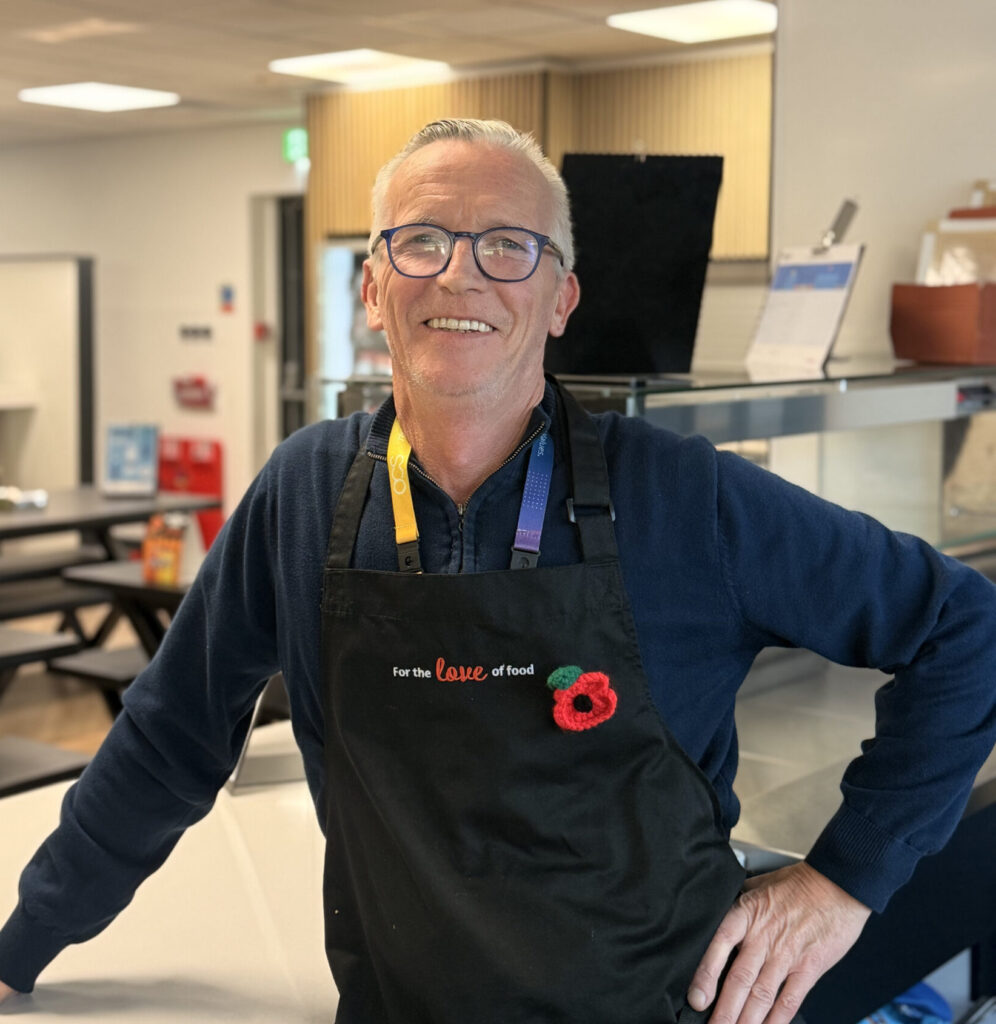
Shane Gautry has spent much of his working life making sure people are supported through food. Before becoming Group Manager Catering at Angel Hill Food Co., he served 24 years in the British Army, progressing from apprentice chef to Warrant Officer Class 1 and Brigade Catering Warrant Officer. His military career took him across Europe, Central America and Northern Ireland, with responsibilities that grew from learning his trade to advising senior military leadership on catering operations.
As Remembrance Day approaches, Shane reflects on a career built around service, the lessons he carried into civilian life and the pride he takes in the people and responsibilities that have shaped his journey.
A Career that Began with a Love of the Army and Food
Shane knew from an early age that he wanted to join the Army. He attended cadets as a young man, and when the opportunity came to train as a chef, he saw a way to bring two interests together.
I wanted to follow in my mum’s footsteps and decided I could do both this way.
He joined the Army in 1981 and qualified as a chef in 1983. Training combined learning to cook with the discipline and practical demands of becoming a soldier. For Shane, developing his catering skills was part of a much wider commitment to military life.
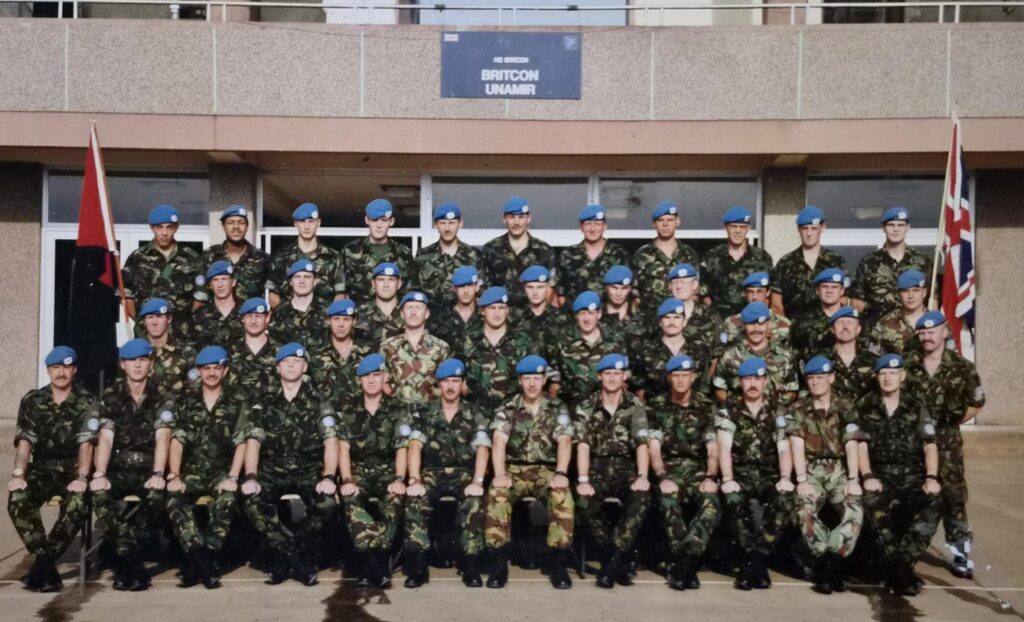
His career progressed through a series of postings and promotions, including roles with the Parachute Regiment, the Royal Gurkha Rifles and the Royal Artillery. He also served in Rwanda during the 1994 genocide and spent time in Belize, where he became Master Chef.
One of the most significant milestones came when Shane reached Warrant Officer Class 1, the highest warrant officer rank in the Army. He remembers being a cheeky young man who had once been told he would go nowhere in the Army.
Being told I would go nowhere, then reaching the top of my trade, is probably the moment I am proudest of.
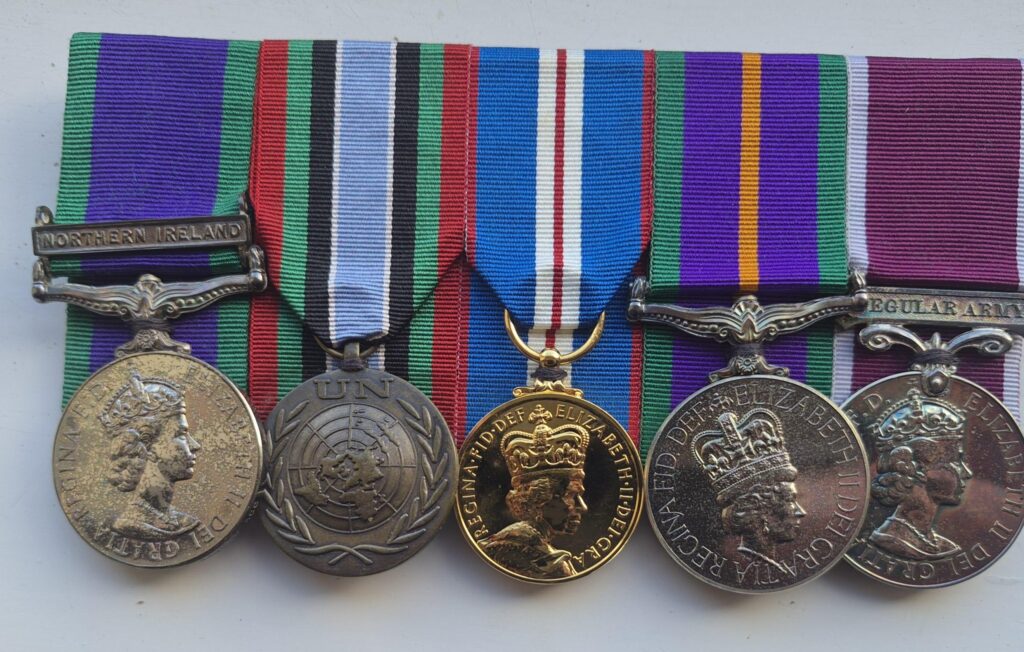
His progression reflects the experience and responsibility he built over more than two decades of service, alongside the medals and awards he received during his career.
Catering Wherever the Job Takes You
Military catering presented a wide range of challenges. Shane worked across different countries and environments, each with its own cultural expectations, supply arrangements and operational demands.
Understanding the people being served was essential. So was planning ahead, particularly when access to ingredients and supplies was limited.
Shane recalls his time in Belize, where food had to be ordered six months in advance because of the location. Catering teams had to anticipate requirements carefully and improvise when circumstances called for it.
There were many challenges as we served in many countries. We had to embrace everybody’s culture and beliefs. There were also the demographics of where you could be posted and issues with supply and demand, so a lot of improvisation was required.
These experiences gave Shane a practical understanding of what it takes to deliver catering in complex operating environments. Menus and supplies needed careful planning, while teams had to remain flexible enough to respond to changing circumstances and the needs of the people they supported.
Those considerations remain relevant to his work today, where catering services must respond to different sites, customer expectations and operational requirements.
Responsibility, Standards and Looking After People
As Shane progressed from apprentice chef to Brigade Catering Warrant Officer, his responsibilities changed significantly. He moved from learning the fundamentals of his trade to becoming a subject matter expert, advising a one-star General on catering matters.
The role demanded detailed knowledge of catering regulations and a clear understanding of the standards expected across the service. It also meant recognising the responsibility that came with that knowledge, including protecting colleagues and the organisation from fraud and misconduct.
Shane sees clear links between the training he received in the Army and the standards expected in business today. He points to the importance of ethical decision-making, structured training and following the right processes, including areas such as bribery and corruption.
He also credits his military background with developing a logical and organised approach to work. Planning carefully, managing competing priorities and thinking clearly under pressure are skills he continues to draw on when supporting site operations and mobilisations at Angel Hill Food Co.
I believe the training I received during my military service has enabled me to reach the standards and professionalism I use when approaching tasks such as mobilisations and running the sites that I look after.
For Shane, these skills are most valuable when they help teams deliver consistently and meet the responsibilities placed on them. His experience provides a foundation for approaching operational challenges methodically, while working with colleagues to keep services running to the required standard.
What Remembrance Day Means to Shane
For Shane, Remembrance Day is an opportunity for people who have served and those who have not to recognise the lives lost in conflict, as well as those who continue to make sacrifices in the hope of world peace.
He also sees it as a time to reflect on the devastating effects of war and the experiences of those who have lived through it.
Over the years, Shane has visited war memorials and taken part in battlefield tours, hearing first-hand accounts of courage, sacrifice and the experiences of service personnel. These visits have strengthened his appreciation of the people behind the histories being remembered.
He encourages others to visit battlefields and memorials to hear these stories for themselves and gain a deeper understanding of the people and events they commemorate.
His reflections bring a personal perspective to Remembrance Day, shaped by 24 years in the Army and the people he encountered throughout his service.
A Lasting Sense of Pride
Shane completed his military career in 2005, exactly 24 years after joining. Since then, he has continued working in catering, bringing the experience and standards developed during his service into his role at Angel Hill Food Co., where he is Regional Group Manager for East Anglia and the Home Counties.
Looking back, he remains proud of the journey from a young apprentice chef to reaching the highest warrant officer rank in his trade. His medals and awards are important reminders of that time, but so too is the knowledge that he served and earned the respect associated with that commitment.
His story also highlights the role catering plays in supporting people. Across military and civilian settings, good catering relies on planning, professional standards, adaptability and an understanding of the people being served.
This Remembrance Day, Shane’s reflections offer a reminder of the experiences carried by those who have served, and of the skills, values and sense of responsibility they continue to bring to their working lives.