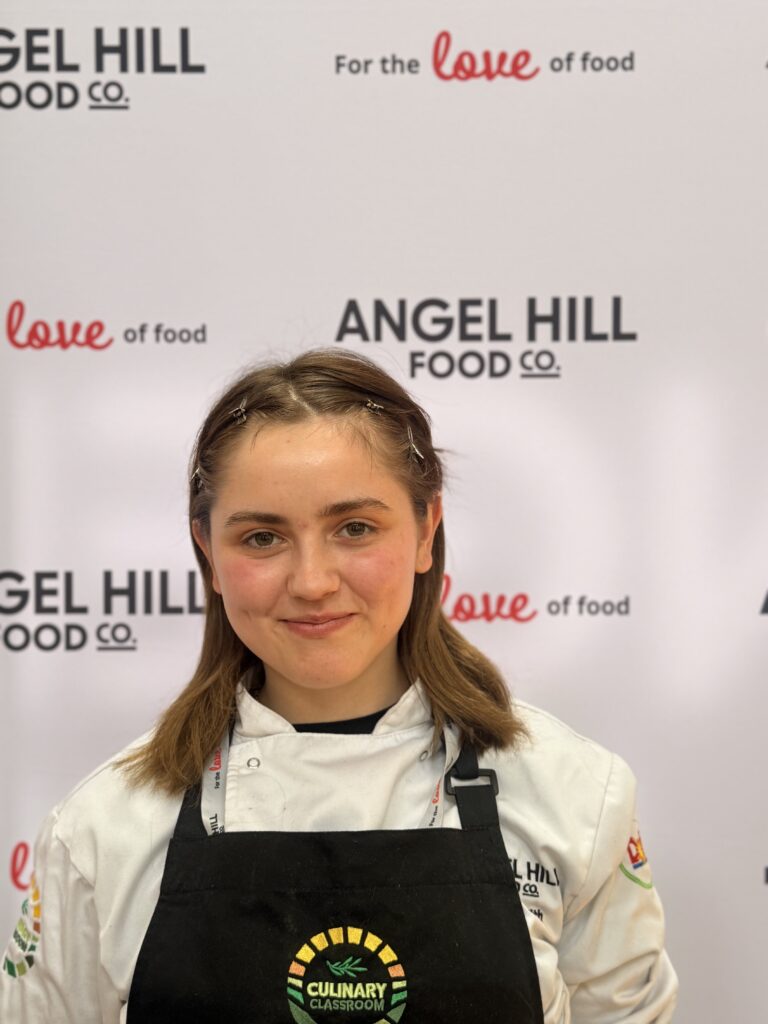
Amy Teichman, Head of Nutrition at Angel Hill Food Co, and Hannah Parish, Nutritionist, work across education settings to shape school food that supports both well-being and performance. Their work focuses on helping students understand the nutritional value of their choices while ensuring that menus are accessible, inclusive, and practical in busy school environments.
In an article for Neurodivergence Week, Amy and Hannah reflect on the day-to-day realities of school catering and how different students respond to food and to the dining environment.
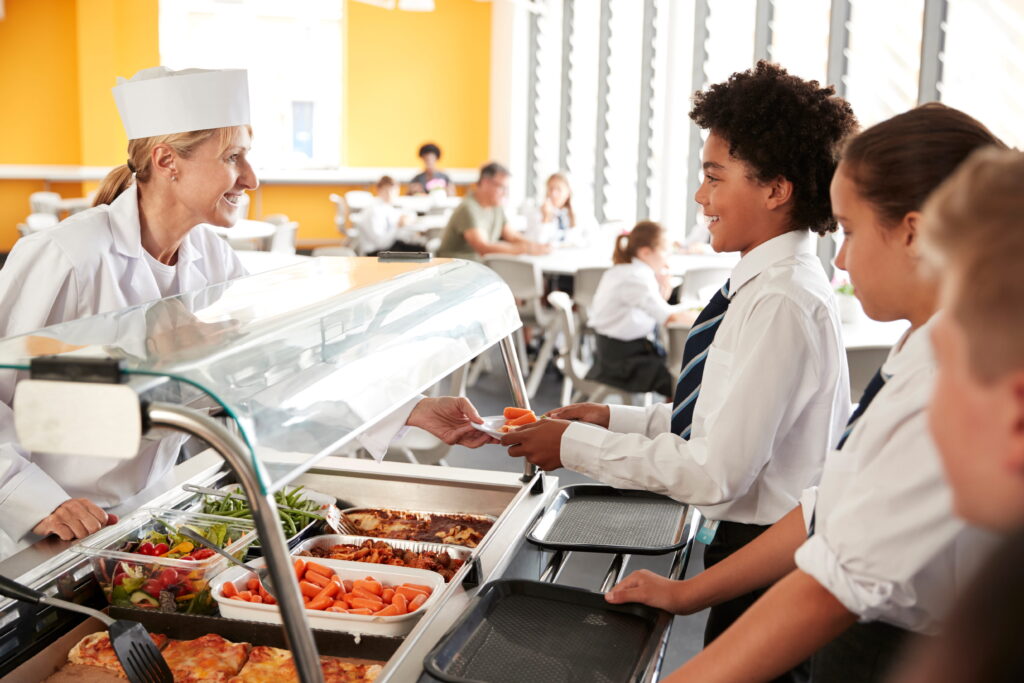
For neurodiverse students in particular, lunchtime can feel busy and overwhelming. Our role is to work closely with our teams and education partners to reduce that pressure and make food more accessible.
Says Amy.
Working with Teams to Understand Student Needs
Amy and Hannah work directly and collaboratively with chefs, catering managers and school leaders to understand the needs of students and where challenges may arise. This may be how menus are written, how food is presented, or how choices are communicated during service.
“By working directly with colleagues on site, we adapt our approach in ways that reflect the reality of each school. It also gives teams the confidence to make small, practical changes that improve the experience for students,” Amy says.
Making Menus Clearer and More Accessible
Focus is given not only to what is on the menu, but how it is understood. For some students, this means providing clear descriptions and avoiding busy layouts which could otherwise lead to making choosing a meal more difficult. Using descriptions such as “crunchy, “mild”, or “smooth” helps students understand what to expect before they reach the counter.
Amy adds, “We also introduced visual menus in some of our schools to support students who may struggle with reading. These provide a clear and simple way to recognise meals, helping students make choices more independently and with greater confidence.”
Where possible, menus are shared beyond the dining hall, including online and in other areas of the school. This gives students time to review their options in a calmer environment before entering a busy space.
Supporting Choice Without Adding Pressure
We work with our catering teams to ensure there are always familiar or simpler options available alongside the wider menu. This gives students a dependable choice while still encouraging them to explore something new.
Providing a dependable choice gives students reassurance, while space to explore something new builds confidence. Taster portions support this, allowing students to try different foods without committing to a full meal.
Creating that balance is key. Students need to feel confident in what they are choosing, while still being supported to access nutritious meals.
Hannah Parish adds.
Creating Better Experiences for all Students
The changes we make to support neurodiverse students have a wider impact.
Clear, accessible menus improve the experience for all students. Service becomes more efficient, queues move more smoothly, and students have more time to relax during their break.
For our colleagues, it also creates clarity and consistency in how menus are presented and explained, which supports smoother day-to-day delivery.
Continuing to Evolve Inclusive Menu Design
“This is ongoing work for us. Hannah and I continue to learn from our teams and from students themselves. That insight helps us refine our approach and identify where we can go further,” adds Amy.
Angel Hill Food Co. remains committed to developing and providing inclusive menus that ensure students and schools feel supported. By working closely with colleagues and education partners, we create dining experiences that are accessible, practical, and supportive for every student.